


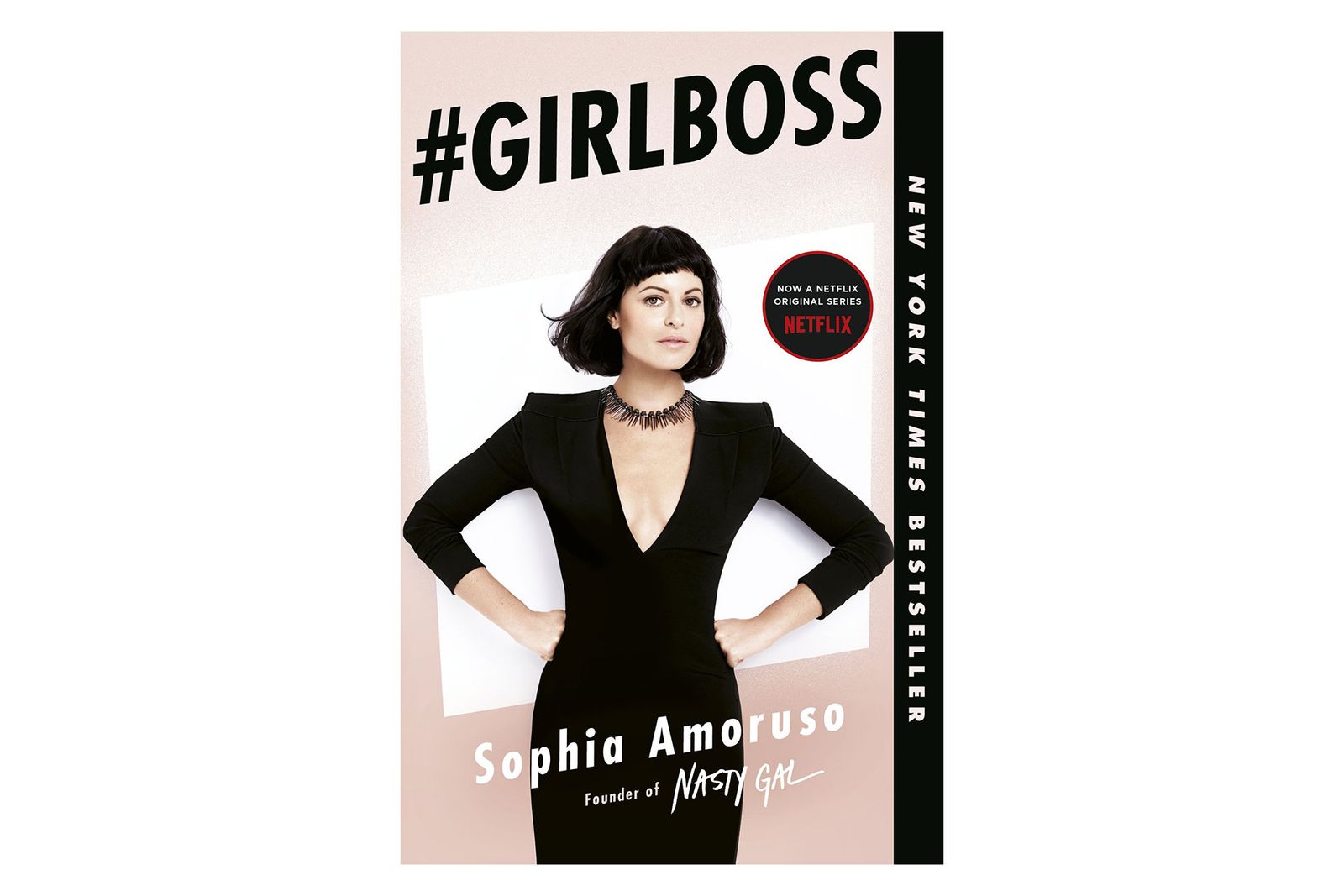
The year is 2014. Timber by Pitbull and Kesha is in the charts. Anastasia Beverly Hills Dipbrow and chalky, matte lipsticks in shades of plum and and coral orange are the must-have beauty products. And Sophia Amurouso, the founder of the fashion brand Nasty Gal, released her sell-out book #Girlboss, soon followed by a hit Netflix show inspired by the novel.
It was the peak of the girl boss era, with figures like Sophia, as well as Glossier founder Emily Weiss, launching brands into a world that felt like it was encouraging women to aim for the stars. At the time, the term encapsulated women who embodied a type of forced empowerment, creating their own way in the world. During that time period — from 2014 to 2019 — women-owned businesses increased by 21% to a total of nearly 13 million.
Over time, however, being a ‘girl boss’ has come to be associated with toxic work environments, capitalist, cut-throat ambitions and a certain type of woman — usually white, who would throw the ladder down after them. Today, the phrase is used ironically — ‘gaslight, gatekeep, girlboss’ is a familiar meme on social media, an insult aimed at women who pursue success by any means necessary. Sophia has since said that even she doesn’t like to use the phrase anymore. When did things go sour?
As the online saying goes, we “girlbossed too close to the sun”. The stereotype of the white woman CEO collided with feminism going mainstream — who can forget the Dior ‘We Should All Be Feminists’ tees? Essentially, we got the ick.
Many millennial women who grew up with the #girlboss messaging came to realise that, actually, you can’t have it all — not when it costs nearly your entire monthly wage to pay your rent, the cost of living keeps getting higher and higher and on top of that, we have the ‘will I or won’t I?’ of kids, marriage and all the other expectations that comes with being an Adult Woman in the 21st century. Having your own successful company, a family, a luxury lifestyle and an enviable wardrobe is mostly the reserve of certain types of women — i.e. white women who have generational wealth and oodles of privilege at their disposal.
Gen Z women are rejecting the concept of being a girl boss, too, with trends like ‘soft girl’ that prioritises wellbeing and a slower pace of living resonating with burnt out young people. Slow living, devaluing ‘the grind’ and self-care have taken the place of extreme morning routines, chaining yourself to your desk and throwing your fellow women colleagues under the bus for the chance of a payrise or promotion. And thank god.
All of this aside, the phrase in itself is just ridiculous, isn’t it? Using the world ‘girl’ as a prefix to ‘boss’ suggests that being a boss isn’t usually something meant for women. You wouldn’t call a man a ‘boy boss’. This type of infantilastion of women occurs across the corporate workplace. Emails are expected to be littered with cutesy emojis and kisses — if not, they’re interpreted as too blunt. Reducing women to ‘girls’ whether as a nickname or not strips us of our womanhood, and replaces it with a sense of childhood, vulnerability and submission.
In 2025, being a #girlboss feels antiquated. Be a boss, by all means, but a girl boss? Let’s leave that one in the 2000s, thanks.

Follow