



Devastating news today! Nine priceless pieces from the French Crown Jewels have been stolen by masked robbers from their permanent display in the Galerie d’Apollon of the Musée du Louvre!


The Louvre in Paris has been closed today after three masked men reportedly broke in and fled on a scooter with nine pieces of jewellery worth millions.
Thieves broke into Paris’ Louvre museum through a window on Sunday, stealing “priceless” items of jewellery before escaping on motorbikes, the French government said.
The thieves struck at about 9.30 a.m. (0730 GMT) when the museum had already opened its doors to the public, and entered the Galerie d’Apollon building, which is home to the French Crown Jewels, the Interior Ministry said in a statement.

“The investigation has begun, and a detailed list of the stolen items is being compiled. Beyond their market value, these items have priceless heritage and historical value,”
It has been reported the jewels once belonged to French military leader and statesman Napoleon and his wife Josephine Bonaparte.
The suspects are believed to have used an external construction lift—installed for ongoing renovation work—to reach the gallery on the River Seine side of the museum.
They then broke windows to enter and escaped on a motor scooter.
Video footage taken this morning appears to show security staff and members of the public stuck inside the museum.
The Louvre is the largest museum in the world with nearly 73,000 square metres of exhibition space — more than the size of ten football pitches. It was originally built in 1546 as a palace for the French royal family. King Francis I, its first resident, was a lover of art and intended the Louvre to showcase his collection. The Louvre officially opened as a public museum in 1793 after the French Revolution.

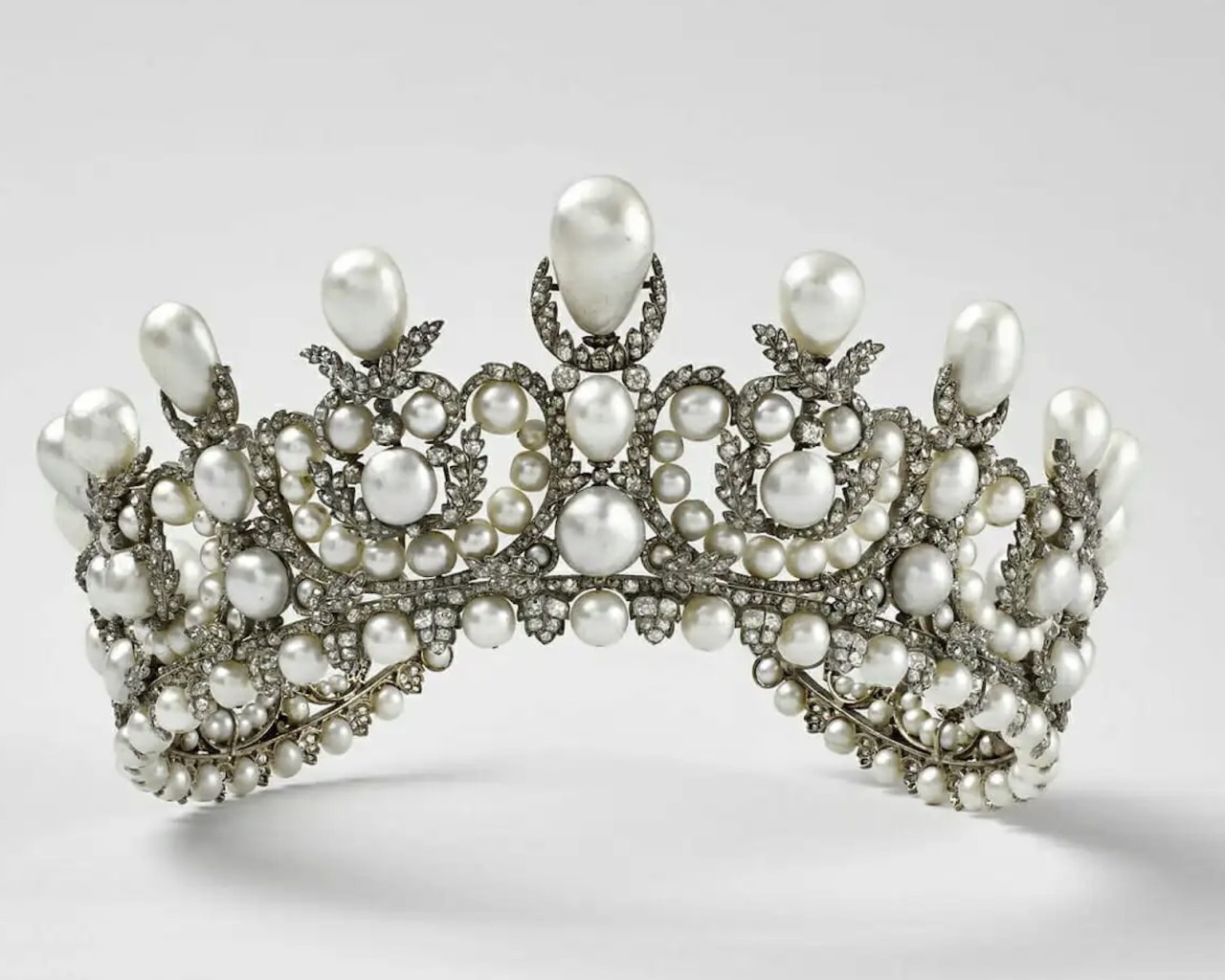
It has been reported that the Crown of Empress Eugenie has been found in a damaged condition, but other pieces which include a Diadem, likely Empress Eugénie’s Pearl Tiara, a Necklace and a Brooch, either the French Crown Pearl Brooch or Empress Eugénie’s Diamond Bow Brooch, remain missing.
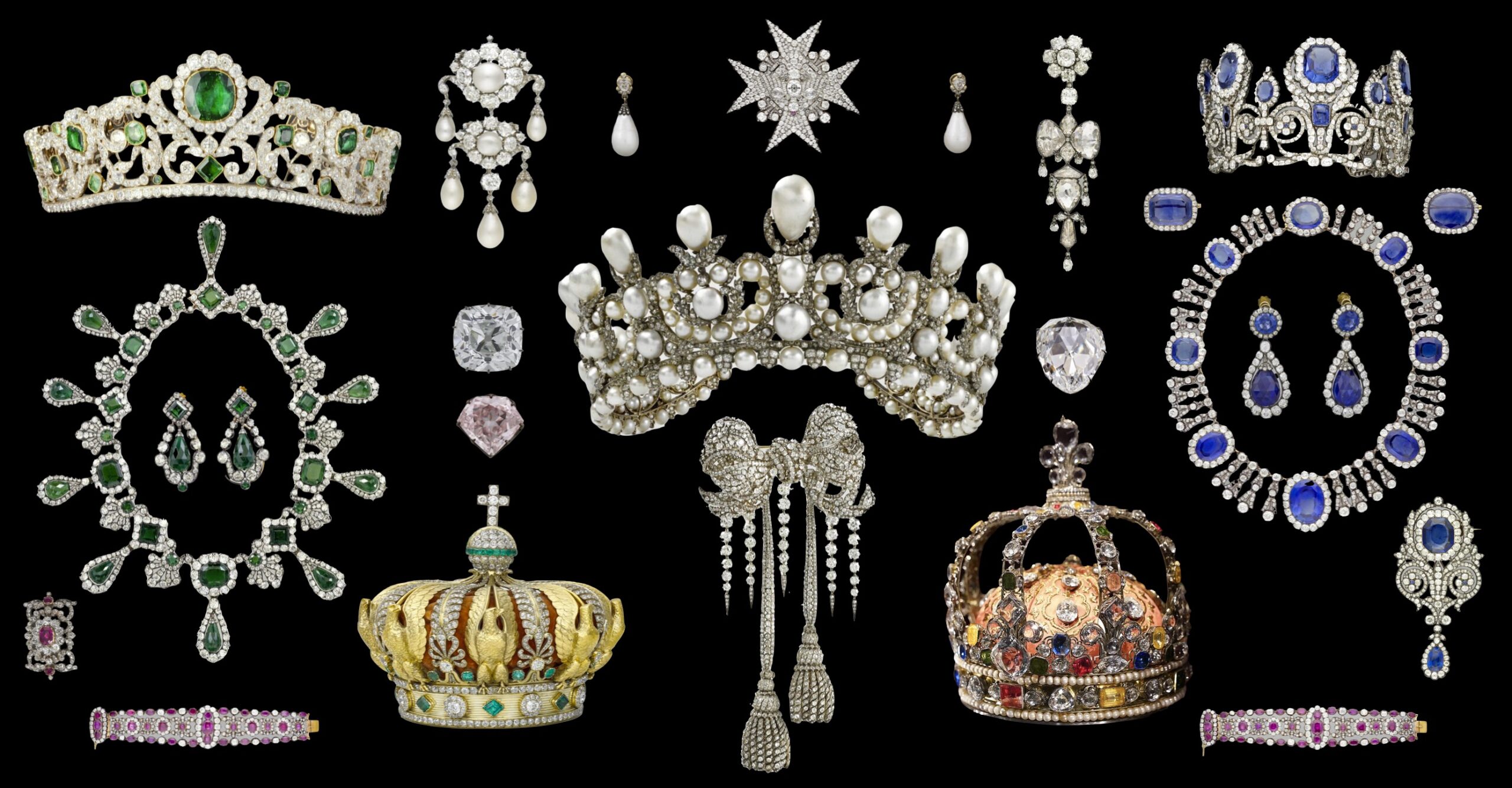


Created for King Louis XIV by Charles Le Brun in 1661 to replace the destroyed Galerie des Rois built during the reign of Henry IV. Serving as a model for the Hall of Mirrors of the Palace of Versailles, the Galerie d’Apollon had not been fully completed until almost two centuries later, in 1851. The remaining French Crown Jewels have been displayed in the Galerie d’Apollon since 1887, when most of them were auctioned off by the French Third Republic, though jewels continue to be slowly reacquired by the Museum in recent decades.


The Crown of King Louis XV was made for his Coronation in 1722 and survived the Revolution since the original stones had been replaced with imitations, being transferred to the Musée des Souverains at the Louvre in 1852.

The ‘Côte de Bretagne’ Spinel is a 107.88 carat spinel that belonged to belonged to Marguerite de Foix, Duchess of Brittany and is the only original stone remaining from the list of François I of the jewels of the Crown of France in 1530.


The 140.64-carat Regent Diamond is widely considered one the purest diamonds ever discovered, and was acquired the French Regent, the Duke of Orléans, in 1717.


The 55.23 carat Sancy Diamond, which was previously in Lady Astor’s Cartier Tiara.

The Hortensia, an orange-pink 20-carat diamond, was purchased by Louis XIV in 1643.


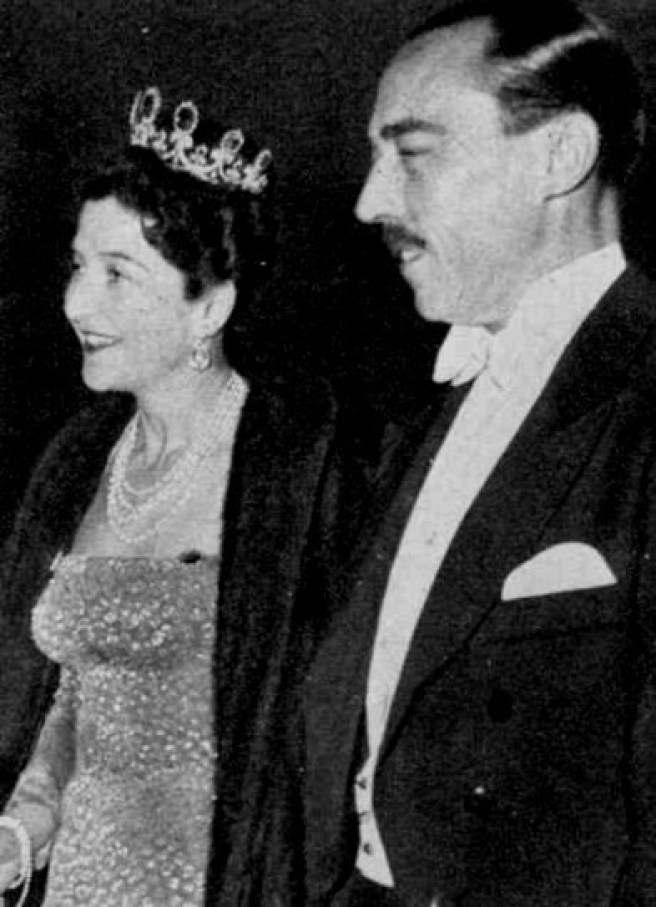
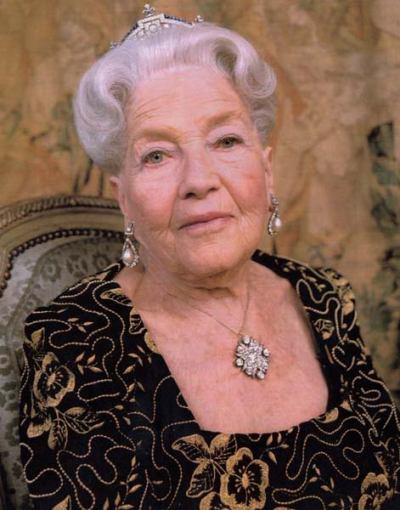
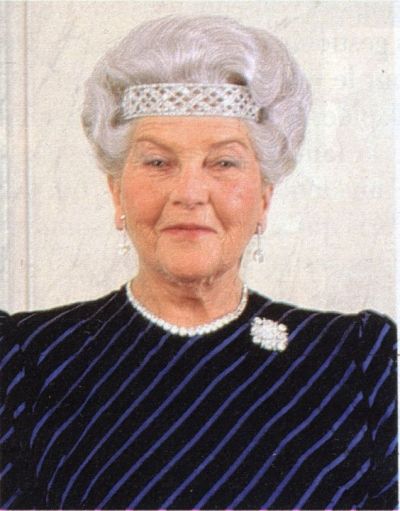
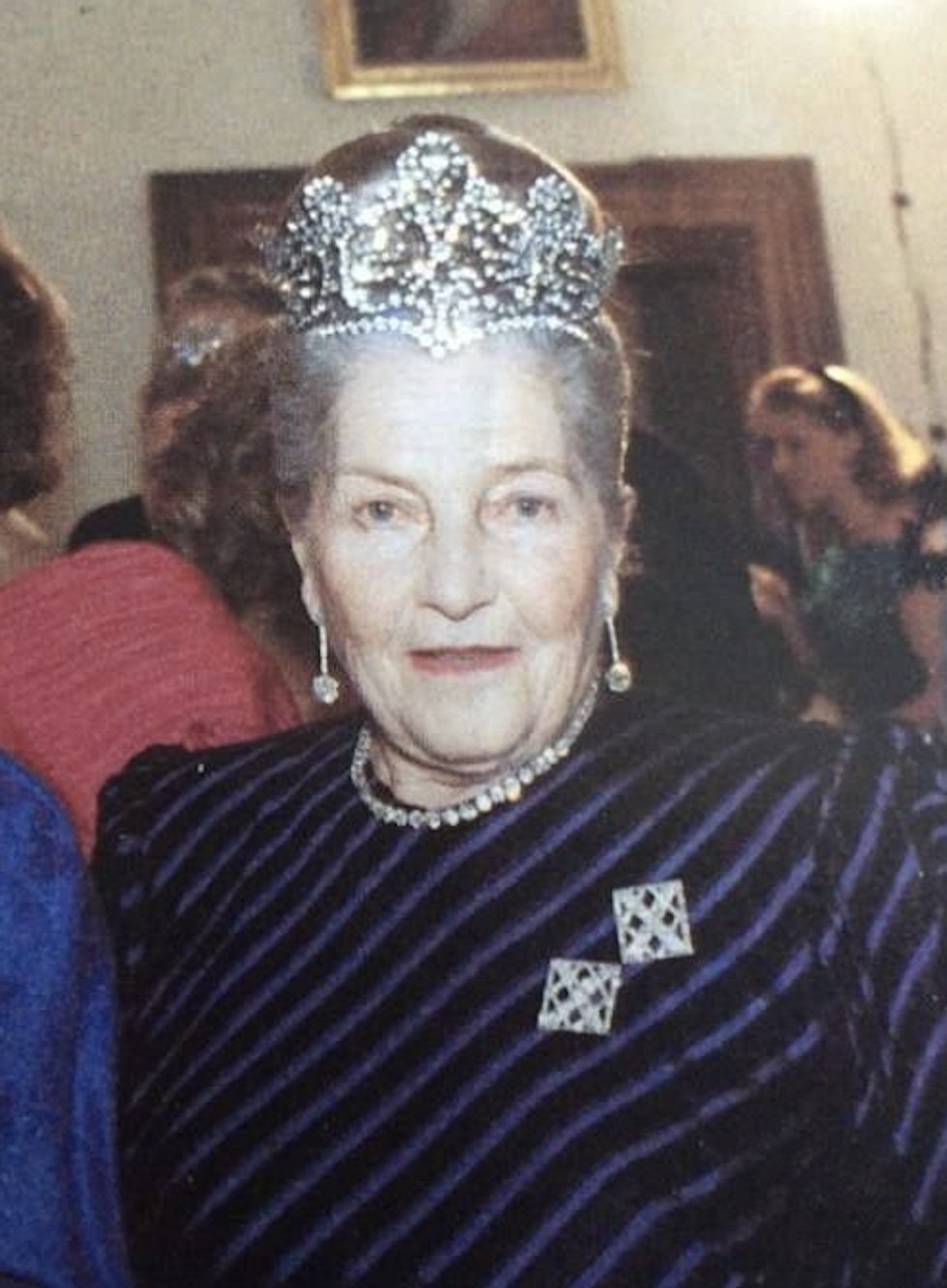
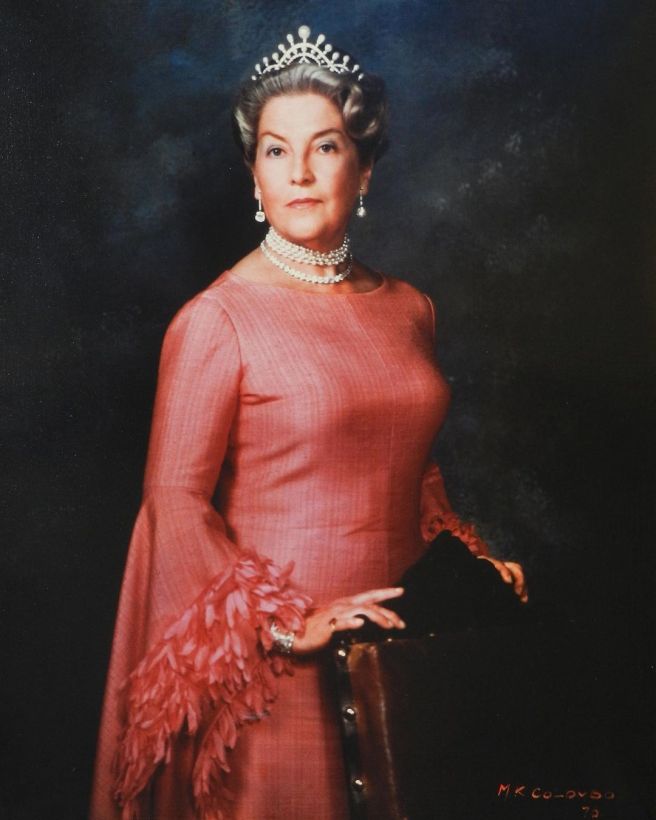
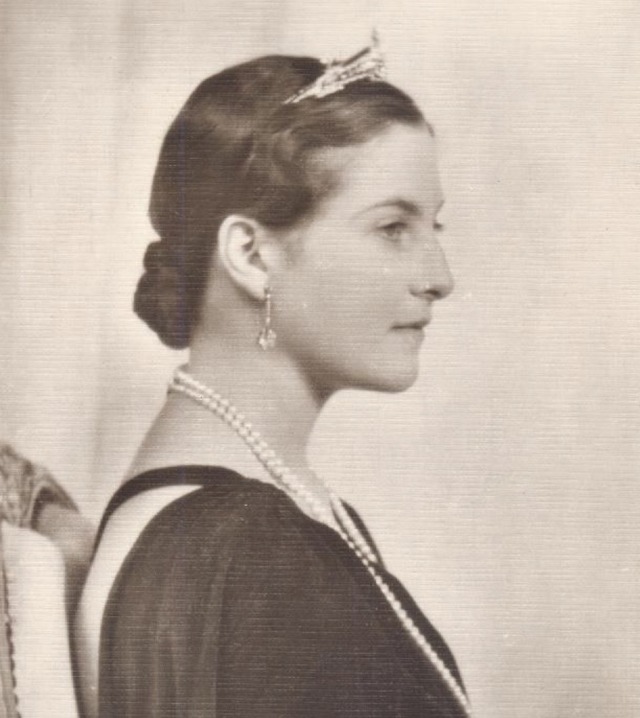
Empress Eugénie’s Pearl Tiara was acquired by the Princely House of Thurn und Taxis in 1890 and remained in their collection until being auctioned by Princess Gloria in 1992, when it was acquired by the Society of Friends of the Louvre.

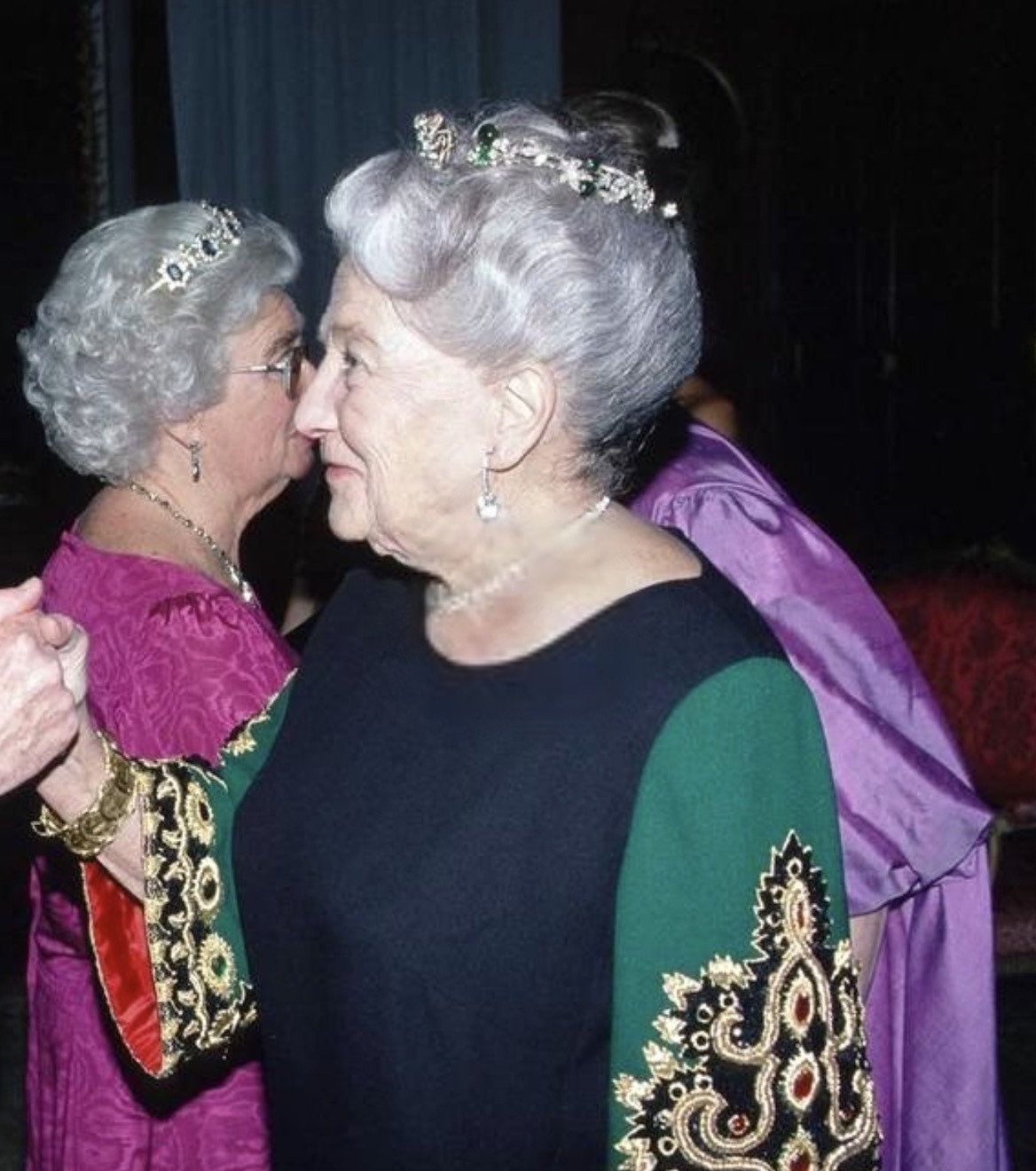
The magnificent Emerald Tiara of the Duchess of Angoulême was created by Bapst around 1820 and after being auctioned in 1887, it belonged to the Counts Andrassy and the Earls of Durham before being acquired by the Louvre in 2002.


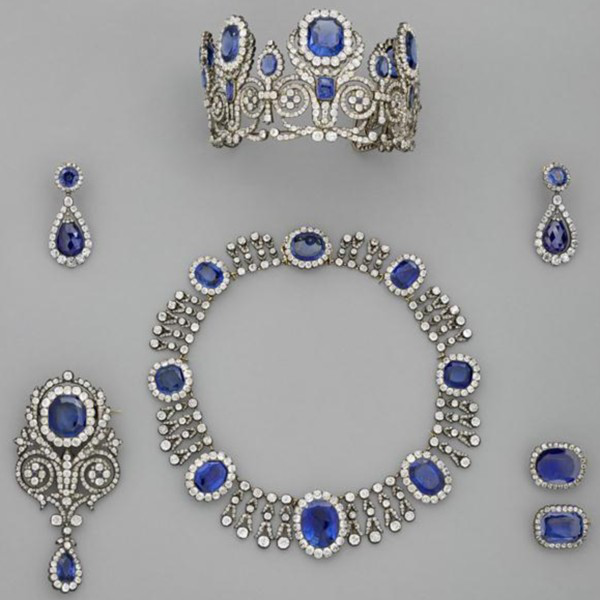
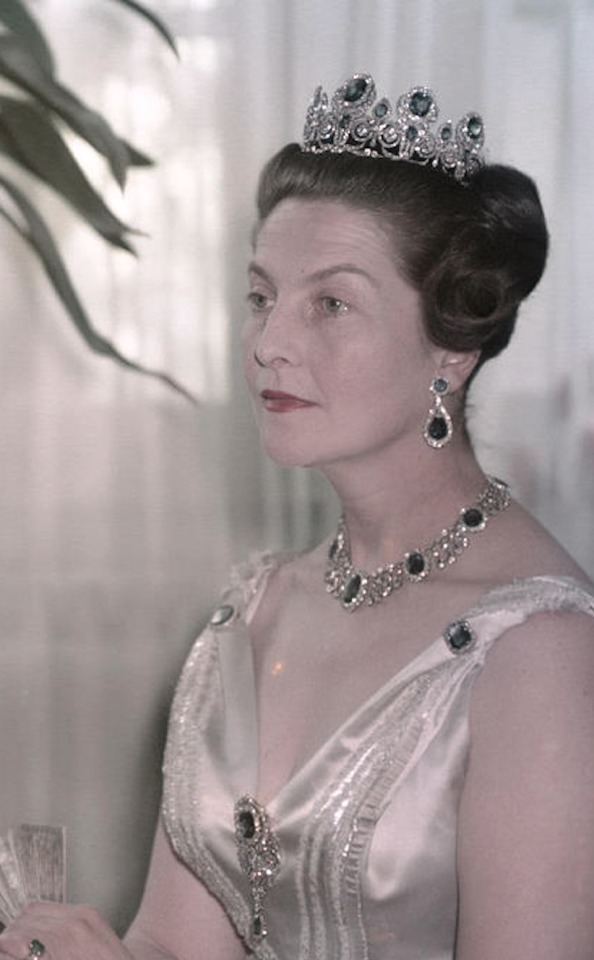
The Orléans Sapphire Parure was the splendid Napoleonic Heirloom of the House of Orléans for over 150 years, which was sold by the Count of Paris to the Louvre in 1985.

Empress Marie-Louise’s Emerald Parure was a gift from Napoleon in 1810 which was passed down the Tuscan Branch of the House of Habsburg until 1953. While Van Cleef and Arpels removed the emeralds from the Tiara, that is now on display at the Smithsonian, the Parure was acquired by Baroness Elie de Rothschild and entered the Louvre in 2004.


The Ruby and Diamond Bracelets from the magnificent Ruby and Diamond Parure created for the Duchess of Angoulême by Bapst around 1828, which were at some point in the collection of Cornelia, Countess of Craven before being acquired by the Louvre in 1973. The Belt Buckle was acquired by the Count of Polignac and purchased by the Louvre in 2019.
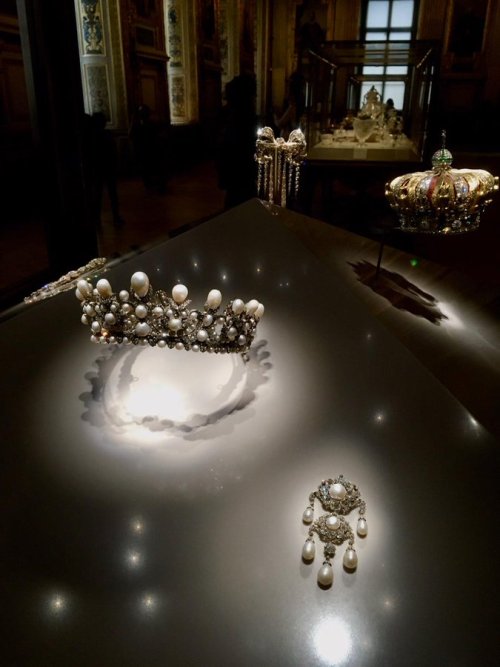

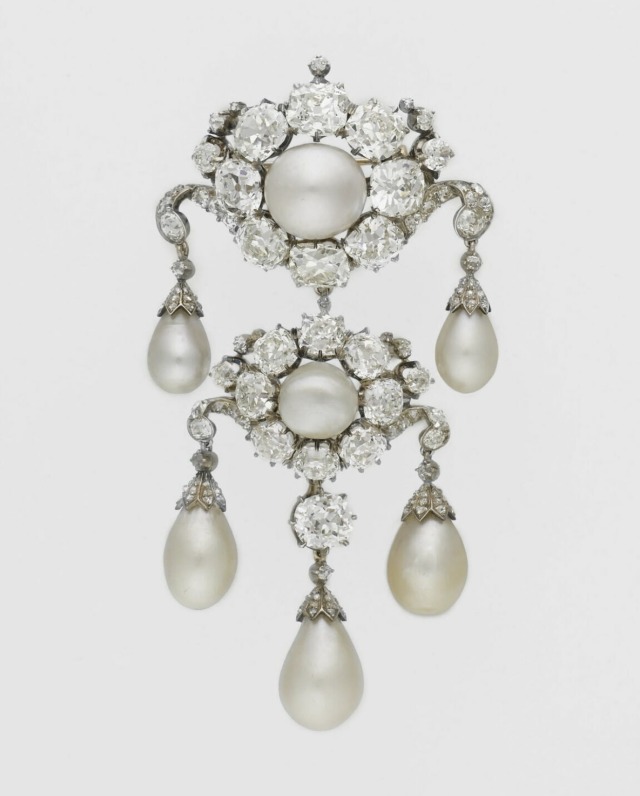
The magnificent French Crown Pearl Brooch belonged for almost a century to the Bulgarian branch of the House of Württemberg, until being acquired by the Louvre in 2015.
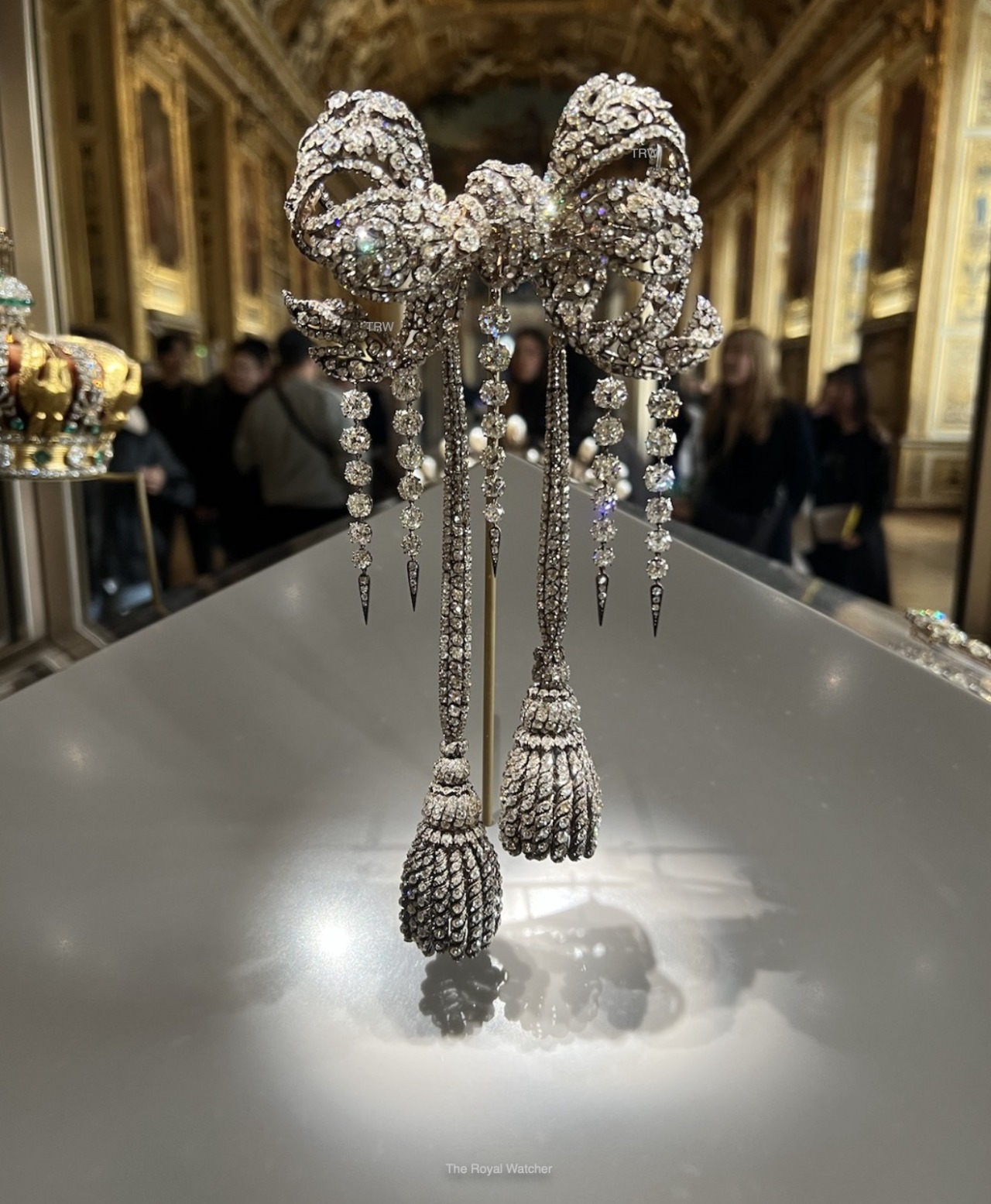

Empress Eugénie’s Diamond Bow Brooch was acquired in 1887 on behalf of Caroline Astor and later belonged to Countesses Beauchamp until 1980, being acquired by the Société des Amis du Louvre in 2008.

The Crown of Empress Eugenie was created in 1855 and returned to her in exile in 1875, as personal property. Bequeathed to Princess Marie Clotilde Bonaparte, Countess Serge de Witt, the Crown was acquired by the Louvre from her in 1988.

Empress Eugénie’s Diamond Reliquary Brooch was made by Alfred Bapst for Empress Eugénie in 1855, and was among the rare jewels attributed to the Louvre in 1887.

Empress Josephine’s Pearl Earrings were acquired separately by Napoleon Bonaparte during the Consulate and were inherited by the Dukes of Leuchtenberg and remained in their collection until 1934, later being given by Claude Menier to the Louvre in 1973.

Empress Marie-Louise’s Mosaic Parure was a gift from Napoleon in 1810, which was a gift of the Société des Amis du Louvre in 2001.

The Diamond Star of the Order of the Holy Spirit was a gift from Louis XV to a member of the Bourbon-Parma Family around 1740, remaining in the collection of the Bourbon-Parma Family and the Queen of Spain until being acquired by the Louvre around 1951.







Follow