



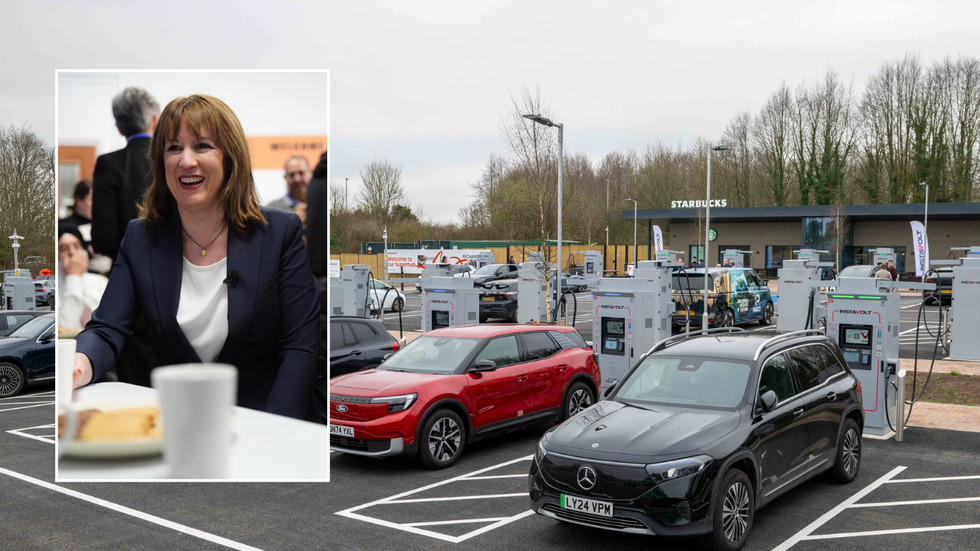
Drivers of electric vehicles have been warned they will face £438 higher costs than petrol and diesel car owners under Rachel Reeves’ upcoming pay-per-mile car taxes.
The warning follows new research that revealed the Government’s Electric Vehicle Excise Duty (eVED) scheme, which was announced at the Budget, will see EV drivers reliant on public charging points pay substantially more from April 2028.
Disparity emerges at higher mileages, with EV drivers covering 12,000 miles annually while using public charging infrastructure, facing serious cost hikes compared to efficient petrol vehicles.
This contrasts sharply with home-charging EV owners, who continue to save hundreds of pounds yearly despite the new levies.
The eVED system will impose charges of 3p per mile on battery electric vehicles and 1.5p per mile on plug-in hybrids, with rates increasing annually in line with inflation.
The Treasury explained that it designed the scheme to recoup revenue losses from declining fuel duty as electric vehicle adoption accelerates.
According to Electrifying.com’s modelling, a Volkswagen ID.3 driver using standard daytime home charging faces yearly running costs of £898, including both existing Vehicle Excise Duty and the new mileage levy. This compares favourably to £1,198 for a petrol Volkswagen Golf 1.5 TSI.
However, the calculations revealed that EV drivers exclusively using public charge points encounter annual costs of £1,490, creating a significant deficit against petrol alternatives once the per-mile charges apply.
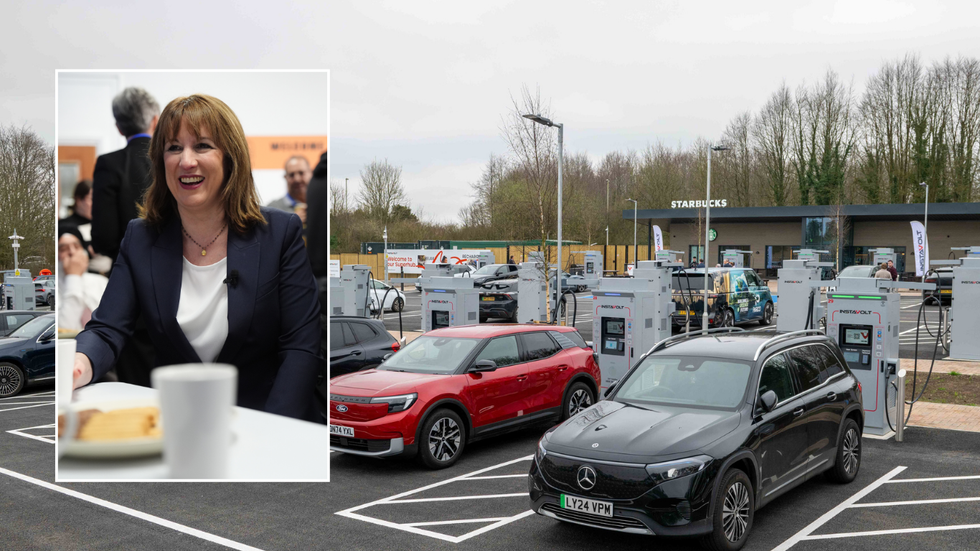
The financial advantage for home-charging EV owners becomes even more pronounced with access to overnight electricity tariffs.
Drivers utilising off-peak rates see annual running costs plummet to £558, which is less than half the cost of operating a petrol vehicle.
The analysis established that electric vehicles don’t offer financial benefits when public charging costs exceed approximately 42.5p per kilowatt hour. At typical public charging rates of 60p per kWh, the economics shift decisively in favour of conventional petrol cars, potentially leaving them £438 worse off than an equivalent petrol driver with similar costs.
However, plug-in hybrids fare poorly under the new system unless they are consistently charged and operated in electric mode.
LATEST DEVELOPMENTS
- Major car brand slashes price of flagship electric vehicle by £8,750 in snub to Labour’s EV grant
- British diesel car owners could see fuel prices soar as Donald Trump threatens war against Venezuela
- Tesla demand plummets as drivers avoid Elon Musk’s ‘uninspiring’ brand and turn to Chinese cars instead
When driven without regular charging, PHEVs become marginally more expensive than petrol vehicles, while highly efficient mild-hybrid models like the Nissan Qashqai further erode any cost advantages for publicly charged electric vehicles.
Ginny Buckley, Chief Executive of Electrifying.com, warned that the charging disparity threatens the transition to electric vehicles.
“The drivers at risk are those who rely on public chargers – estimated to be one in four licence holders – who now face paying more per mile than a fuel-efficient petrol car,” she said.
Ms Buckley called for urgent policy interventions, arguing that “the home-charging grant needs to come back: installs can top £1,000, and that upfront hit needs support”. She also highlighted the VAT inequality between home and public charging, demanding that this “unfair gap has to be fixed”.
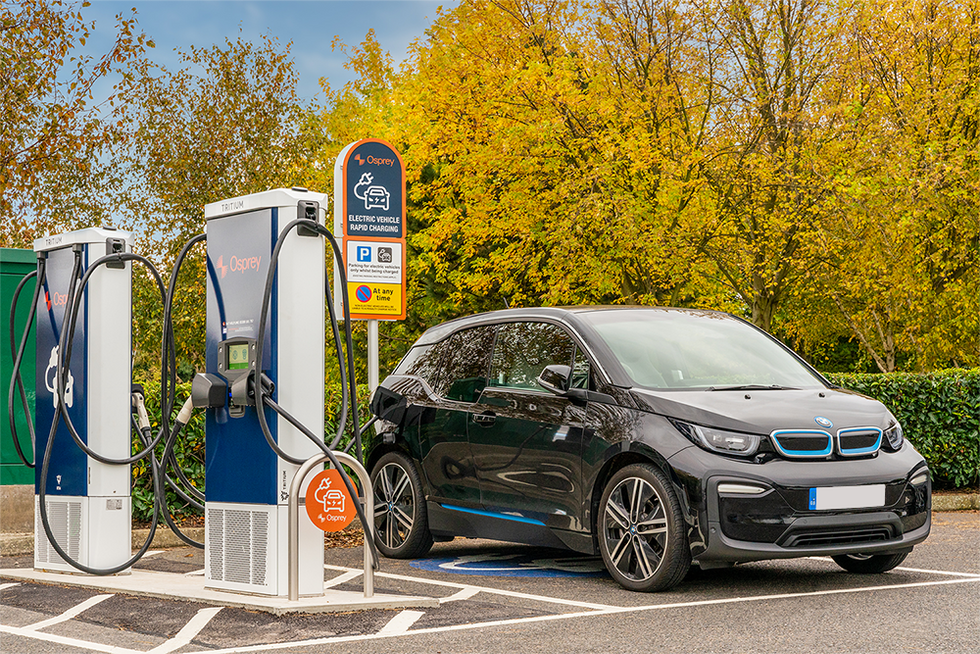
The analysis revealed concerning levels of awareness, with only 55 per cent of surveyed drivers knowing about cheaper EV energy tariffs.
Department for Transport research from August indicated that nine per cent of battery electric vehicle drivers lack home charging access and depend entirely on public infrastructure.
Urban residents, private renters and those without off-street parking face particular disadvantages under the new system.
The Government study found that 28 per cent of privately renting BEV drivers cannot charge at home, compared to just six per cent of homeowners. Rural drivers enjoy better access, with 84 per cent having dedicated home chargers versus 74 per cent in urban areas.
Our Standards:
The GB News Editorial Charter



Follow