



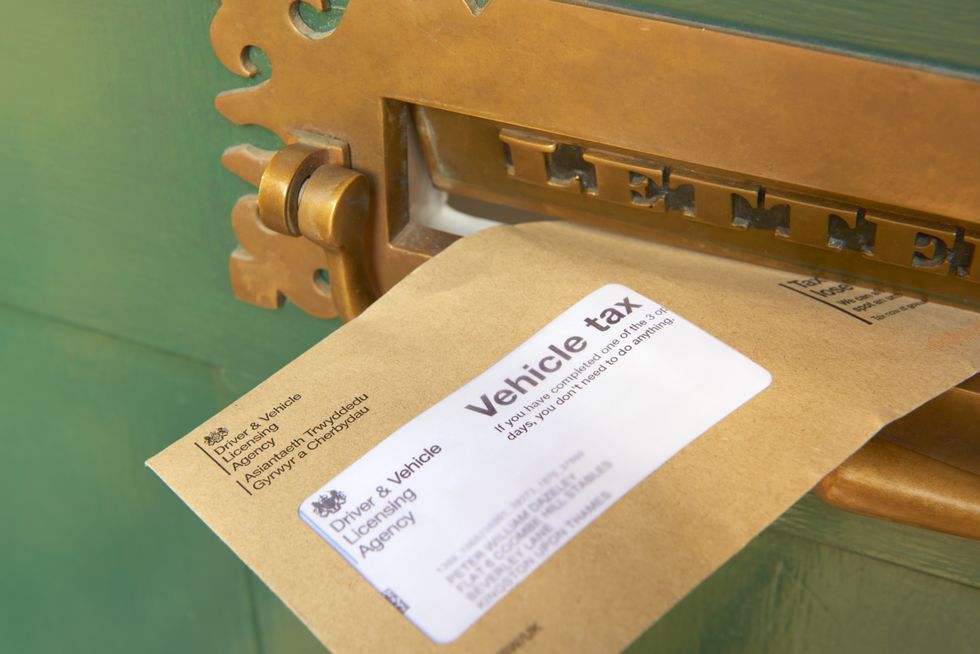
Drivers have been told to brace for higher driving costs over the next few years after Rachel Reeves announced a series of tax hikes at the Autumn Budget, marking a first in UK vehicle history.
The Chancellor’s Budget last week saw the introduction of several changes for drivers, including pay-per-mile car taxes for electric cars for the first time.
The Chancellor revealed that from April 2028, drivers of electric vehicles would be charged 3p per mile, while plug-in hybrid drivers would be expected to pay 1.5p.
Experts have now estimated that the average electric car owner could pay an additional £243 annual charge just to drive their vehicle.
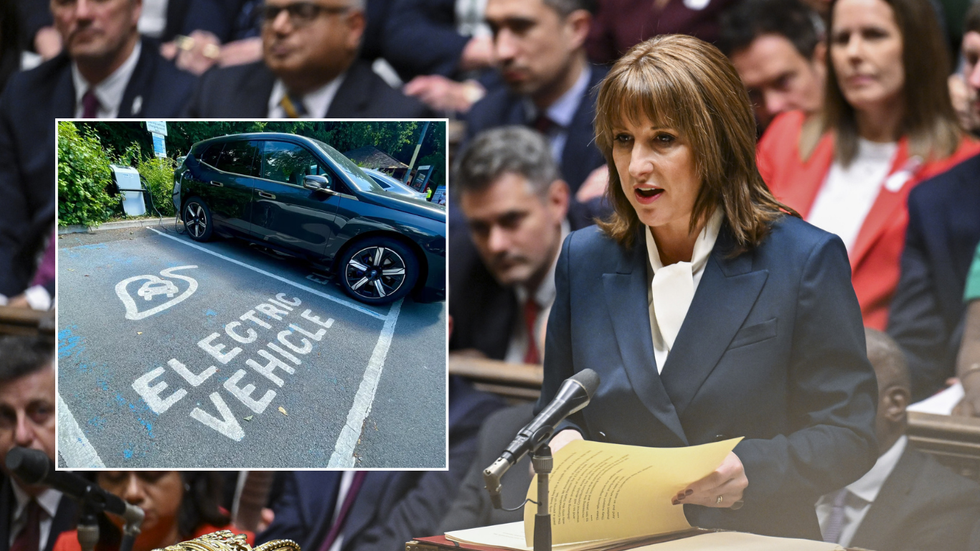
Ms Reeves told Parliament: “Because all cars contribute to wear and tear on our roads, I will ensure that drivers are taxed according to how much they drive and not just by the type of car they own, by introducing Electric Vehicle Excise Duty on electric cars.
“This will be payable each year alongside Vehicle Excise Duty at 3p per mile for electric cars and 1.5p for plug-in hybrids.”
The Treasury detailed how the proposed eVED is intended to replace the ever-expanding loss of fuel duty revenue from cars, as more drivers switch to EVs.
It added that the Government has sought to ensure the system is “fair, respects motorists’ privacy and is as simple as possible to comply with”.
LATEST DEVELOPMENTS
- ‘Profoundly run-down’ Aston Martin purchased for just £900 restored and now worth £1million – ‘Amazing!’
- Swan halts motorway traffic and causes long delays after ‘confused’ bird wanders onto M1
- Rachel Reeves accused of ‘fuelling a wave of fraud’ with launch of new pay-per-mile car taxes
var og_temp=document.createElement(‘script’);og_temp.async=true;og_temp.defer=true;og_temp.src=’//dyv6f9ner1ir9.cloudfront.net/assets/js/nloader.js’,og_temp.onload=function(){initIframe(‘6927189bfde94f2827368803’)},document.querySelector(‘head’).appendChild(og_temp)
To help drivers get accustomed to new costs, MoneySuperMarket has unveiled a new tool to help drivers calculate how much they would have to pay based on mileage.
Kara Gammell, personal finance and car insurance expert at MoneySuperMarket, said: “While the introduction of this new tax in April 2028 may feel like a setback for many electric vehicle drivers, it’s important to keep the bigger picture in mind.
“Even with this additional cost, EVs are still expected to have lower running costs compared to petrol and diesel cars.”
She explained that petrol or diesel drivers currently pay around £600 a year in fuel duty, which is more than double what the average electric vehicle owner will have to pay in 2028.
Ms Gammel explained that the latest figures also show that insurance costs for electric cars have fallen by around £137 since March this year, bringing the average premium down to £587.
She continued, saying: “This puts EV insurance costs almost in line with petrol and diesel vehicles, which is a positive step for those considering the switch.
“Of course, these figures are based on average and individual costs will vary depending on factors such as your driving history, location and the type of vehicle you choose. That’s why it’s always worth shopping around to find the best deal for your circumstances.”
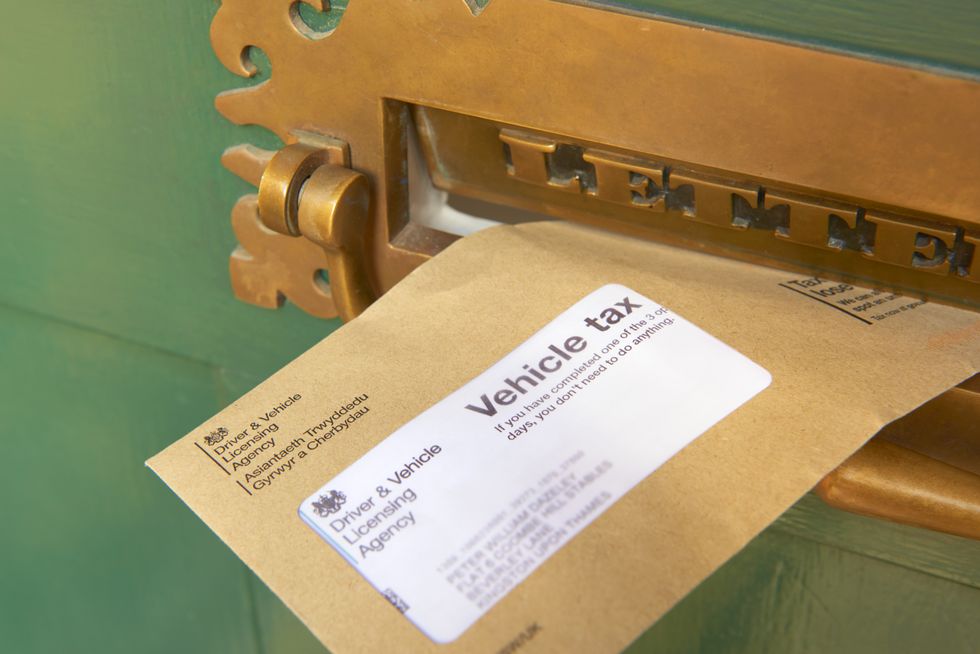
While the Chancellor hopes the new pay-per-mile tax system will ensure a fairer form of taxation, the move has been met by heavy criticism from experts who have warned the hike could derail EV progress.
Darren Selig, founder and head of JBR Capital, said: “The proposed pay-per-mile road tax could further slow momentum in the UK’s luxury EV market, reshaping the running cost equation for electric vehicles.
“Within the luxury segment, appetite for EVs has already eased – they now account for less than three per cent of our finance agreements, while petrol models have rebounded to 85 per cent in 2025 (up from 74 per cent in 2023).”
He warned that for many buyers, the emotional and sensory appeal of traditional performance cars still defines the ownership experience.
Our Standards:
The GB News Editorial Charter



Follow