



Next week, the magnificent Boucheron Ruby and Diamond Necklace acquired by Gilded Age Socialite Marie-Louise Mackay in 1888 which later belonged to the celebrated Countess Mona von Bismarck is going on Auction at Sotheby’s in New York City!
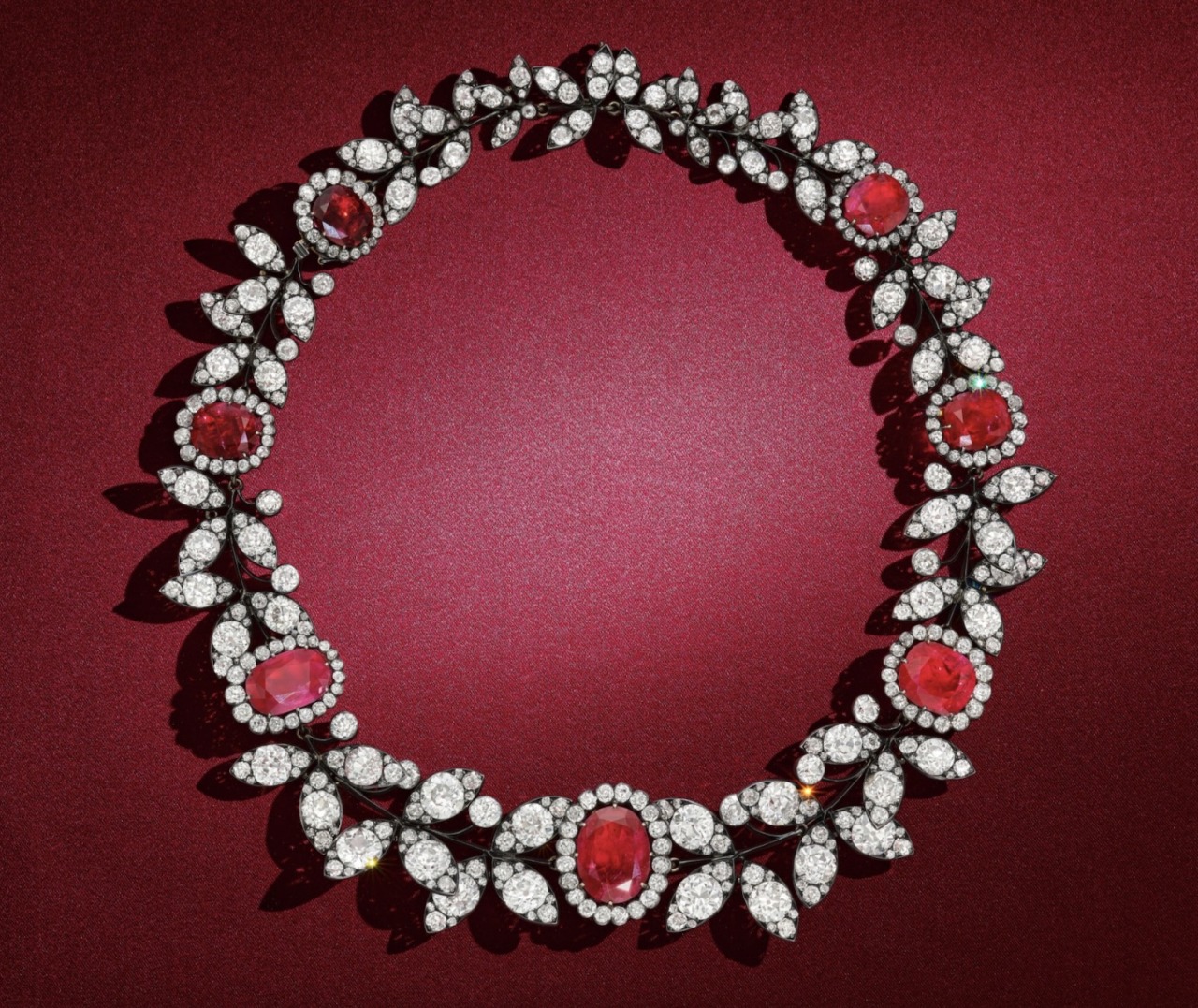
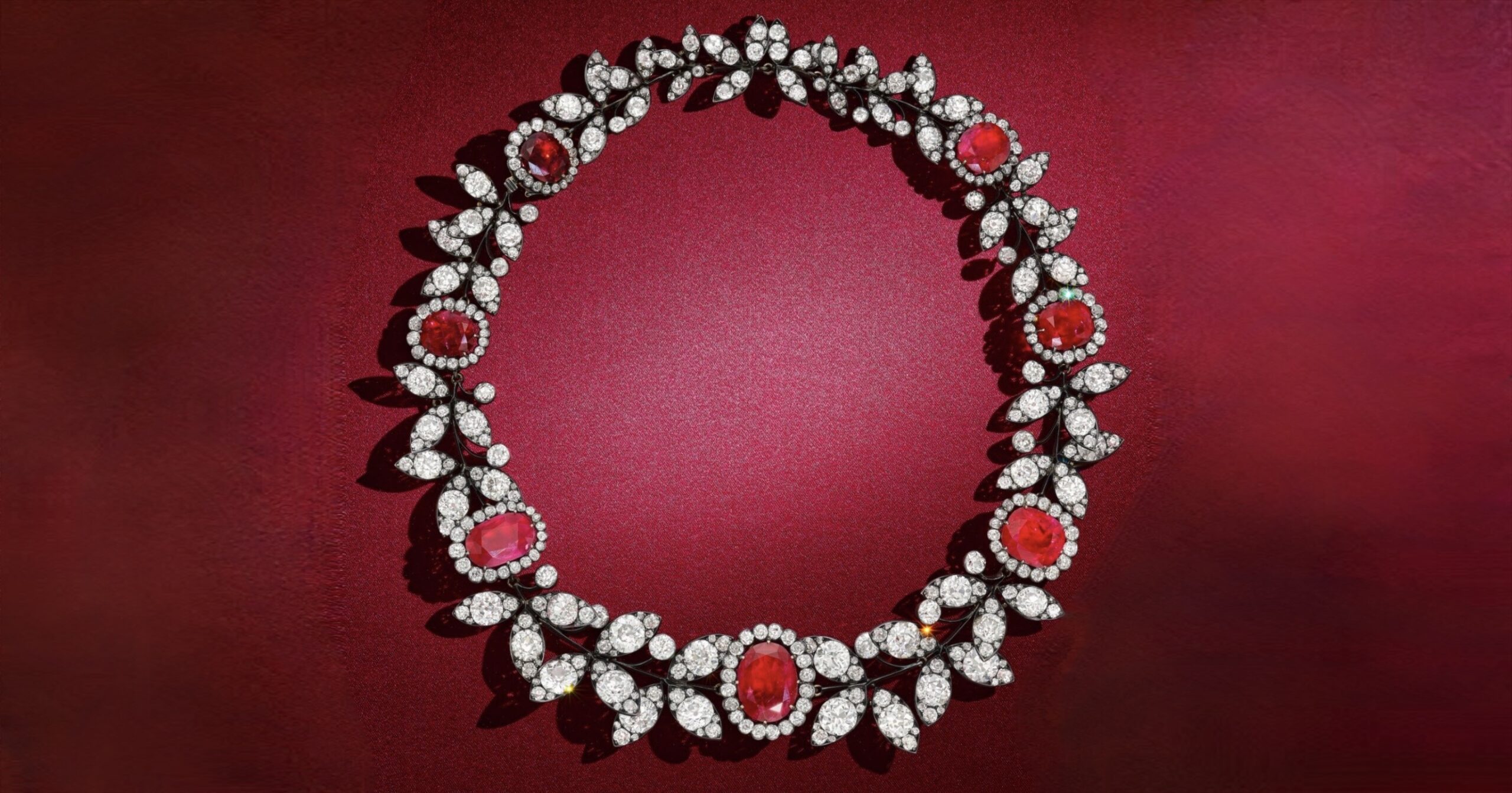
The Boucheron Ruby and Diamond Necklace is designed as a laurel wreath featuring seven cushion-cut rubies, the leaves set with old mine- and old European-cut diamonds, accented by single-cut diamonds, the branches composed of knife-edge linking, unsigned; circa 1888. with monogrammed box.
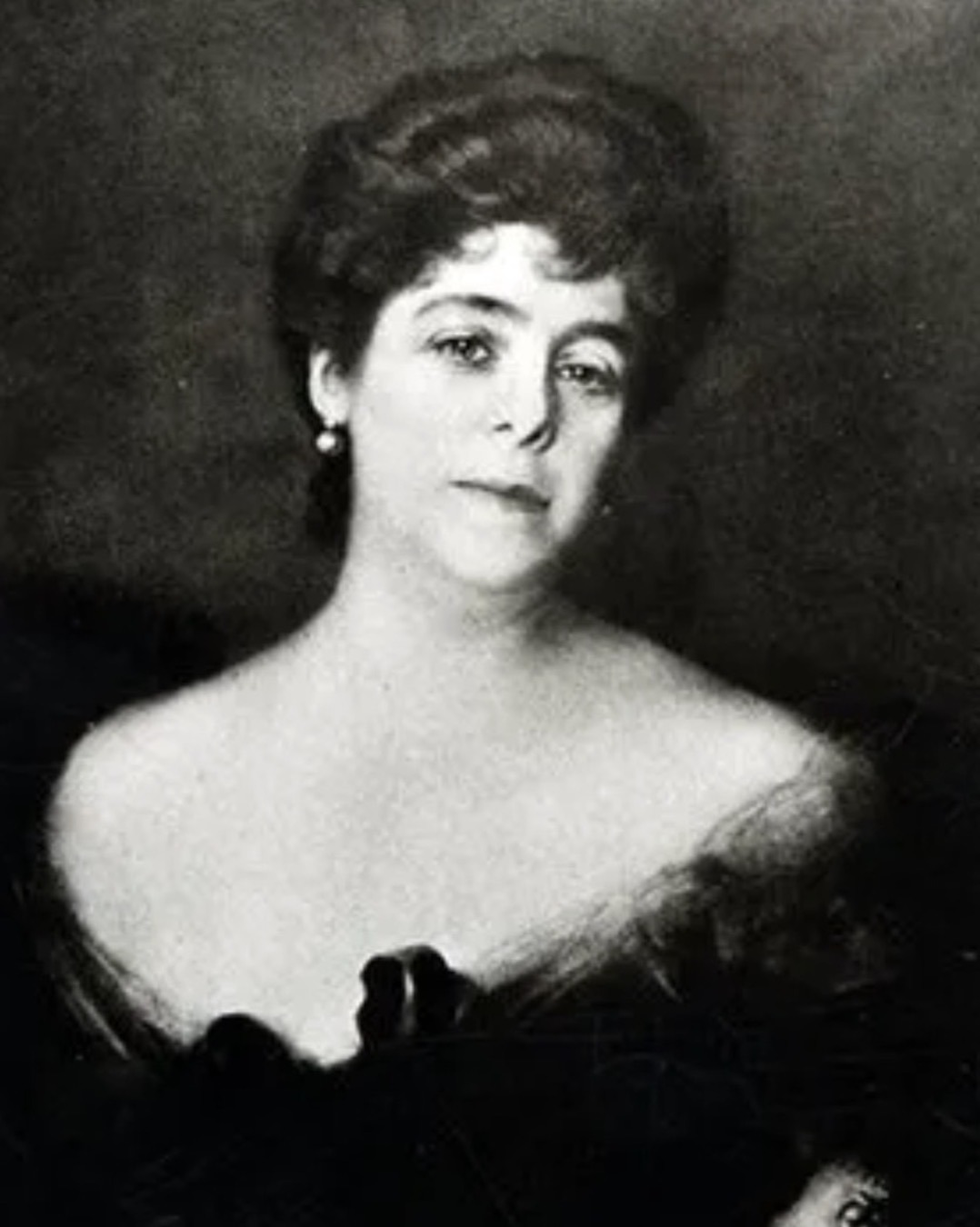
The Necklace was acquired by Gilded Age American Socialite Marie-Louise Mackay from Boucheron in 1888, who was a popular figure in Paris society having risen from humble origins.
One hundred and fifty years ago, « Madame Mackay »was one of the queens of Paris, a Proust character born in Brooklyn! All of elegant society came to her hôtel particulier on number 9 of the rue de Tilsitt, now the Belgian Embassy. The small garden at the back of the mansion opens directly onto the place de l’Etoile and the Arc de Triomphe built in 1806 on the order of emperor Napoléon to celebrate his victory at Austerlitz. No other location could have been more prestigious. Even Queen Isabella II of Spain, exiled in Paris, came to the Mackay residence. Marie-Louise Mackay spoke both French and Spanish and her majesty was fascinated by her chatter and vivid tales of her life as a miner’s wife in the American West. Covered in jewels, including the sumptuous ruby and diamond necklace that will be offered by Sotheby’s New York on December the 8th, Madame Mackay, as she was known in Paris, received the great and the good of this world. Money flowed freely in her house. In 1873, her husband, John William Mackay, had discovered a very large silver mine, the “Big Bonanza,” a vein 15 meters wide and hundreds of meters long. When his wife expressed the desire to have the most beautiful dinner service of all time, he told her: « Of course, you shall have it » and he had five tons of silver delivered to Tiffany. The 1 500-piece gilded silver service was sent directly to Paris. John Mackay knew exactly the hardships his wife had to face before they became one of the richest couples in the world, and, as far as he was concerned, anything she wanted she would obtain.
During a three months holiday in France in 1872, Mrs Mackay had discovered Paris, and the French capital was everything she wanted and loved. A trip to New York had convinced her that she would never be accepted by the American high society ruled by the legendary Mrs Astor. In Paris, she was just a rich and exotic foreigner and being Catholic was definitely an asset in French high society. For 1 500 000 francs, John bought the hôtel particulier of the rue de Tilsitt. 500 000 more francs were spent on furniture and decoration. Apparently, the original oak panels of the principal drawing room and the dining room are still intact today. And of course, Marie-Louise bought as many dresses as she wanted at Worth on the rue de la Paix and jewelry at Boucheron who, at the time, was located in the Palais Royal. Her name appears 102 times in the Boucheron books between 1876 and 1902. And always for significant pieces of jewelry. On the 19th of July 1876 she spends 80,000 francs on a brooch and a pair of earrings set with diamonds and huge pear-shaped pearls. She comes back in 1877 to buy two necklaces, a tiara and a brooch all set with diamonds for 93 500 francs. The same year, she purchases a large diamond rivière made of 38 big diamonds for which she pays 83 000 francs. And on the 14th of August 1877 she chooses an enormous oval sapphire of 159 carats set on a diamond necklace and a pair of earrings made of two oval sapphires surrounded by diamonds. The price was 132 000 francs for the necklace and 59 950 francs for the earrings. Within six months she spent more than 450 000 francs at Boucheron.
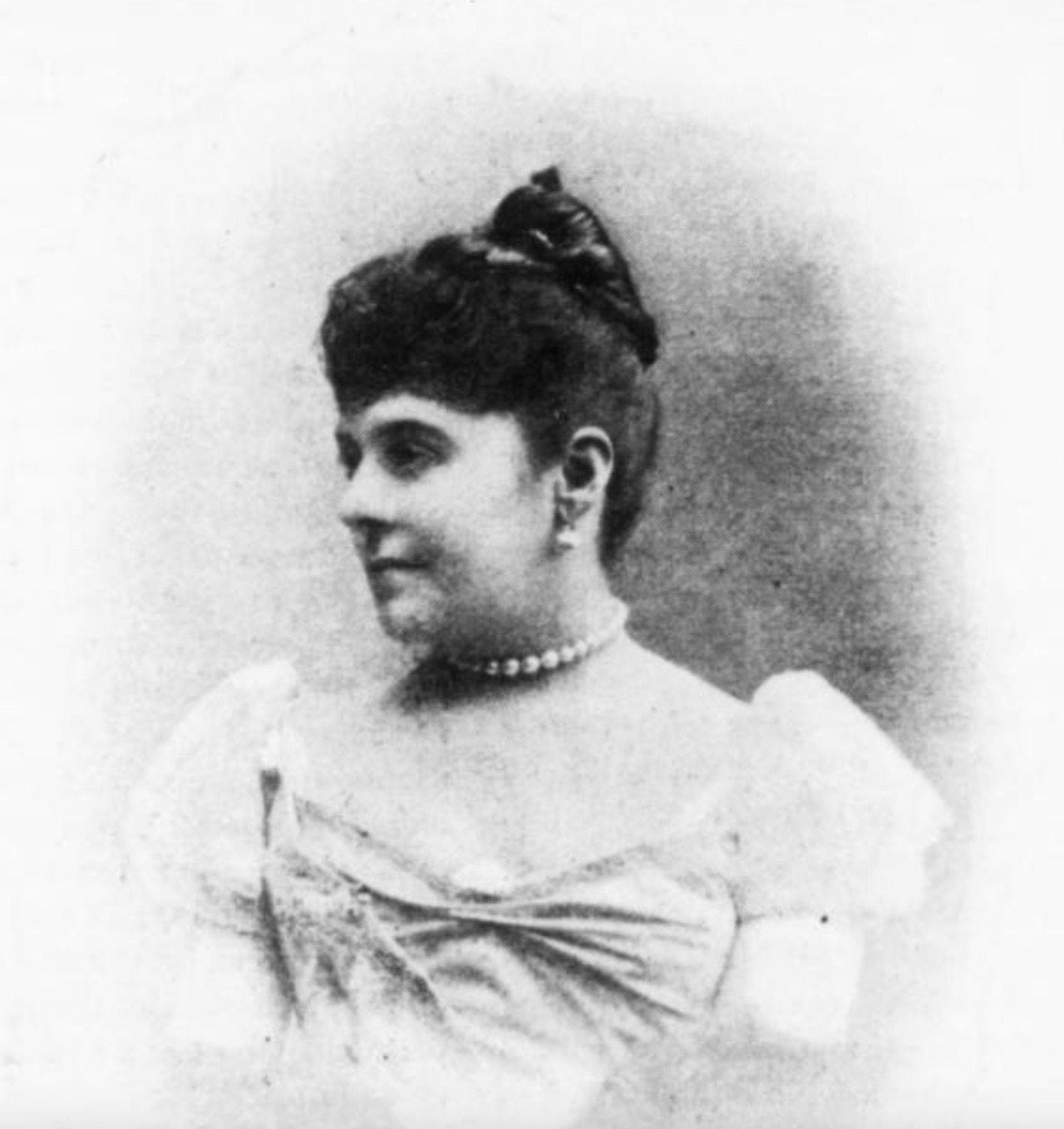
Of course, she loved precious stones but she also needed them for a very special reason. Through her father’s connections within the army or simply because her husband was so rich, Marie-Louise had managed to host a special dinner party and ball for ex-president Grant and his wife who were travelling all around the world. In May 1877, the Grants docked in Liverpool. A few days later, Queen Victoria gave a dinner for them at Windsor castle. For two years they would tour Europe, Greece, Egypt, India, Burma, China and Japan before returning to the United States in September 1879. On the 24th of October 1877, President and Mrs Grant arrived in Paris and on the 21st of November they were guest of honor at the dinner and ball given by Marie Louise Mackay in her hôtel particulier at rue de Tilsitt. J.F. Packard who wrote a book about the presidential tour, described the evening : « The garden was brilliantly illuminated and decorated with national flags and with emblems set by thousands of gas jets. The orchestra consisting of thirty-six musicians was stationed in a pavilion built out from the house in front of the rue de Tilsit. A dozen footmen, in liveries of crimson and gold, lined the entrance and stairway. The rooms were magnificent. Everything that money could supply and elegant taste select was there to add to the beauty and impressiveness of the scene. » (Lit. ref. 2) Twenty-four guests had been invited to diner which was served in the fabulous Tiffany & Co. dinner service. And then 300 guests arrived for the ball. Among them were the Marquis de Lafayette, the dukes of Rivoli, Bassano, Decazes and Rohan, all the officials of the American colony in Paris and many French ministers. This was a spectacular entrance into Parisian high life and it marked the beginning of Madame Mackay’s social ascension.
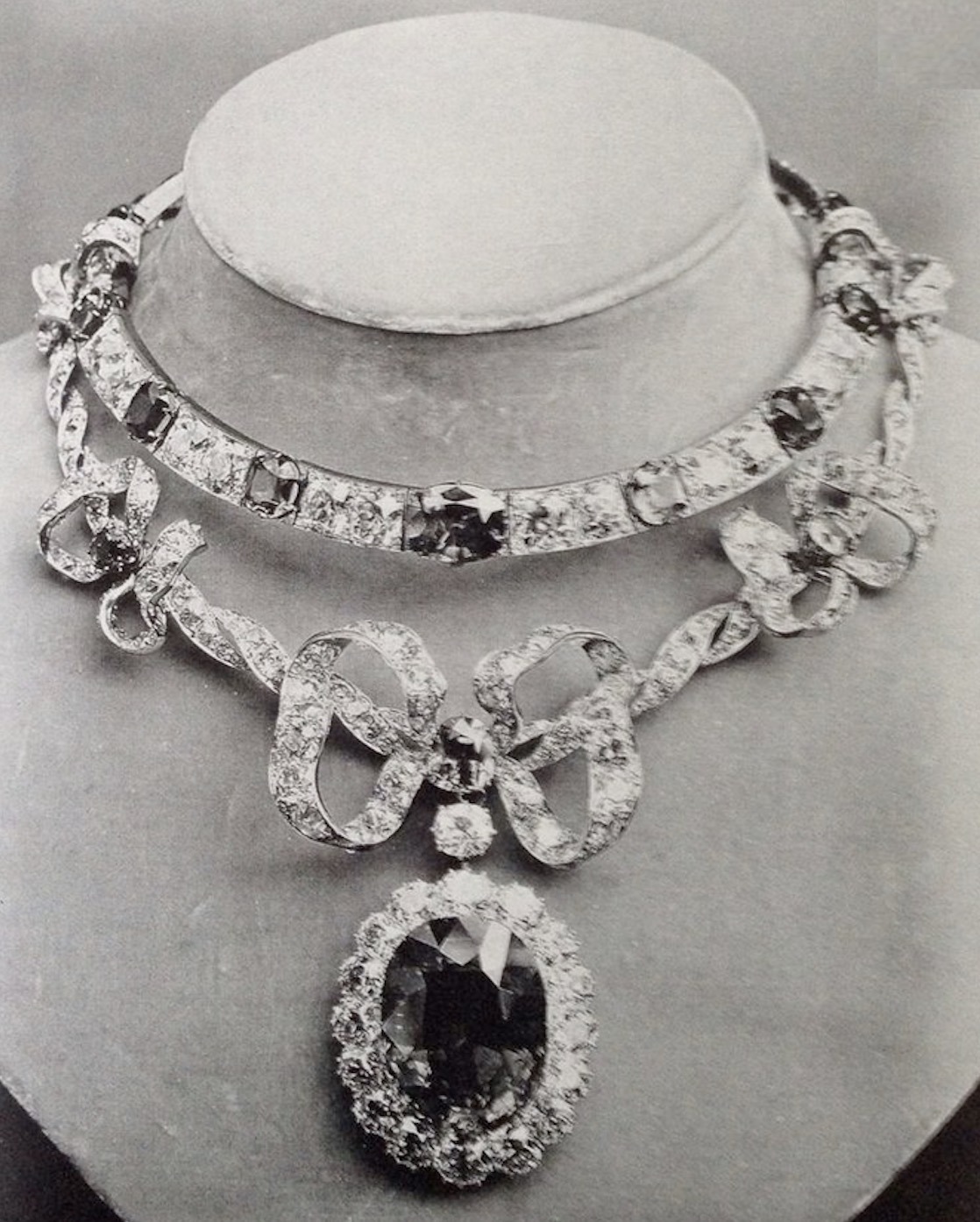
Wealthy Americans choosing to live in the French capital was already a tradition. There had always been a special political and cultural link between France and America since the War of Independence and Lafayette. King Louis XVI had always favored Americans at his court. Benjamin Franklin, Thomas Jefferson and James Monroe had been ambassadors in France. 50 years before Madame Mackay arrived rue de Tilsitt, the very rich colonel Thorn had rented the Hotel Matignon in Paris. He had lived there with his family until 1848 attending the most elegant parties. Four of his daughters had married into the French aristocracy. One of them, Jane, Baronne de Pierres, even appears in the famous painting by Winterhalter « Empress Eugénie and her ladies in waiting ». During the next twenty years American and French newspapers would write endless reports of Madame Mackay’s triumphs in Europe. Some of them who were particularly well informed even wrote about her shopping trips to Boucheron. In 1878 she bought 544 000 francs worth of jewelry. A spectacular « snake » bracelet set with 613 diamonds and a whole set of diamonds and sapphires for which she pays 430 000 francs. The enormous sapphires bought in 1877 could be attached as a pendant on the new necklace creating a parure which was worth more than 700 000 francs. Every year she purchased new pearls in order to create a very long sautoir. Those jewels were exactly what she needed for an official mission which Chester Arthur, the new American president, entrusted to John Mackay in 1883. The tsar of Russia, Alexander III, was about to be crowned in Moscow and John and Marie-Louise Mackay were chosen to be the official envoys of the American government to that ceremony. Marie-Louise could not have been more pleased. She ordered a private train carriage, as many court dresses she could buy, and the Bonanza king and queen left Paris for Russia in May 1883. Not only did she witness, from a very close position, the coronation in the Kremlin cathedral, but two nights before, at the official reception given by the tsar for members of the diplomatic corps, she danced with Alexander III. In the meantime, John was chatting with Tsarina Maria Feodorovna. The ruby and diamond necklace offered as lot 57 was bought at Boucheron five years later.
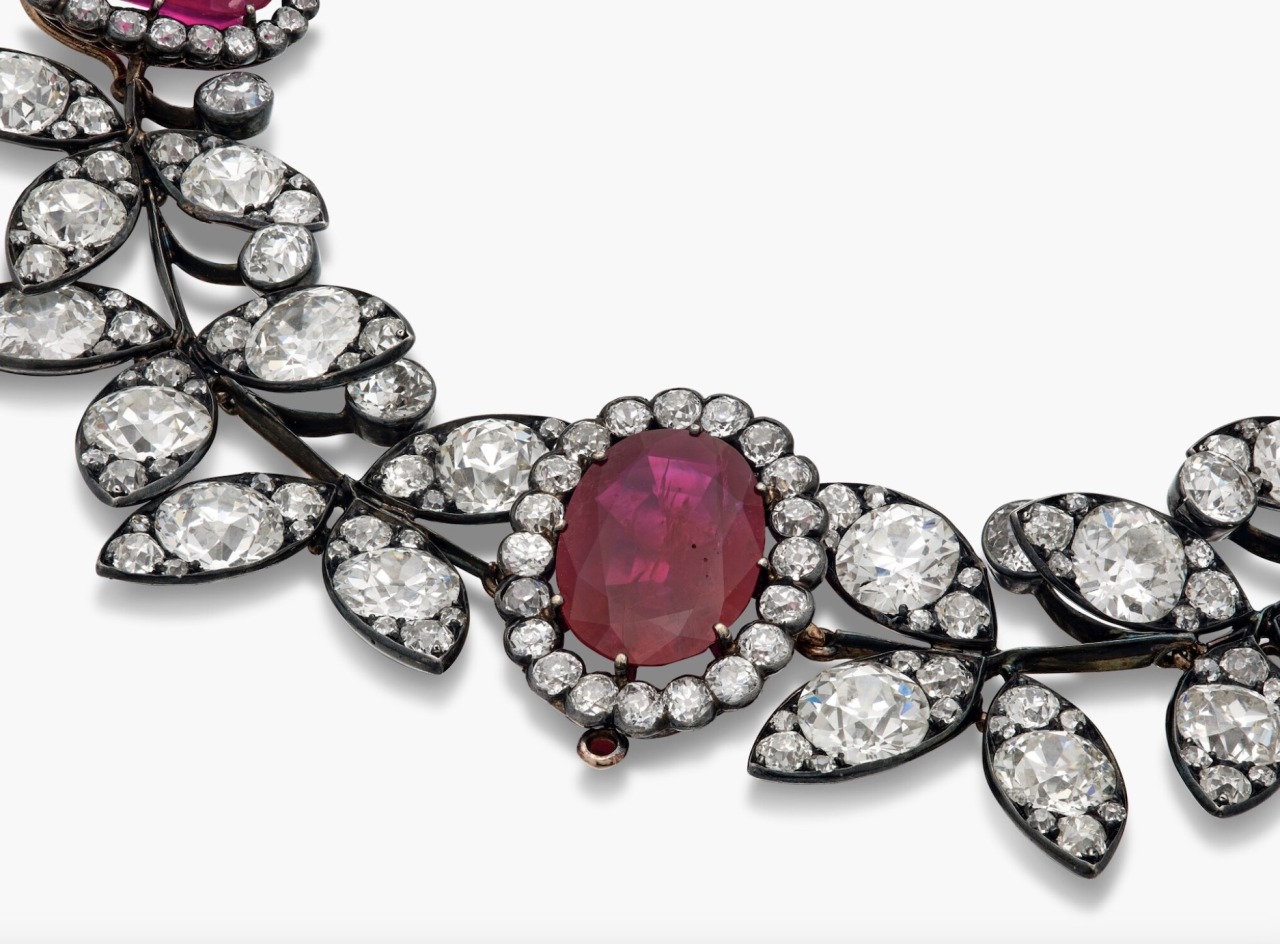
The necklace was, and still is, stunning. It marks an evolution of the style of Frederic Boucheron’s creations. In 1888 he is 58 years old and recognized as one of the great masters in jewelry. Nature has always been one of his favorite sources of inspiration. The Boucheron archives contain many designs and photographs of the brooches, tiaras, necklaces reproducing leaves of ivy, ferns, laurel… created by him between 1870 and 1900. The Mackay ruby and diamond necklace is made of 60 diamond laurel leaves set with eight cushion cut rubies. It is very flexible as jewelry should always be.
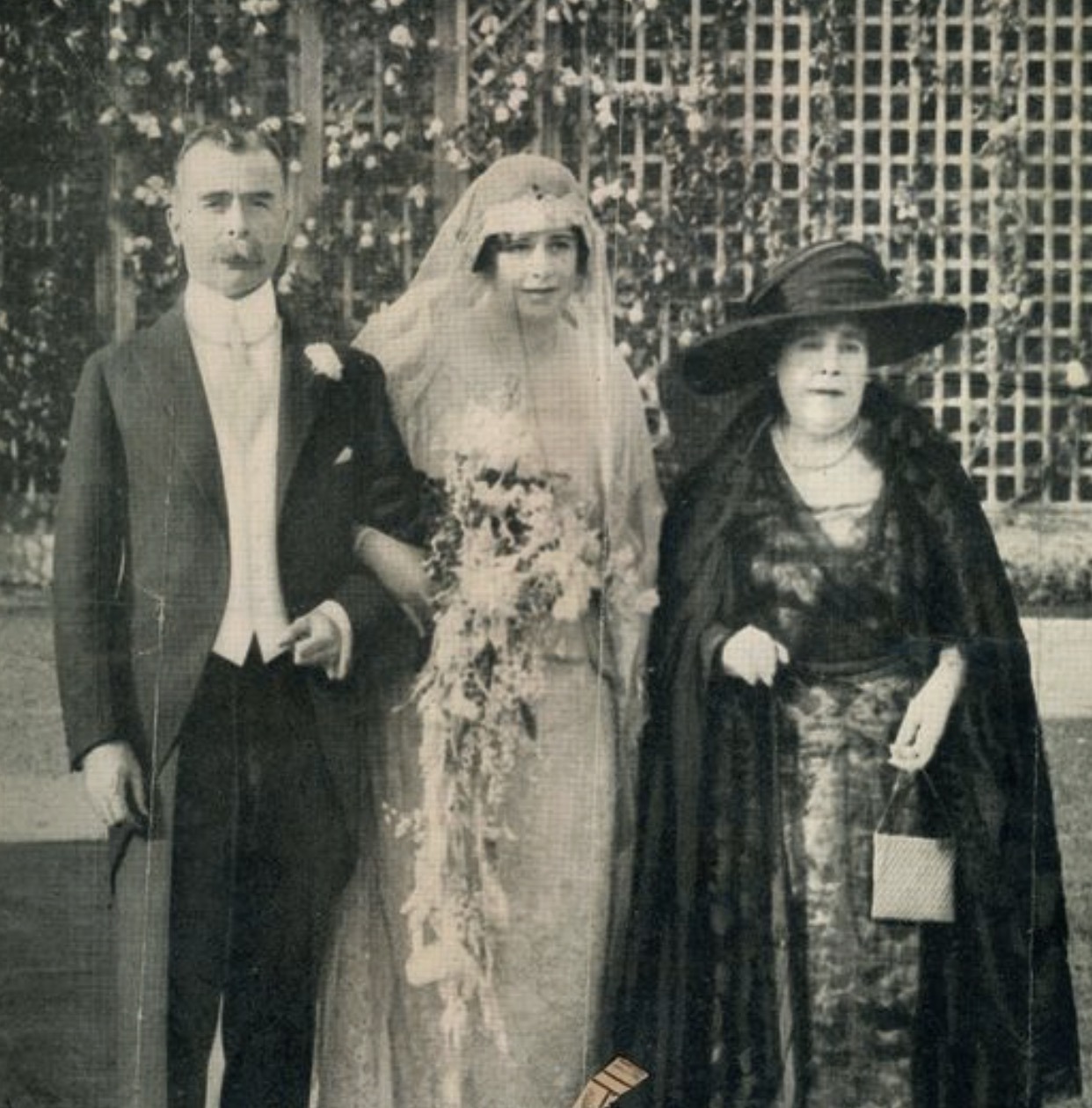
Unfortunately, the turn of the century and the Belle Époque were a much darker time for Marie-Louise Mackay. In 1895, John William, her older son, died in a horse-riding accident near Paris. He was twenty-five. At the same time, Eva’s marriage to an Italian prince was turning into a disaster. John, who never really recovered from the death of his older son, died in 1902 leaving an enormous fortune, but after he was gone, Marie-Louise never bought another piece of jewelry. Frederic Boucheron died the same year, and it might be another reason she stopped her jewelry shopping trips. Younger son Clarence, who was 28 years old, took over the family business in New York but his mother chose to remain in Europe. During World War I she spent huge amounts of money and a lot of her time to organize hospitals and ambulances for the wounded allied troops. Peace and the death of her beloved daughter Eva in 1919 marked the end of an era. Aged 76 and alone, Marie-Louise wanted to live closer to her only remaining child Clarence. She came back to the city of her birth where she led a much quieter life. The time of parties was over. She died in 1928 at Harbor Hill, her son’s residence in Roslyn. The surroundings were perfect for her as the house had been built to look like a French château.
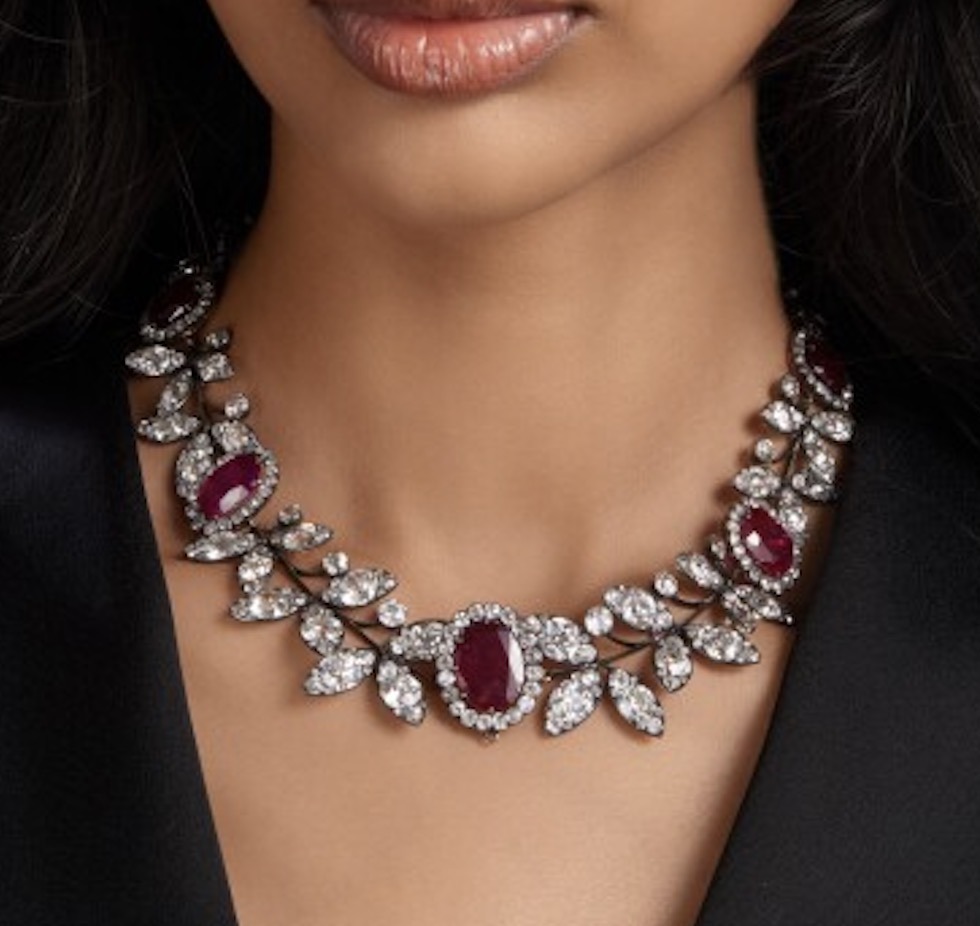
After Mrs Mackay’s death, her son lost most of his fortune and had to sell many assets which included most of his mother’s jewels, many of which were soon broken up.
She was spared the 1929 crash of Wall Street and the fact that Clarence Mackay lost a huge amount of his fortune in the crisis that followed. He had to sell quickly and quietly paintings, silver, furniture and of course some of his mother’s jewels. The Boucheron ruby and diamond necklace changed hands around that time. The miracle is that it survived. Most of the jewels from Mrs Mackay’s collection must have been destroyed as soon as they were sold. Antique jewelry was not something elegant ladies of the 1930s chose to wear or collect.
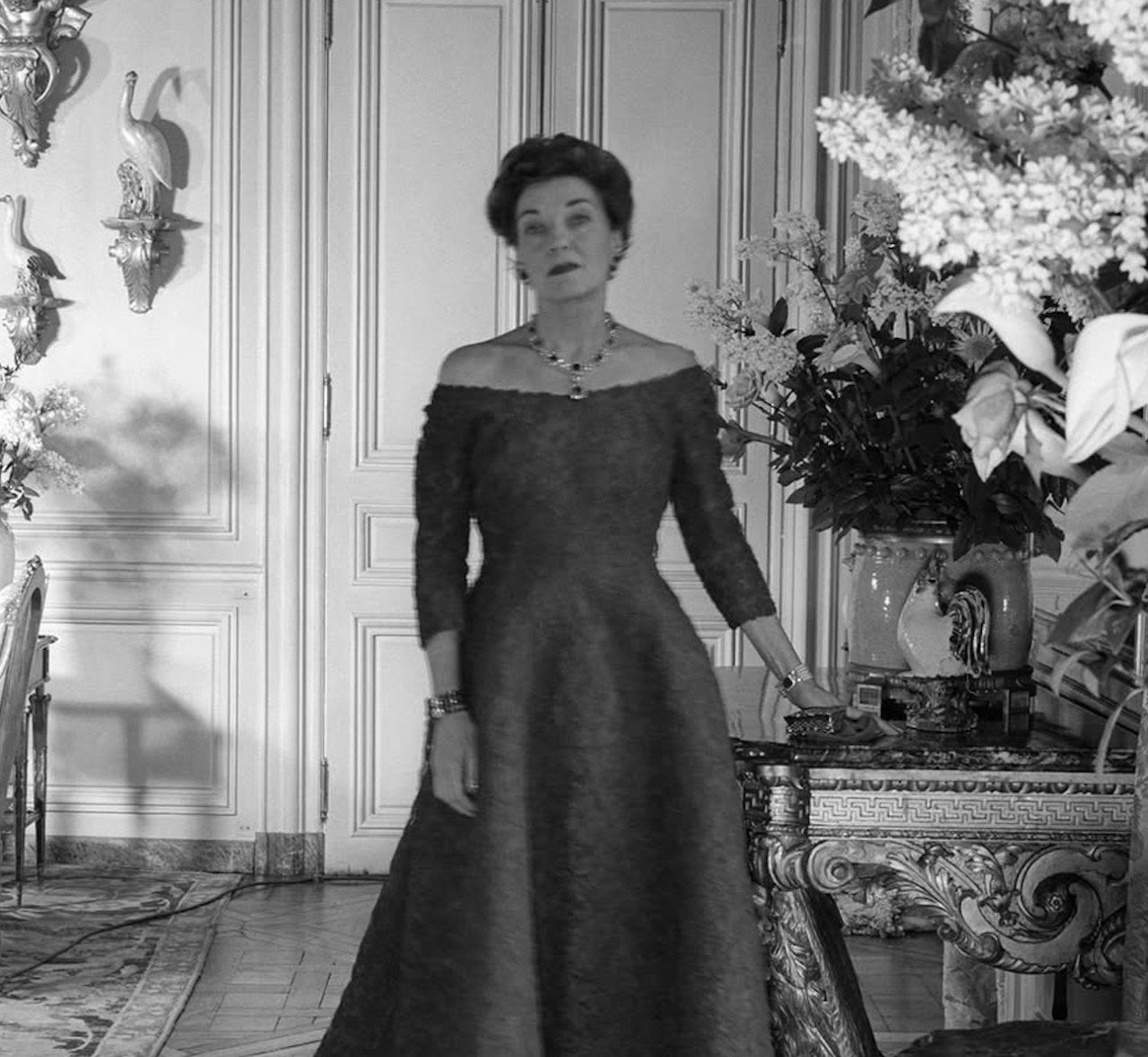
However, the Boucheron Ruby and Diamond Necklace was spared the fate of the other jewels and survived in the collection of the legendary beauty Countess Mona von Bismarck.
The Boucheron ruby and diamond necklace survived thanks to another woman of extreme good taste. That woman was Margaret Edmona Travis Trader (1897-1983). She was born in Louisville, Kentucky on the 5th of February 1897. Her extraordinary purple-blue eyes and outstanding beauty made her one of the most famous women of her time. In 1926 she had married Harrison Williams, rumored to be the richest man of America at the time. He certainly had the money to buy any piece of jewelry for his wife who was designated in 1933 as the best dressed woman in the world. He died in 1953 and Mona, as she was known, married two times more. In 1955 she became Countess von Bismarck and kept the name and the title even when she married for the fifth time in 1970, to an Italian man. After World War II she lived mostly in Europe, keeping beautiful homes in Paris and Capri. And with her the necklace came back to France. Elegance was the purpose of her life, and it is rumored that when Cristobal Balenciaga decided to close his couture house in 1968, she cried for three days. When she died in 1983, most of her fortune went to a foundation created by her to promote cultural relations between France and the United States.
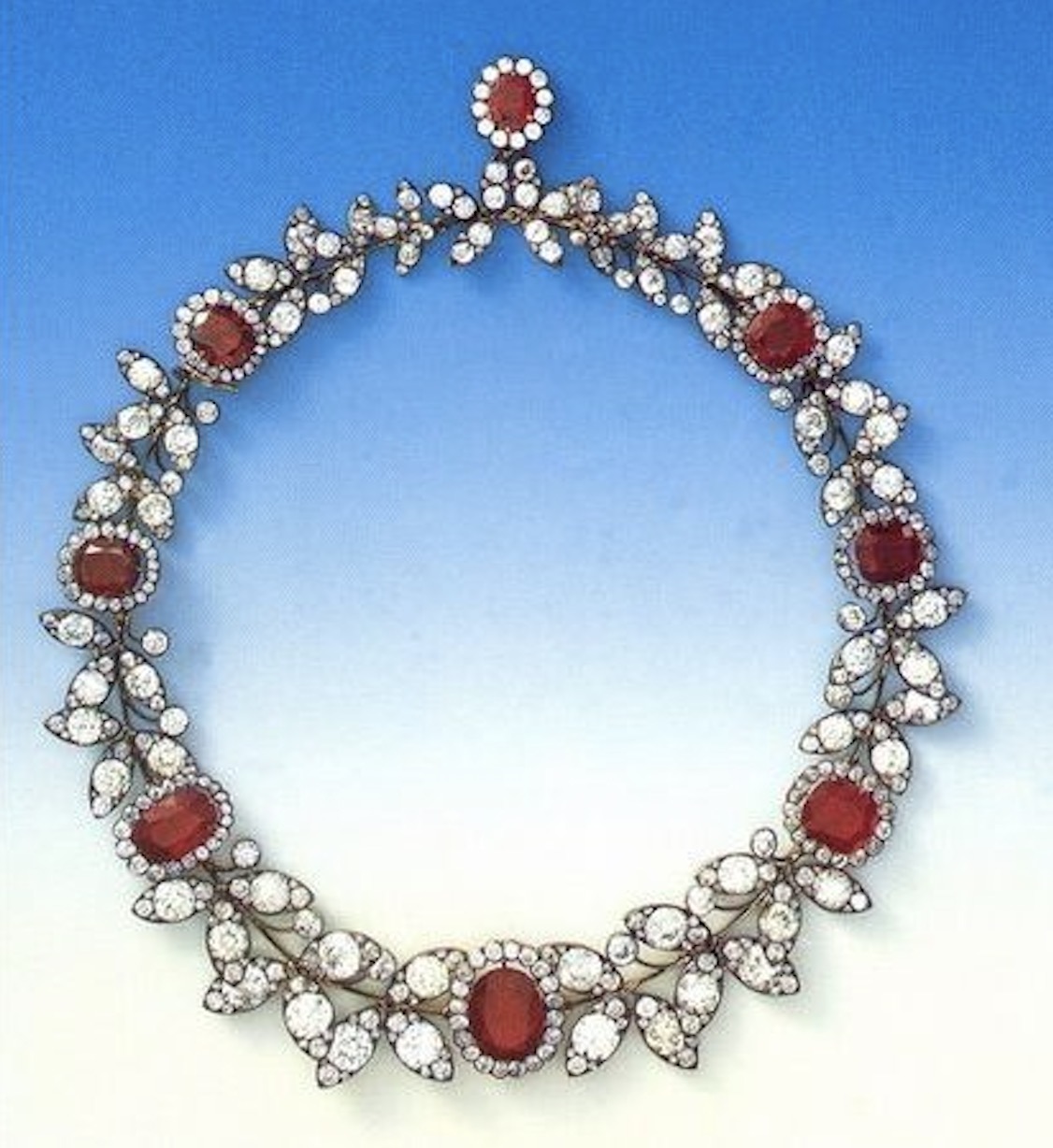
Countess Mona’s jewels were sold at Sotheby’s in Geneva after her passing but the attribution to Boucheron was not made until Vincent Meylan dug through the Boucheron Archives and discovered original photographs.
Her jewels were sold at Sotheby’s Geneva in 1986. At the time, the ruby and diamond necklace was not even attributed to Boucheron. It was simply described as « XIXth century ». And it is only 24 years later that the Boucheron archivist and myself, while researching my book « Boucheron, the secret archives » finally made the connection between an old black and white photograph dated 1888 and the 1986 Sotheby’s catalogue. It is one of the very few Boucheron naturalistic jewels which has survived until today. The only other piece which it might be compared to is the necklace/tiara of similar design but only set with diamonds which is the property of the H.R.H. the Crown Princess of Sweden.
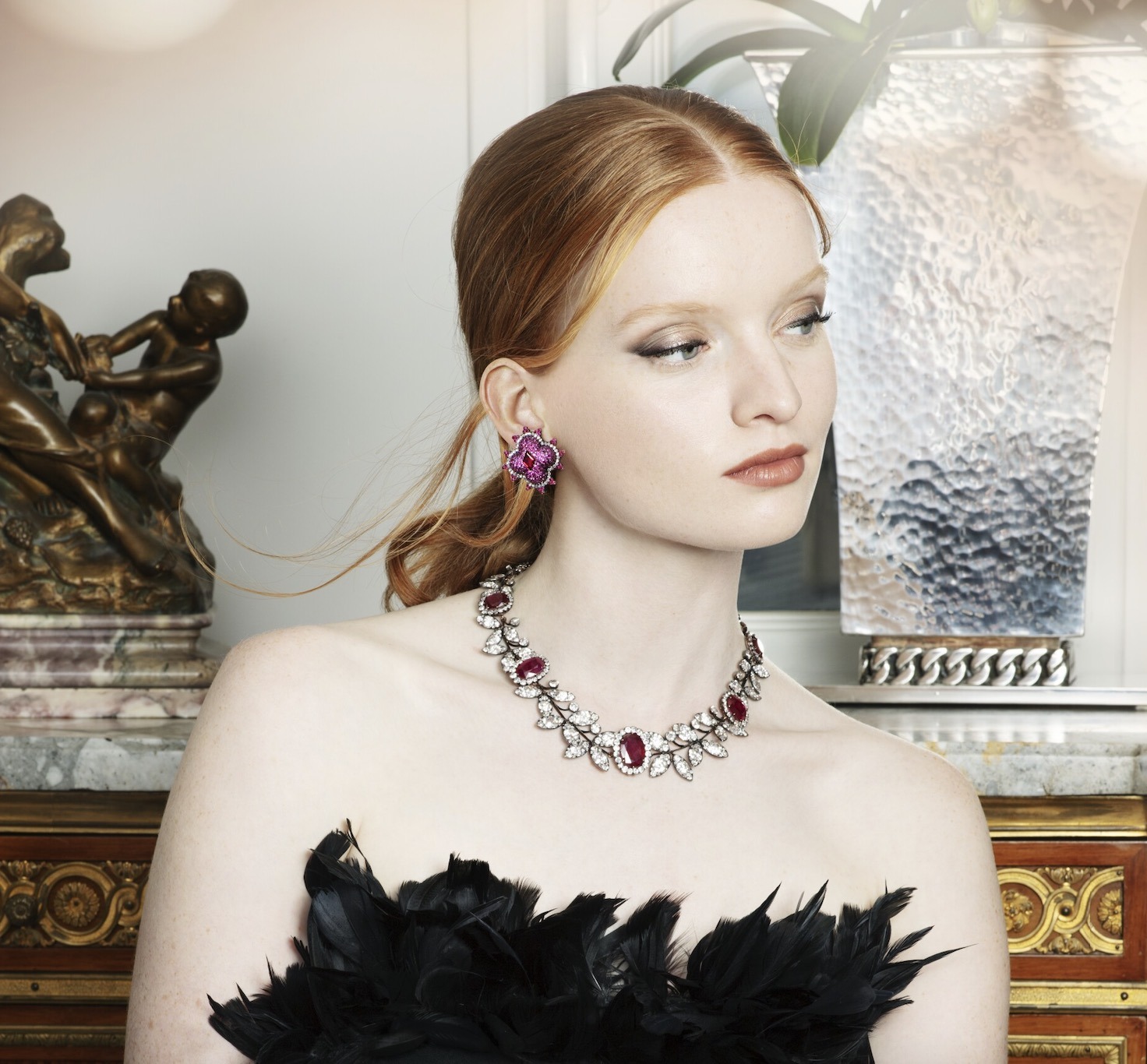
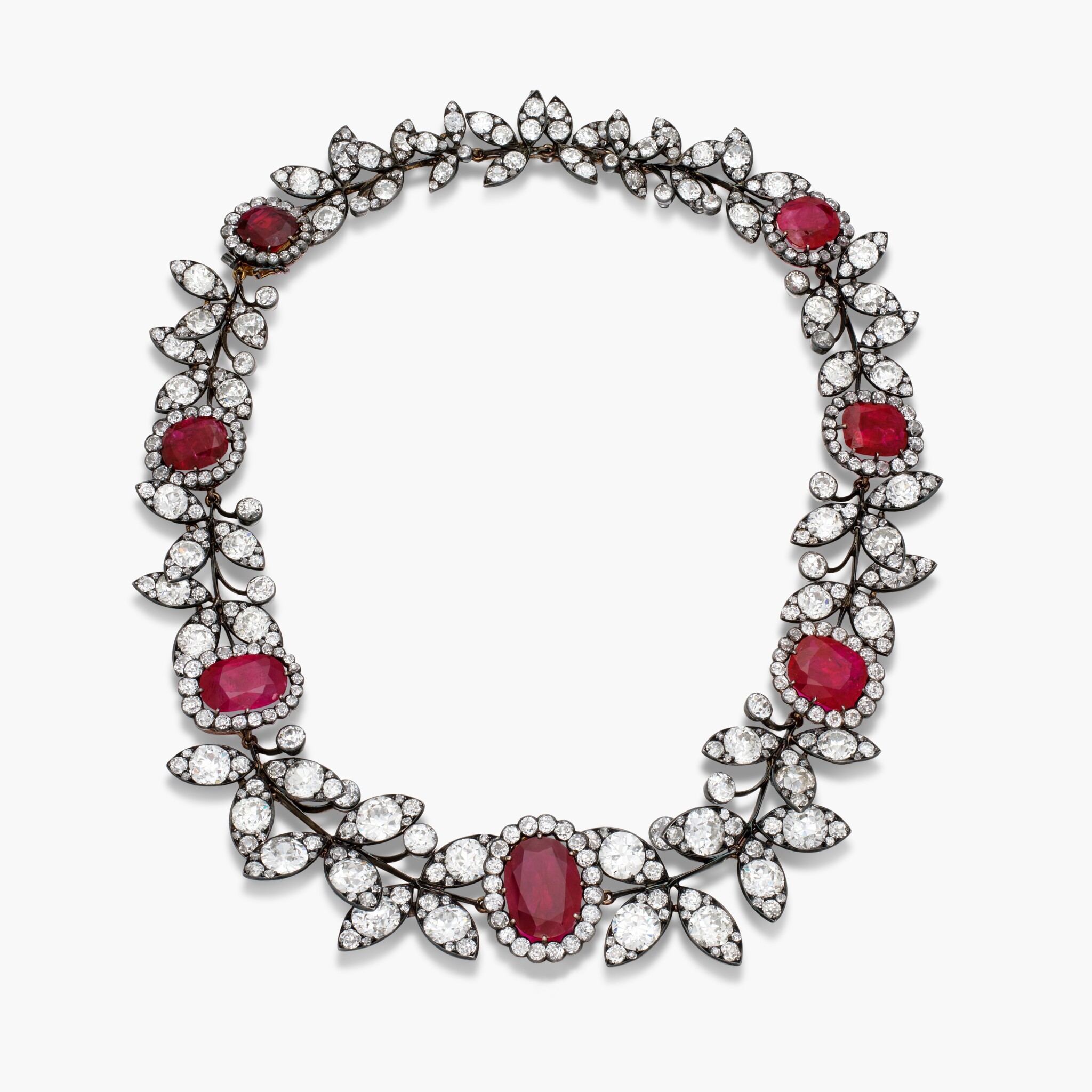
Now, the iconic Boucheron Ruby and Diamond Necklace is going on Auction at Sotheby’s in New York City next week, with a pre-sale estimate of 1,000,000 – 2,000,000 USD. It is no doubt set to break records.
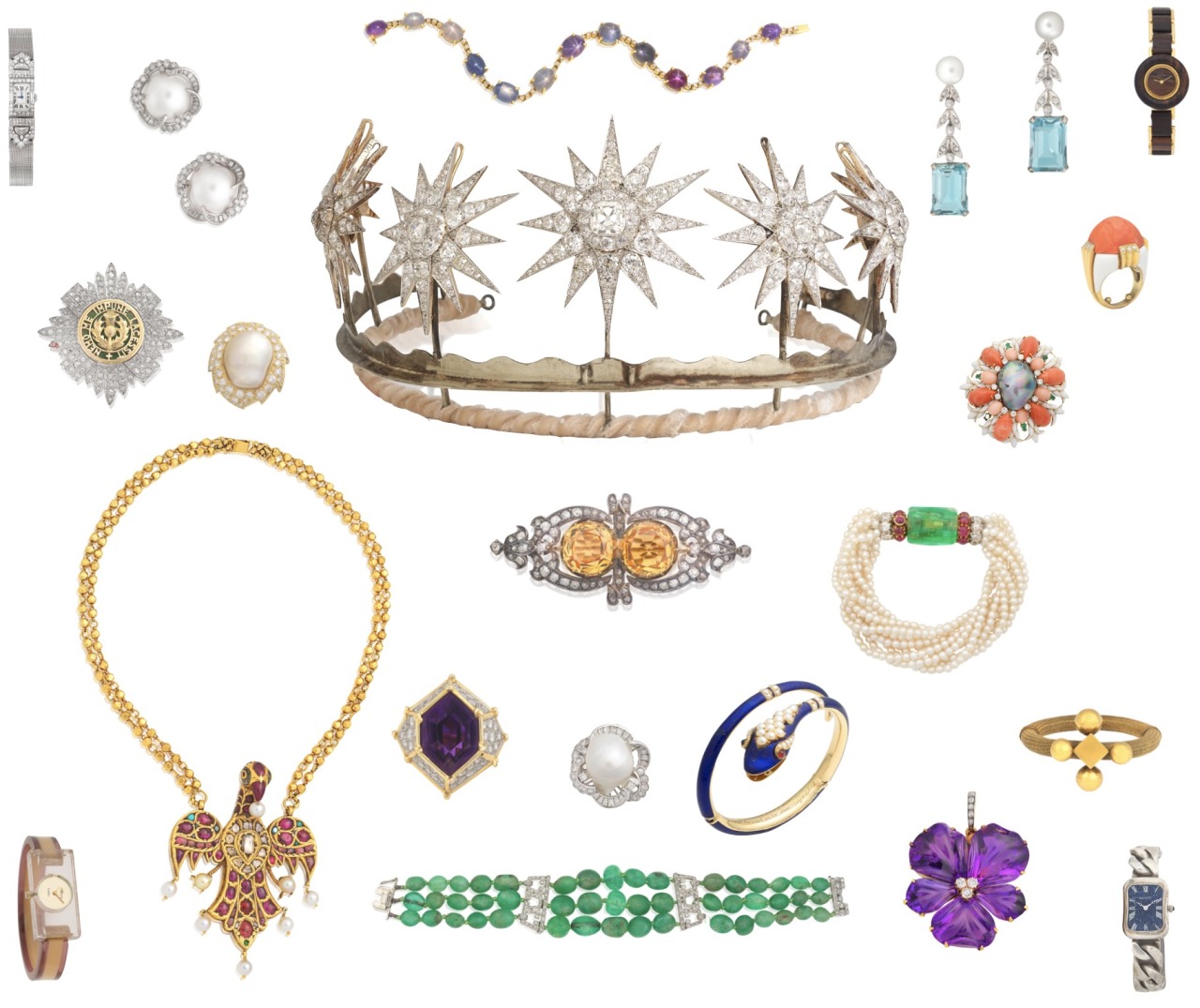
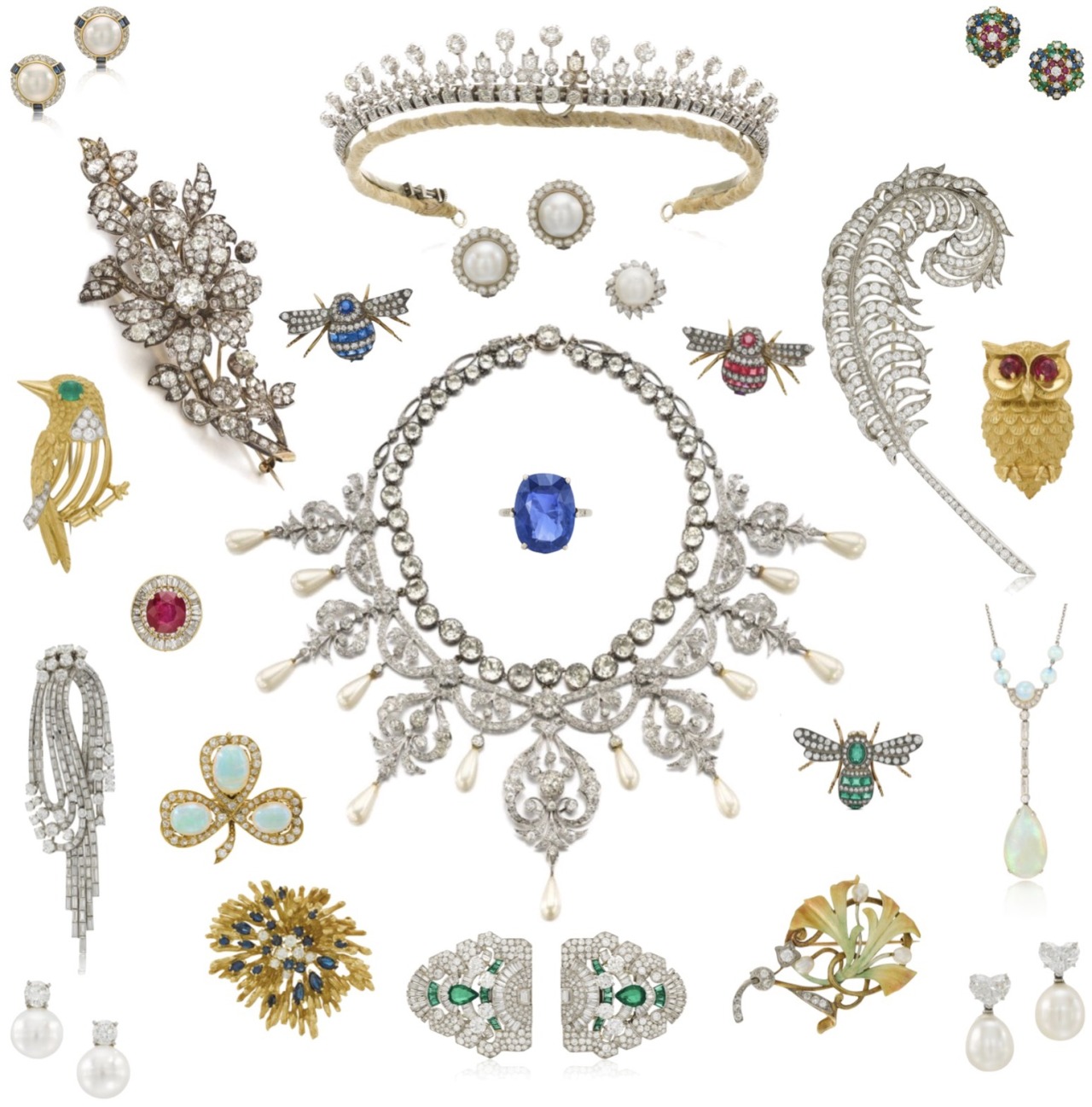
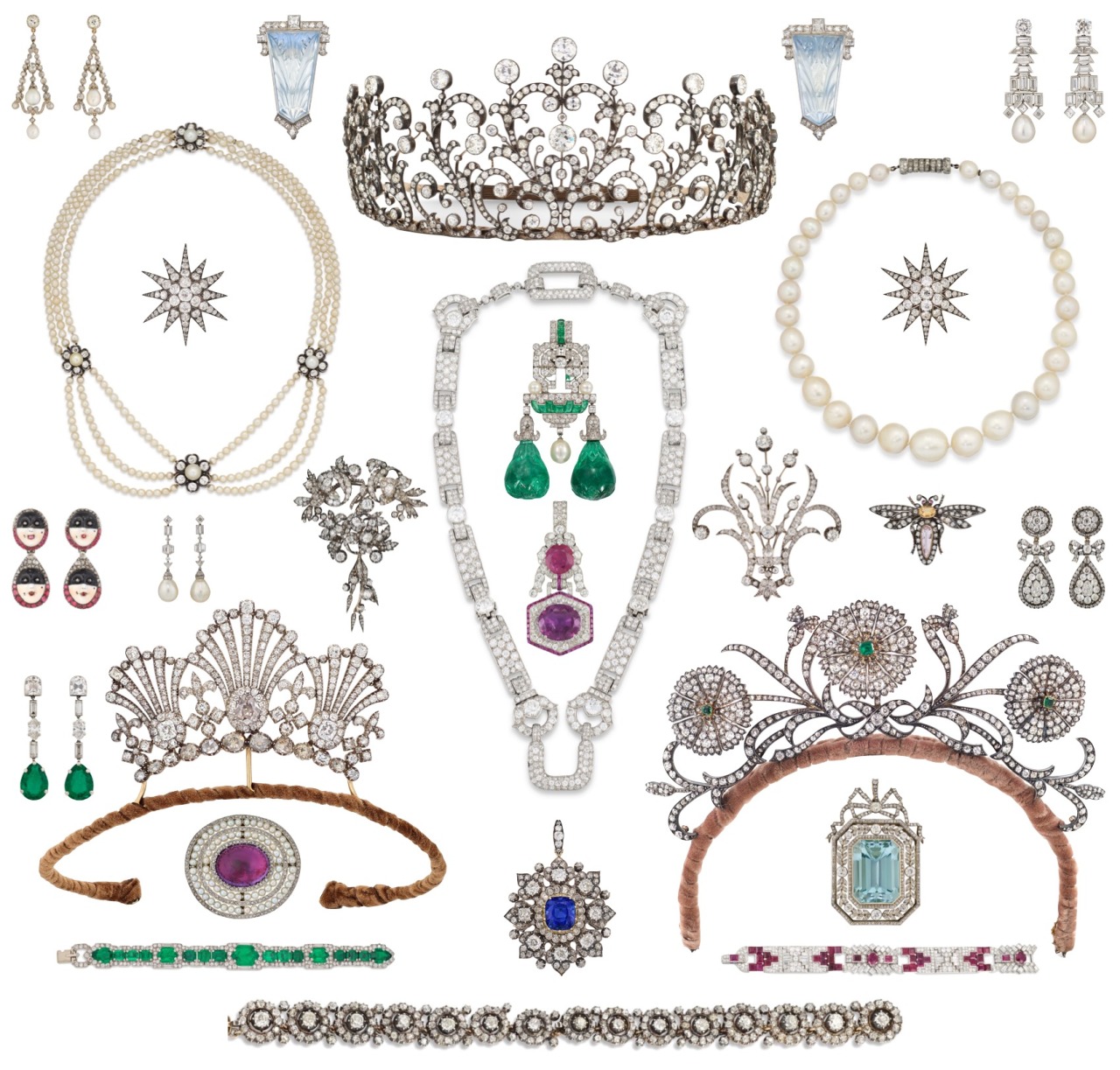
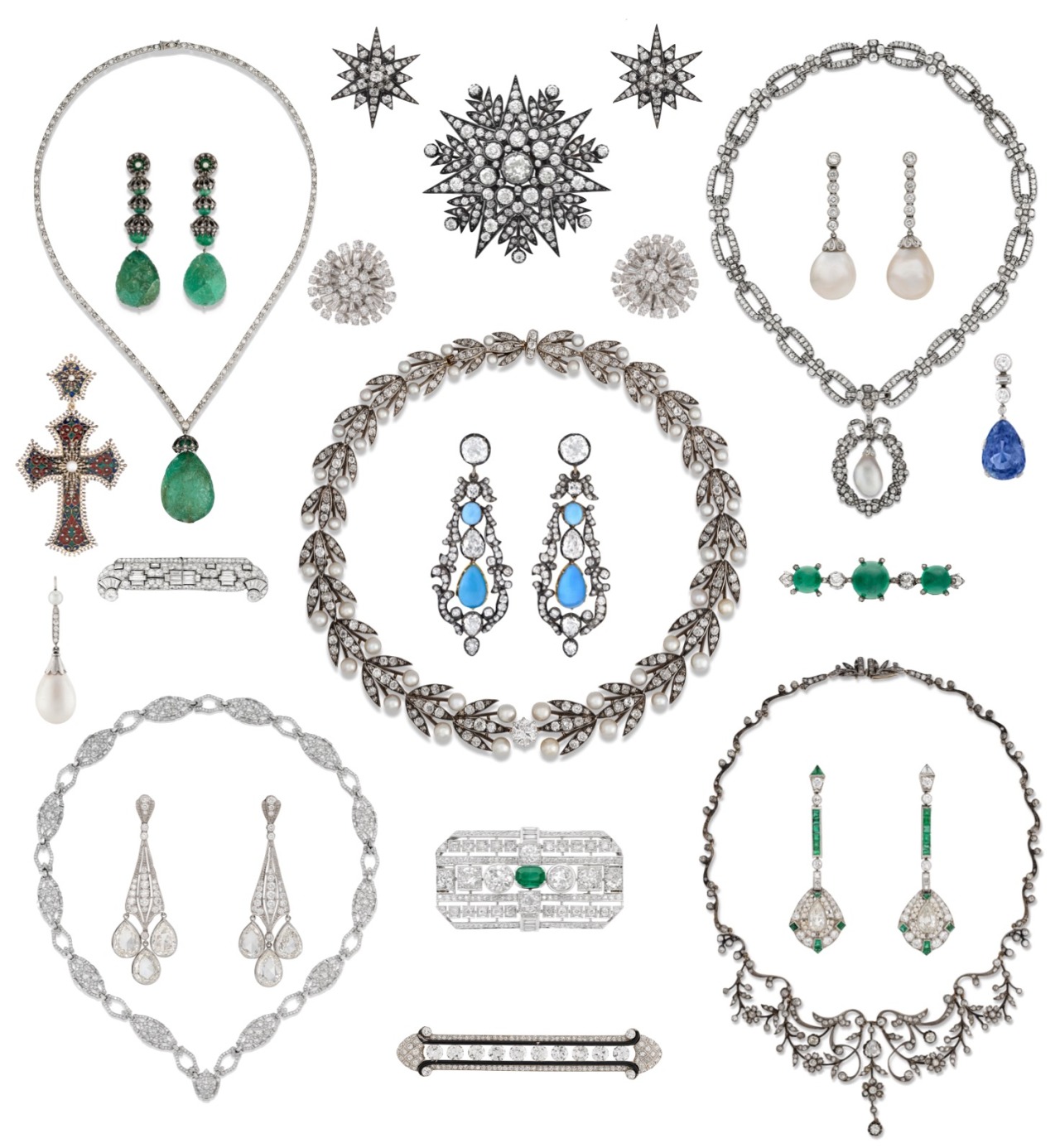
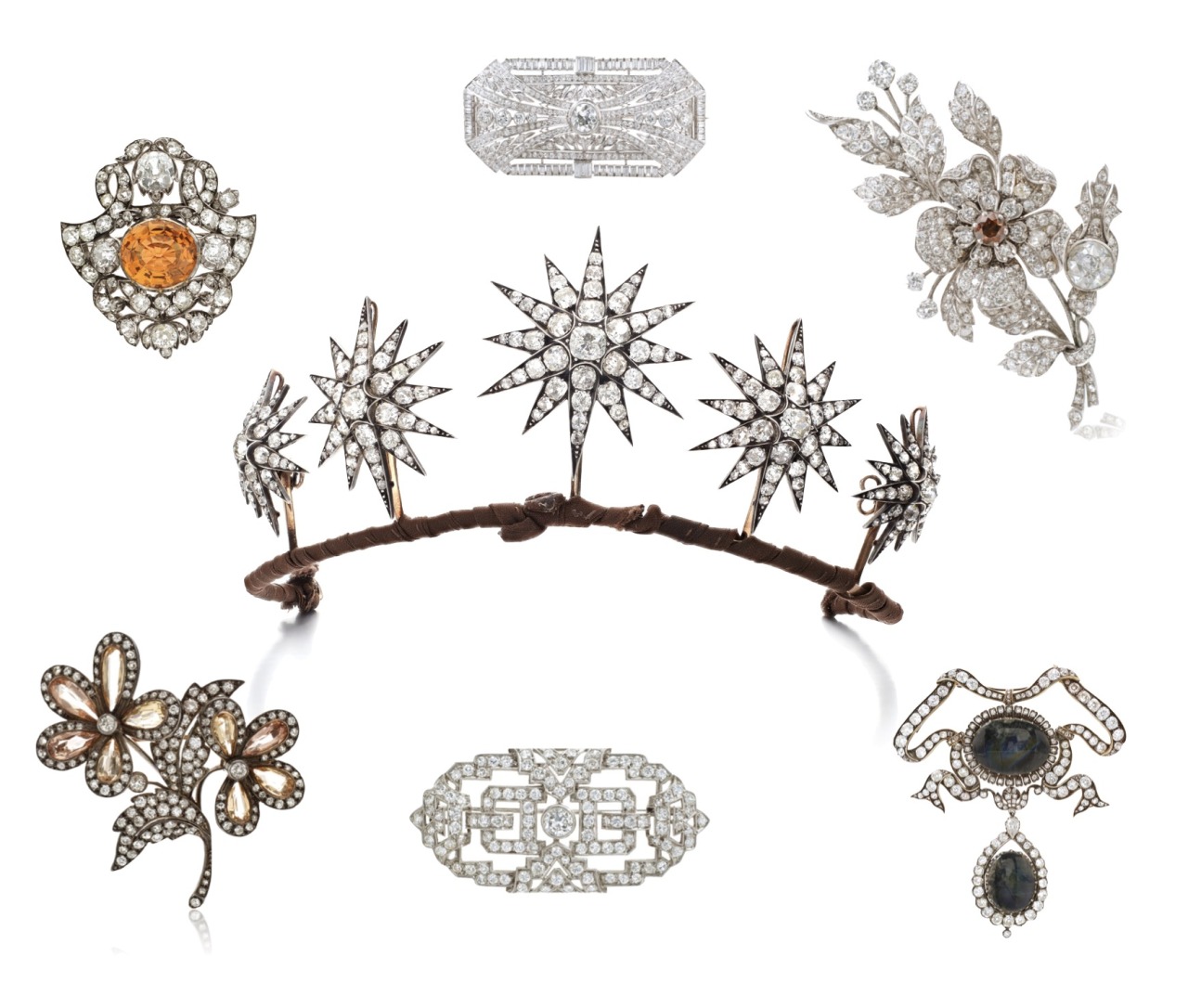
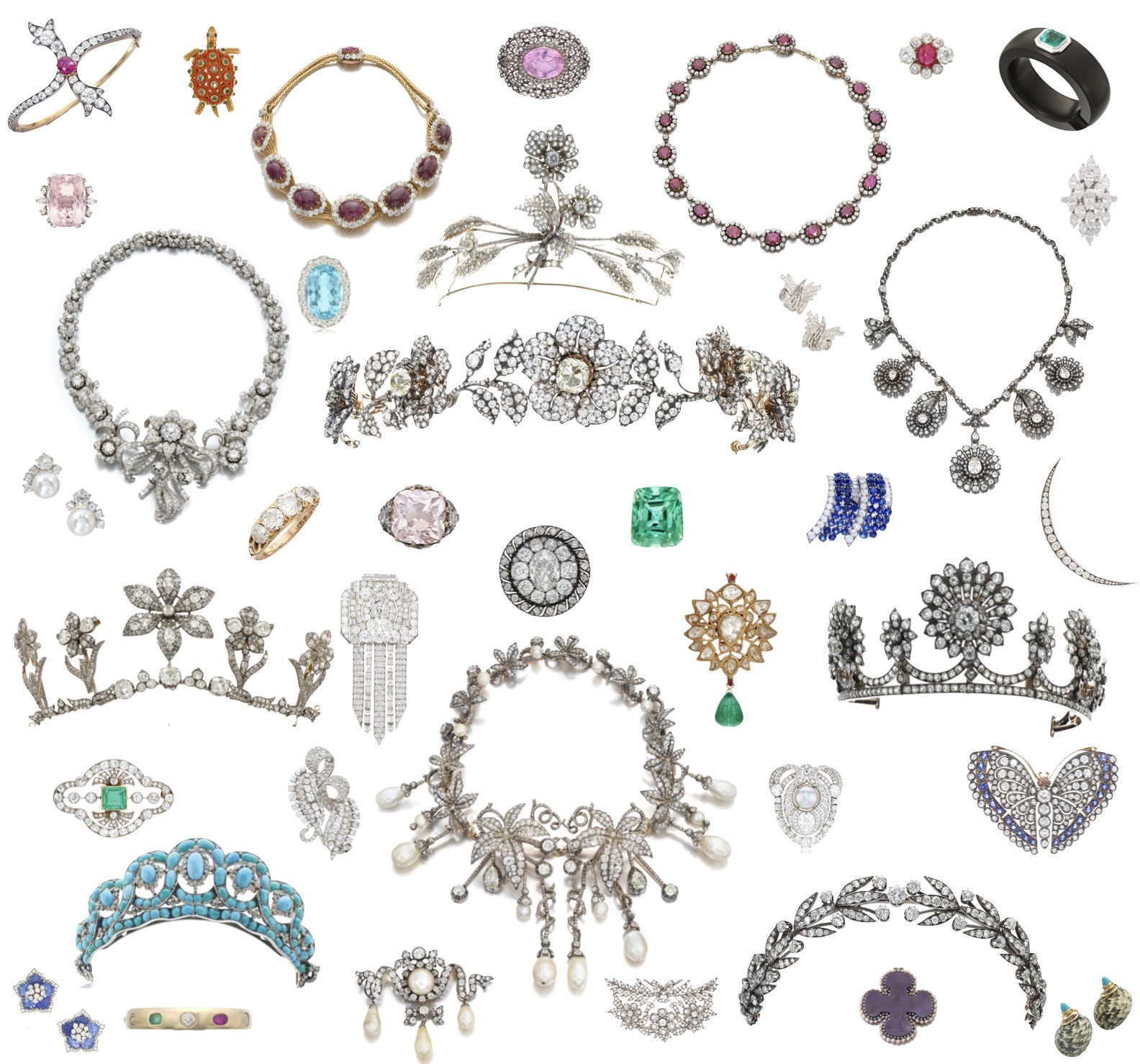
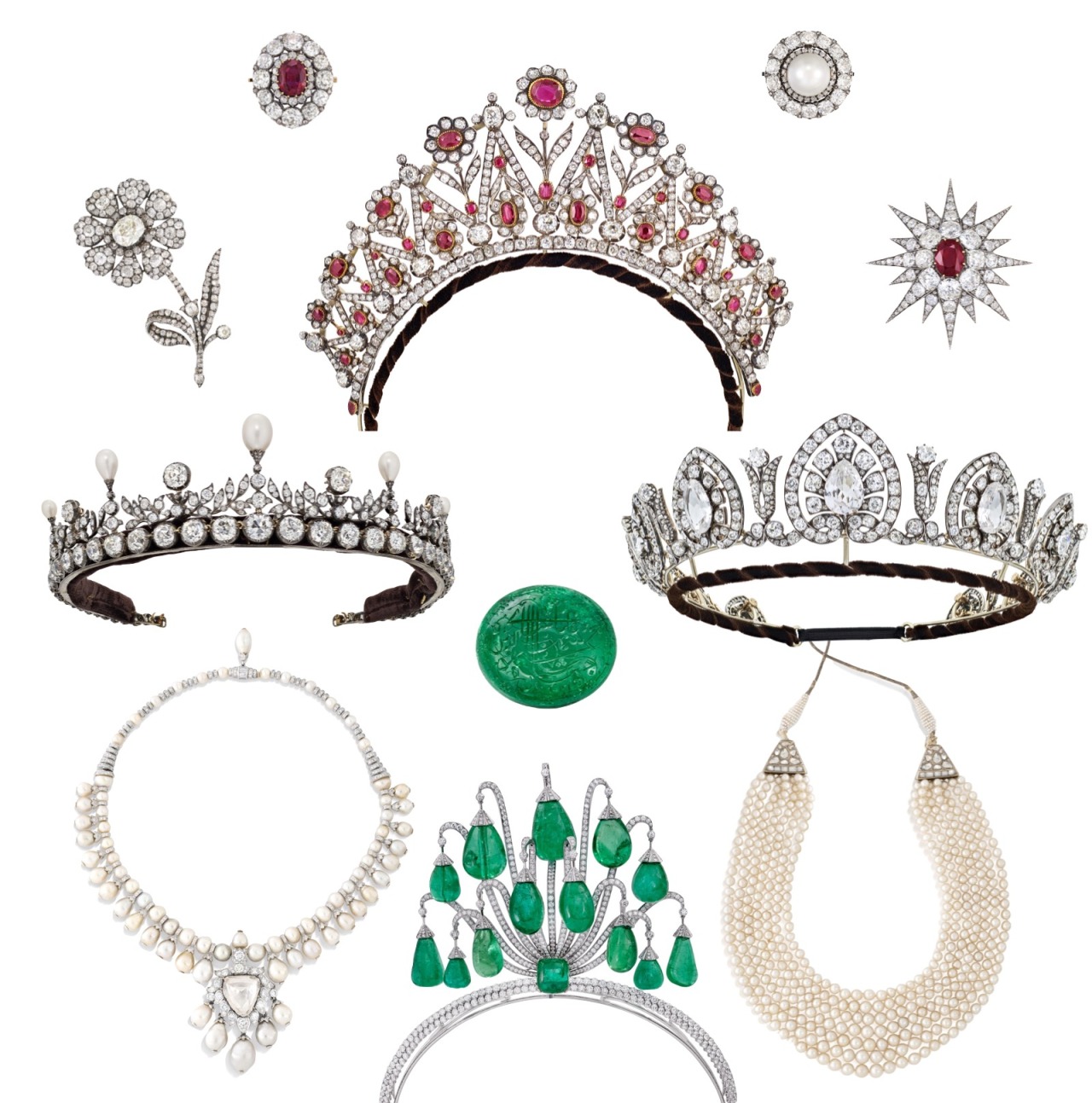
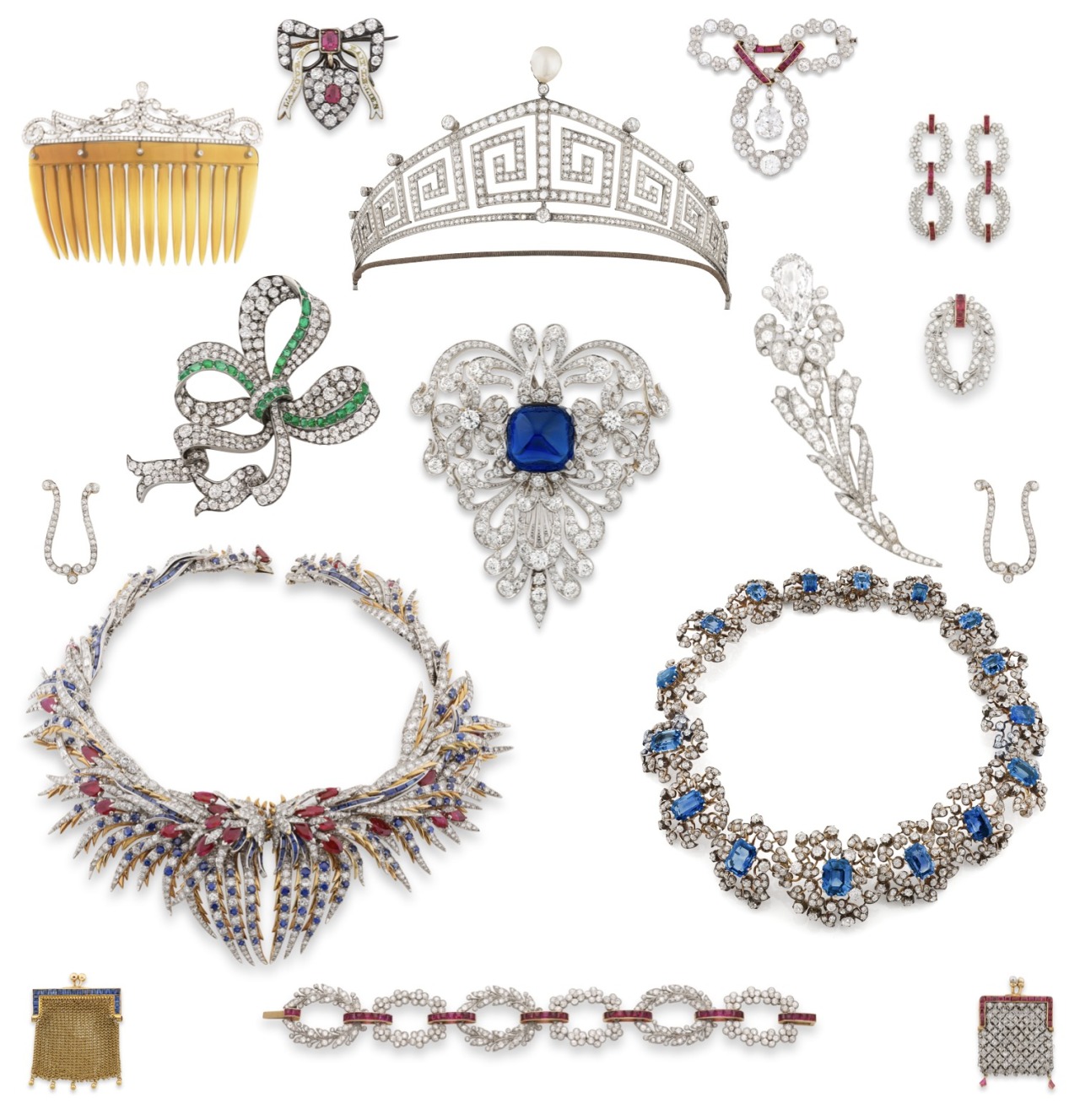
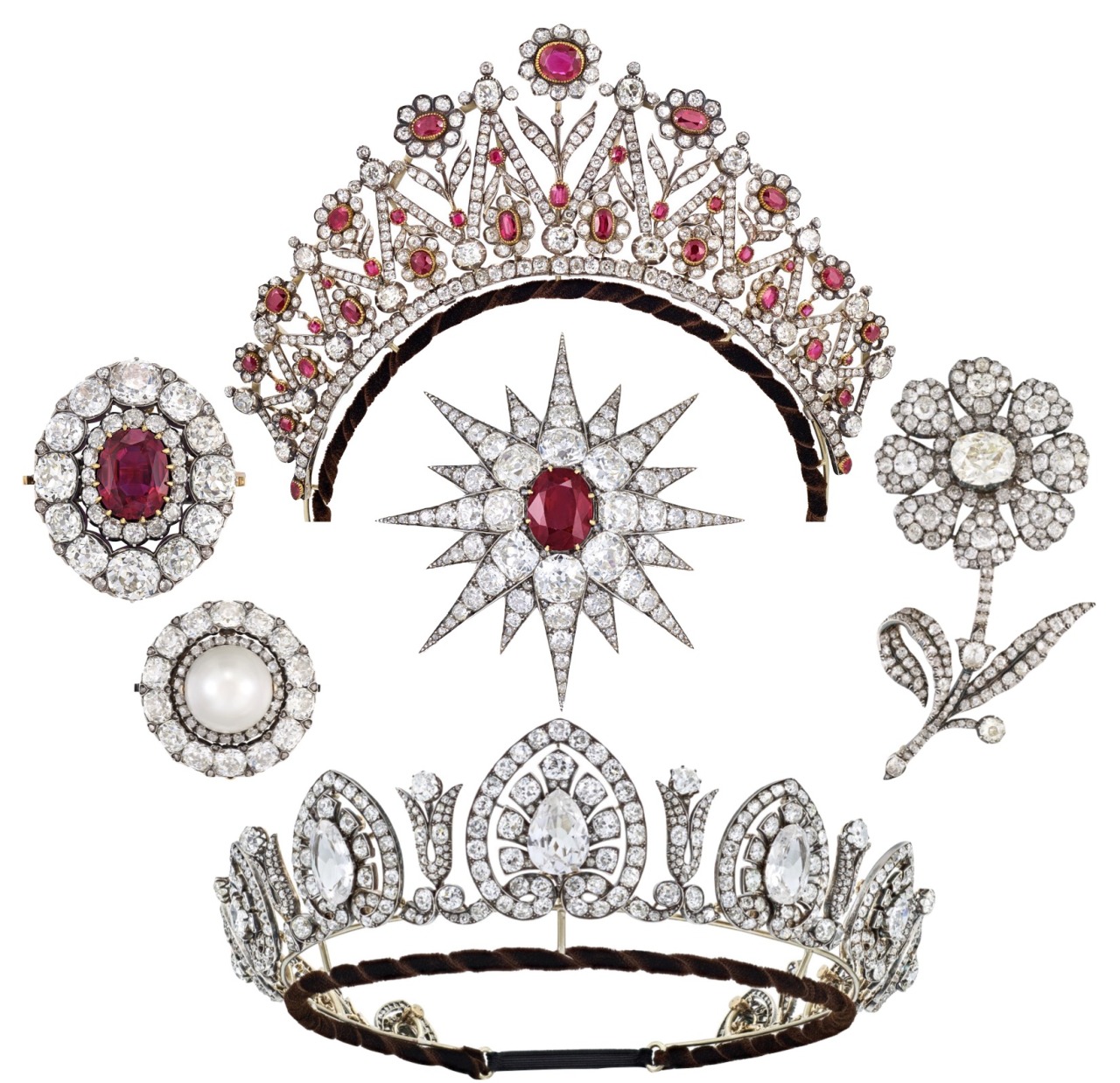
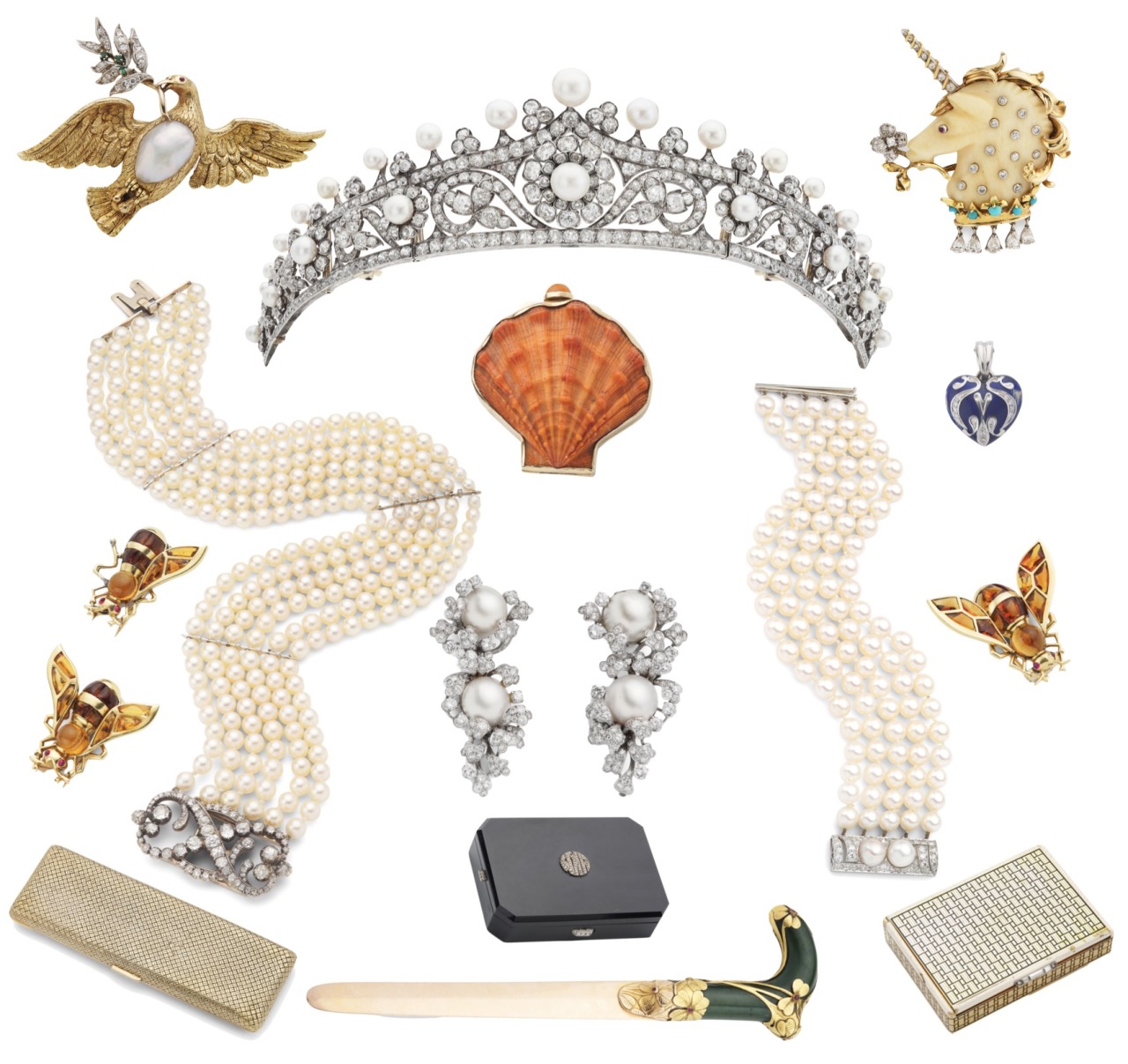
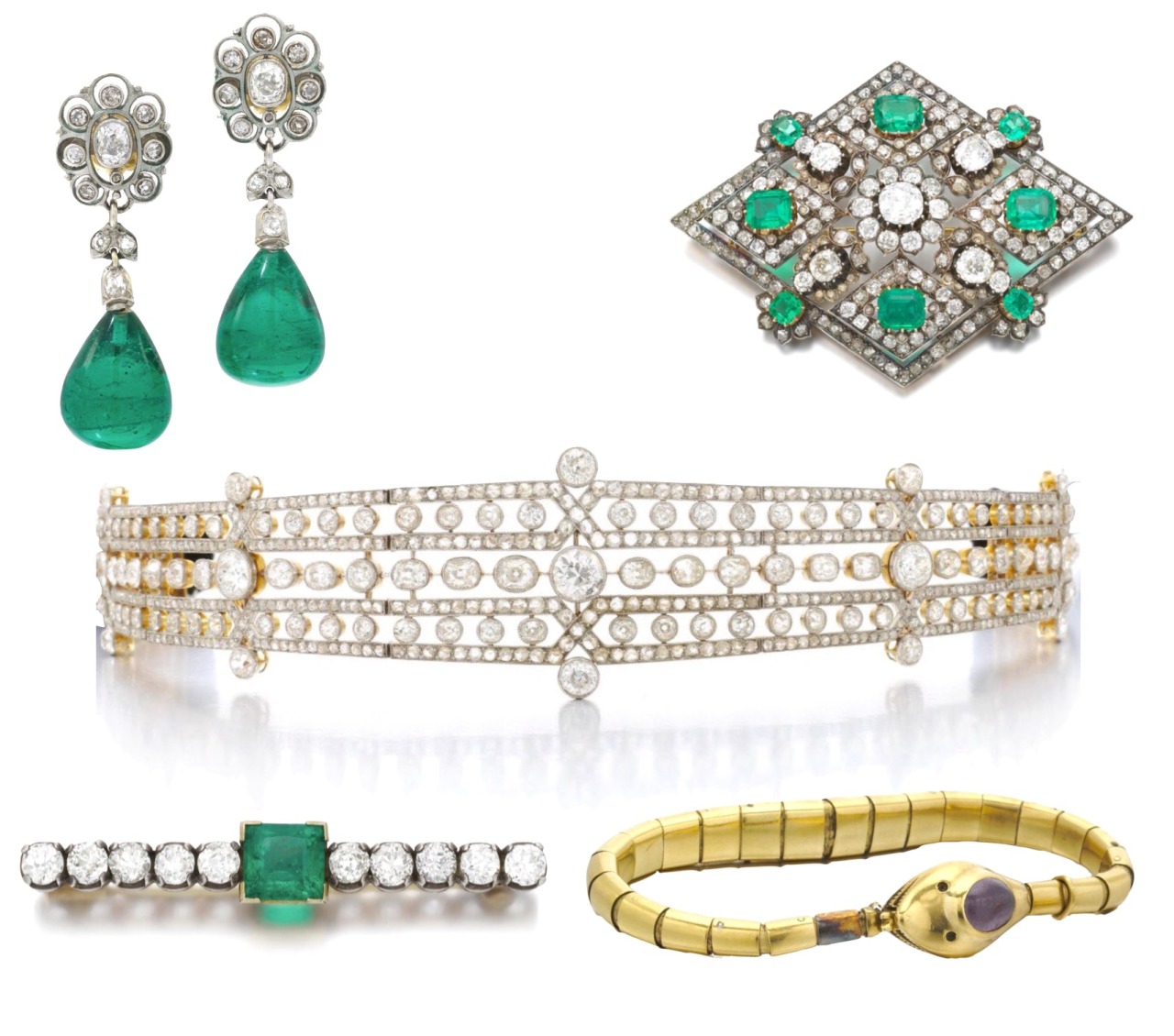
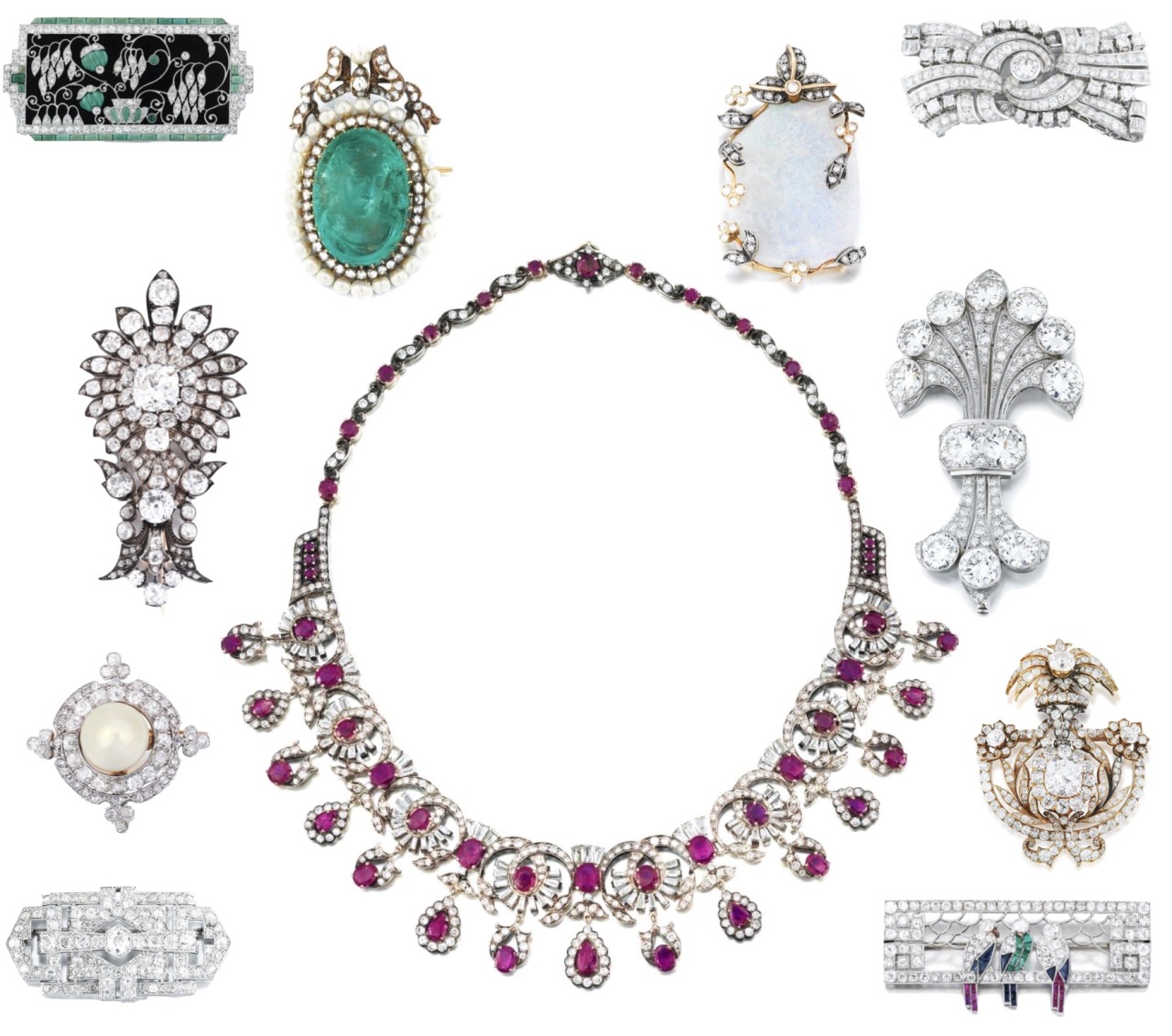
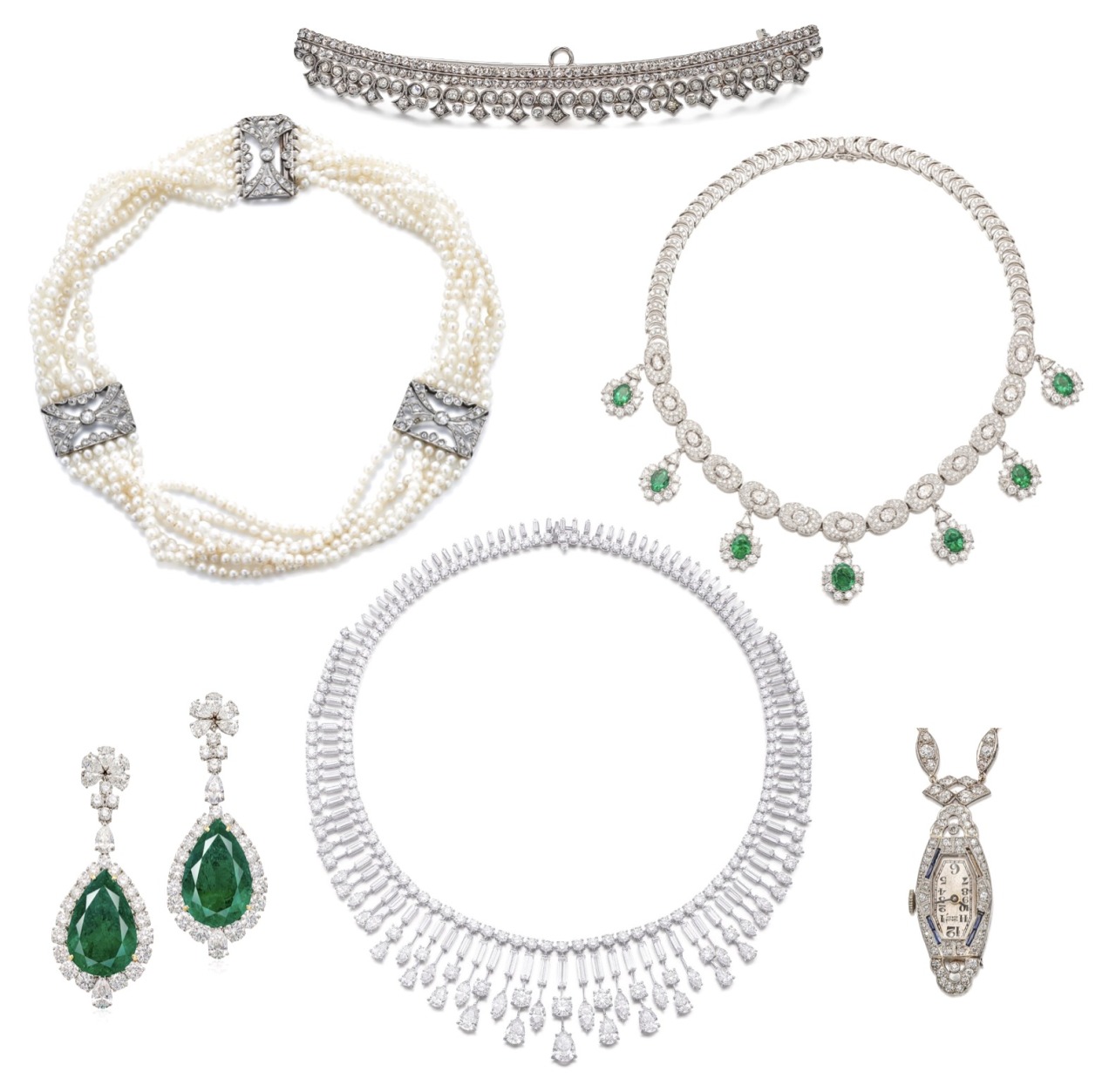
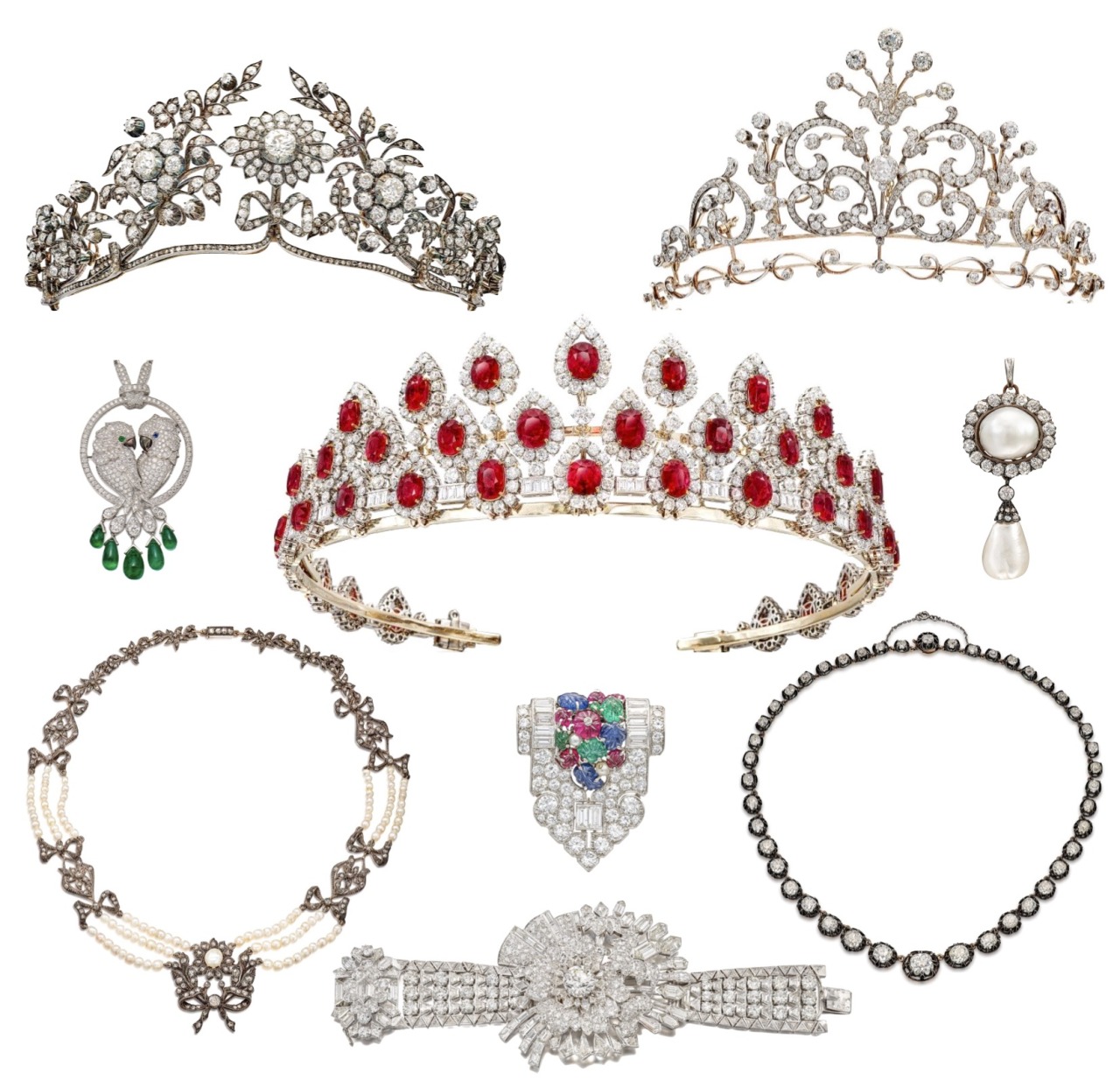
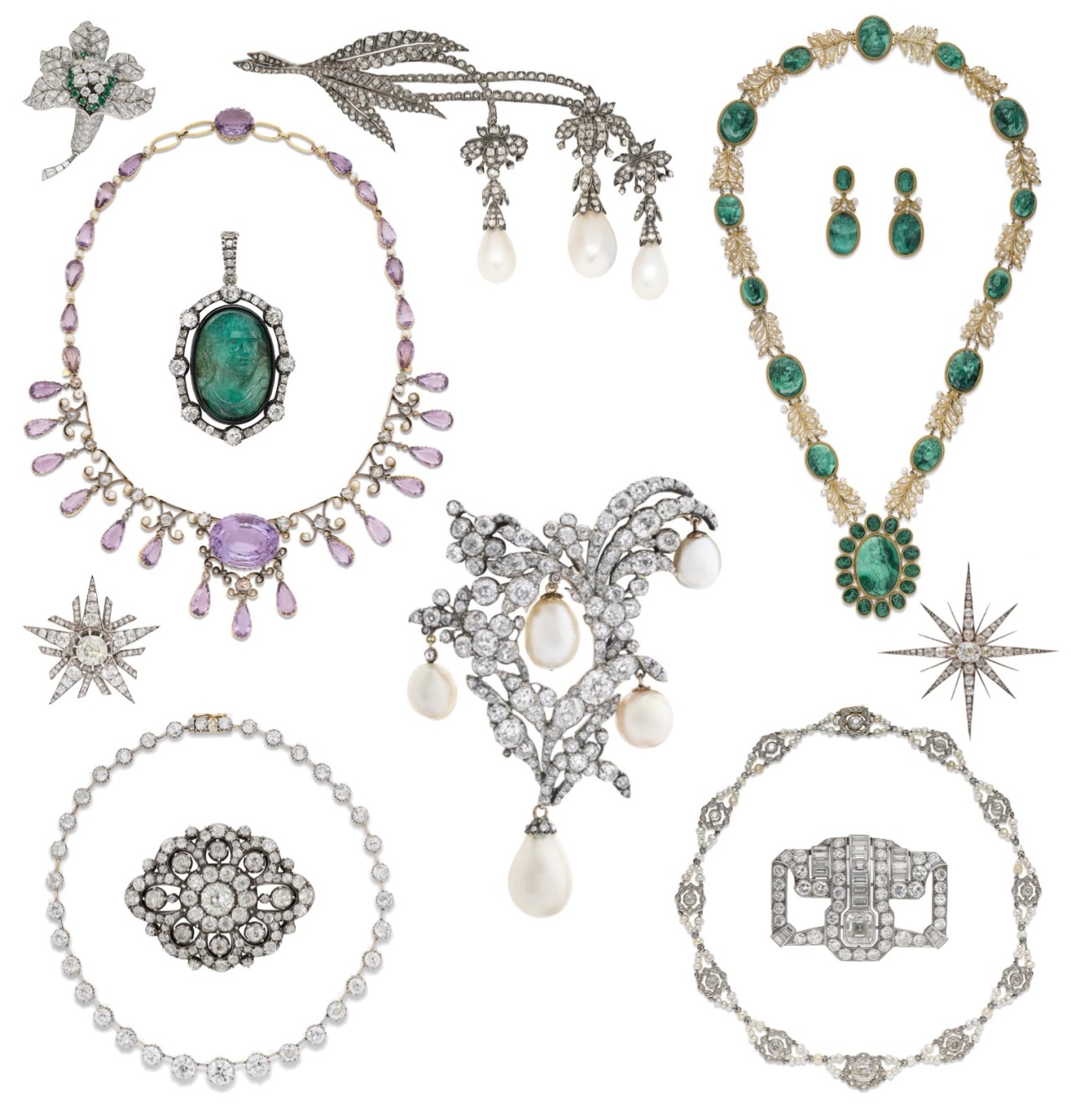
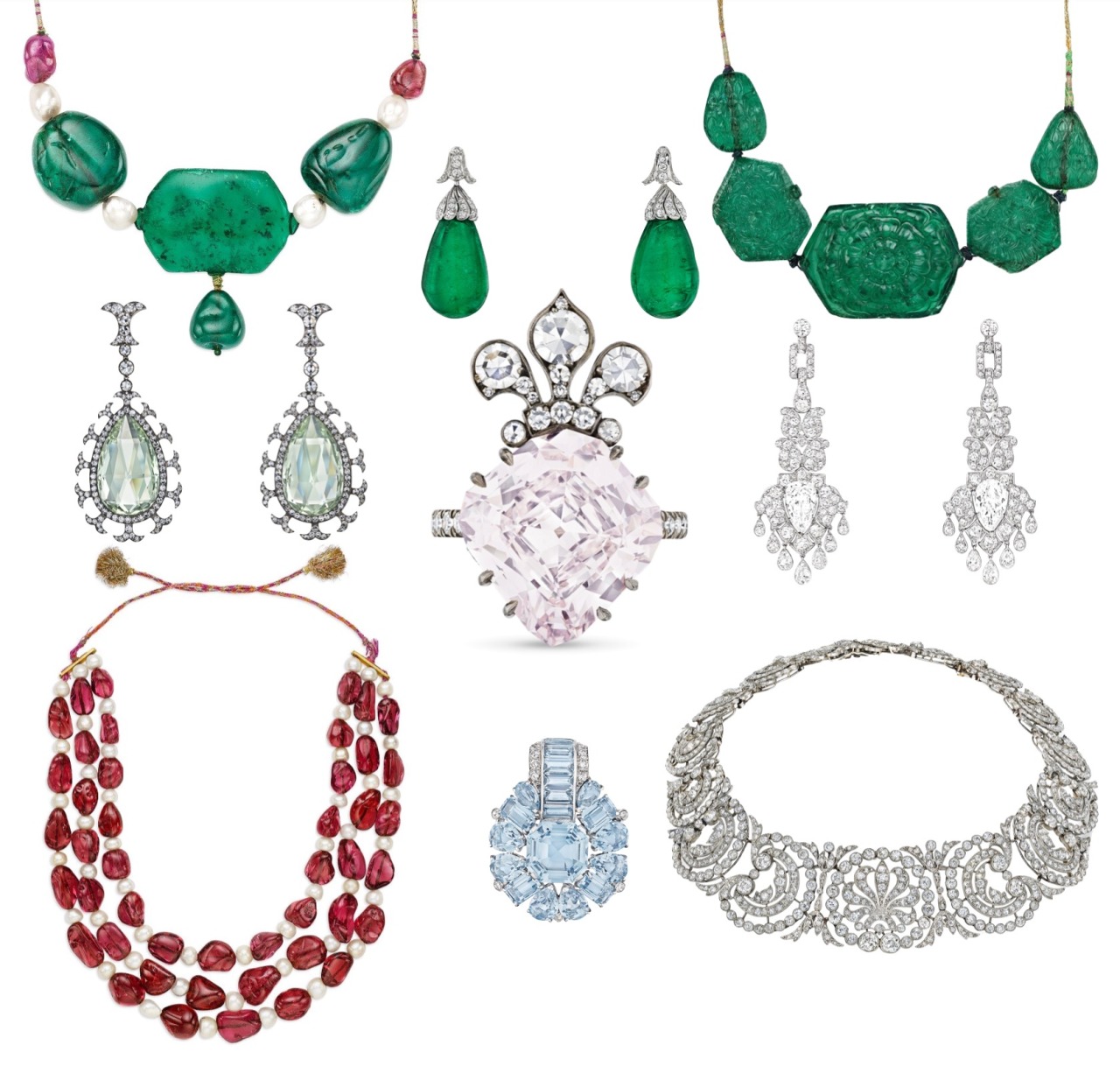
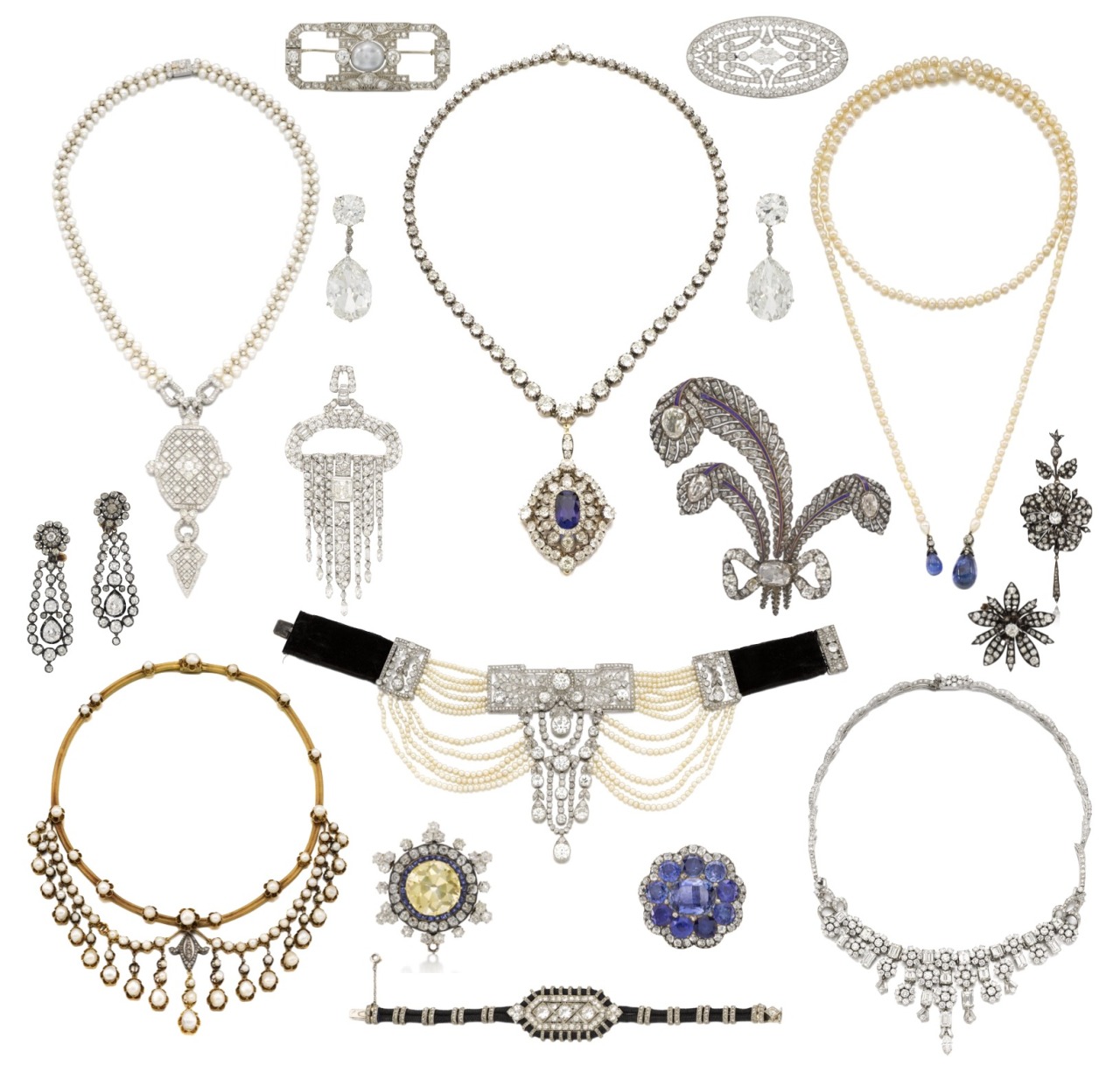
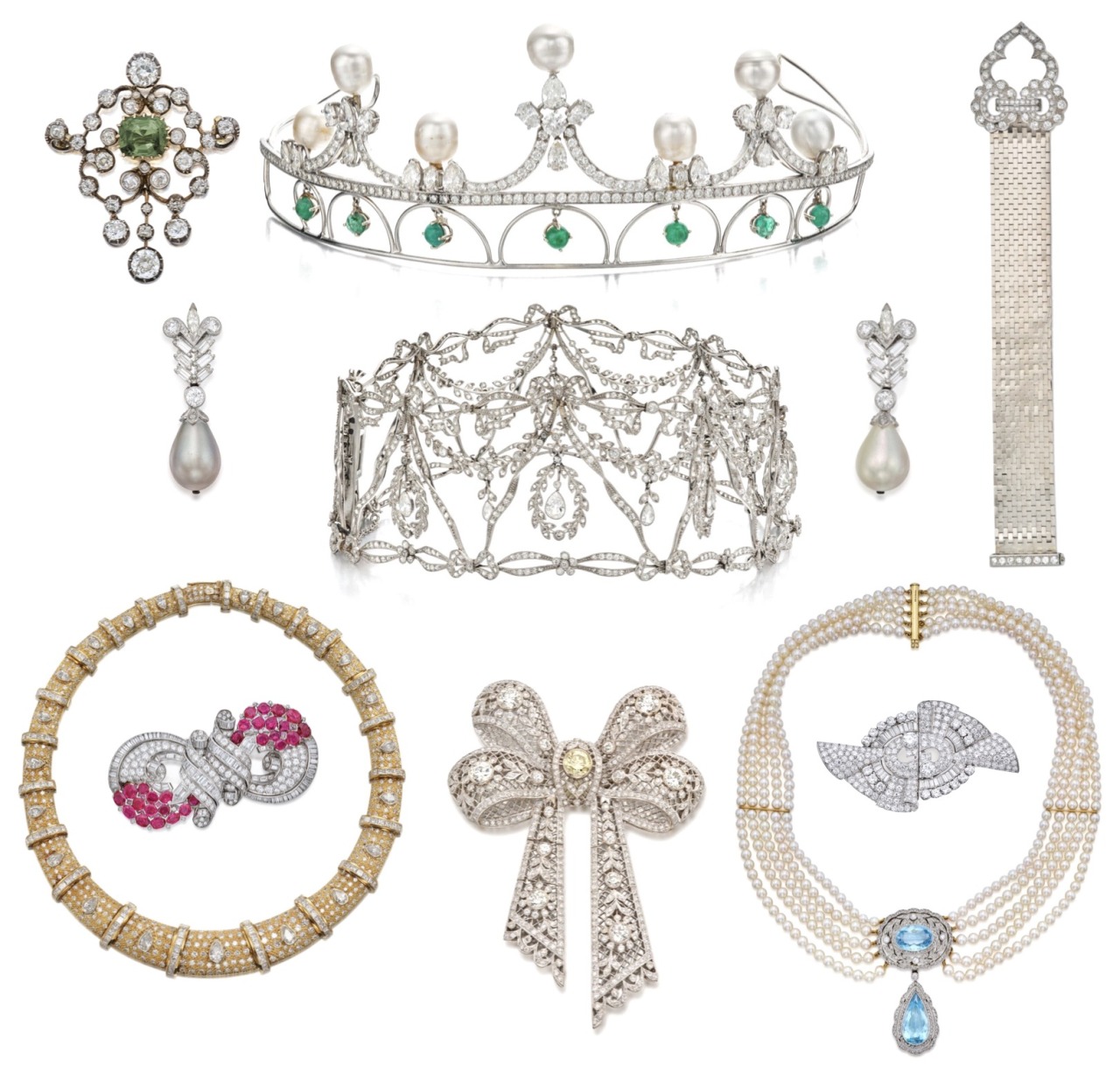
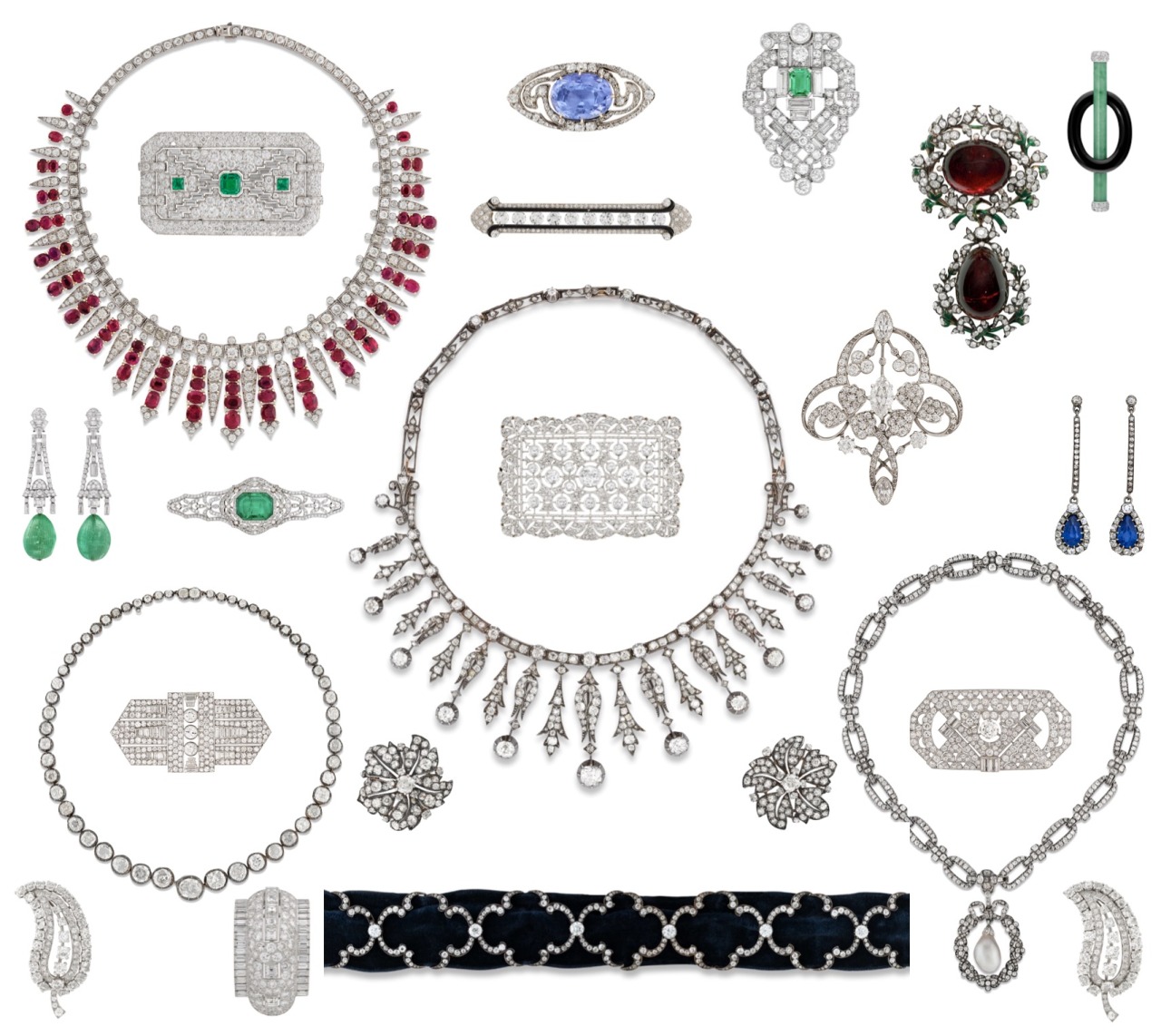
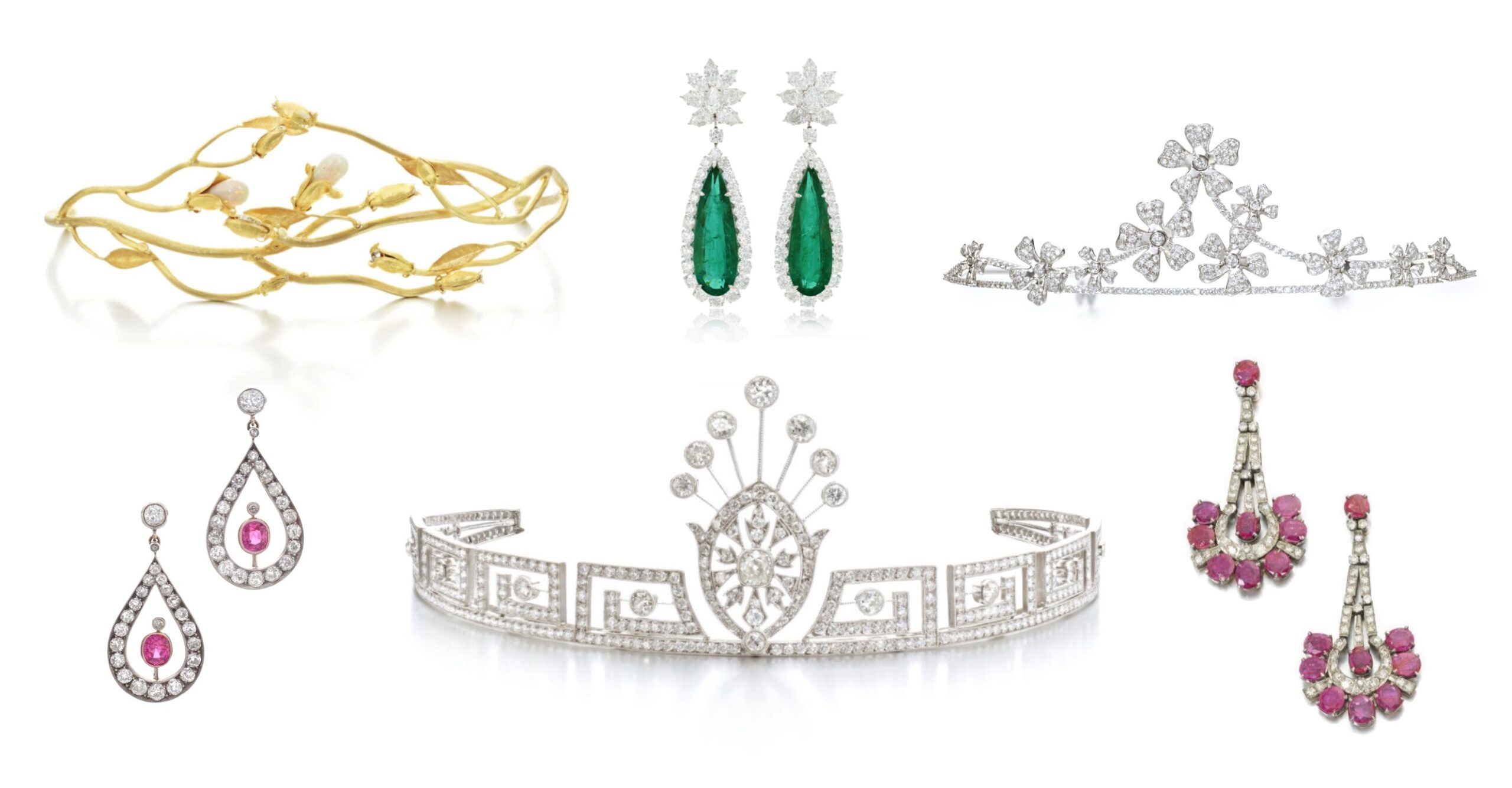
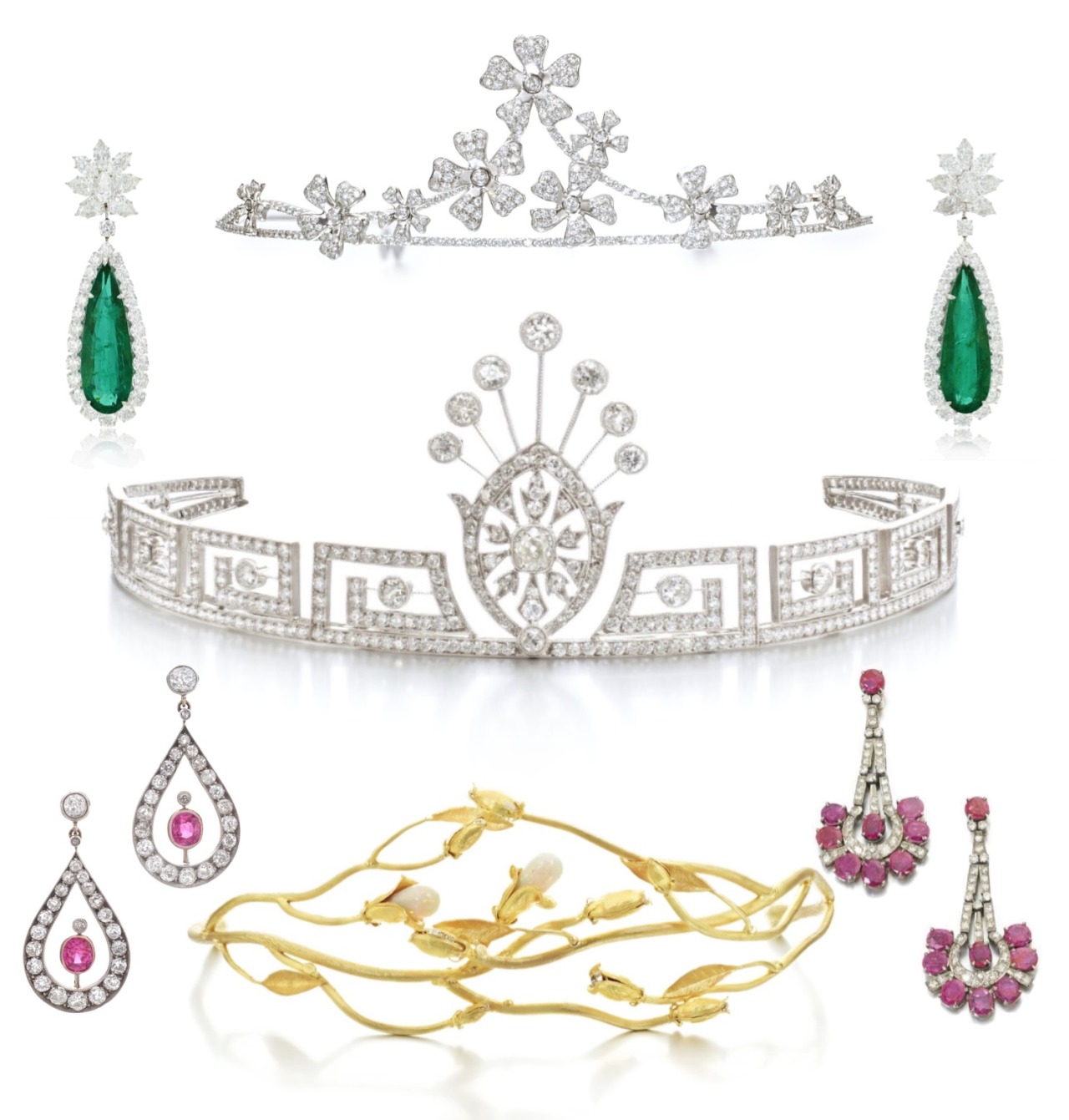
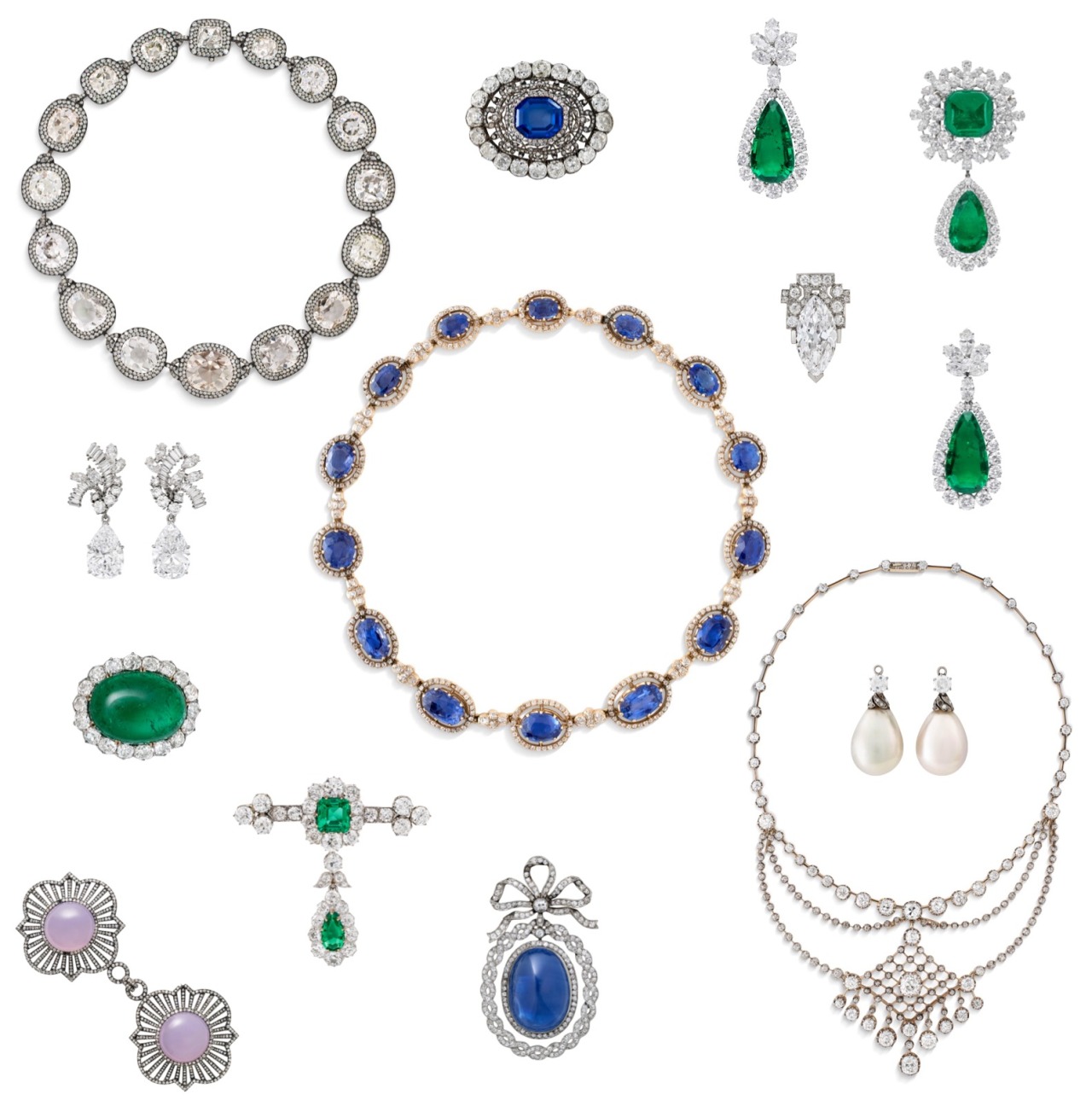
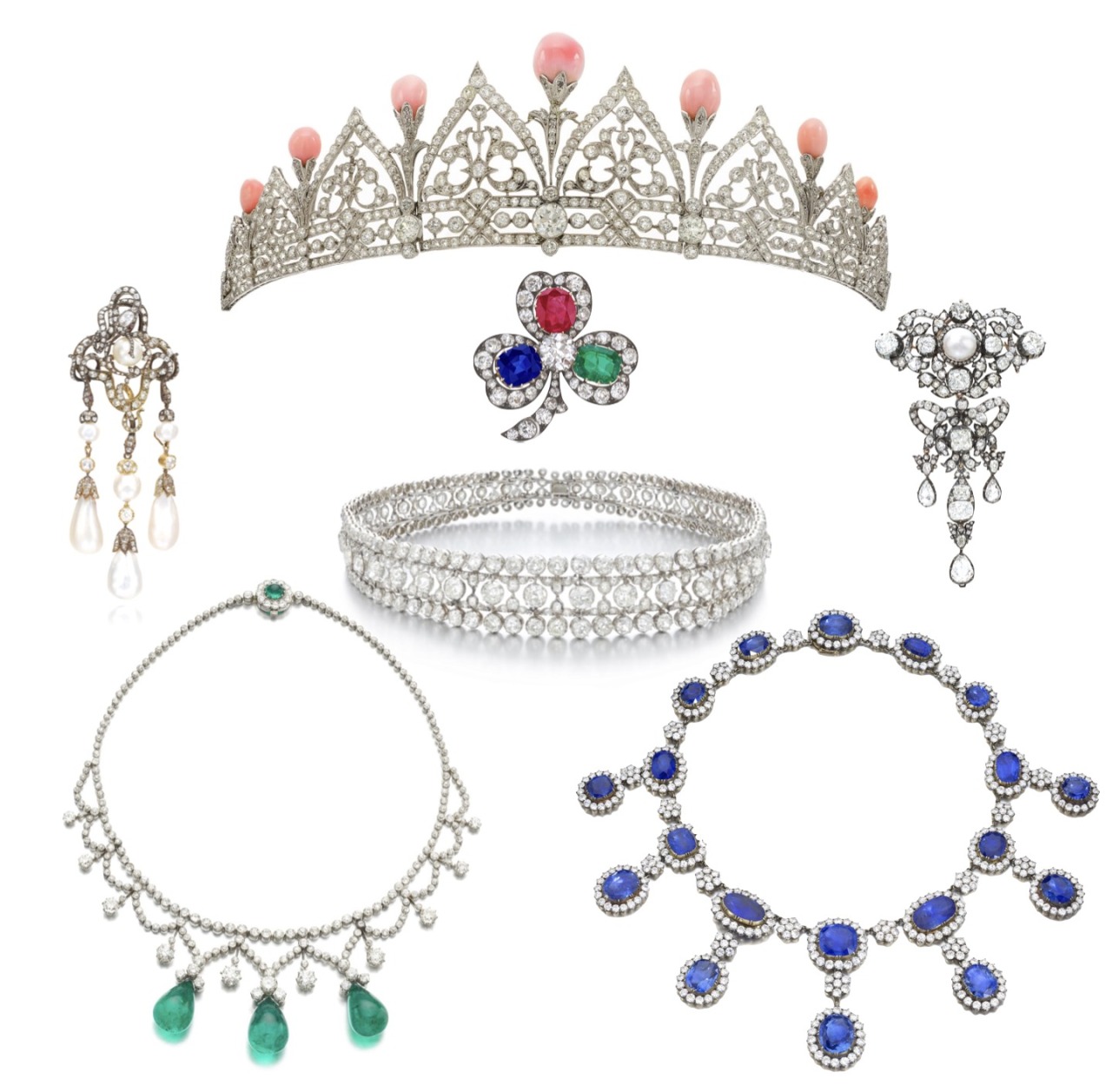
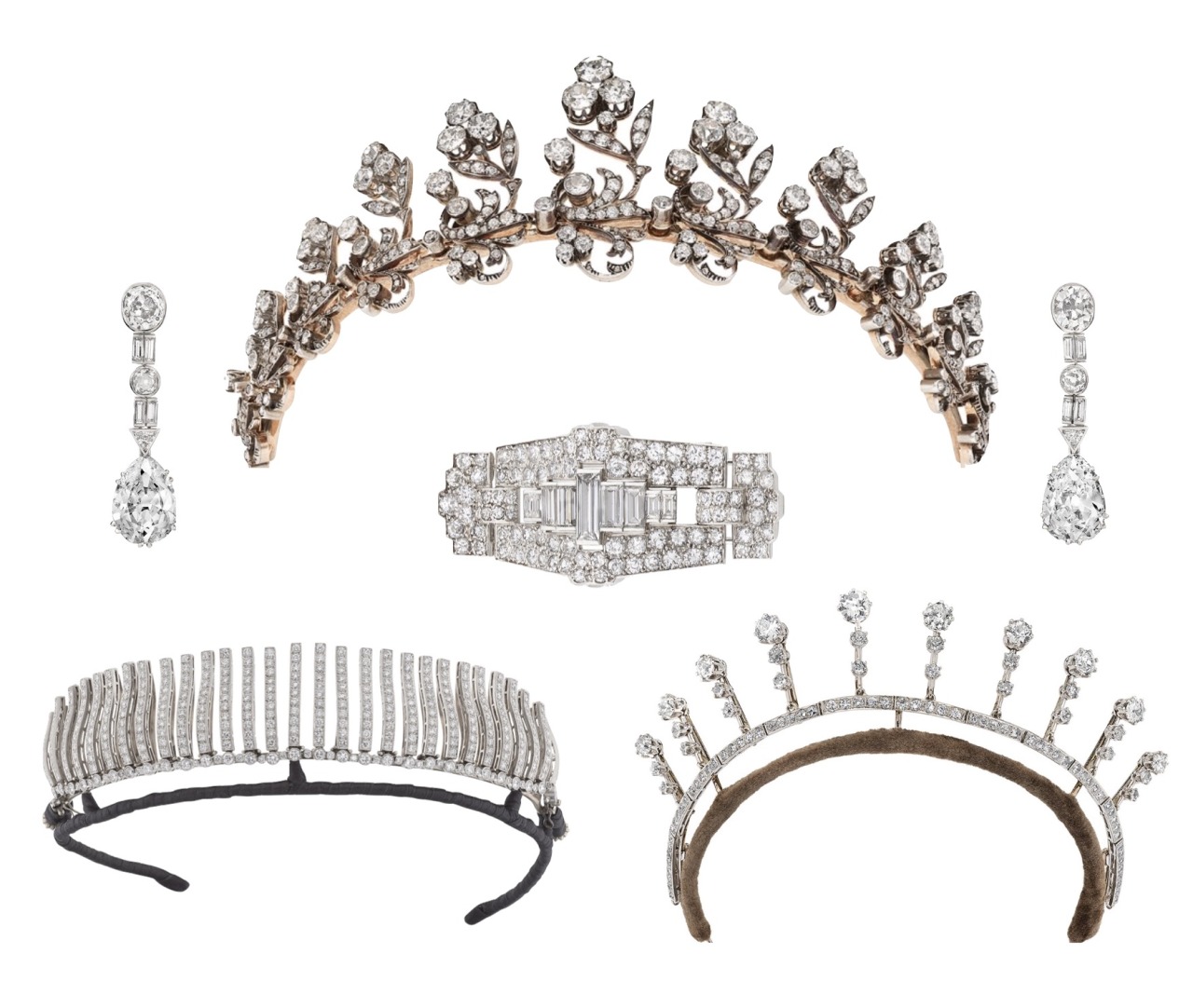
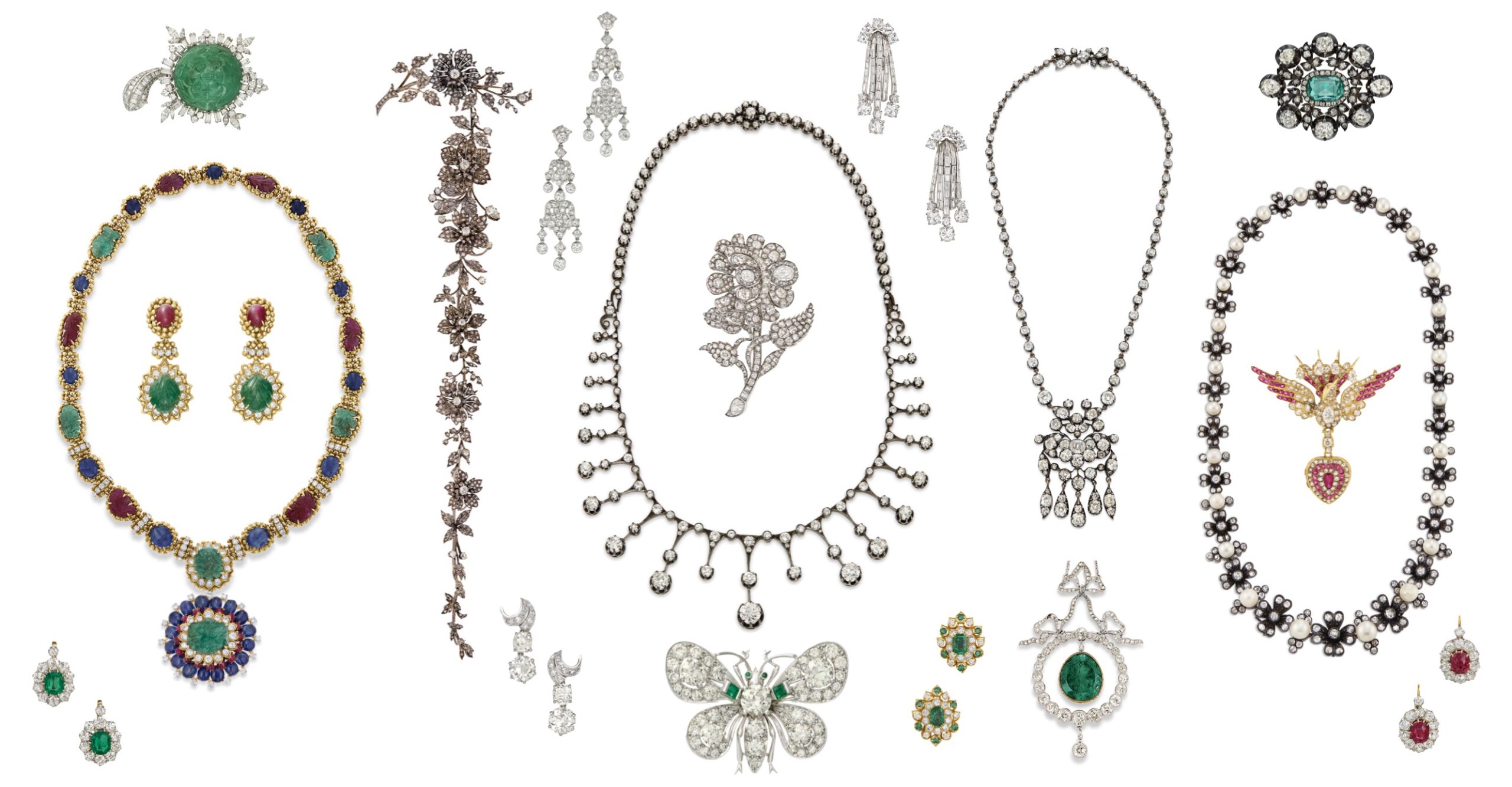
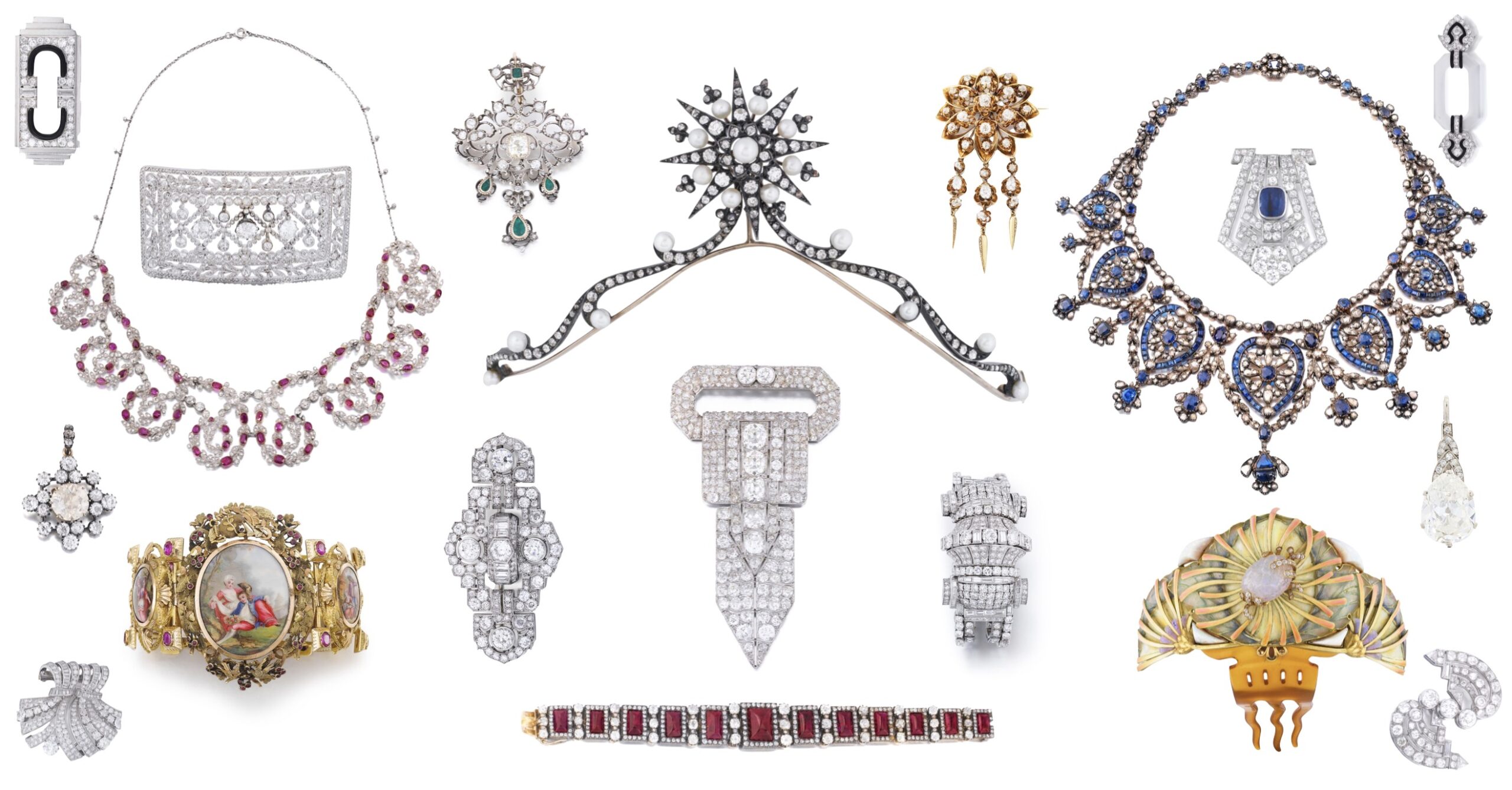
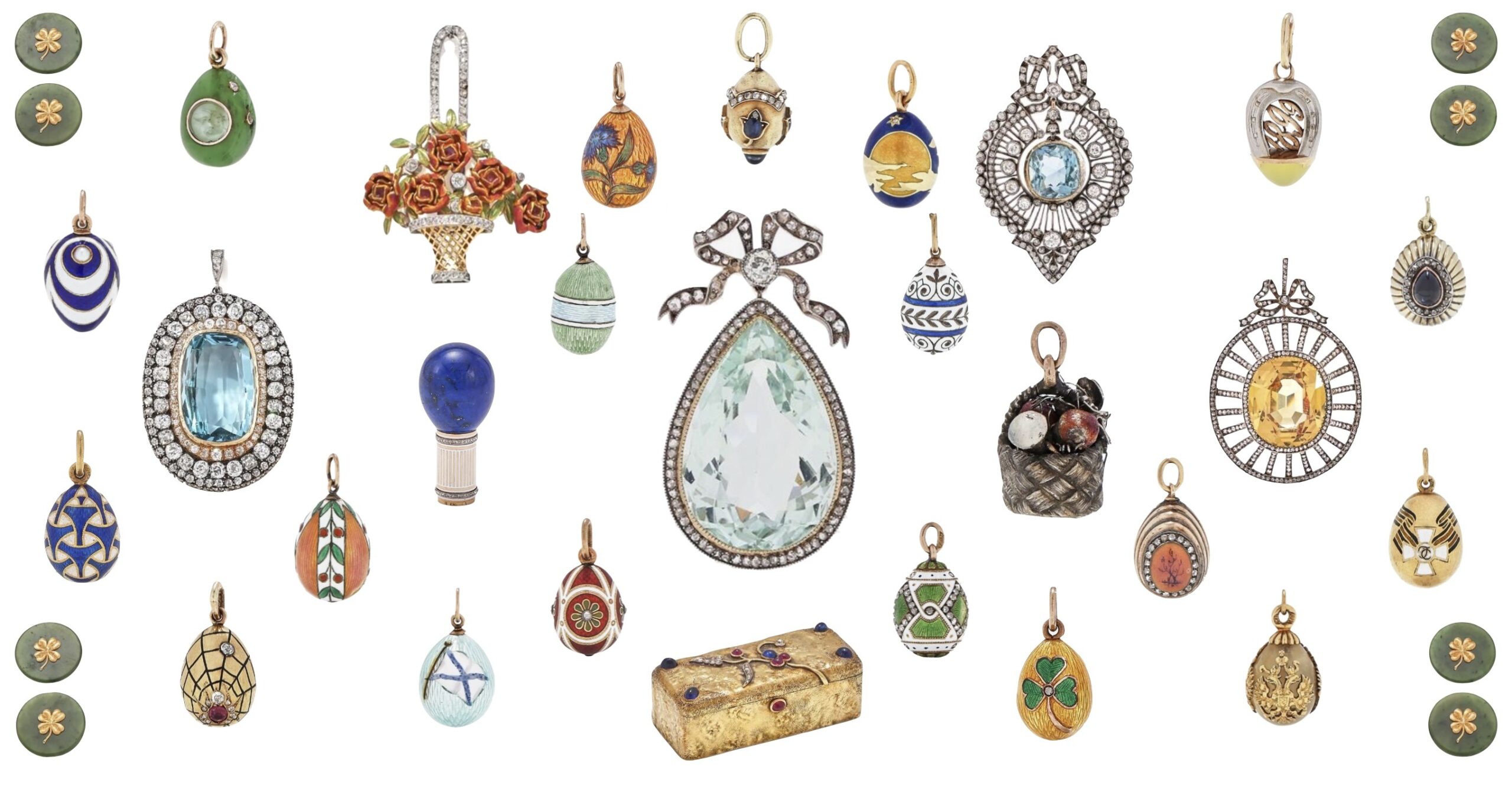
Sotheby’s Noble & Private Collections | 5 December 2024
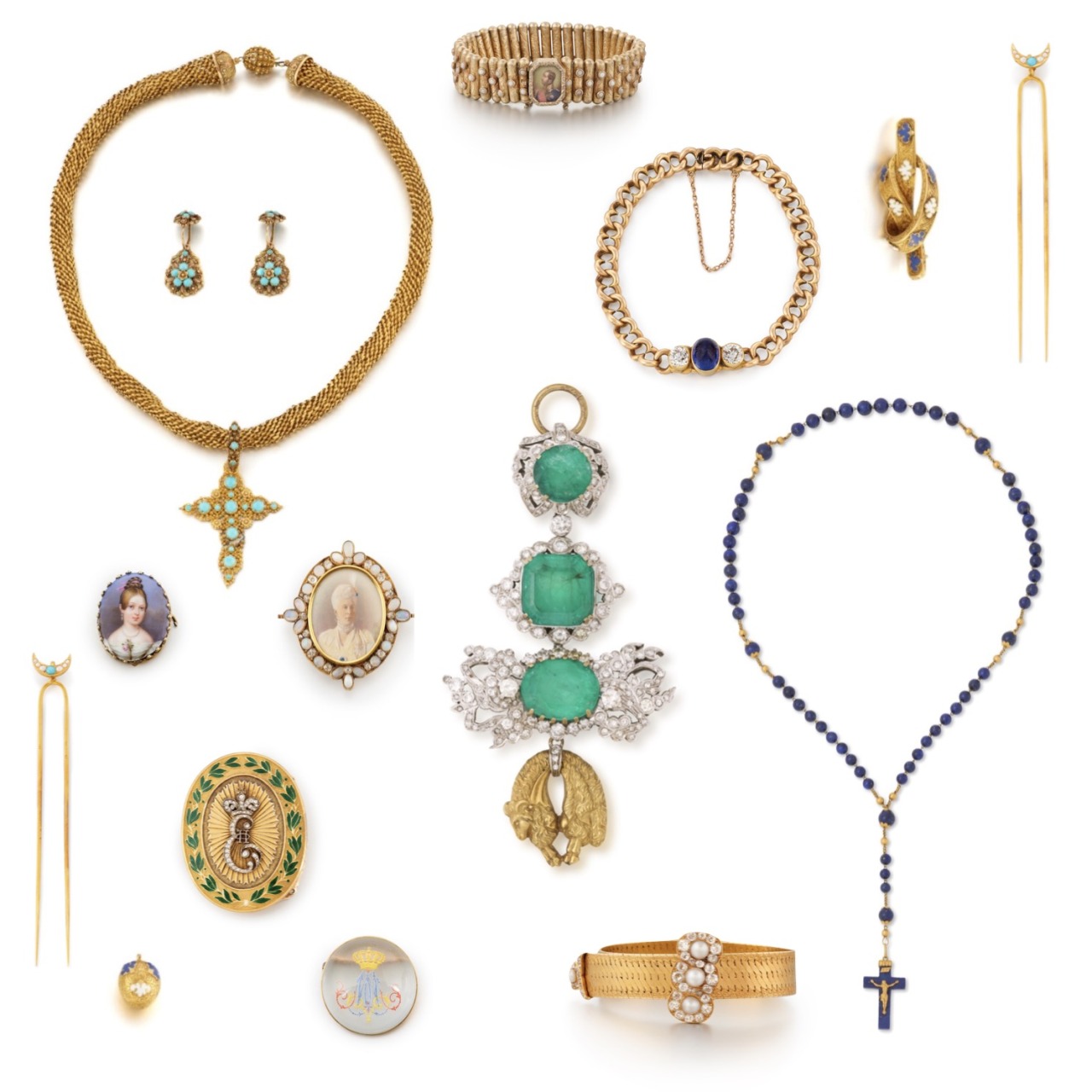
Phillips Geneva Jewels | 11 November 2024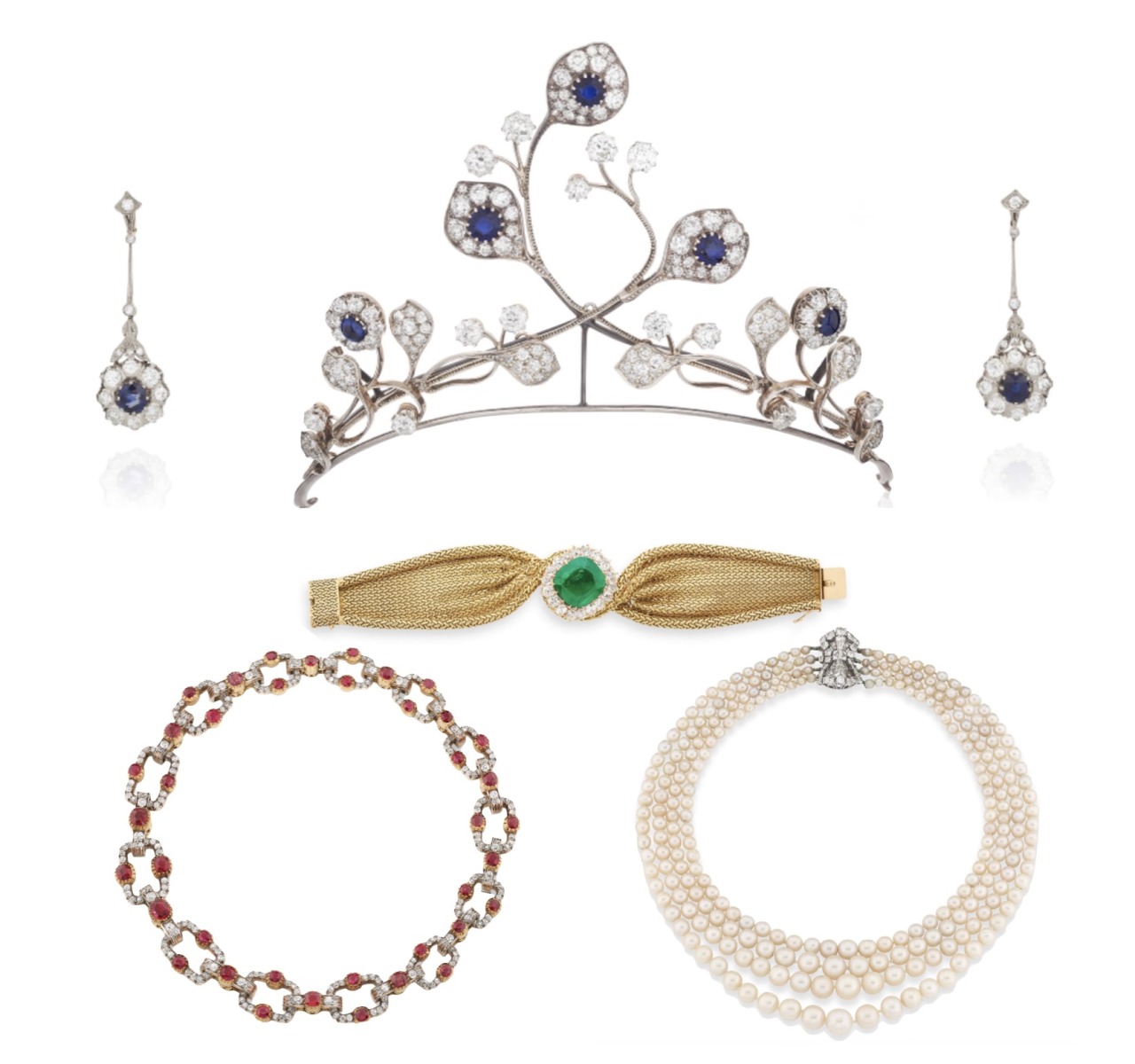
Christie’s Magnificent Jewels | 12 November 2024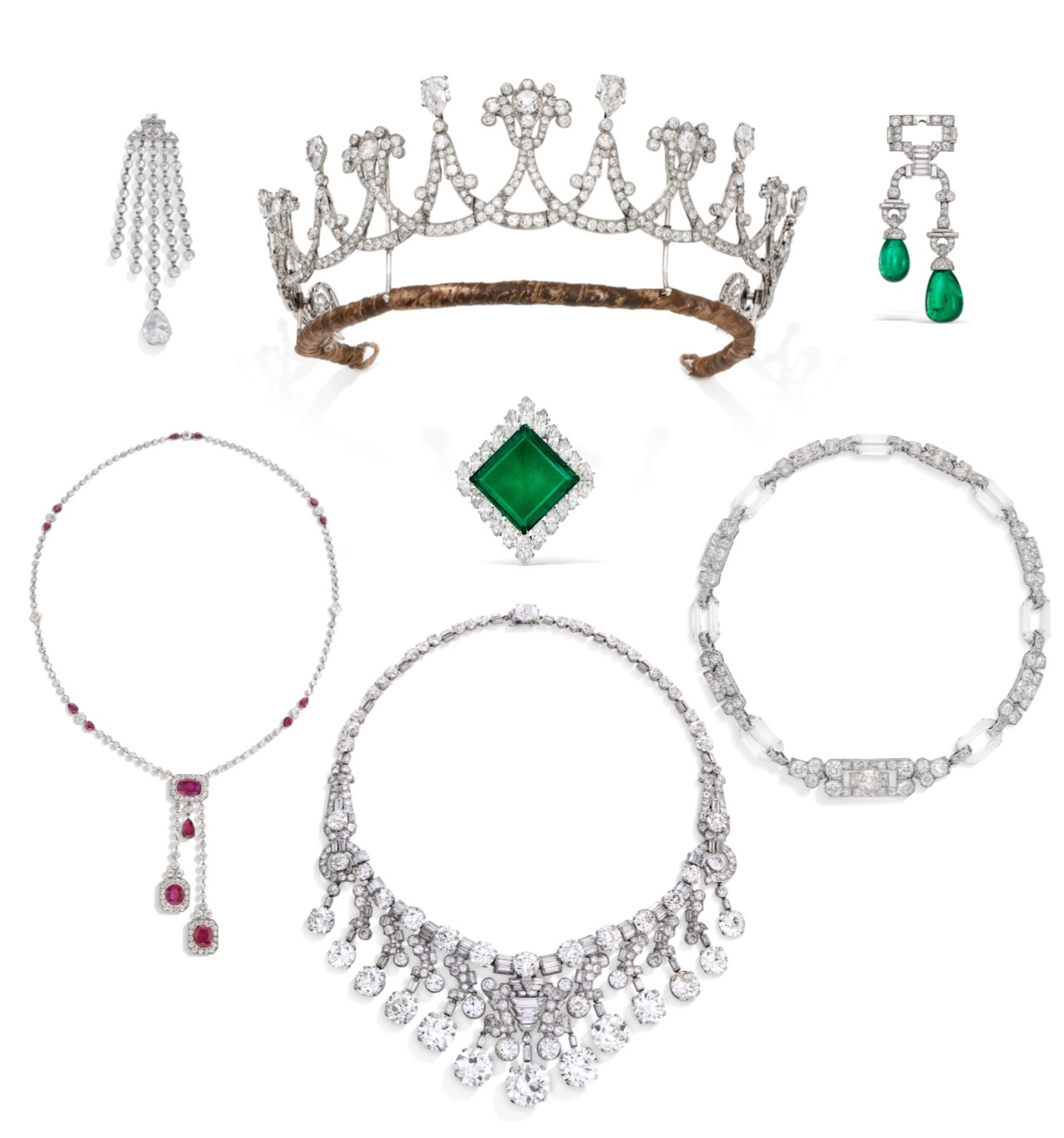
Sotheby’s Royal & Noble Jewels | 13 November 2024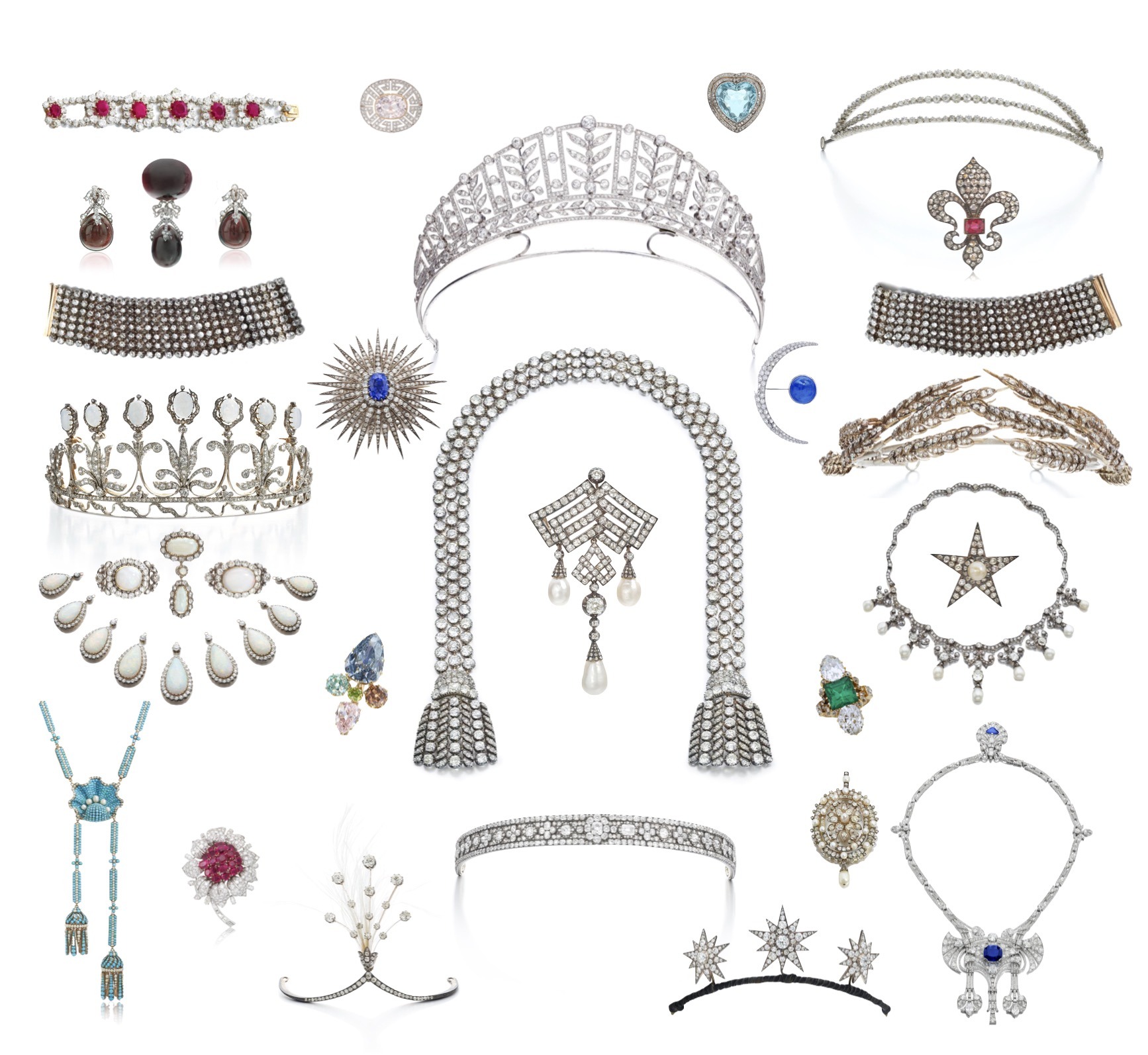
Sotheby’s Important Jewels | 16 November 2024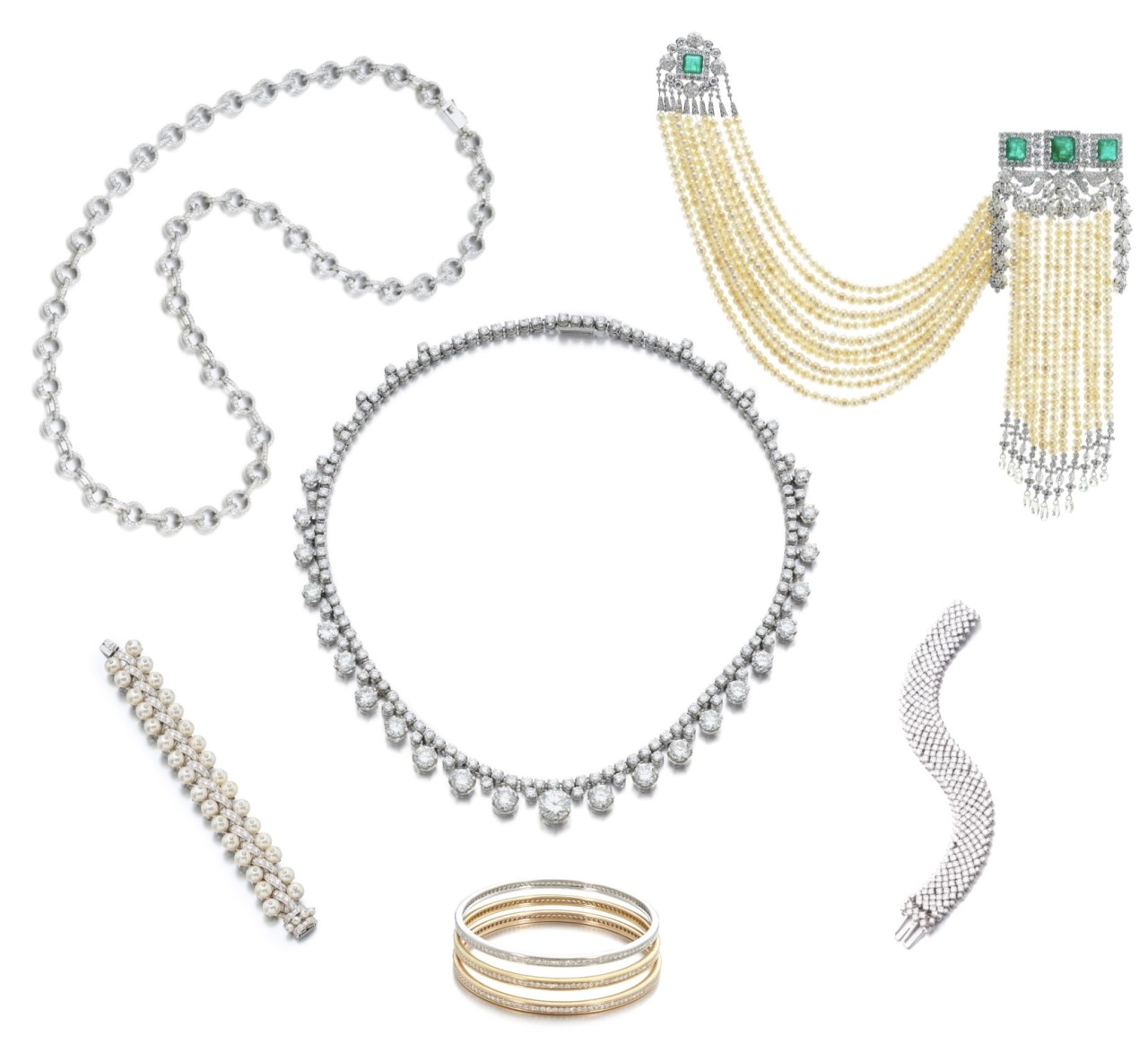
Christie’s Jewels | 20 November 2024
Girls of Great Britain and Ireland Tiara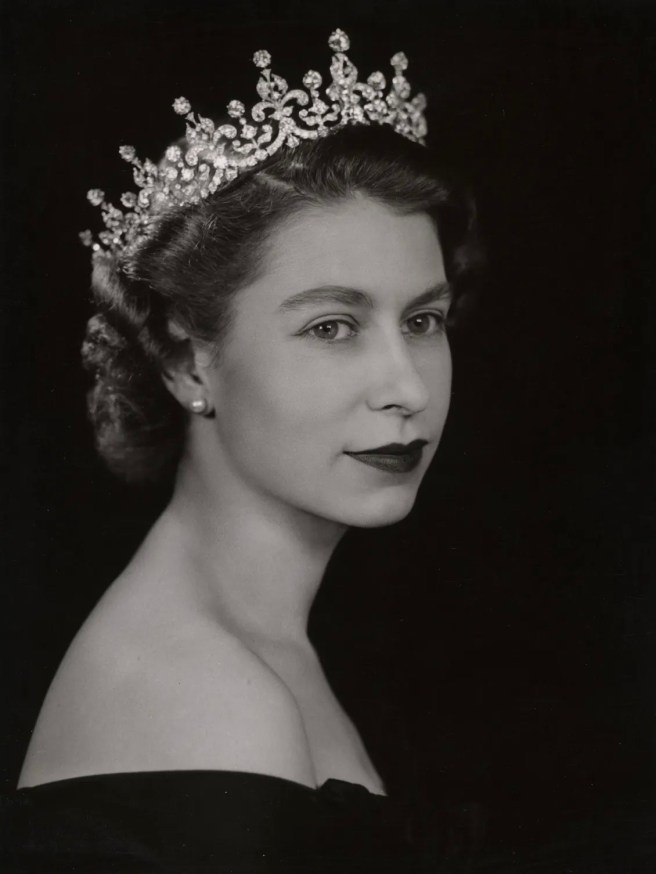
Vladimir Tiara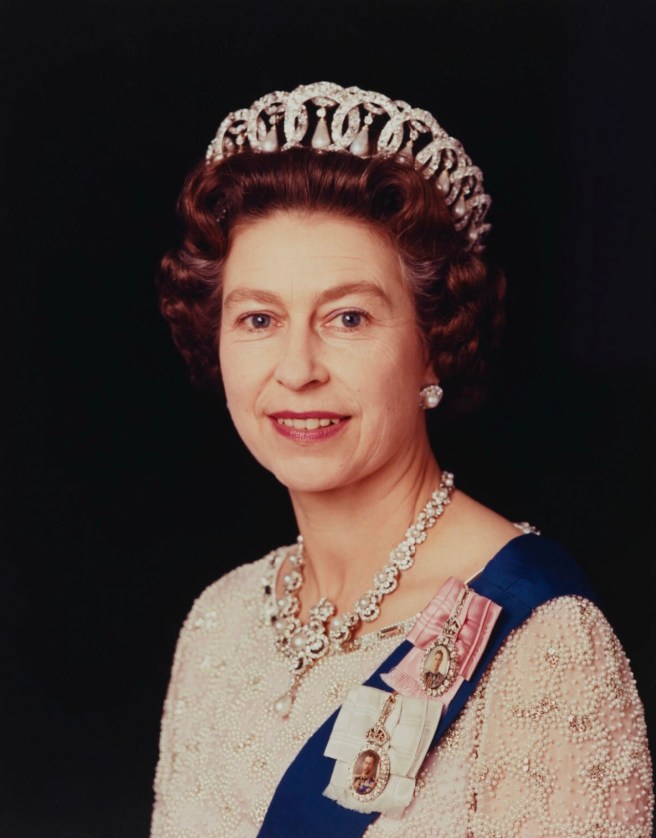
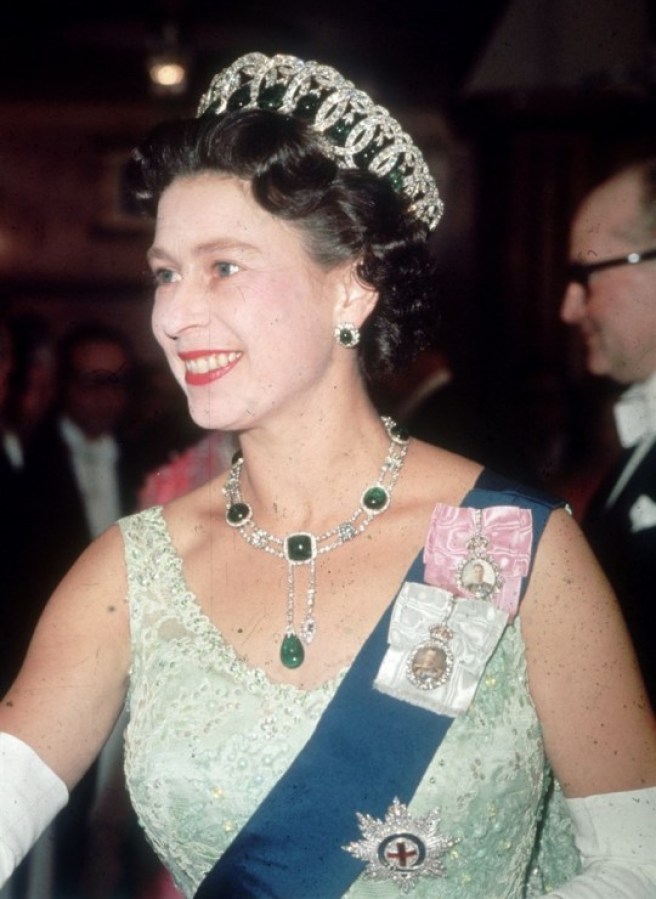
Queen Alexandra’s Kokoshnik Tiara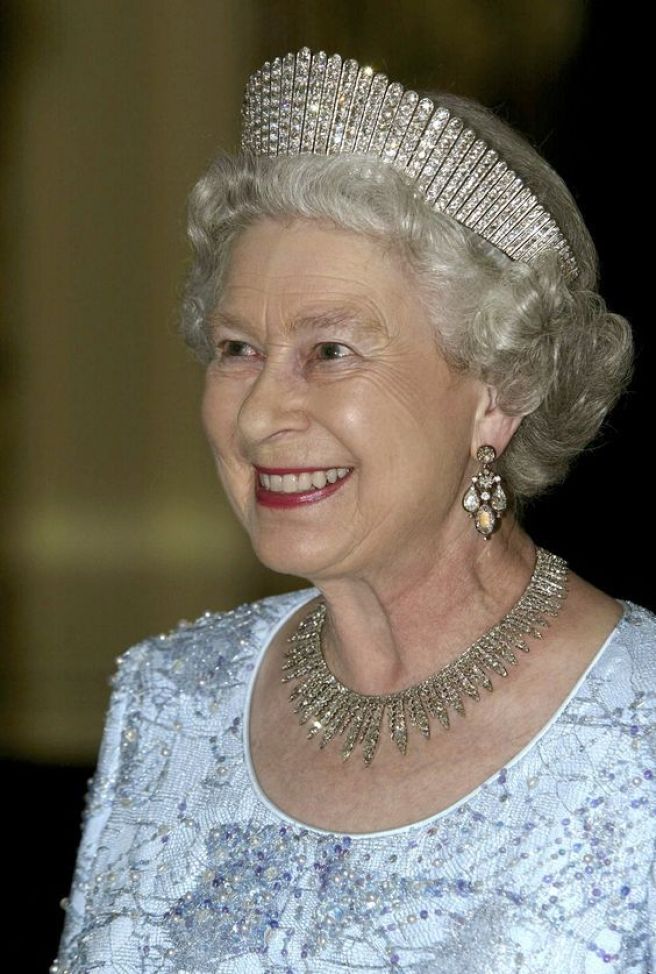
Belgian Sapphire Tiara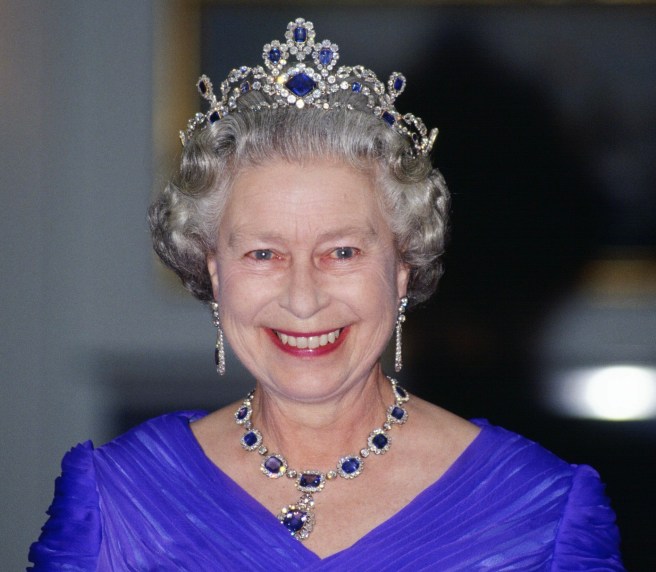
Burmese Ruby Tiara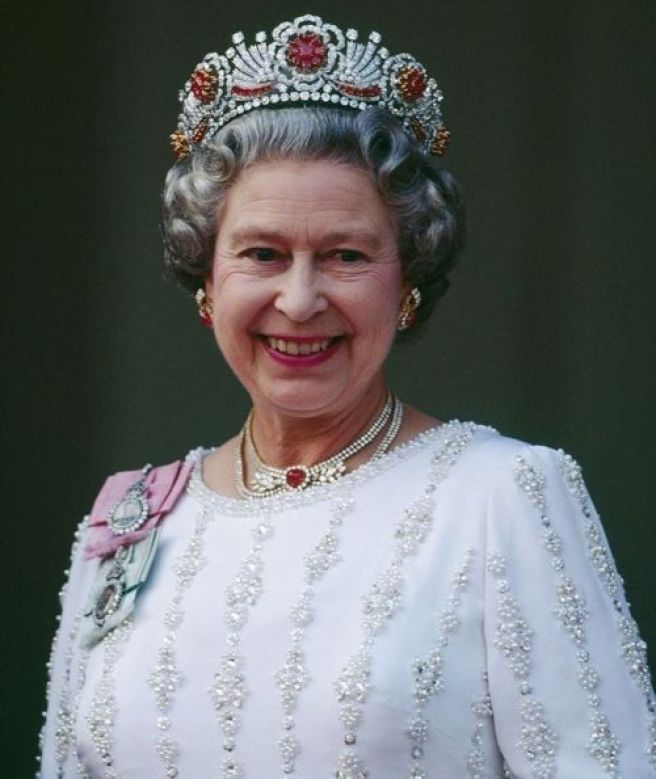
Brazilian Aquamarine Tiara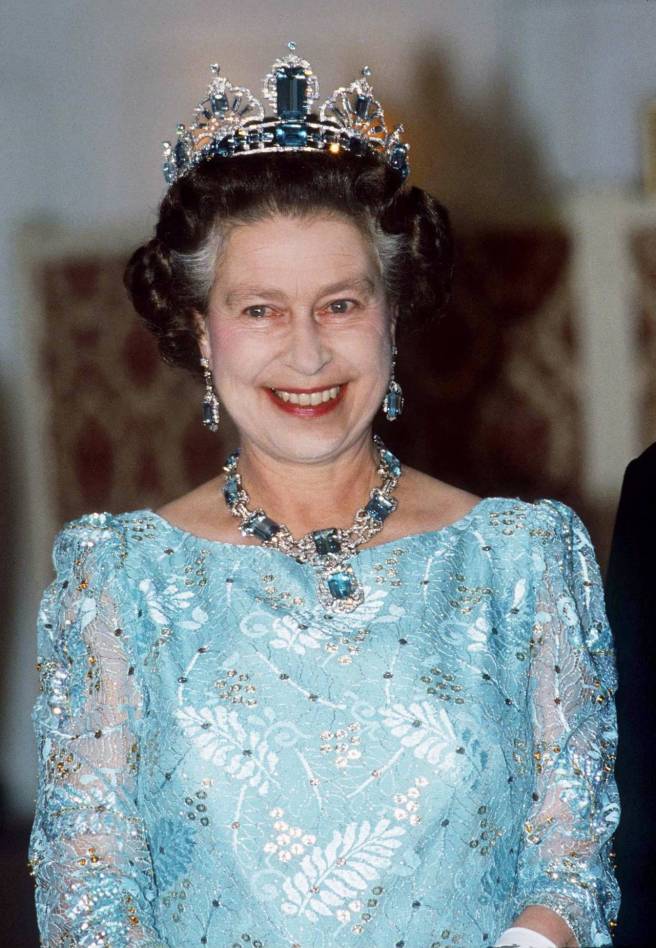
Queen Mary’s Fringe Tiara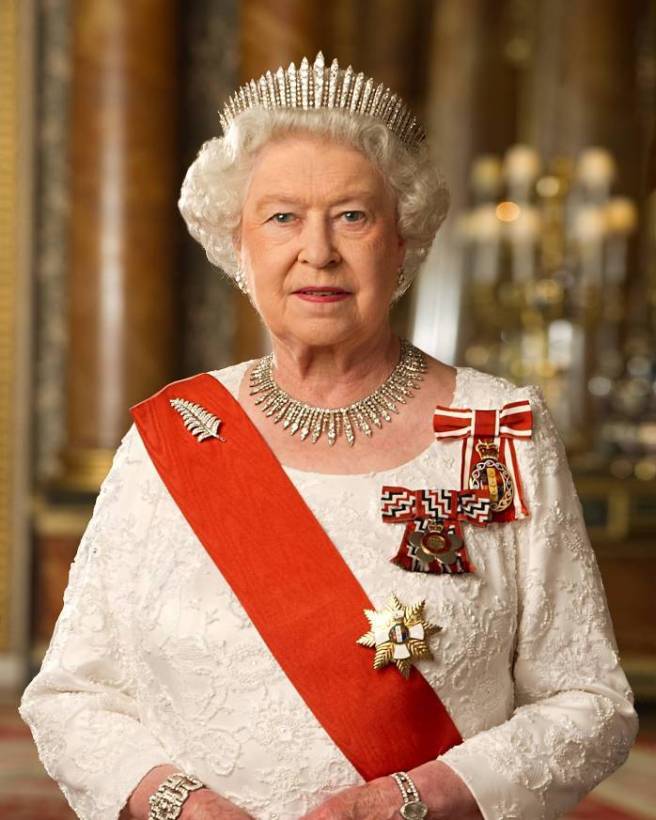
Queen Mary’s Lover’s Knot Tiara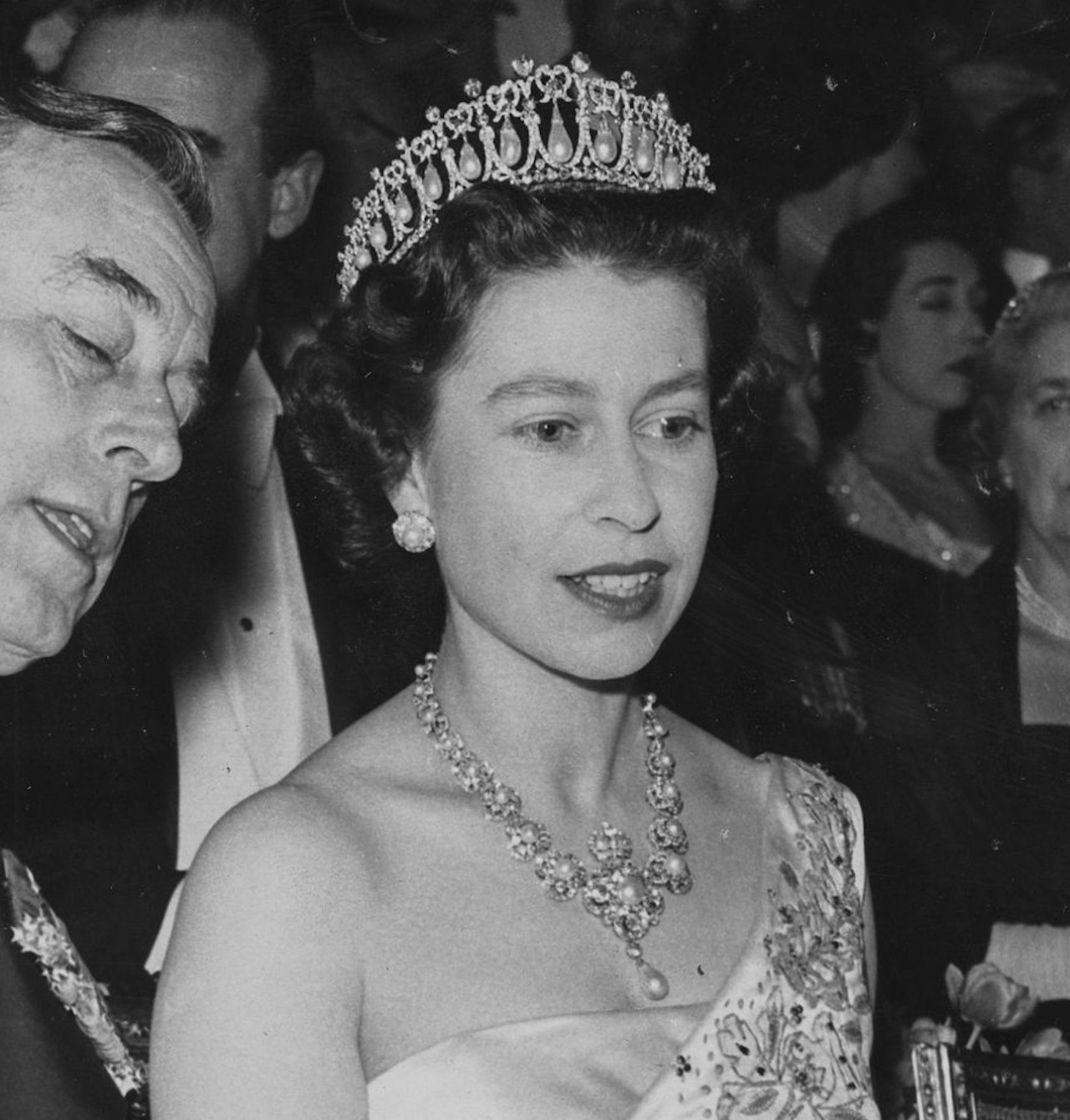
Queen Victoria’s Oriental Circlet Tiara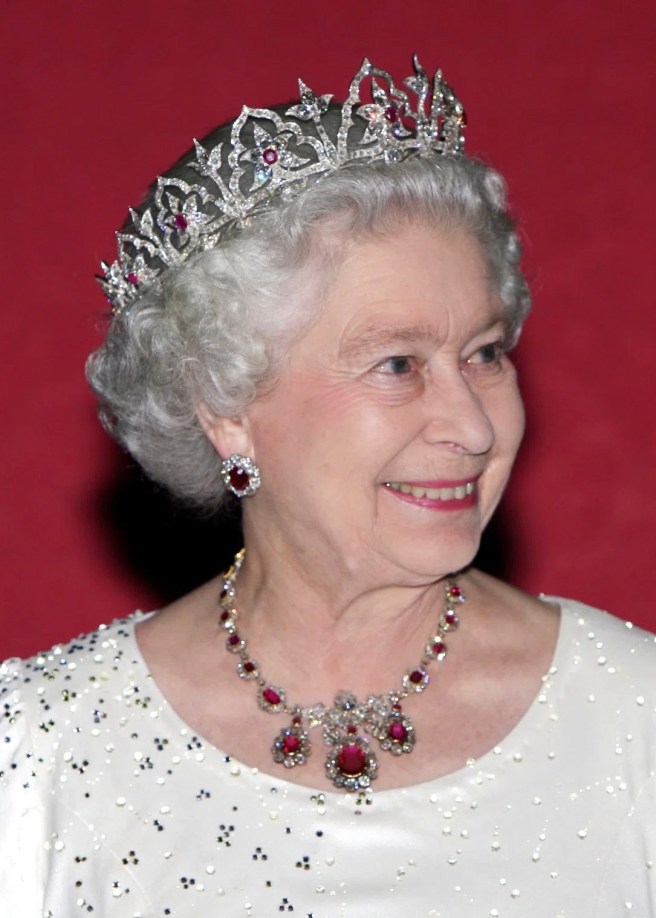



Follow