



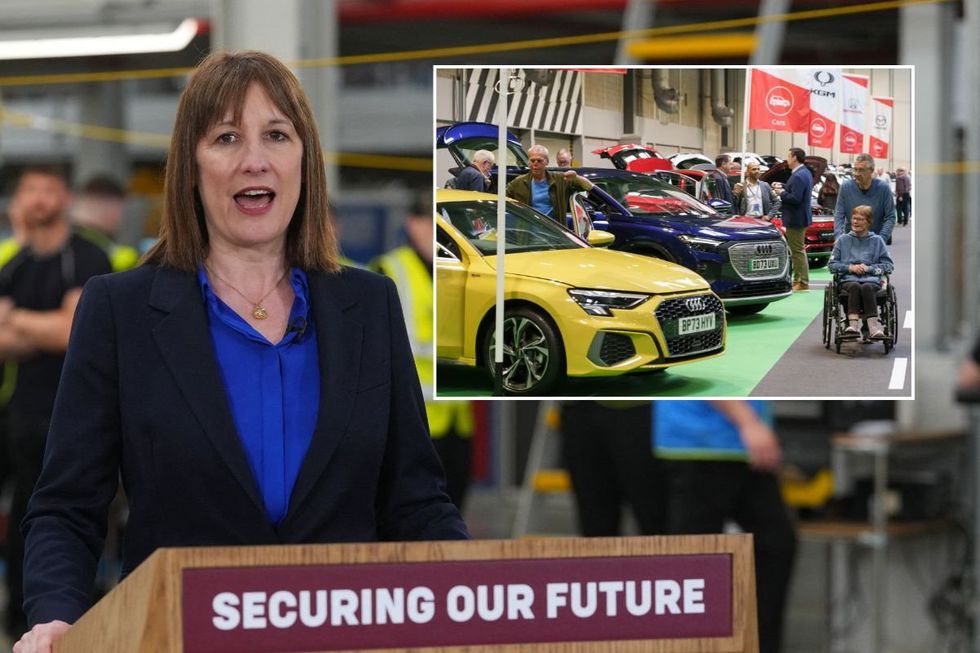
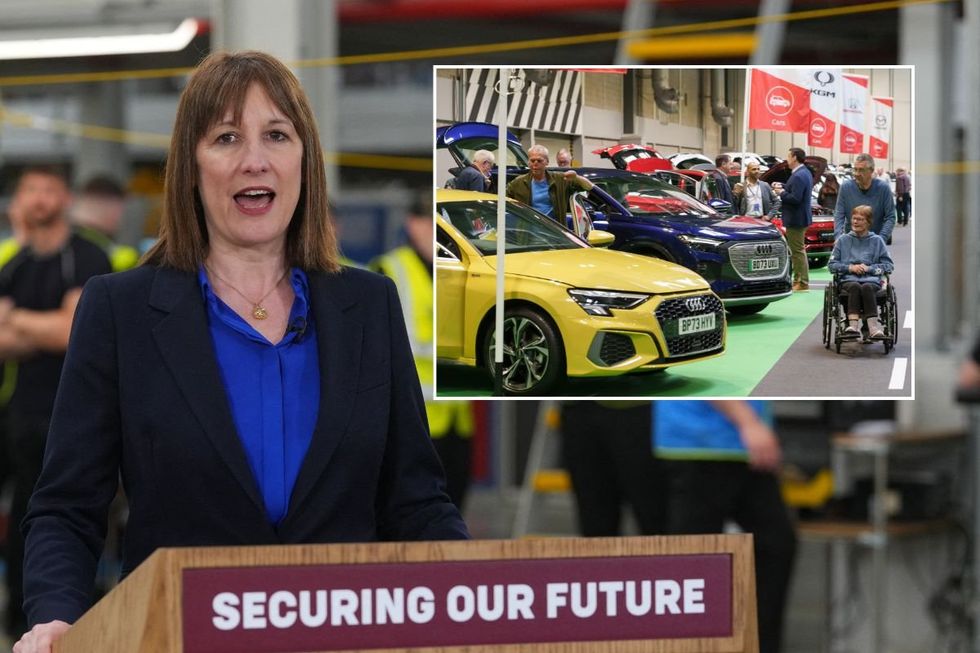
Thousands of drivers have been warned they will be forced to pay more for their vehicles following tax changes announced by Chancellor Rachel Reeves in the Autumn Budget.
From July 2026, drivers using the Motability scheme will face new charges after the Government scrapped VAT exemptions on certain lease payments and introduced Insurance Premium Tax on vehicle insurance.
The measures, revealed on November 26, represent a significant shift in how the scheme operates for disabled people who rely on it for essential transport.
Around 815,000 people currently lease vehicles through Motability, which allows those receiving enhanced mobility benefits to exchange their payments for a car, scooter or powered wheelchair.
However, the Chancellor did state that the changes will not affect existing leases but will apply to all new agreements from next summer.
Under the new rules, Advance Payments made by customers who opt for more expensive vehicles will attract VAT at the standard 20 per cent rate.
These top-up payments, which disabled people make when choosing cars beyond the basic allowance covered by their benefits, were previously zero-rated.
Additionally, a 12 per cent Insurance Premium Tax will be applied to vehicle insurance policies for Motability leases, bringing the scheme in line with other commercial lease providers.
The Government has confirmed that vehicles designed or permanently adapted for wheelchair or stretcher users will remain exempt from both charges. Powered wheelchairs and scooters leased through the scheme will also be unaffected.
The Government’s own impact assessment acknowledged that disabled people will be disproportionately affected by the measures.
Those who currently pay extra upfront for higher-specification vehicles will bear the greatest burden, with some facing reduced disposable income as a result. Meanwhile, HMRC estimated that certain customers will respond by choosing smaller or lower-specification cars to avoid the additional costs.
Others who cannot find suitable vehicles within the no-top-up range may decide to leave Motability entirely, losing access to the scheme’s comprehensive package of insurance, maintenance and breakdown cover.
LATEST DEVELOPMENTS
- Drivers with medical conditions issued urgent DVLA warning as millions risk fines and ‘further legal action’
- British motorists falling for ‘stubborn myth’ as millions overestimate price of electric cars
- Drivers of popular vehicles at risk as unprecedented levels of car thefts impact thousands

Motability has launched a six-month review of its operations in response to the Budget announcements, aiming to absorb additional costs wherever feasible.
The scheme has already removed premium manufacturers such as BMW, Mercedes-Benz, Audi, and Lexus from its vehicle range, refocusing on practical, affordable mobility options.
Despite these cuts, Motability noted that it still offers more than 840 vehicles from approximately 30 manufacturers, with around 40 requiring no Advance Payment.
Mileage allowances, currently set at 20,000 miles annually on standard three-year leases, are among the areas under examination.
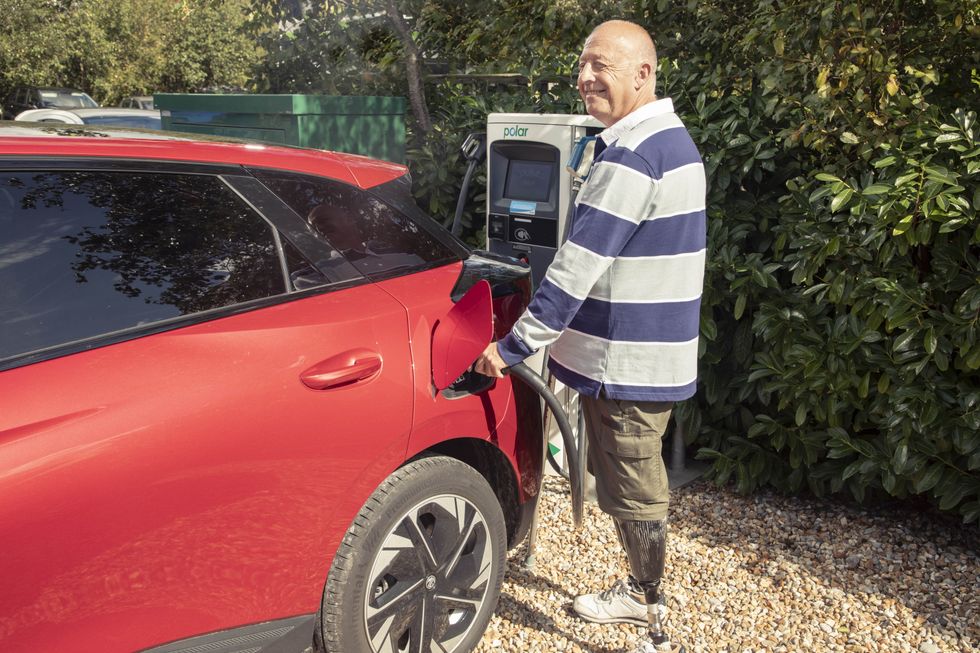
The organisation has pledged to protect its core package of insurance, maintenance and breakdown cover while keeping prices fair.
James Taylor, Director of Strategy at disability equality charity Scope, warned that the changes would increase expenses for disabled people dependent on accessible transport.
“Life costs more if you are disabled; transport, energy and equipment all come with a hefty price tag,” he said. “The Government must work with disabled people to make sure any future reforms create an equal future with disabled people.”
HMRC stated that the policy objective was to promote fairness and value for money for taxpayers, with VAT changes targeting more expensive vehicles and bringing insurance treatment into line with that of commercial lease providers.
Our Standards:
The GB News Editorial Charter



Follow