



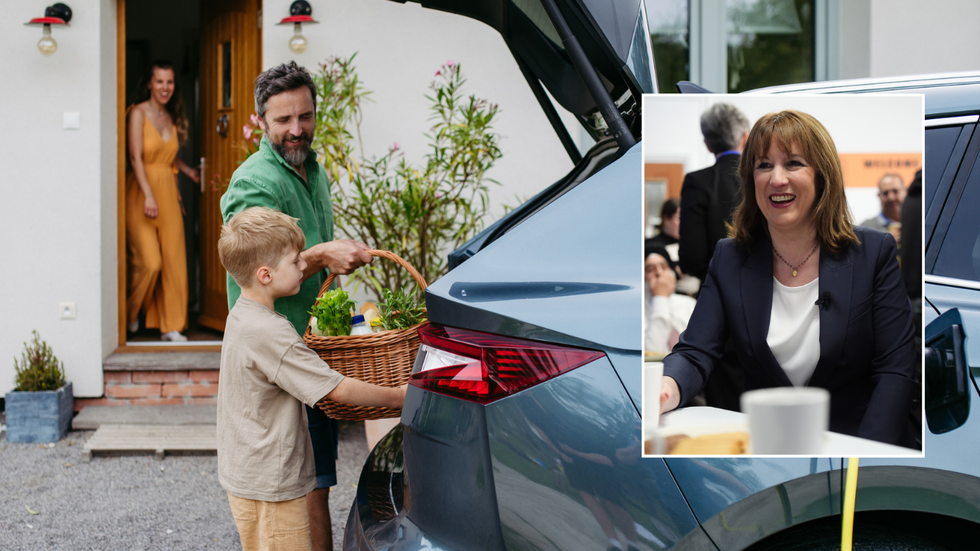
Thousands of drivers have been warned of upcoming higher tax bills after Rachel Reeves hiked the “luxury car tax” at the Autumn Budget.
During the Budget, the Chancellor revealed plans to increase the Expensive Car Supplement to £50,000, which will now see thousands more drivers pay a yearly fee.
The luxury car tax is an annual surplus fee of £425 that drivers must pay if their vehicle is priced at more than £40,000.
However, to help drivers switch to electric cars, the Chancellor noted that for EVs priced between £40,000 and £50,000 they will no longer be subject to the year fee from April 2026.
This change is backdated, meaning most electric cars registered from April 2025 onwards will avoid the tax altogether.
However, EV drivers who renew their vehicle tax before April 2026 may still have to pay for one year. But notably, petrol, diesel and hybrid cars will still be hit by the original £40,000 threshold.
There have been more drivers paying the luxury car tax in recent years, with data revealing that more than 426,000 vehicles are now affected.
New figures showed the total number of impacted drivers has risen by 42 per cent in just two years, up from around 300,000 cars in 2022/23.

Between April and September 2025 alone, more than 119,000 electric cars priced at £40,000 or above were registered. That has brought in over £50million a year for the Treasury.
The Government said that by removing the charge for some electric cars, it will support the shift to net zero, but it admitted the move will cost the Treasury £50million in 2025/26, rising to more than £500million a year by 2030.
DVLA figures showed more than 247,000 hybrid vehicles were subject to the supplement in 2024/25, more than double the number two years earlier. In contrast, diesel cars hit by the tax have fallen sharply, dropping from almost 70,000 to just over 31,000 in the same period.
This showed how the tax is no longer just targeting luxury cars, but is increasingly hitting “everyday family vehicles”.
LATEST DEVELOPMENTS
- Petrol and diesel car ban to be ‘pushed back to 2040’ in huge U-turn for drivers
- Drivers risk breaching Highway Code rules this winter as thousands face £1,000 fine
- Motorists could see new traffic rules unveiled on every road to improve safety for older Britons
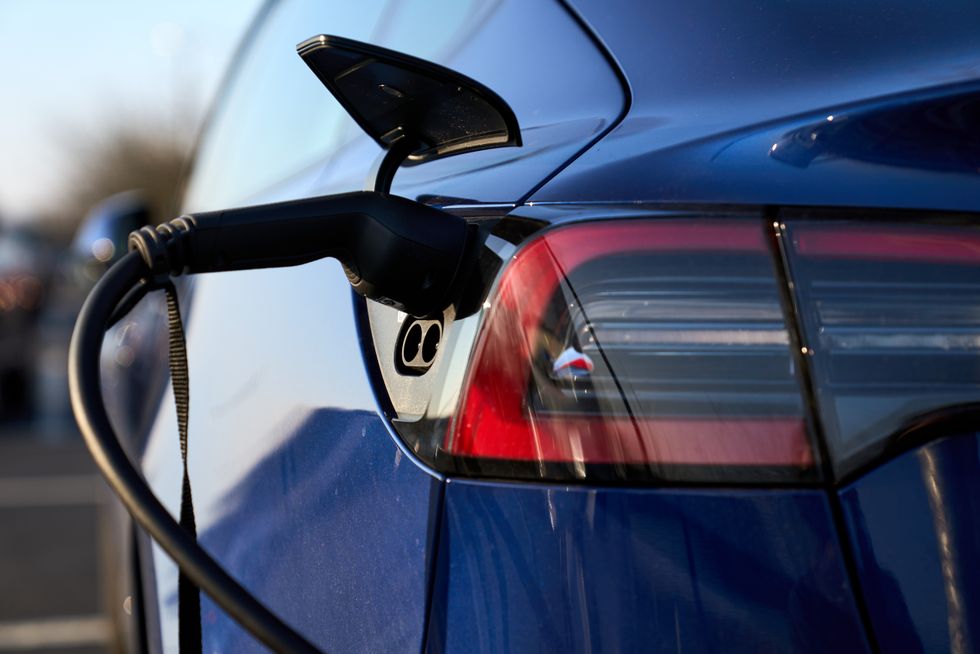
Many modern family SUVs, especially hybrids, can easily cost more than £40,000 once basic safety and technology features are added. These cars are then taxed in the same way as high-end luxury models.
Motoring expert Ben Welham from Marshall Motor Group said the figures show how outdated the threshold has become.
He said: “These are cars that most drivers wouldn’t see as ‘luxury’ any more. Prices have moved on, but the tax hasn’t kept up.”
He also backed the move to raise the threshold to £50,000 for electric cars, saying it reflects how much car prices have risen since the policy was introduced in 2017.
However, some industry figures believe the changes do not go far enough. Vehicle leasing company Alphabet found that the average value of electric cars on its books was now over £56,000.
Meanwhile, reports found that more than half of electric cars priced above £50,000 have an average value of over £72,000.
Caroline Sandall-Mansergh from Alphabet said this shows the threshold should be increased further to better match real-world car prices.
Our Standards:
The GB News Editorial Charter



Follow