



Drivers have slammed plans to shut down a major car-sharing service in the UK, warning it will force thousands of people to buy their own vehicles and worsen congestion in London.
It comes after car-sharing company Zipcar announced last week its intentions to end UK operations by the end of the year, following new cost hikes.
The news has left many customers shocked and scrambling to find alternatives, with a survey by transport charity Collaborative Mobility UK (CoMoUK) revealing six out of 10 affected users now expect they will have no choice but to purchase a private car.
The charity gathered responses from customers through its website, receiving dozens of submissions in just a few days.
Many users said the closure would undo years of progress in cutting car ownership and keeping traffic levels down in the capital. Thousands of Londoners currently rely on Zipcar for occasional access to vehicles without the cost of owning one.
Car-sharing schemes were designed to reduce the number of vehicles on the road while offering cheaper, flexible transport.
CoMoUK explained how each shared car in London removes the need for 31 privately owned vehicles, freeing up parking spaces and lowering congestion.
Campaigners now fear removing Zipcar‘s fleet could reverse this trend, increasing traffic, worsening air pollution, and putting more pressure on already congested roads.
Users responding to the survey shared strong reactions, with one person stating they were “gutted” by the decision, explaining how Zipcar allowed their family to live without owning a car while still having access to one when needed.
Another said they had gone four years without buying a car thanks to Zipcar, but would now be forced back into ownership because public transport could not cover all their travel needs.
But more shockingly, some members said they rely on the service for critical reasons, with one user stating they used Zipcar to take their mobility-impaired partner to hospital appointments.
Others said the van hire service was vital for their work or for practical tasks such as moving home. Several called the decision “shortsighted”.
LATEST DEVELOPMENTS:
- Labour doubles down on pay-per-mile car taxes as Rachel Reeves backs ‘difficult decision’
- Drivers risk losing car insurance and driving licence this Christmas amid little-known road rule
- Motorists risk £1,000 fine for common driving habit breaching Highway Code headlight rule this winter

Richard Dilks, chief executive of CoMoUK, said the response from users showed how serious the impact of the closure would be, especially in London. He warned that shutting down the service could lead to more cars on the road and more miles driven.
Mr Dilks said many members were now considering buying cars because there is no comparable alternative offering the same level of convenience and flexibility.
With time running out before the planned exit, CoMoUK said it is holding urgent talks with London boroughs, Transport for London and other operators to develop a coordinated car-sharing plan for the capital.
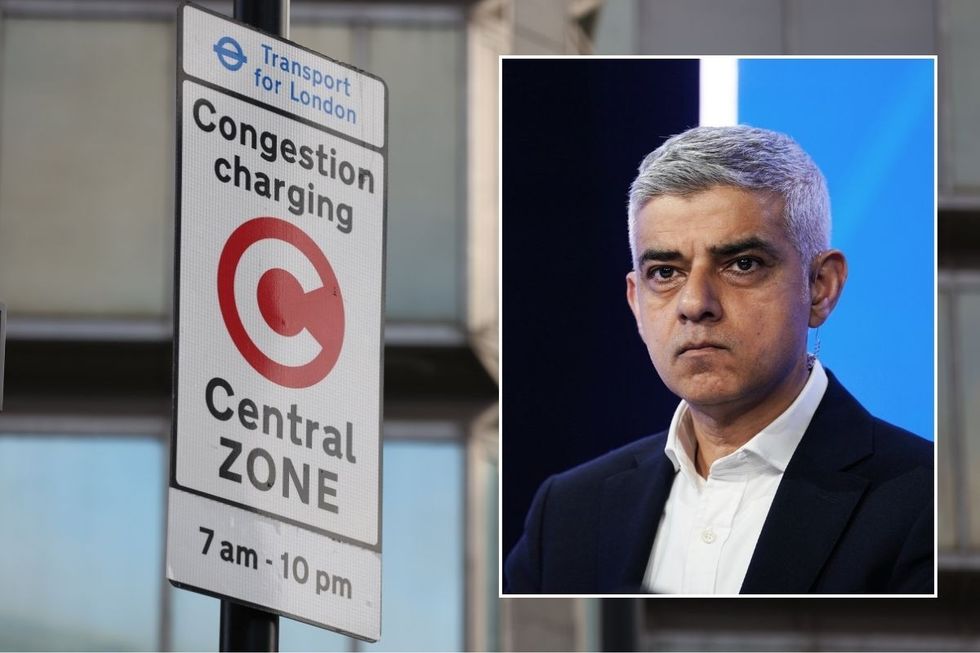
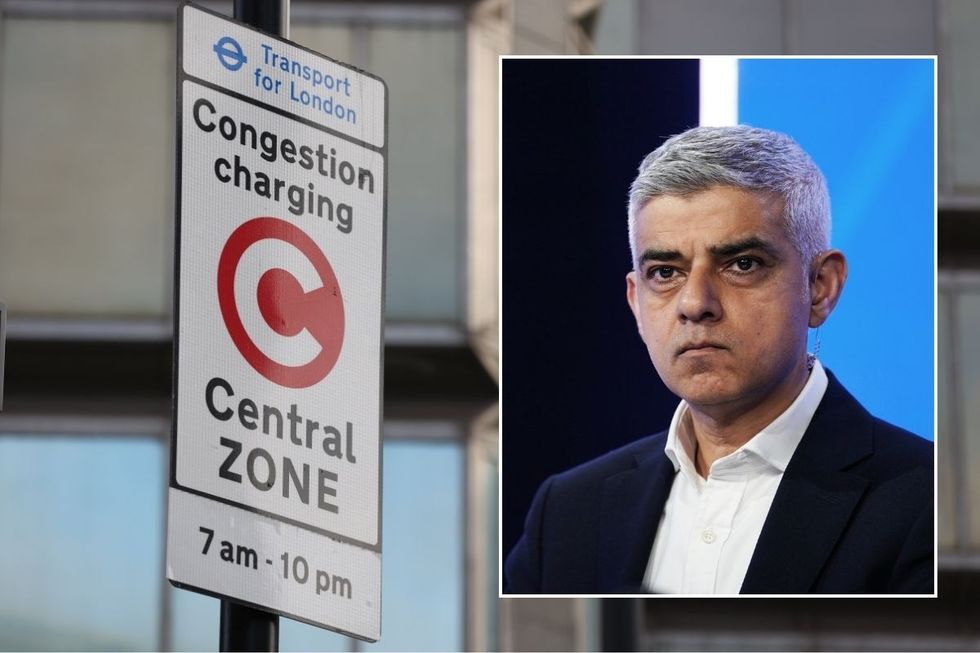
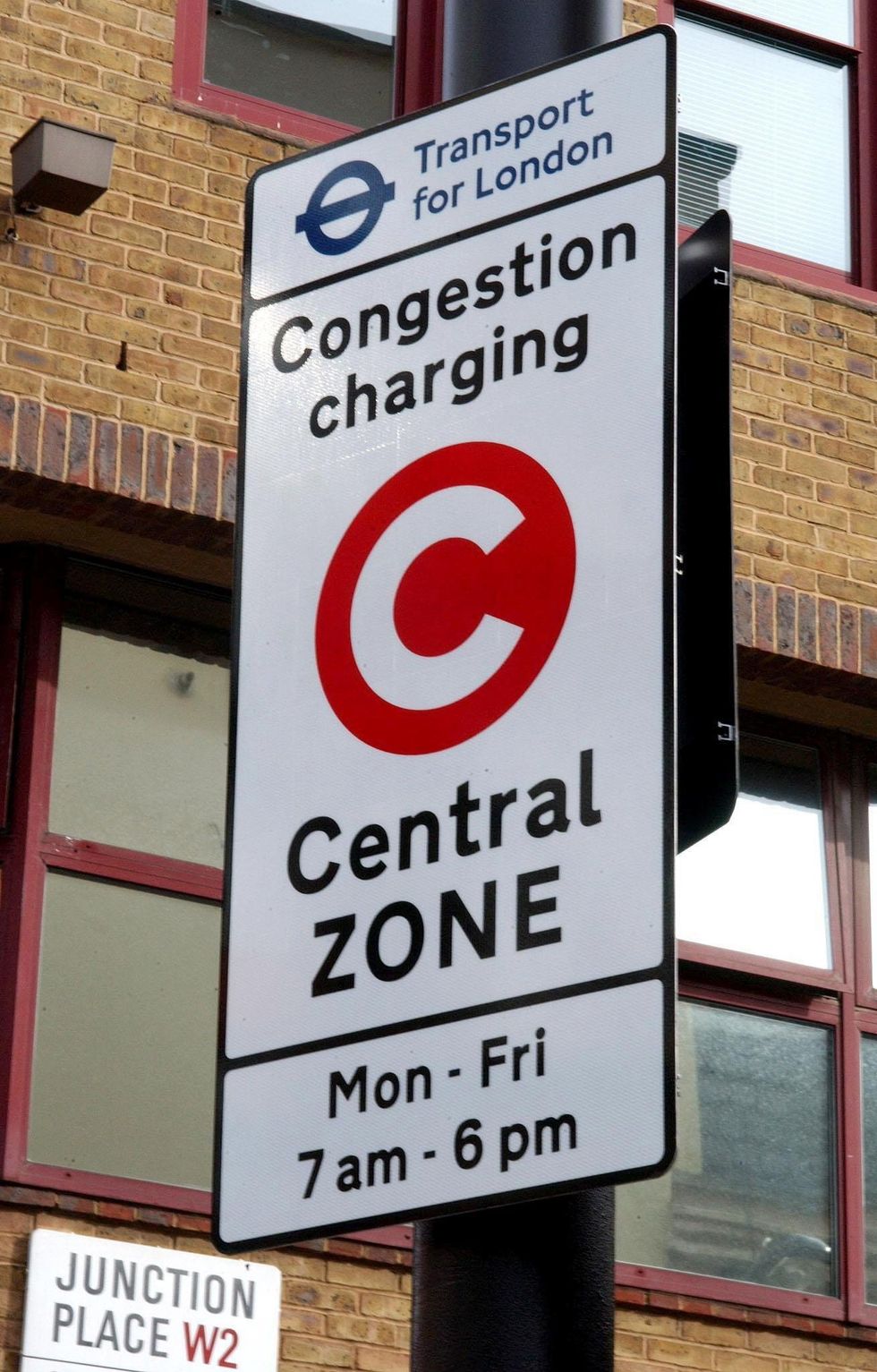
The planned shutdown comes as businesses in London face rising costs. The congestion charge is due to increase by 20 per cent, from £15 to £18, in January.
Sadiq Khan, Mayor of London, said: “Keeping London moving by reducing congestion is vital for our city and for our economy.
“While the congestion charge has been a huge success since its introduction, we must ensure it stays fit for purpose, and sticking to the status quo would see around 2,200 more vehicles using the congestion charging zone on an average weekday next year.”
At the same time, electric vehicles will lose their exemption from the charge, meaning even greener fleets will face new levies.
The impact could extend far beyond Zipcar itself. Around half a million Londoners could lose access to shared vehicles, while garages, mechanics and supply-chain businesses may also see a drop in trade.
Our Standards:
The GB News Editorial Charter



Follow