



Regular trims are essential to any healthy hair routine, but if you want to speed up the growth process, you’ve probably wondered: does hair grow faster when you cut it? The answer isn’t as straightforward as you might think. Your unique hair type, style, and overall hair goals all play into your growth rate – and how much of an impact getting your hair cut might have.
Below, experts weigh in on whether trims can actually make your hair grow faster – plus, how often you should be cutting your hair for best results.
Featured in this article

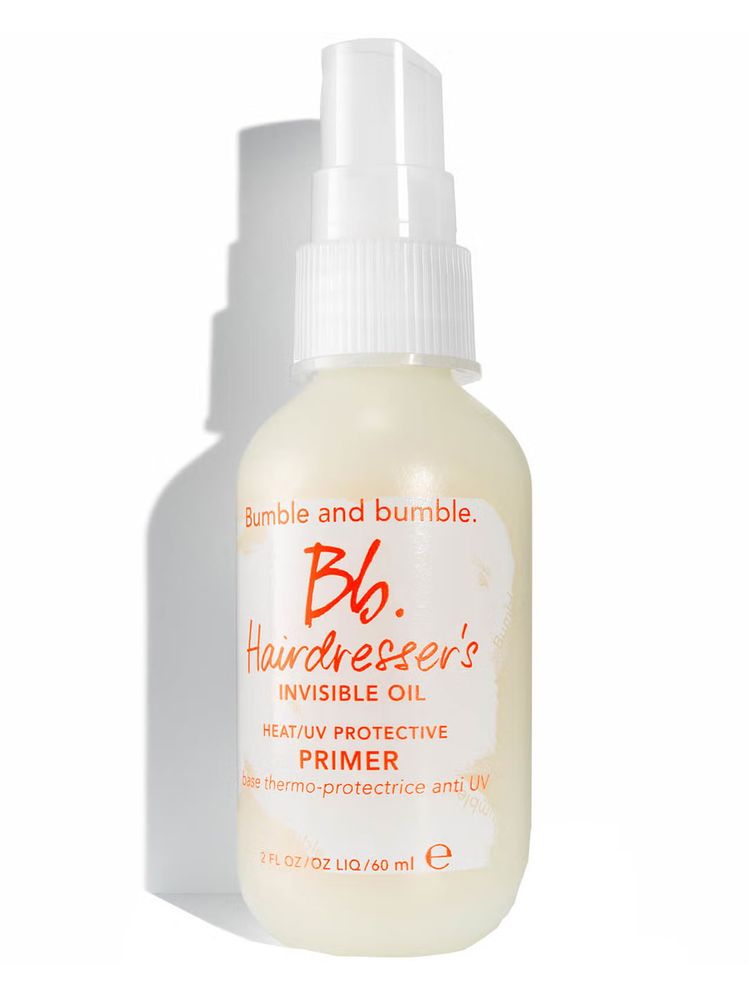
Bumble and bumble Hairdresser’s Invisible Oil Heat/UV Protective Primer 60ml
Does your hair grow faster when you cut it regularly?
Since hair grows from the root, not the tip, lots of hair growth advice focuses on nourishing and stimulating the scalp. And while scalp serums or hair serums, massages and hair growth vitamins can help, “sometimes hair growth is simply a matter of taking better care of your hair – which, of course, includes those dreaded regular trims,” says Michele Green, board-certified cosmetic dermatologist in New York City.
While staying on schedule with trims won’t make your hair sprout at record speed, it will prevent damage that slows down healthy growth. It’ll also help you maintain density in your ends, which can make your hair appear fuller and longer overall. “Regular haircuts are important for removing split ends and preventing them from traveling up the hair shaft, which can lead to further damage and breakage,” says Min Kim, celebrity colourist and L’Oréal Professionnel global ambassador. “If you don’t cut your hair regularly, split ends can worsen, resulting in dull-looking hair that’s prone to breakage.”
This rule applies whether you want to grow your hair longer or chop it into a bob. According to Kim, trimming also helps to maintain the hair’s shape and manageability. Plus, regular salon visits mean more opportunities for a hair pro to weigh in on your hair concerns, says Shelly Aguirre, a hairstylist at Chicago’s Maxine Salon. “When getting haircuts, your stylist can look at your overall hair and scalp health from an angle that you’re not able to see,” she points out. “You may have buildup on your hair or scalp that you’re not even aware of.”
The key takeaway: Consistent haircuts are worth it. Keep reading for everything to know about setting – and adhering to – a haircut schedule, according to your hair type, style, and needs.
How often should you cut your hair when growing it out?
If you’re growing your hair out or not maintaining a specific style, Kim says that getting a trim every 8 to 12 weeks is sufficient. “This helps to keep the ends healthy, prevent split ends, and maintain overall hair health,” she explains, and Aguirre agrees.
“When a client tells me they want to grow their hair so they just won’t get it cut for six to eight months, that is actually counterproductive,” Aguirre says. “To grow hair out, I recommend haircuts every three months. This allows that hair to grow without sacrificing the shape and keeps those split ends under control.”
Certain hair types – especially curls, which are naturally drier than straight hair – are more prone to split ends, and can benefit from more frequent trims. If that sounds like you, consult your stylist on your haircut spacing and remember to use heat protectant, treatment masks and hair oils to keep your ends sealed between salon visits.
How often should you cut your hair to maintain a specific style?
“For maintaining a specific style, it’s generally recommended to schedule a haircut with your stylist every six to eight weeks to keep the shape and length intact,” says Kim. This is especially helpful if you have very layered hair or a bob haircut that needs to fall somewhere specific.



Follow