



Experts have warned that changing the deadline to ban the sale of petrol and diesel cars could have a disastrous impact on the transition to cleaner vehicles.
The European Union is expected to reverse its pledge to ban the sale of new vehicles featuring internal combustion engines from 2035, with an official announcement expected next week.
Officials are understood to be abandoning the 2035 ban on petrol and diesel cars, headlined by Manfred Weber, President of the EPP party in the European Parliament, saying he would put forward a “clear proposal to abolish the ban on combustion engines”.
Lawmakers and manufacturers have supported a delay to ensure automakers can keep pace with EV technology and compete with Chinese brands offering impressive features and cheap models.
Some have suggested that the UK could follow suit and also delay its ban from 2030 to a later date. Only electric vehicles will be sold after 2035 in the UK.
Reacting to rumours of potential changes to the deadline of banning petrol and diesel vehicles, Vicky Read, chief executive of ChargeUK, said the Zero Emission Vehicle mandate “should not be the subject of debate once again”.
As part of the ZEV mandate, manufacturers need a minimum percentage of sales to come from electric vehicles, with targets increasing every year.
By the end of 2025, 28 per cent of cars and 16 per cent of vans must be zero emission. This will continue to increase to 80 per cent of cars and 70 per cent of vans by 2030.
Ms Read said: “The EU’s direction matters to the UK, but the discussion in Brussels is essentially a rerun of arguments the UK already addressed in Spring.
“The charging sector is investing billions of pounds in the UK, creating jobs as well as a nationwide infrastructure which is critical to drivers and to car manufacturers in order to sell EVs.”
The expert noted that the private sector had already boosted the number of EV chargers around the UK, with almost 90,000 charging points already installed.
“To continue to do this, we need policy stability, not knee-jerk reactions, so that the charging sector has the confidence it needs to keep investing,” Ms Read added.
LATEST DEVELOPMENTS
- Drivers face £70 fines this week as congestion charge ‘grace period’ ends impacting thousands
- Labour launches new driving campaign targeting major road offence – ‘Right decision’
- Millions of drivers dealt blow amid fears car finance scandal compensation scheme could be delayed
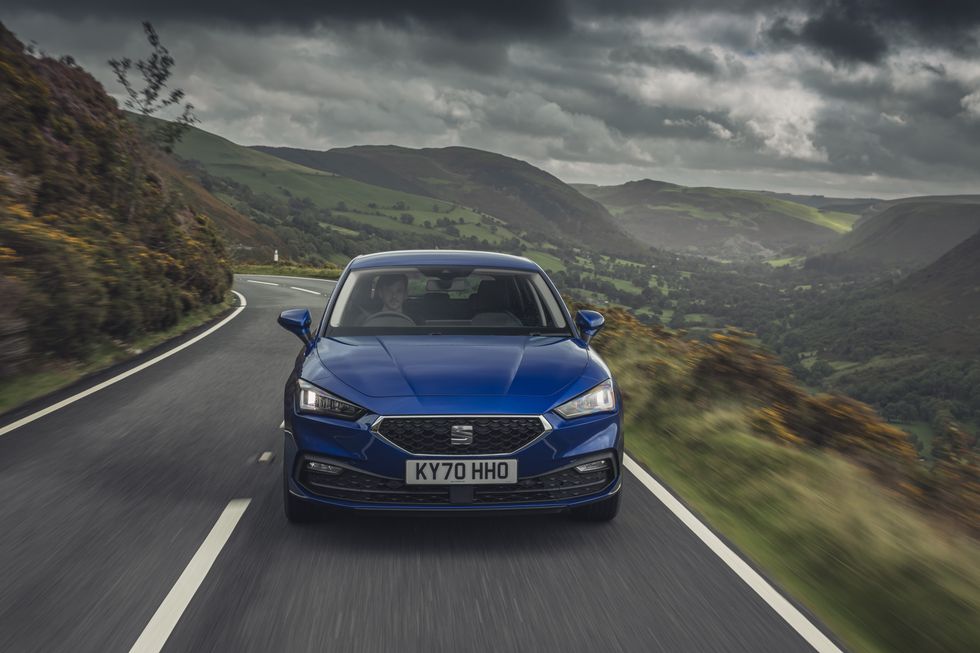
In response to the expected decision from the European Commission, the CEO of Seat said changing the deadline would help the manufacturer adjust to EV plans.
Speaking to Reuters, Markus Haupt said customer uptake of electric cars had been slower than expected, with hopes that a delay to the deadline could help the brand support its progression to EVs.
A Government spokesperson told GB News: “We remain committed to phasing out all new non-zero emission car and van sales by 2035.
“More drivers than ever are choosing electric, and November saw another month of increased sales with EVs accounting for one in four cars sold.”
It added that the Government was investing more than £7.5billion to support drivers and companies in the switch to electric vehicles, including £4billion for British manufacturing.
Chancellor Rachel Reeves committed a further £1.3billion for the Electric Car Grant in the Autumn Budget, which allows drivers to save up to £3,750 off the price of a new EV.
The incentive scheme has already been used by 40,000 drivers. Almost £2billion in funding is available for the scheme, with the Government hoping the ECG will be used by thousands more drivers.
More than 40 models are available for the incentive scheme, including models from Citroen, Ford, Renault, Nissan, Mini, and Vauxhall.
Our Standards:
The GB News Editorial Charter



Follow