




A controversial stealth tax from Chancellor Rachel Reeves is set to cost thousands of British workers up to £4,420 by the end of the decade, according to damning new analysis.
The Chancellor’s decision to extend the freeze on personal tax thresholds until 2030 has received criticism for contributing to fiscal drag, which leads to people paying more to HM Revenue and Customs (HMRC).
Fiscal drag occurs when incomes or inflation rise during a period of time when tax thresholds are kept at the same level, resulting in Britons being pulled into higher tax brackets.
Tax thresholds were originally frozen by former Conservative Chancellor Jeremy Hunt in 2021 but Ms Reeves’s confirmed an extension to the freeze during her Budget statement last month.

As well as this policy move, the Chancellor revealed a £2,000 cap on workplace pension contributions via salary sacrifice with National Insurance to be charged on any amounts above this threshold.
New research from Standard Life found 74 percentage point gulf in how different age groups view the 2025 Budget, with older Britons deeply pessimistic while younger adults remain broadly optimistic.
The pension provider’s post-Budget survey found those aged 55 and over registered net approval of minus 37 per cent, citing frustration over tax increases and alterations to ISAs and pensions.
By contrast, adults between 18 and 34 recorded net positive sentiment of plus 37 per cent, buoyed by measures including the national living wage rise, which attracted net support of plus 58 per cent among this cohort.
Overall public approval sits at minus eight per cent, while confidence in pensions delivering adequate retirement income has dropped 10 percentage points compared to last year.
The planned changes to salary sacrifice arrangements, scheduled for 2029, are compounding financial anxiety among workers. The scheme currently enables employees to redirect part of their pre-tax salary into pension contributions, cutting both income tax and National Insurance liabilities.
Standard Life’s findings show 18 per cent of all respondents are “very concerned” about the forthcoming overhaul, with this figure climbing to a third among those earning £70,000 or more annually.
Nearly half of worried respondents fear the reforms will diminish their motivation to save for retirement. Among higher earners expressing concern, 49 per cent believe the changes could affect decisions around promotions or salary increases.
Overall, one in five people said the new rules might influence whether individuals accept higher-paid positions. The Budget also confirmed income tax thresholds will stay frozen until 2031, extending the existing freeze by an additional three years.
This policy has again exposed sharp generational divisions, with 18 to 34-year-olds showing net support of plus 36 per cent compared to minus 29 per cent among the over-55s.The cumulative cost of the freeze, which began in 2021, will be substantial by the end of the decade.
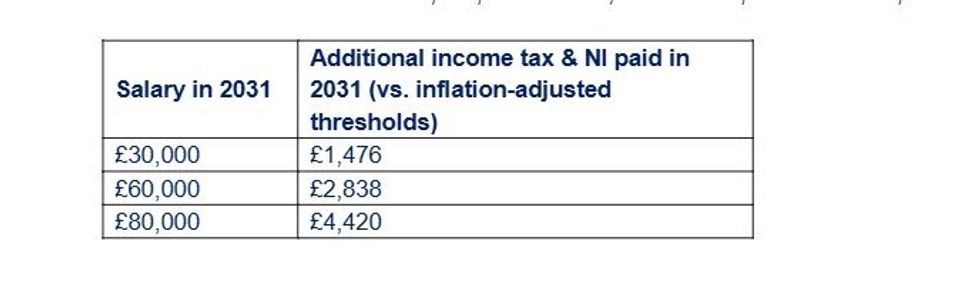
Someone on £30,000 annually will pay £1,476 more in income tax and National Insurance by 2031 than they would have if thresholds had risen with inflation. For those earning £60,000, the additional burden reaches £2,838, while workers on £80,000 face an extra £4,420 in deductions.
Mike Ambery, the retirement Savings Director at Standard Life, part of Phoenix Group, said: “The Budget has landed very differently depending on where people are in life.
“Younger adults see room for optimism – many support steps like the rise in the national living wage, which perhaps gives them a sense that the system is beginning to move in their favour.”
He added that older generations appear to feel “the rug is being pulled under them at the worst possible moment.”
On salary sacrifice, Mr Ambery warned: “Changing it now risks making saving feel harder at a time when most people are already under-saving for retirement.”
He concluded: “This is a moment for clarity and stability. Pensions are for the long-term and any future reform should give people more certainty about their future, not less.”
Our Standards: The GB News Editorial Charter



Follow