




Labour’s new planning reforms could see thousands of Britons’ gardens bulldozed, the Tories have warned.
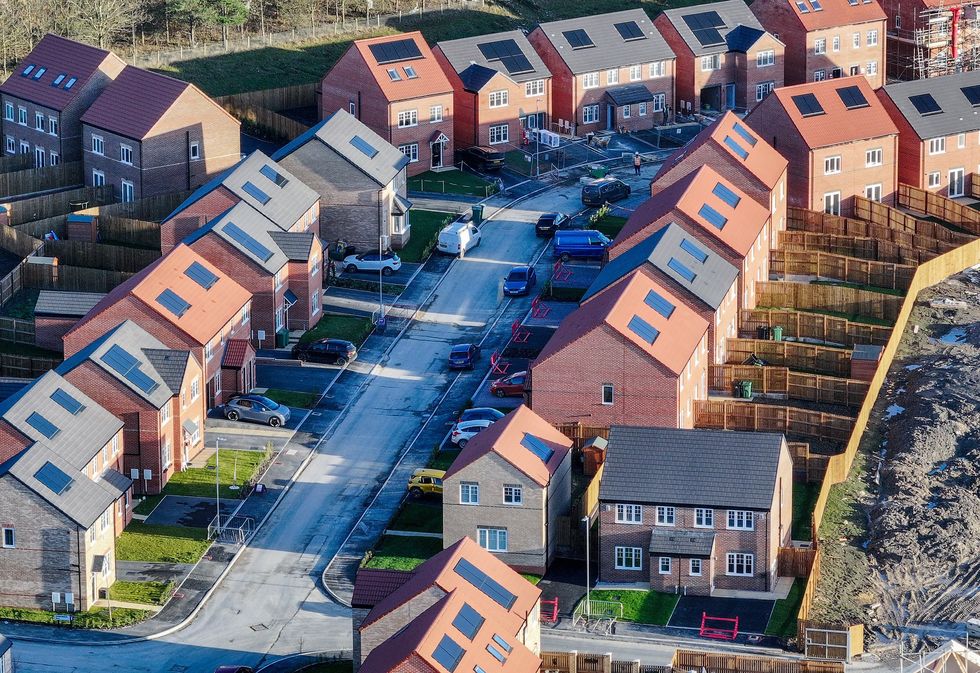
On Tuesday, the Government unveiled a radical overhaul of the planning system in an attempt to get Labour’s pledge to build 1.5 million new homes back on track.
Rachel Reeves claimed the reforms were designed to bring an end to a structure that “slows growth, frustrates business and prices the next generation out of a secure home”.
But fears are rising the sweeping changes could result in a “free for all” for property developers, with gardens destroyed and large areas of the green belt lost.
Under the new rules, councillors will be prevented from blocking smaller developments, and “Nimby” activists will be prohibited from submitting persistent objections to halt construction.
Ministers will encourage “the redevelopment of low-density residential plots, introducing higher buildings at street corners and infill development within residential (boundaries)”.
The newly established National Planning Policy Framework (NPPF) will “support the effective and efficient use of land”.
The reforms will also allow property developers to purchase homes with large gardens and replace them with new builds that have smaller or no gardens.

Tory planning spokesman Gareth Bacon accused ministers of “returning to something that the previous Labour Government did… Namely, garden grabbing”.
“It is clear that, because of Labour’s failure to build homes on brownfield land, it now has residential gardens in its sights,” he said.
Housing and Planning Minister Matthew Pennycook, however, vowed that the Government would be prioritising development on “brownfield” sites.
But Mr Pennycook admitted: “There is no way of building the volume of homes our country needs with brownfield land alone.
LATEST ON LABOUR:
- Labour to confirm plans to open Britain’s doors to TENS OF THOUSANDS under EU plot
- Shabana Mahmood facing legal challenge over ‘hate crimes’ amid free speech row
- Labour under pressure to return millions to donor after controversial Bondi Beach massacre remarks
“There is not enough… brownfield land that is in the right place and viable to meet that need.
“We do need to release more land, including green-belt land, but we are doing it in a fair way.”
The changes will also see “expert-trained planners” handed greater power over small development decisions, with council planning committees losing the right to decide.
Ministers say the overhaul to Britain’s planning system will fast-track applications and make approvals easier to obtain for developers.
The Local Government Association described the new measures as “the most significant we’ve seen”.
It said: “Planning committees are the democratic backbone of the planning system, with councils being accountable to their communities about what should be built where.
“This is a central tenet that must remain under a reformed planning system.”
Housing Secretary Steve Reed also claimed the changes will help the Government achieve its 1.5-million-home goal.

Labour is currently on track to significantly miss the target, with just 139,000 homes built in the party’s first year since taking office – the lowest figures since the COVID-19 pandemic.
Mr Reed said: “Right now we see a planning system that still isn’t working well enough.
“A system saying ‘no’ more often than it says ‘yes’ and that favours obstructing instead of building.
“It has real-world consequences for those aspiring to own a home of their own and those hoping to escape so-called temporary accommodation – we owe it to the people of this country to do everything within our power to build the homes they deserve.”
Our Standards:
The GB News Editorial Charter



Follow