



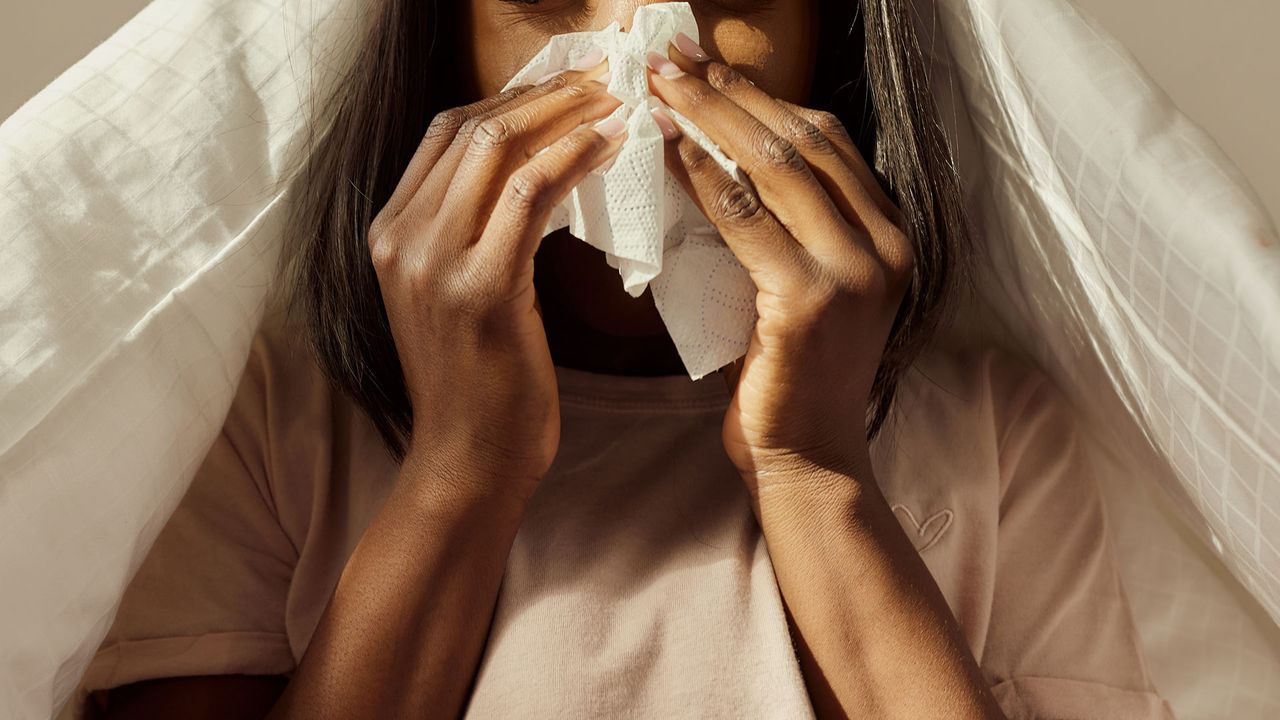
If it seems like you’re entering yet another Christmas season feeling ill and rundown, it’s not all in your head. Doctors say that stress at this time of the year can raise the odds you’ll get sick.
That includes everything from viral illnesses to allergic reactions, says Rita Kachru, an allergist and immunologist at UCLA Health. If you feel a little frazzled over a pre-Christmas work deadline, Dr Kachru says you’re unlikely to end up getting ill from that alone. But if you’re constantly struggling with the onslaught this season brings, you – and your immune system – could end up paying for it. Here’s why.
The stress-immunity connection is real.
When you’re stressed or in a pressure cooker situation, your body releases hormones like cortisol and adrenaline to help you get through the moment, says Kara Wada, an allergist and immunologist in Ohio. “That’s useful in short bursts,” she says. In fact, smaller bursts of stress can enhance your immune system and increase your protection against infection, according to Thomas Russo, professor and chief of infectious disease at the University at Buffalo in New York.
But that’s what happens when you have a little stress here and there – chronic stress is a different story. “When we are stuck in survival mode, persistently elevated cortisol levels can disrupt the way immune cells communicate with each other, making your first-line defences slower and less coordinated,” Dr Wada says. “It can also weaken protective barriers in places like your nose, throat, lungs, skin, and gut – areas where your immune system works the hardest.”
Chronic stress can also raise the risk of more severe allergic reactions. “Allergens by definition are harmless, but our immune system looks at them as if they’re harmful and mounts a reaction,” Dr Kachru says. “Chronic stress decreases your immune system’s ability to see if something is harmless or not.”
Chronic stress can also increase inflammation in the body while working against pathways that help to keep allergic reactions in check, Dr Wada says. “That combination leaves your immune system more prone to making mistakes,” she says.
Because stress has the potential to interrupt sleep, and sleep is crucial for your immune health, you can wind up in a bad cycle, per Dr Wada. “More stress leads to worse sleep and, subsequently, a less resilient immune system,” she says.
What does this look like?
There are a few things that can happen as the result of all those stress-induced immune changes. “People often notice they get sick more easily during times of prolonged stress – colds that linger for weeks on end, recurrent sinus infections, or a general feeling that your body just can’t catch a break,” Dr. Wada says.
Stress also makes mast cells, which are the cells involved in allergies and hives, more sensitive, Dr. Wada explains. “That can translate into more congestion, stronger reactions to environmental triggers, or flares of eczema, hives and asthma,” she says.
Stress can even reactivate infections you’ve had in the past. “You’re more likely to get shingles from varicella or cold sores from prior exposure when you’re dealing with chronic stress,” Dr Kachru says
You can work against this negative cycle.
Doctors say there are a few things you can do so you don’t spend the Christmas season feeling ill. For starters, Dr Wada recommends doing what you can to manage the stress in your life. While some stress is unavoidable, you can try to take on less this holiday season, like spacing out the holiday parties you plan to hit up or giving yourself more time to travel to see family vs. trying to cram everything into a few days.



Follow