



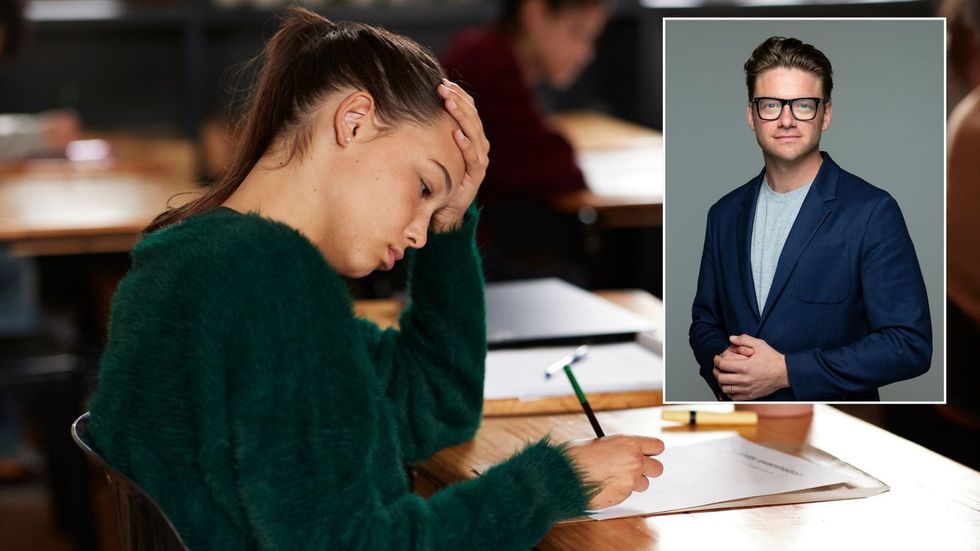
Labour introduced a 20 per cent VAT charge on private school fees last year, and new figures suggest the policy has led to an exodus of pupils from the private sector – piling the pressure on the state education system.
Close to 11,000 pupils have left independent schools since the levy was imposed, data from the Independent Schools Council Census (ISCC) shows.
Education leaders say the scale of the shift was not anticipated when the policy was announced.
Hugh Viney, chief executive of Minerva Virtual Academy, spoke to GB News about how ministers underestimated the disruption the VAT charge would cause across the education sector.
He said: “Frankly, I doubt the Government fully grasped the scale of what would happen.
“Independent schools operate on tight margins, and many parents are balancing budgets that leave no room for a sudden 20 per cent hike.”
The departure of thousands of pupils represents a broader destabilisation of the education system.
The policy, he believes, has disproportionately affected middle-income families rather than wealthier households.
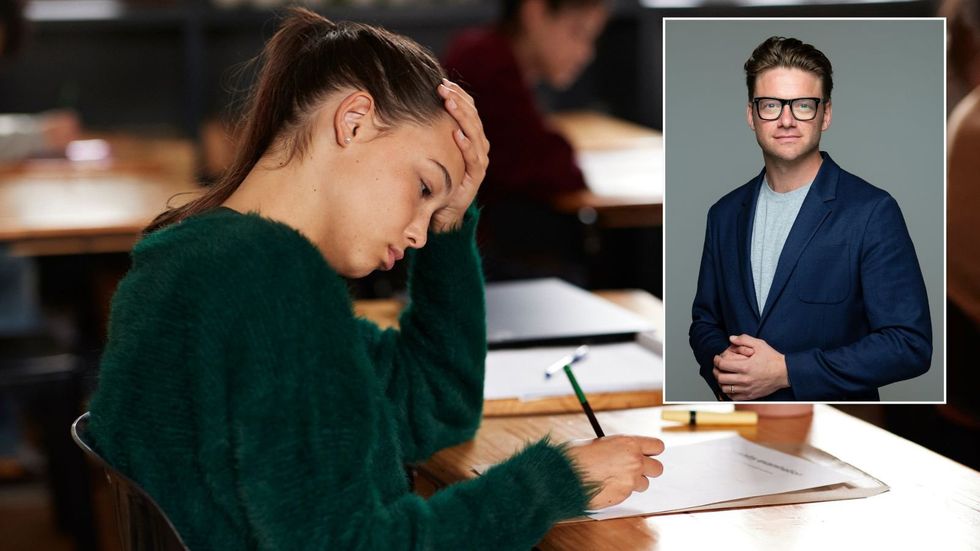
Many of those leaving private education were parents who had made significant financial sacrifices to fund school fees.
Mr Viney said these families had concluded that the additional cost made private education unaffordable.
Minerva Virtual Academy has seen an increase in pupils transferring from independent schools, with 23 per cent of his institution’s intake now consisting of former private school pupils.
He said: “VAT didn’t correct inequality, it punished aspiration and forced middle-income families into difficult decisions.”
Many parents believed private education offered better opportunities for their children, the CEO said; with the sudden increase in costs forcing families to reconsider their options.
The movement of pupils has placed additional strain on the state education sector.
He said: “State schools were already under pressure before VAT”.
LATEST DEVELOPMENTS:
- Christmas tax warning as workers urged to use clever pension trick: ‘You could lose more than 40%’
- Inheritance tax U-turn ‘doesn’t go far enough’ as calls for even higher threshold grow
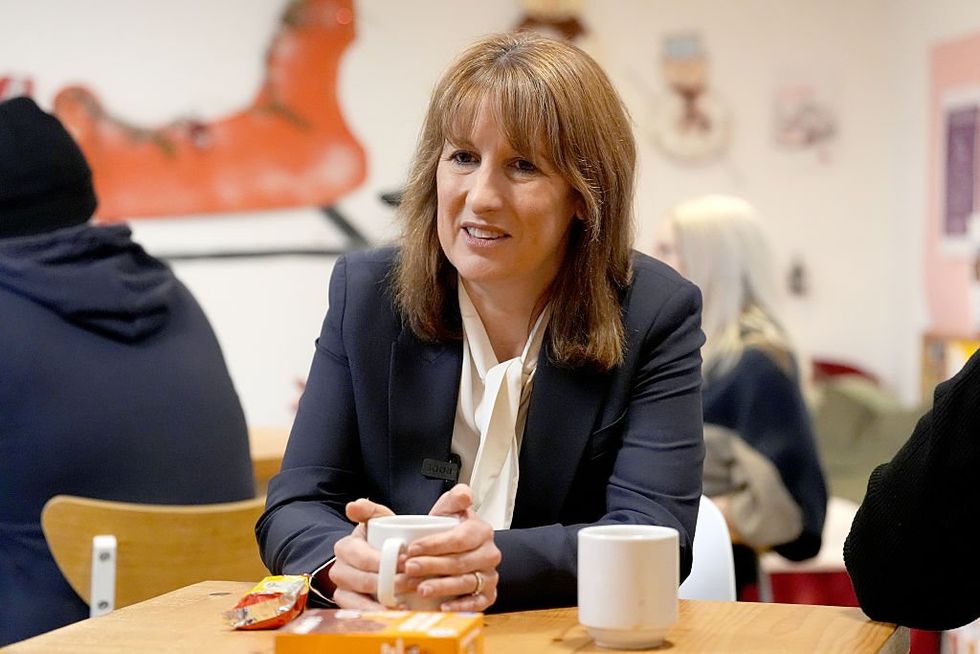
- Rachel Reeves urged to give over-60s tax breaks to get them back into work
“They are now absorbing students who often have very specific learning needs, some of whom require additional resources and support that the system is not funded or structured to provide”.
The issue was not limited to classroom capacity, but that schools were also facing challenges in maintaining standards and supporting pupil wellbeing.
Children with special educational needs (SEND) and disabilities have been particularly affected.
Mr Viney said many independent schools offer specialist support that is not always available in the state sector.
He said: “SEND children are particularly vulnerable in this scenario”.
“Private schools often provide specialist support that simply isn’t available in many state schools”.
Dylan Price, co-host of Teach Sleep Repeat, said on his podcast that families of children with special educational needs are among those most exposed to the VAT change.
He said that many parents are already “being forced to pay out of pocket to send them to private schools, because those are the schools that can meet their needs”, and warned that adding VAT means “those families can’t afford it anymore”.
His co‑host, Hayden Stevens, said mainstream schools “physically can’t do it” because “there is not enough support, resource, or money” to meet pupils’ needs.
Mr Price argued the policy “adds more and more to the plight of these mainstream schools”, insisting the issue is not opposition to inclusion, but the lack of investment behind it.
At Minerva Virtual Academy, more than half of the enrolled pupils are neurodiverse, and Mr Viney said flexible and remote learning models can be more suitable for some children.
He said traditional classroom structures do not work for every pupil, where large groups progress through the same material at the same pace are becoming less effective for some learners.
He said the VAT policy had consequences beyond revenue generation, and that it had contributed to instability within independent schools and increased pressure on state provision.
When asked whether he would advise Chancellor Rachel Reeves to reconsider the policy, the Minerva chief said he would.
“If the goal is to have a diverse, thriving education ecosystem that works for all families, yes I would.”
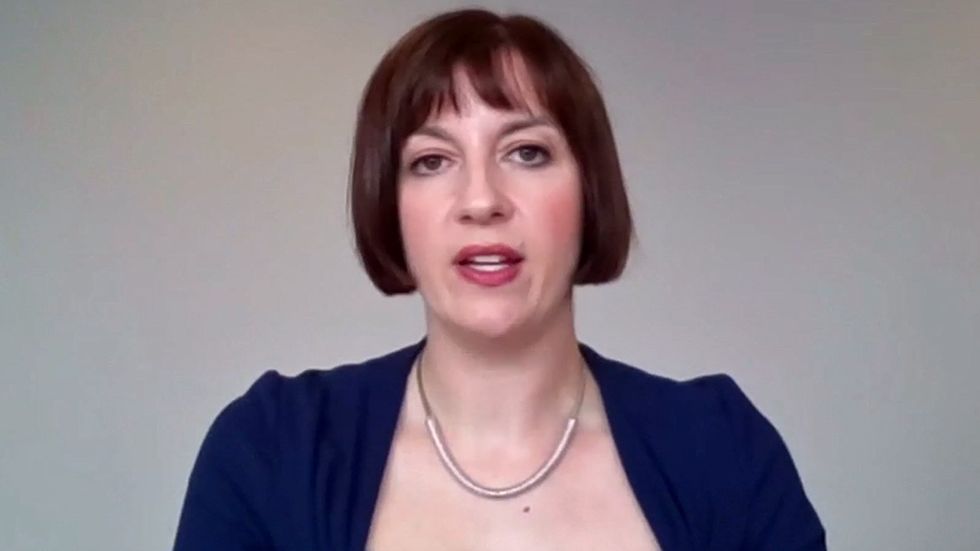
A review of the policy could help restore balance across the education system, he believes.
Such a move would help maintain parental choice and reduce pressure on state schools.
Ministers have not indicated whether the policy will be reviewed following the first year of implementation.
The Department for Education has not yet published an assessment of the policy’s wider impact on pupil numbers or school capacity.
Our Standards:
The GB News Editorial Charter



Follow