



Europe’s biggest ever trade deal finally got the nod Friday after 25 years of negotiating.
It took blood, sweat, tears and tortured discussions to get there, but EU countries at last backed the deal with the Mercosur bloc — paving the way to create a free trade area that covers more than 700 million people across Europe and Latin America.
The agreement, which awaits approval from the European Parliament, will eliminate more than 90 percent of tariffs on EU exports. European shoppers will be able to dine on grass-fed beef from the Argentinian pampas. Brazilian drivers will see import duties on German motors come down.
As for the accord’s economic impact, well, that pales in comparison with the epic battles over it: The European Commission estimates it will add €77.6 billion (or 0.05 percent) to the EU economy by 2040.
Like in any deal, there are winners and losers. POLITICO takes you through who is uncorking their Malbec, and who, on the other hand, is crying into the Bordeaux.
Winners
Giorgia Meloni
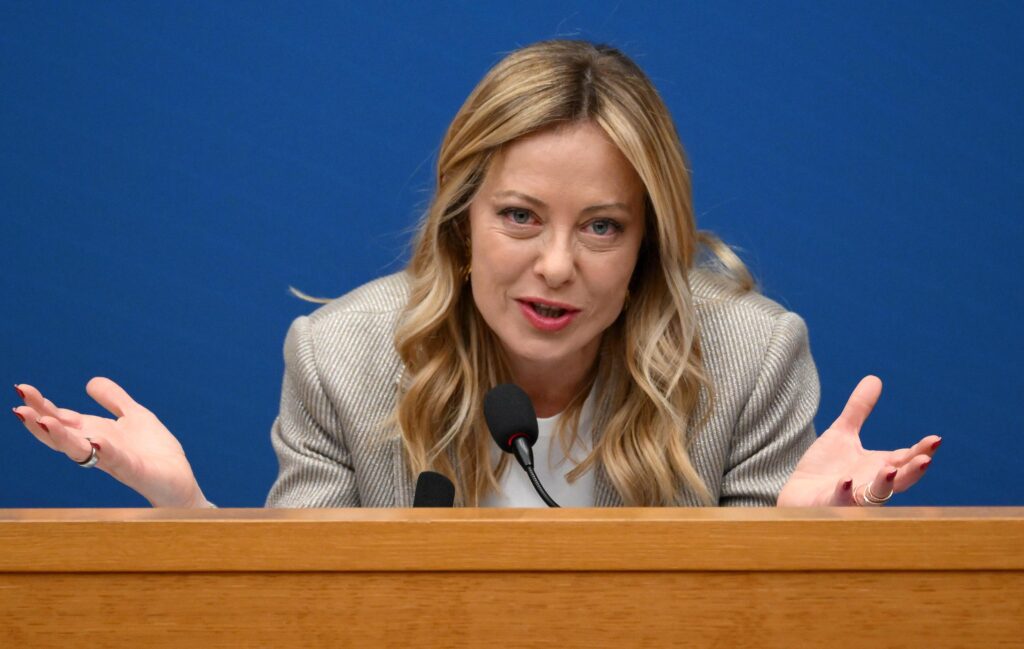
Italy’s prime minister has done it again. Giorgia Meloni saw which way the political winds were blowing and skillfully extracted last-minute concessions for Italian farmers after threatening to throw her weight behind French opposition to the deal.
The end result? In exchange for its support, Rome was able to secure farm market safeguards and promises of fresh agriculture funding from the European Commission — wins that the government can trumpet in front of voters back home. It also means that Meloni has picked the winning side once more, coming off as the team player despite the last-minute holdup. All in all, yet another laurel in Rome’s crown.
The German car industry
Das Auto hasn’t had much reason to cheer of late, but Mercosur finally gives reason to celebrate. Germany’s famed automotive sector will have easier access to consumers in LatAm. Lower tariffs mean, all things being equal, more sales and a boost to the bottom line for companies like Volkswagen and BMW.
There are a few catches. Tariffs, now at 35 percent, aren’t coming down all at once. At the behest of Brazil, which hosts an auto industry of its own, the removal of trade barriers will be staggered. Electric vehicles will be given preferential treatment, an area that Europe’s been lagging behind on.
Ursula von der Leyen
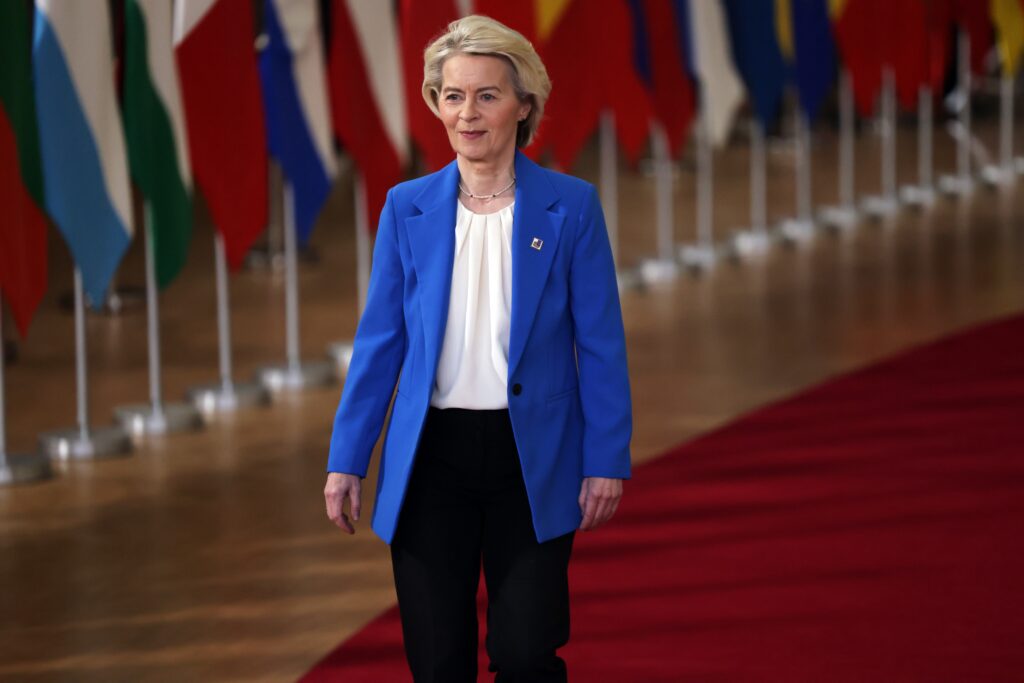
Mercosur is a bittersweet triumph for European Commission President Ursula von der Leyen. Since shaking hands on the deal with Mercosur leaders more than a year ago, her team has bent over backwards to accommodate the demands of the skeptics and build the all-important qualified majority that finally materialized Friday. Expect a victory lap next week, when the Berlaymont boss travels to Paraguay to sign the agreement.
On the international stage, it also helps burnish Brussels’ standing at a time when the bloc looks like a lumbering dinosaur, consistently outmaneuvered by the U.S. and China. A large-scale trade deal shows that the rules-based international order that the EU so cherishes is still alive, even as the U.S. whisked away a South American leader in chains.
But the deal came at a very high cost. Von der Leyen had to promise EU farmers €45 billion in subsidies to win them over, backtracking on efforts to rein in agricultural support in the EU budget and invest more in innovation and growth.
Europe’s farmers
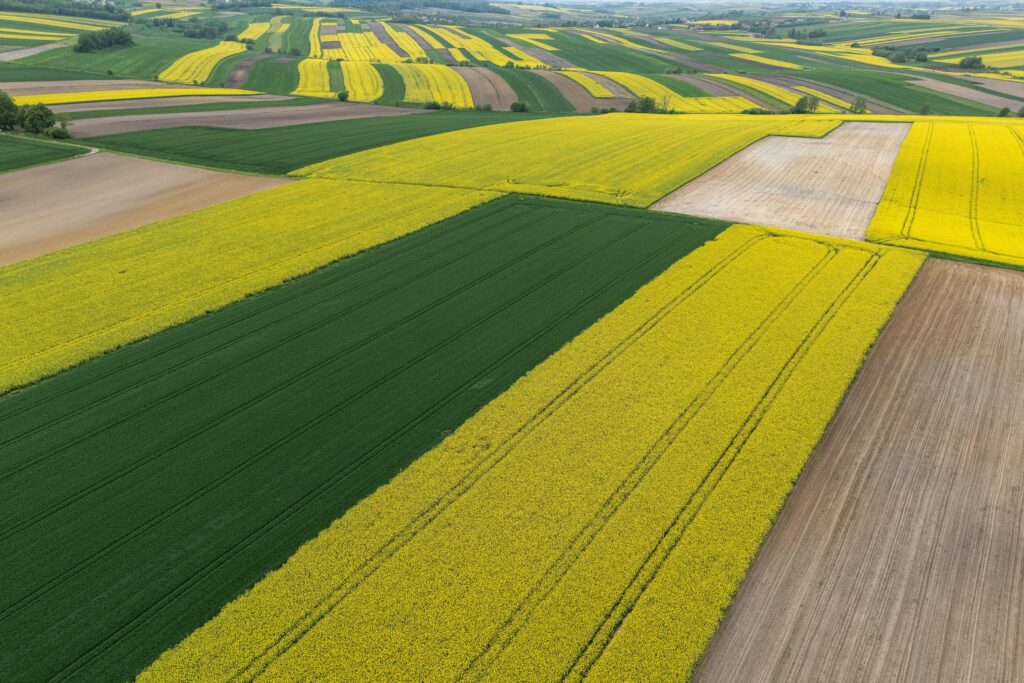
Speaking of farmers, going by the headlines you could be forgiven for thinking that Mercosur is an unmitigated disaster. Surely innumerable tons of South American produce sold at rock-bottom prices are about to drive the hard-working French or Polish plowman off his land, right?
The reality is a little bit more complicated. The deal comes with strict quotas for categories ranging from beef to poultry. In effect, Latin American farmers will be limited to exporting a couple of chicken breasts per European person per year. Meanwhile, the deal recognizes special protections for European producers for specialty products like Italian parmesan or French wine, who stand to benefit from the expanded market. So much for the agri-pocalpyse now.
Then there’s the matter of the €45 billion of subsidies going into farmers’ pockets, and it’s hard not to conclude that — despite all the tractor protests and manure fights in downtown Brussels — the deal doesn’t smell too bad after all.
Losers
Emmanuel Macron
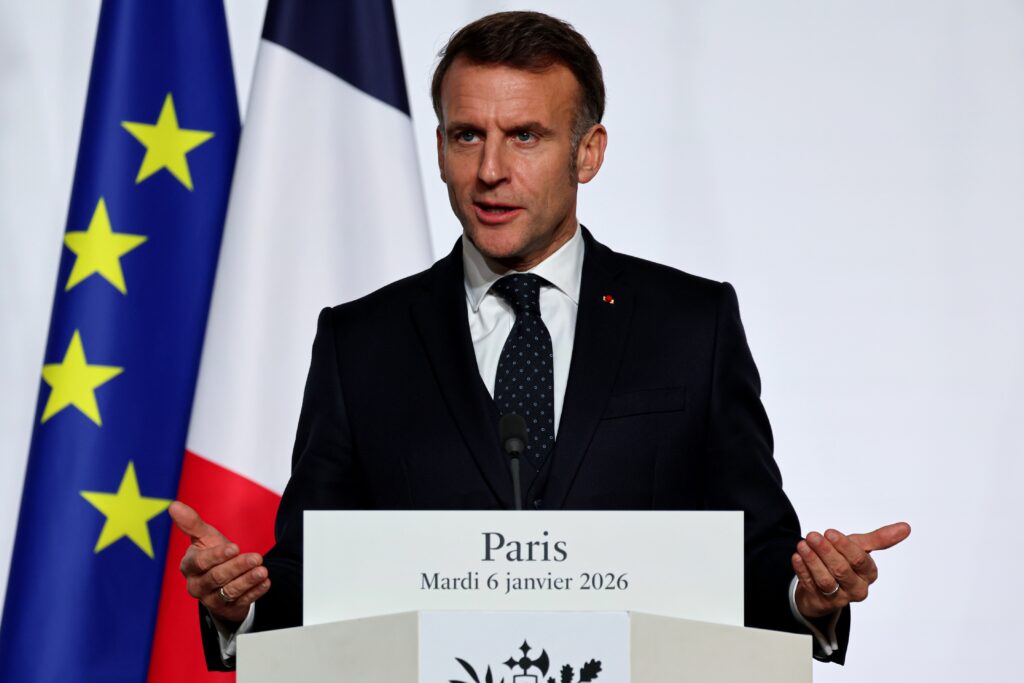
There’s been no one high-ranking politician more steadfast in their opposition to the trade agreement than France’s President Emmanuel Macron who, under enormous domestic political pressure, has consistently opposed the deal. It’s no surprise then that France joined Poland, Austria, Ireland and Hungary to unsuccessfully vote against Mercosur.
The former investment banker might be a free-trading capitalist at heart, but he knows well that, domestically, the deal is seen as a knife in the back of long-suffering Gallic growers. Macron, who is burning through prime ministers at rates previously reserved for political basket cases like Italy, has had precious few wins recently. Torpedoing the free trade agreement, or at least delaying it further, would have been proof that the lame-duck French president still had some sway on the European stage.
Macron made a valiant attempt to rally the troops for a last-minute counterattack, and at one point it looked like he had a good chance to throw a wrench in the works after wooing Italy’s Meloni. That’s all come to nought. After this latest defeat, expect more lambasting of the French president in the national media, as Macron continues his slow-motion tumble down from the Olympian heights of the Élysée Palace.
Donald Trump
Coming within days of the U.S. mission to snatch Venezuelan strongman Nicolás Maduro and put him on trial in New York, the Mercosur deal finally shows that Europe has no shortage of soft power to work constructively with like-minded partners — if it actually has the wit to make use of it smartly.
Any trade deal should be seen as a win-win proposition for both sides, and that is just not the way U.S. President Donald Trump and his art of the geopolitical shakedown works.
It also has the incidental benefit of strengthening his adversaries — including Brazilian President and Mercosur head honcho Luiz Inácio Lula da Silva — who showed extraordinary patience as he waited on the EU to get their act together (and nurtured a public bromance with Macron even as the trade talks were deadlocked).
China
China has been expanding exports to Latin America, particularly Brazil, during the decades when the EU was negotiating the Mercosur trade deal. The EU-Mercosur deal is an opportunity for Europe to claw back some market share, especially in competitive sectors like automotive, machines and aviation.
The deal also strengthens the EU’s hand on staying on top when it comes to direct investments, an area where European companies are still outshining their Chinese competitors.
More politically, China has somewhat succeeded in drawing countries like Brazil away from Western points of view, for instance via the BRICS grouping, consisting of Brazil, Russia, India, China and South Africa, and other developing economies. Because the deal is not only about trade but also creates deeper political cooperation, Lula and his Mercosur counterparts become more closely linked to Europe.
The Amazon rainforest
Unfortunately, for the world’s ecosystem, Mercosur means one thing: burn, baby, burn.
The pastures that feed Brazil’s herds come at the expense of the nation’s once-sprawling, now-shrinking tropical rainforest. Put simply, more beef for Europe means less trees for the world. It’s not all bad news for the climate. The trade deal does include both mandatory safeguards against illegal deforestation, as well as a commitment to the Paris Climate Agreement for its signatories.



Follow