



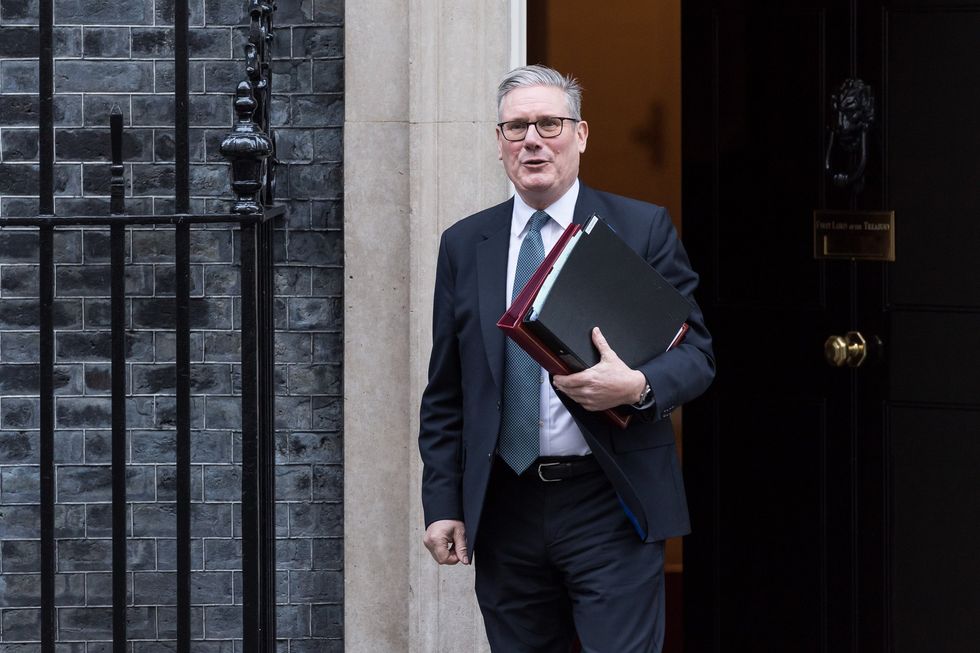
Sir Keir Starmer is said to be looking into a ban on Iran’s Islamic Revolutionary Guard Corps (IRGC) amid its brutal crackdown on protesters in the Middle Eastern country.
The IRGC has played a crucial role in the Iranian regime’s violent battle to squash dissent from pro-democracy demonstrators.
Over 500 people have been killed since the civil unrest began over two weeks ago – although the true figure is believed to be much higher.
Sir Keir has been urged by senior figures from within his own party, the Tories and Reform UK to now officially ban the IGRC in Britain in solidarity with the protesters.
Transport Secretary Heidi Alexander admitted there are “gaps in the legislation” which mean it is more difficult to outlaw the Ayatollah’s security force than other terrorist groups like Palestine Action.
She said: “We did ask the independent reviewer of terrorism to look into the powers that the Government have available to proscribe organisations that are backed by other states, and he did find some gaps in the legislation, and we will take action.
“He did find some gaps in the legislation, and we agree with him.
“It makes the proscription of an organisation like Palestine Action compared to the proscription of an organisation like the IRGC more complicated,” Ms Alexander told LBC.

The IRGC has already been banned and branded a terrorist organisation by the US, Sweden and Canada.
If the Government were to proscribe the Islamic Regime’s “terror army”, it would make it illegal to show support for it, or be a member of it.
The IRGC has been linked to at least 20 credible threats from the Islamic Republic since 2022 to either kill or kidnap people in Britain.
It also plays a central role in funding terrorist groups like Hamas and Hezbollah.
In Britain, ministers have relied on sanctions, asset freezes and counter-spying laws rather than proscription under the Terrorism Act.
Previous Governments rejected calls to proscribe the IRGC over fears it would sever diplomatic ties with Iran entirely.
IRAN – READ THE LATEST:
- Israel on high alert for US strike on Iran as Islamic Republic ‘overwhelmed with dead protesters’
- Protester rips flag off Iranian Embassy in London as demonstrations reach Britain
- Iran’s Ayatollah will FLEE, Donald Trump says as crumbling Islamic Republic readies ‘missile cities’

US President Donald Trump has vowed to “get involved” if the IGRC persists in killing protesters after Mr Khamenei ordered the security force to take control of the country’s largest protests in years.
The calls to outlaw the organisation have spilled over into the House of Lords, with senior Labour peer Lord Spellar urging the Government to “get off the fence”.
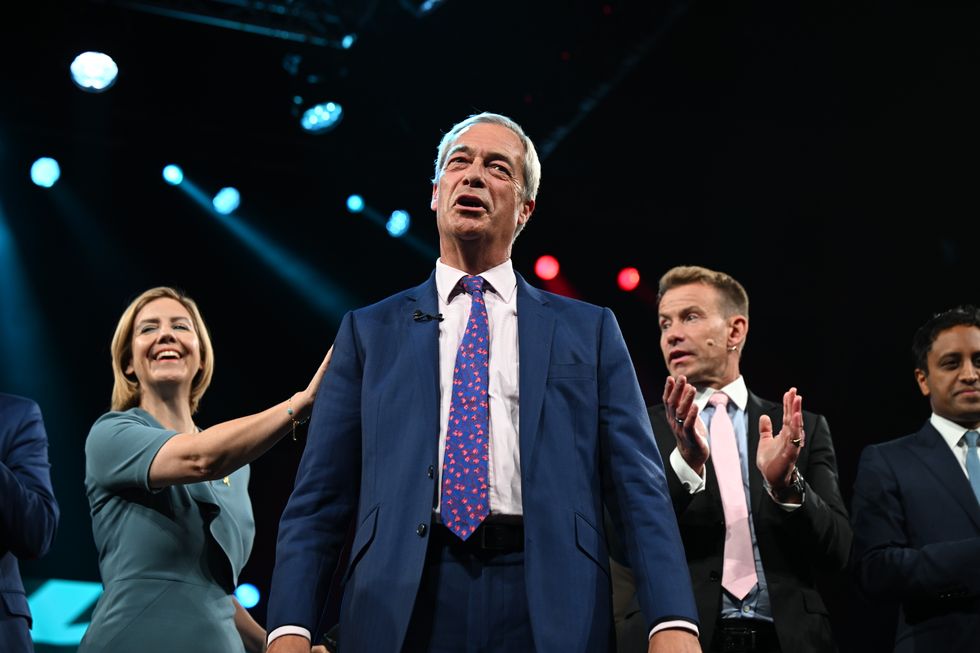
Reform UK leader Nigel Farage has also thrown his support behind proscribing the IRGC, telling the Prime Minister that he must “stand up to the Ayatollah”.
The ultimate decision-making power to ban the organisation falls on Home Secretary Shabana Mahmood, who is responsible for the Government’s terror legislation.
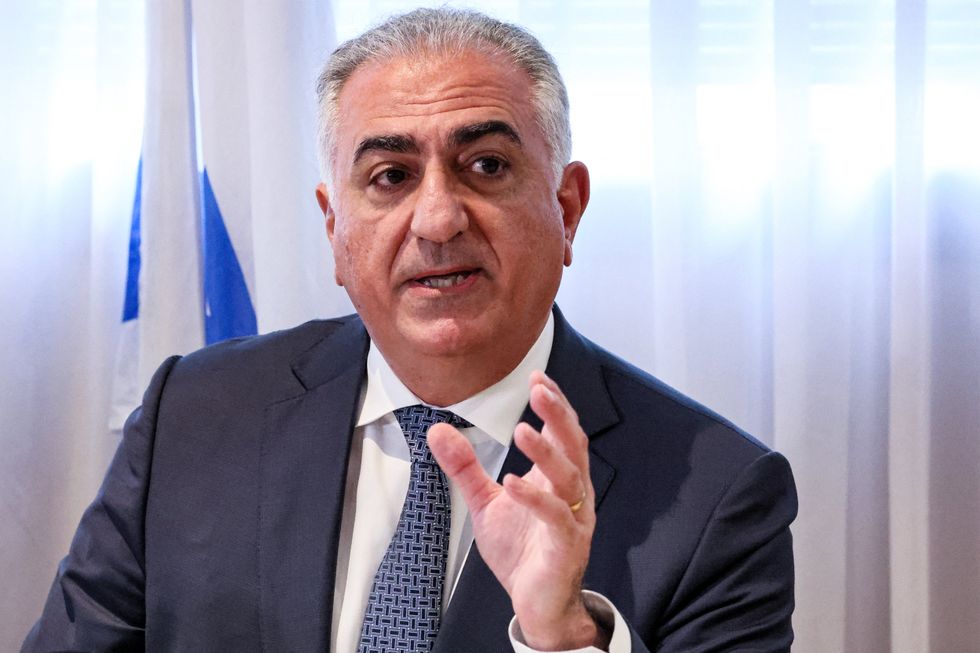
Exiled Crown Prince Reza Pahlavi has hit out at Sir Keir’s response to events in Iran, describing him as “all but silent on the plight of the Iranian people”.
The son of the ousted Shah added: “I can’t imagine him being silent in previous eras…I beg you, don’t throw a lifeline to this regime.
“Stand with the Iranian people. Appeasement is not working. Don’t straddle the fence.”
Back in the UK, the Transport Secretary last week insisted that proscription decisions are “under constant review”.
She that while Ms Mahmood “won’t leave any stone unturned in looking at all the information that is available to her”, the Government’s priority was “to try and stem the violence that is happening in Iran at the moment”.
Our Standards:
The GB News Editorial Charter



Follow