



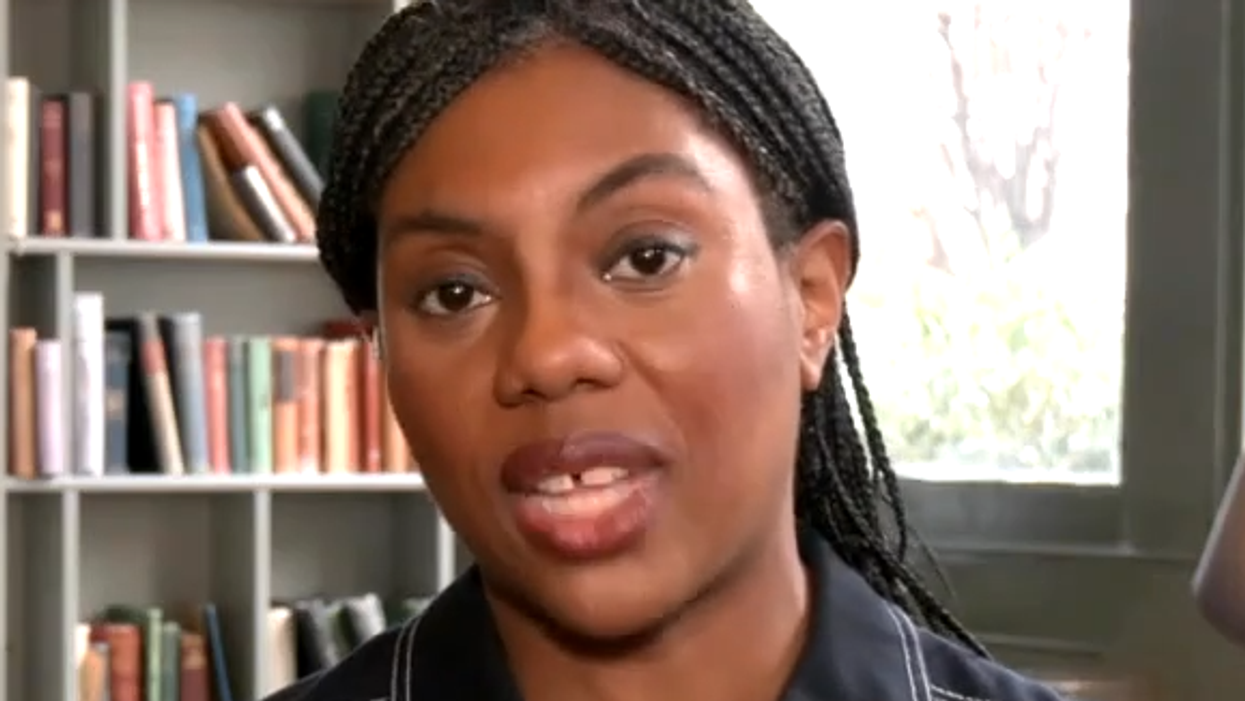
Kemi Badenoch has urged farmers to abandon supermarket pickets and “get around the table” with retailers, arguing confrontation will not solve the crisis facing the agricultural sector.
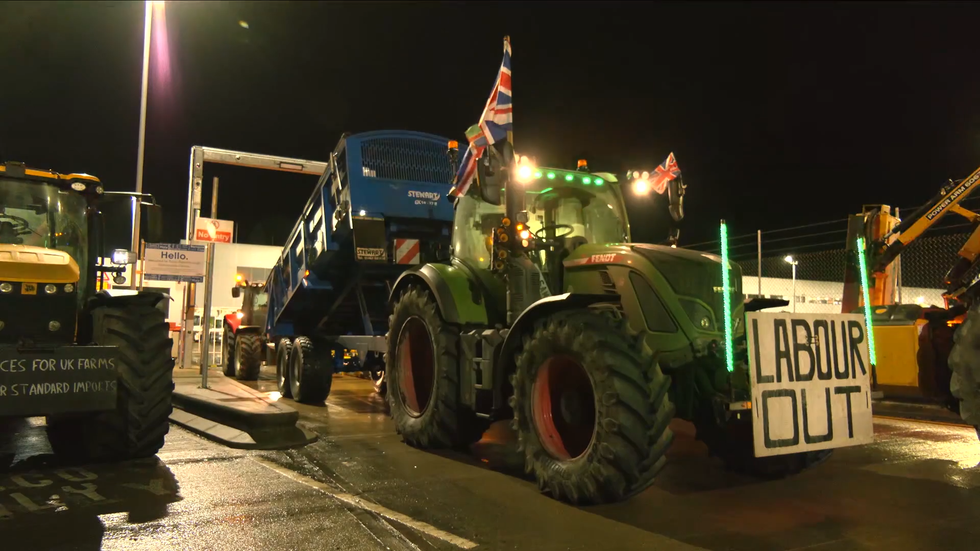
Her comments come as farmers launched surprise blockades at multiple supermarket distribution hubs overnight.
Since midnight on Sunday, protesters have prevented loaded lorries from entering or exiting three distribution centres in Peterborough, though empty vehicles and staff have been permitted through.
Speaking on GB News, the Conservative leader: “I think farmers have a legitimate criticism of supermarkets.
“It is very difficult for farmers, and many of them are leaving the industry because it is simply too hard.
“I think the best way to solve this is through more pragmatic solutions. I don’t think picketing actually works.
“Supermarkets will continue to do what they do, and may even dig their heels in if they feel the action is becoming confrontational.
“What we need is to get farmers around the table with the supermarkets, with Government helping to arbitrate and mediate.
“There is a better way to do this a much better way. My priority is to take the burdens off farmers.
“Their lives would be easier if we stopped piling on more hassle: more taxes, more regulation, and more interference in their businesses, all of which make it harder for them to farm.
“That is one major thing the Government can do to make farmers’ lives a lot better.”
Tractors at the protest sites have been adorned with messages including “raised right, raised British” and “Labour out”.
FARMERS FURY – READ MORE
- Farming sector ‘frightened of what might lie ahead’ over inheritance tax, Labour review finds
- ‘We won’t be pushed around!’ Farmer scolds Keir Starmer for handing millions to foreign farmers despite inheritance tax raid
- Farmers ‘face uncertain future’ despite inheritance tax change in Chancellor’s Budget
The demonstrators are calling for improved farmgate milk prices, accusing retailers of squeezing producers even as shop prices continue to climb for consumers.
Ed Pritchard, a Lincolnshire farmer who organised the action, described the protests as born from desperation.
“The industry is in absolute turmoil,” Mr Pritchard told the People’s Channel. “We can’t carry on for much longer as we are.”
The farmer set out a series of demands from those manning the blockades. He called for a complete reversal of inheritance tax changes affecting agricultural land, alongside improved prices paid directly to producers by supermarket chains.
Mr Pritchard also demanded the introduction of tariffs on foreign agricultural goods entering the country.
His comments reflect growing frustration among farming communities who feel squeezed between rising operational costs and stagnant returns.
The protesters accuse retailers of maintaining low payments to suppliers while consumers face higher prices at the checkout.
Mr Pritchard illustrated the financial pressures facing British agriculture by comparing costs across nearly two decades
In 2008, he explained, wheat fetched £170 per tonne. Today, the price remains identical at £170 per tonne, despite dramatic increases in farming expenses.
Fertiliser costs have more than doubled, rising from a few hundred pounds to well over £400 per tonne. Meanwhile, a 200-horsepower tractor that cost £50,000 in 2008 now carries a price tag of £150,000.
“We just can’t carry on like this,” Mr Pritchard said, warning that his own farm faced a significant battle against mounting costs.
The figures underscore the squeeze facing producers, with input prices soaring while the value of their crops has remained static for almost twenty years.
Our Standards:
The GB News Editorial Charter



Follow