



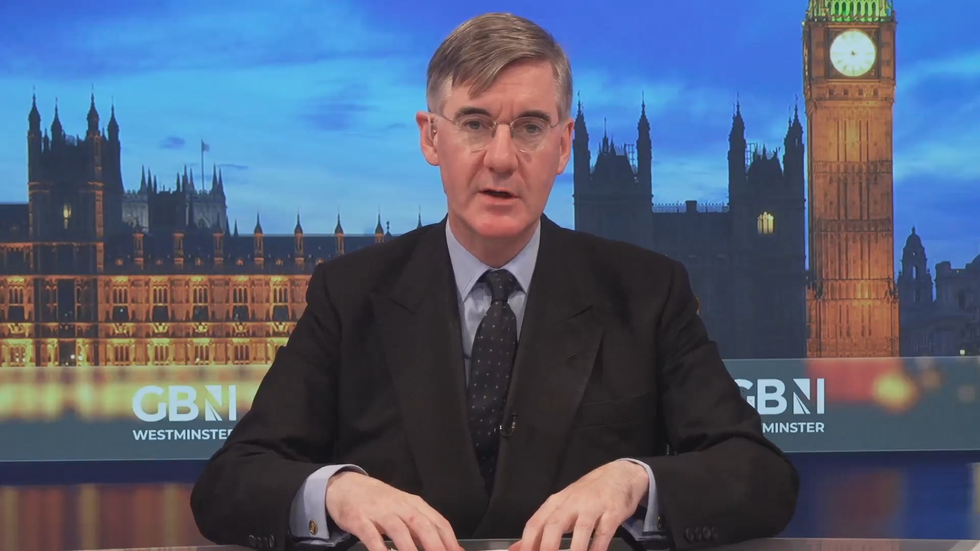
The Government has warned Elon Musk that his social media platform, Twitter, could be banned in the United Kingdom if he does not do more to tackle anti semitism and the creation of sexualised images.
Labour insists this is about safety, but it’s also, perhaps more importantly, a question of free speech and the limits of political power.
Steve Reed, the Communities Secretary, has said the Government is prepared to legislate to prevent social media companies from profiting from anti semitism. He said these images resemble propaganda from the Third Reich and has promised that fines and even bans are options if the platform failed to act.
This is very odd, because Ofcom is meant to be independent, and it’s not for ministers to decide on fines anyway, and Labour’s had a dreadful problem with antisemitism, so it’s all completely weird that he’s saying this now.
Nonetheless, the ever-authoritarian Ofcom is investigating Twitter over its AI tool Grok, which has been used to generate sexualised images of women and in some cases, children.
Peter Kyle, the business secretary said earlier today: “Ofcom have all the powers to enforce the law. Now, law dictates that no hateful or illegal content goes online onto social media platforms. Ofcom have asked X to provide information; they provided it.
“Ofcom are now doing an expedited investigation into whether they have stepped outside of the law or not. If they have, then this government expects the independent regulator and enforcement agency to enforce the law to the full extent of the law.”
Well, at least Kyle has a better understanding of Ofcom’s role in these things than his cabinet colleague. Never mind.
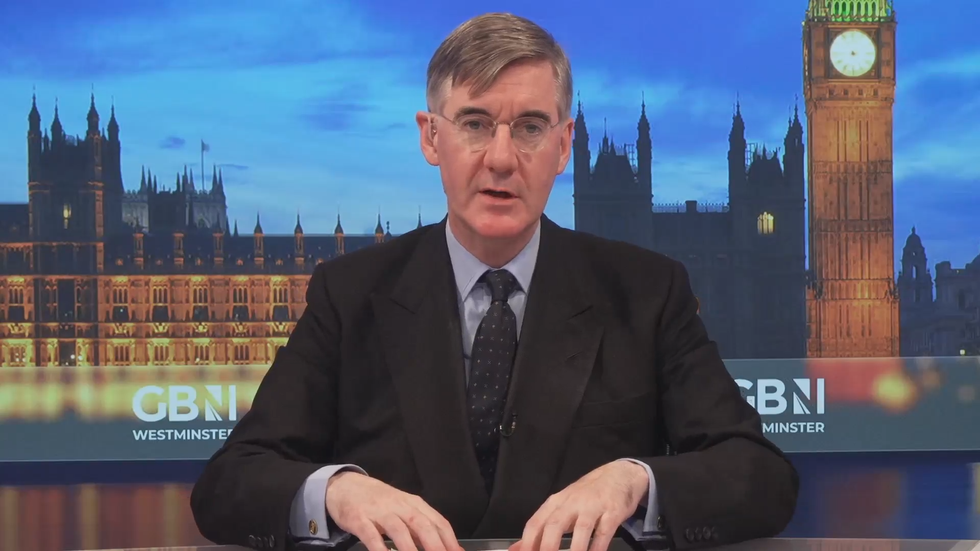
Earlier this afternoon, the science, innovation and technology secretary, Liz Kendall announced the Government would be making it an offence to create explicit images with AI under the Online Safety Act.
She said: “Sharing intimate images without someone’s consent or threatening to share them, including images of people in their underwear, is a criminal offence for individuals and for platforms.
“The Data Act passed last year, made it a criminal offence to create or request the creation of non consensual intimate images, and today, I can announce to the House that this offence will be brought into force this week.”
Antisemitism is obviously a serious problem, and the creation of nonconsensual sexual images is revolting. Platforms ought to take responsibility and ought to stop it.
But the question is whether threatening to ban an entire platform is a proportionate or appropriate response. A ban is not regulation; it’s the most extreme sanction available to the state.
When a Government threatens to remove access to a major platform used daily by millions of people, it’s no longer enforcing the law, but trying to stop debate.
Twitter is one of the primary spaces in which political debate takes place. It’s where Government policy is challenged, where journalists, campaigners and citizens argue openly, where government is mocked for being useless, where those in power are criticised.
The concern is that legitimate aims such as tackling anti semitism and protecting children being used to justify a response that goes beyond specific harms.
And you see it, they love it, don’t they; look at those Labour ministers, they’re filled with glee that they can have a pop at Elon Musk, who they don’t like. They think he’s old smelly socks and is against them.
They find it easy to criminalise things online under the jurisdiction of the Online Safety Act, and therefore we should worry that they will use these powers further to include content and opinions the government doesn’t approve of.
What about a picture of Sir Keir Starmer looking a bit daft, or one of Rachel Reeves not looking as Chancellor-esque as she might wish? Do you think that might be banned too? Will mockery, will satire be banned because it might upset people?
So once you’ve got technologies like AI, image generation will not disappear, because one platform is punished. If activity is forced off a regulated platform, inevitably, it will go elsewhere to the darker corners of the internet.
Driving content underground doesn’t eliminate harm but increases it. There’s also concern of setting bad precedents. Once the principle is established, the Government can threaten to ban a platform because it posts content ministers don’t like – think what Steve Reed had to say – the scope of that power will grow.
Today it’s AI imagery, but tomorrow it may be simple criticism of the Government. It’s not about defending Elon Musk, it’s about defending the principle of freedom of expression, which must include controversial speech. Sometimes that is offensive, and certainly that is critical of those in power.
If it only applies to views the Government likes, then speech is no longer free. Regulators like Ofcom have far too much power; power to fine companies a percentage of their global revenue, to seek court orders to block access, and this authority must be exercised with restraint, if it’s proper at all, otherwise, regulation becomes intimidation.
So is this about online safety alone, or is there an appetite to curb a platform that is critical of the Government?
Protecting women and children is important, and protecting freedom of speech and democratic debate is too. And these two principles ought not to be incompatible, unless we allow political convenience for a failing Government to blur the line between safety and censorship.
It matters most when it’s inconvenient. It matters most when it puts those in power under the spotlight.
Our Standards:
The GB News Editorial Charter



Follow