




Rachel Reeves’s Autumn Budget has triggered fresh criticism after official forecasts showed a new tax on electric vehicles could lead to 120,000 fewer EVs being sold in Britain.
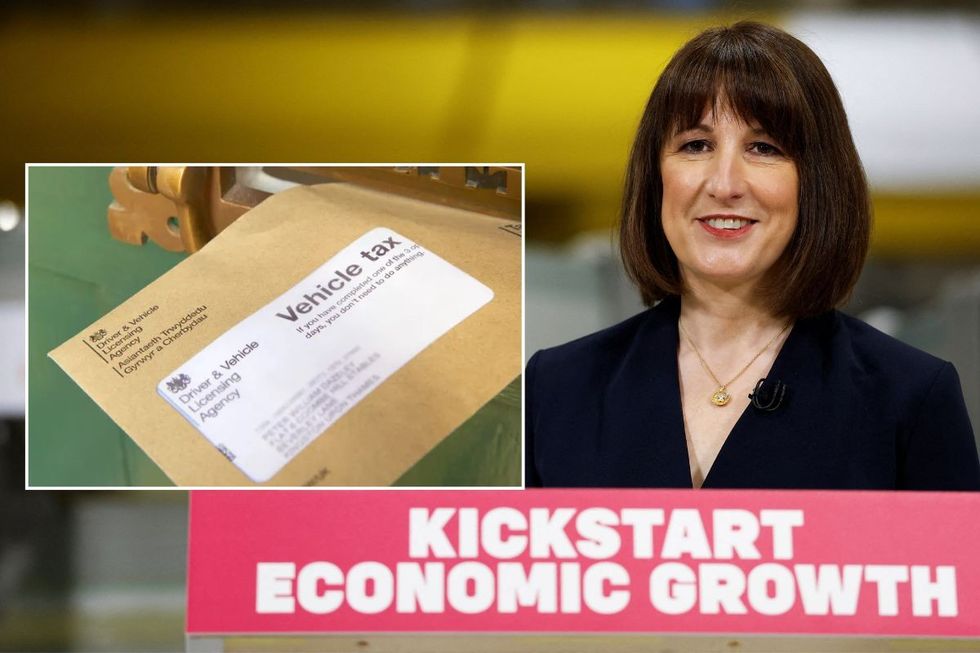
The policy, called Electric Vehicle Excise Duty (eVED), will introduce a new mileage-based charge for electric and plug-in hybrid vehicles from April 2028.
Drivers will pay based on how far they travel, on top of their existing annual vehicle tax.
The move marks a major change for EV owners, who currently pay no equivalent of fuel duty.
Petrol and diesel drivers contribute through fuel tax, while electricity used to charge cars is untaxed.
According to the Office for Budget Responsibility, electric car sales were expected to rise sharply before the policy was announced.
Forecasts showed new EV sales climbing from around 500,000 a year in 2025/26 to roughly 1.7 million by 2030/31.
However, the OBR now estimates that the combined impact of eVED and other Budget measures will cut total electric vehicle sales by around two per cent over the forecast period.
That equates to roughly 120,000 fewer EVs being sold.
Concerns over the policy have prompted a formal investigation by the Commons Transport Committee.
MPs are examining whether the Government’s approach to electric vehicles is undermining public confidence.
The inquiry, launched in December 2025, will look at the impact of the new tax alongside wider issues such as affordability, charging availability, and the difference between urban and rural infrastructure.
MPs are accepting evidence submissions until January 30.
Committee Chair Ruth Cadbury MP raised doubts about whether Britain is truly on track to move away from petrol and diesel vehicles.
“After a major intervention in the Budget, this Committee will look under the bonnet at the Government’s policies to steer us through this period of major change to the way millions of us get around from day to day,” she said.
In response, Exchequer Secretary Dan Tomlinson MP defended the policy in a letter. He argued that the current system is unfair and unsustainable.
He said all vehicles contribute to congestion and road damage, but only petrol and diesel drivers currently pay fuel duty.
As more drivers switch to electric vehicles, the Treasury faces a growing hole in public finances.
Mr Tomlinson warned that the OBR expects fuel duty revenues to fall to around £12billion in the 2030s, marking about half of today’s levels, before falling close to zero by 2050.
LATEST DEVELOPMENTS
- Drivers could be blocked from entering UK next month under major new travel rules
- Motorists face £100 fines under new crackdown as police tackle ‘serious risks to public’
- Labour dealt major blow as petrol and diesel cars remain clear choice despite net zero goals
To address these concerns, the Government insisted the new charge will still leave EV drivers better off.
Mr Tomlinson said the eVED rate would be set at half the fuel duty paid by a typical petrol or diesel driver.
Ministers have also promised to recycle most of the revenue back into the EV sector.
The Treasury said 80 per cent of the money raised in the first three years will be reinvested.
This includes £1.3billion in extra funding for the Electric Car Grant, aimed at helping buyers afford new zero emission vehicles.
An additional £200million has been earmarked to expand charging infrastructure nationwide.
The Government has also raised the Expensive Car Supplement threshold for electric vehicles to £50,000, meaning fewer EV buyers will be hit with the additional charge applied to high-value cars.
Mr Tomlinson stressed that this support would be in place before the tax begins, in an effort to keep EV uptake moving forward.
The new duty will apply to any vehicle that can be plugged in to charge. Drivers will report their mileage using odometer readings as part of the existing vehicle tax system.
The Government has confirmed it will not require tracking devices or detailed journey data.
Officials said the system will be similar to those already used in countries such as Iceland and New Zealand.
Treasury sources also noted that Britain’s proposed rate was far lower than New Zealand’s Road User Charge, which works out at more than 5p per mile.
A public consultation on the details of the scheme is open until March 18, including whether optional telematics could be used to simplify payments.
Our Standards:
The GB News Editorial Charter



Follow