



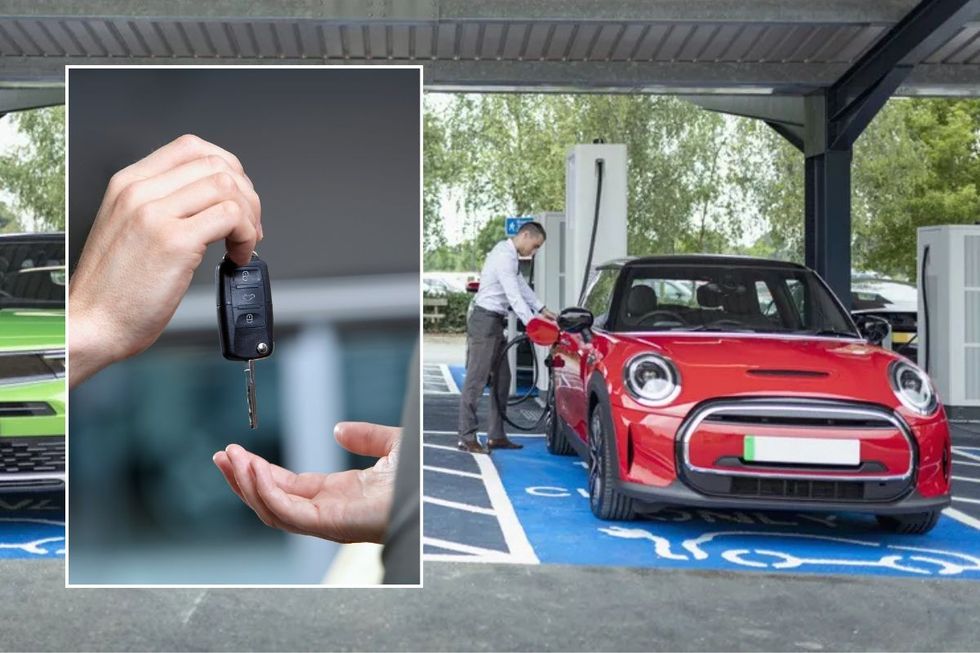
Motorists are refusing to embrace electric vehicles unless they are heavily discounted, according to a senior executive at the automotive giant behind Vauxhall.
The move has now cast further doubt over the Government’s push to force drivers away from petrol and diesel cars by the ambitious 2030 date.
Emanuele Cappellano, who oversees Stellantis’s European operations, said there is “no natural demand” for EVs and warned that manufacturers are being driven towards losses by regulation that ignores what customers actually want.
Speaking to French media, Mr Cappellano said EV sales only happen when governments step in with taxpayer-funded incentives or when manufacturers slash prices at their own expense.
“There is no natural demand for electric vehicles,” he said. “Demand only arises when there are subsidies in various countries or when car manufacturers reduce prices by burning cash.”
Mr Stellantis is one of the world’s largest carmakers, owning brands including Vauxhall, Peugeot, Citroën, Fiat and Jeep. Mr Cappellano warned that rules forcing companies to sell more electric cars are wiping out profits across the industry. He said manufacturers are now trapped between complying with regulations and protecting their balance sheets.
“Today, the choice is this: either I pay a fine, or I lose money selling new vehicles,” he explained. According to Mr Cappellano, profit margins across Europe‘s car industry are shrinking fast — and could soon turn negative. “This is a major concern for us today,“ he said.
“Therefore, trying to increase the market share of electric vehicles only generates losses for car manufacturers.” His comments follow growing concern within the automotive sector that political targets have raced far ahead of consumer demand — a warning repeatedly echoed by manufacturers operating in the UK.
But EV campaigners hit back on Friday, arguing that economic pressures, not EVs themselves, are responsible for the industry’s struggles.
Tanya Sinclair, head of Electric Vehicles UK, insisted that consumer interest remains strong despite rising costs. “The environment is challenging, but one thing remains consistent. Consumer demand for electric vehicles is real,“ she told The Telegraph.
Ms Sinclair argued the market is improving as prices fall and choice expands. “Prices are becoming more competitive; choice is expanding, and vehicle quality continues to improve,“ she added.
LATEST DEVELOPMENTS
- Volkswagen unveils major car safety upgrades impacting Audi, Porsche and other brands
- Motorists could be forced to slow to 10mph under new Highway Code plans: ‘Greatest responsibility!’
- Drivers face ‘criminal conviction’ and hefty fines for abusing major traffic rules in tough crackdown
However, the debate comes as several major manufacturers report weaker-than-expected EV sales. Porsche revealed on Friday demand for its electric models has failed to meet forecasts, adding to fears that the transition is stalling.
Car makers have also been facing intense competition from Chinese manufacturers, who are producing electric vehicles at significantly lower prices. This has pushed many Western brands to retreat into higher-end, premium models — leaving mainstream buyers priced out.
A key issue remained around cost, with electric cars requiring large batteries that are expensive to produce, making them far pricier than petrol or hybrid equivalents.
Stellantis has previously warned that Britain’s EV rules could force it to scale back UK operations, joining a growing list of manufacturers cautioning that sales mandates do not reflect real consumer behaviour.
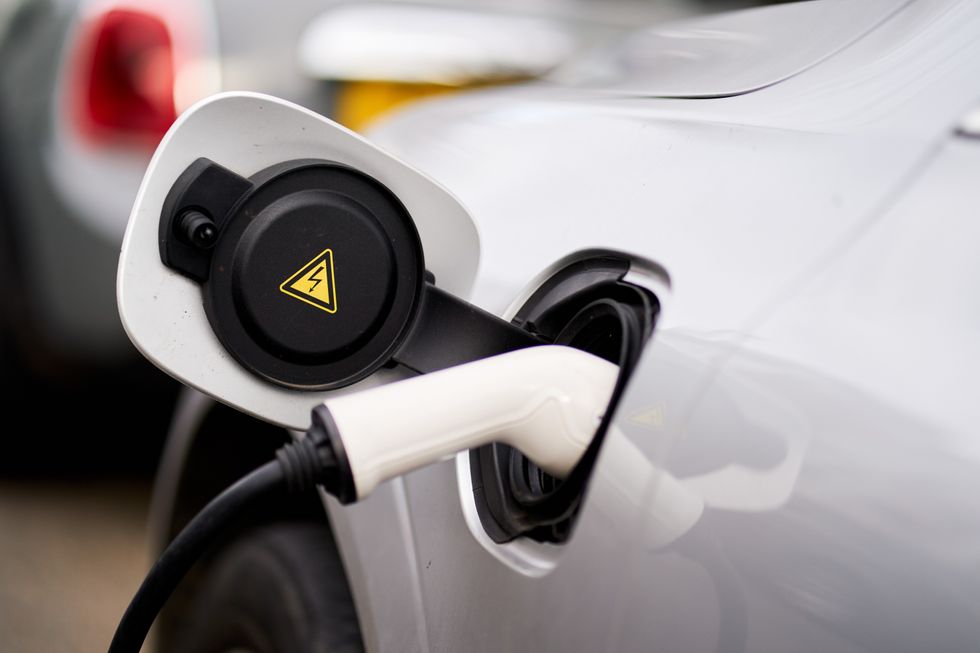
Labour has reaffirmed its ban on new petrol and diesel car sales from 2030, with hybrids set to be phased out by 2035. Ministers have reintroduced grants of up to £3,750 on certain electric models, including the Nissan Leaf.
But the Society of Motor Manufacturers and Traders warned only around a quarter of EVs qualify with the proposed pay-per-mile charge announced in November, risking further dampening demand.
SMMT chief executive Mike Hawes urged the Government this month to rethink its approach. He called for ministers to accelerate their review of the EV transition “to ensure a sustainable market that aligns ambition with real-world demand.“
The UK previously scrapped EV subsidies before bringing them back last summer, while Germany has now announced plans to revive its own incentive scheme after abandoning it in 2023.
Our Standards:
The GB News Editorial Charter



Follow