



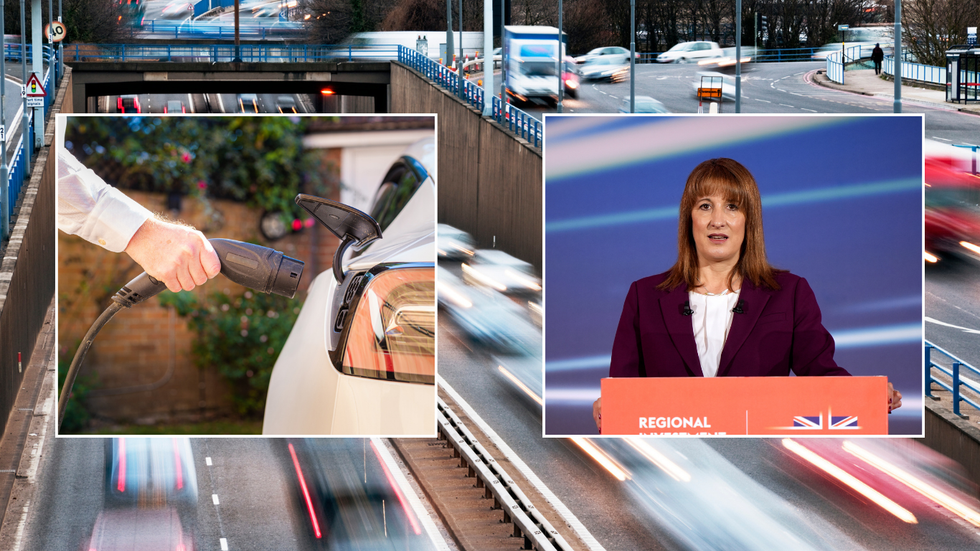
Electric vehicle operators across the UK have warned of mounting financial pressures following Rachel Reeves’ Autumn Budget, which confirmed significant changes to how EVs will be taxed in the coming years.
Last year’s Autumn Budget introduced plans for a pay-per-mile charge on electric cars and hybrid vehicles set to come into effect in 2028, marking an end to favourable tax rates for EVs.
Although this levy is not yet active, it has already added considerable uncertainty to the financial calculations businesses must make when transitioning their fleets to electric power.
Combined with volatile energy prices, these policy shifts have created a challenging environment for companies of all sizes attempting to manage their vehicle running costs.
However, fresh analysis has now suggested that businesses can take practical steps to offset these rising expenses through strategic changes to their charging habits.
Research from Allstar revealed that where businesses choose to charge their vehicles has become one of the most significant factors determining their overall operating expenses.
The company’s data detailed how, for smaller enterprises, the potential savings are particularly striking, with the analysis indicating that by adjusting charging behaviour, it could reduce annual energy expenditure by as much as 60 per cent.
Allstar’s modelling examined three distinct fleet sizes to illustrate the scale of potential savings available through optimised charging practices.
A small operation running 20 electric vehicles could slash its annual charging bill by more than 60 per cent simply by prioritising lower-cost locations such as home or workplace facilities over public networks
For mid-sized businesses operating around 75 vehicles, the financial impact becomes even more pronounced, with annual savings of approximately £170,000 achievable by rebalancing their charging mix away from expensive public infrastructure.
The most dramatic figures emerged from larger corporate fleets, where a 250-vehicle operation could potentially reduce its yearly charging costs by over £560,000.
These projections are based on assumed monthly mileage of 1,000 miles per vehicle, reflecting typical company car and van usage patterns.
LATEST DEVELOPMENTS
- DVSA uncovers widespread illegal e-scooter operations putting Britons at risk – ‘Silent and unpredictable’
- Labour’s electric car grant under pressure as Germany launches huge £5,000 discount scheme
- Major car brand refuses to stop petrol car sales to meet electric vehicle targets despite risk of fines
Tom Rowlands, managing director of Global EV Solutions at Corpay, which owns the Allstar brand, said: “Fleets are dealing with a lot of moving parts right now.
“Energy prices, infrastructure availability, and future taxation are all added to the complexity of running electric vehicles.
“With the right mix of home, workplace, near-home and public charging, businesses can support drivers, improve convenience and keep EV costs under control as the market continues to evolve.”
The expert also underscored how domestic charging remains the most economical option for fleet operators, offering significantly lower rates than public charging infrastructure.
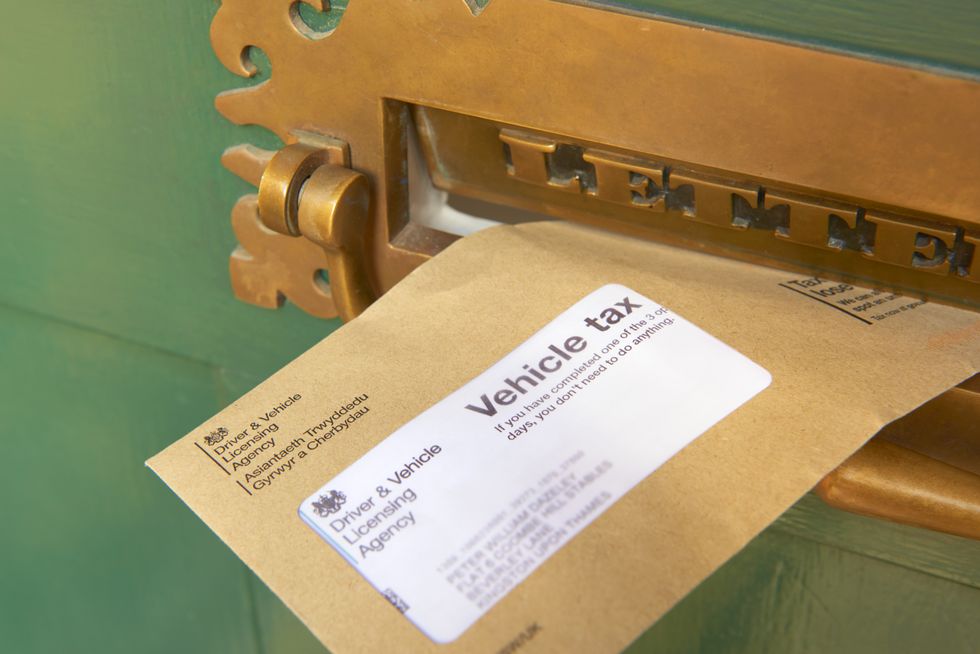
Workplace charging facilities can also deliver considerable cost reductions, though the extent of savings depends on the specific tariff arrangements in place.
While public charging networks will continue to play an essential role in maintaining operational flexibility for drivers on the move, the data makes clear that relying too heavily on these more expensive options is no longer financially sustainable.
Instead, fleet managers should adopt a blended approach that draws home, workplace, near-home and public charging in appropriate proportions, the expert explained.
Our Standards:
The GB News Editorial Charter



Follow