



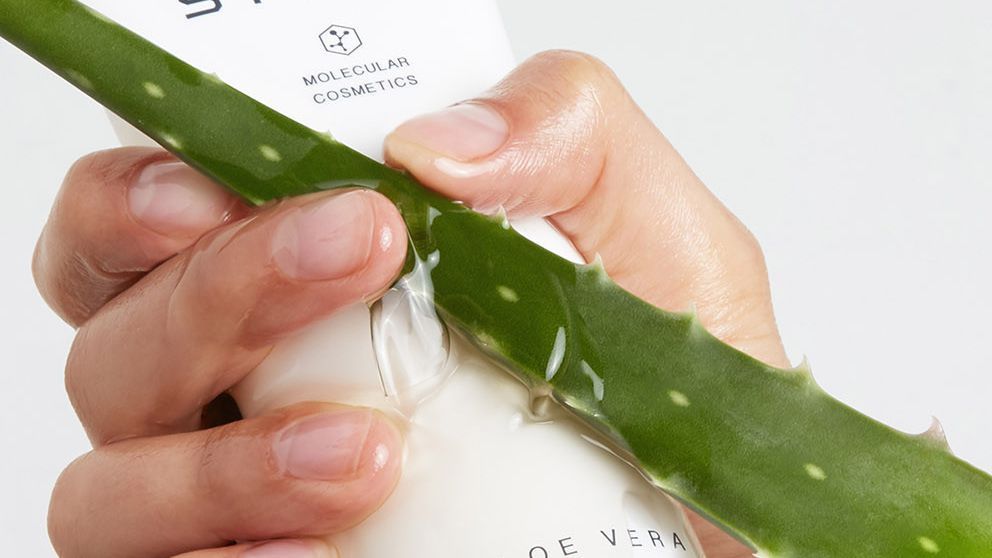
Is aloe vera good for skin? While having a prickly appearance, inside the spiky green plant is a clear gel that can be particularly beneficial for those with dry, sensitive and irritated skin.
Want to know exactly how to use aloe vera as a skincare ingredient? We asked a dermatologist to get to the bottom of it – keep reading to find out how to integrate it into your skincare routine.
What is aloe vera?
Aloe vera is a “succulent plant known for its soothing, hydrating properties,” says Dr Derrick Phillips, Consultant Dermatologist at OneWelbeck. “The clear gel inside its leaves helps calm and support the skin, which is why it’s widely used in skincare, particularly for sensitive or irritated skin.”
Aloe vera skincare benefits
A well-established skincare ingredient, aloe vera is particularly beneficial for cooling, hydrating and soothing the skin. “It has natural anti-inflammatory effects that can help calm redness and irritation, making it particularly useful for dry, sensitive or stressed skin,” explains Dr Derrick. “Aloe vera can also help improve skin comfort and hydration, adding both functional and sensorial benefits to skincare products.”
A great ingredient to integrate into your routine, Dr Derrick advises using it as a supportive rather than a transformative product. “Its benefits are best seen when working alongside other proven skincare ingredients,” he adds.
Instagram content
Aloe vera side effects
As mentioned, aloe vera is a great choice for those with sensitive skin and is generally well tolerated – according to Dr Derrick. However, as with any skincare ingredient, those with very sensitive skin and those with allergies to particular plant families may find that it causes some irritation. “In rare cases, it may cause redness, stinging or dryness, especially if used frequently or in high concentrations,” he explains. To avoid this, he advises patch testing first before applying more widely – great advice for introducing any new product or ingredient.
Is aloe vera good for all skin types?
The short answer is that aloe vera is suitable for most skin types, thanks to its soothing and hydrating properties. It’s unfortunately not a universal ingredient, though. “If you have conditions such as eczema or psoriasis, aloe vera may be helpful for some but irritating for others, so it’s best to proceed cautiously,” advises Dr Derrick. “Some people, particularly those with very sensitive skin or a history of contact allergies, can experience irritation or dryness.”



Follow