



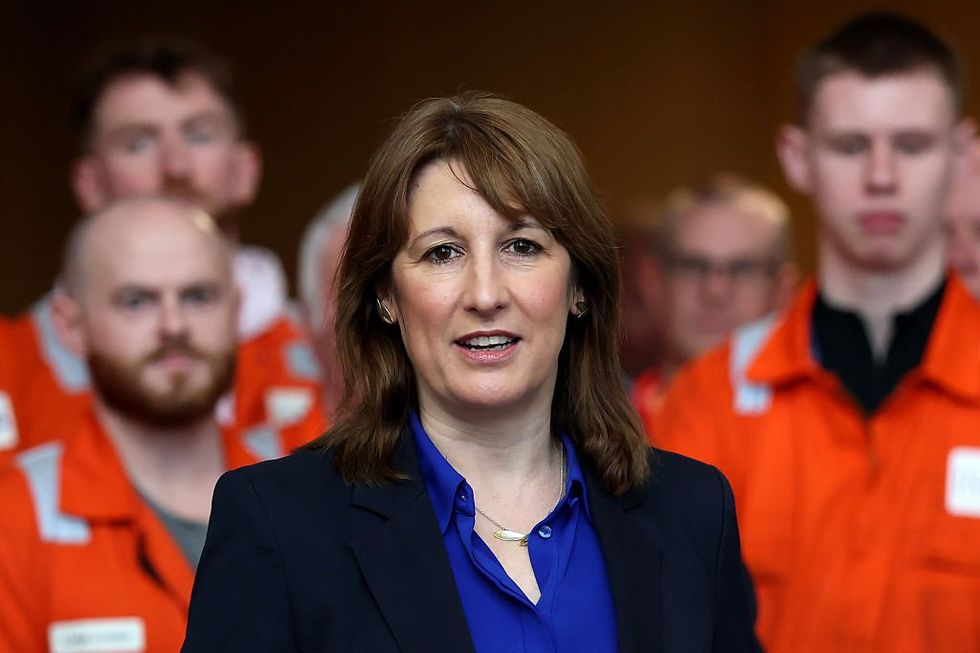
Labour has signed off on major online gambling tax increases, adopting the Treasury Committee’s recommendations from last autumn as part of the Chancellor’s latest Budget.
Dame Meg Hillier, who chairs the committee, welcomed the decision, and said it marked an important shift in how the state approaches the taxation of digital betting.
She said: “The decision by the Chancellor to use her Budget to increase taxes on online gambling is a victory for common sense.
“The Chancellor has made the right decision in agreeing with my Committee that the tax rate for remote betting, including highly addictive casino games, should reflect the harm it inflicts.”
Ministers expect the new measures to raise more than £1billion a year for the public purse once fully implemented.
The announcement follows the Treasury Committee’s rejection of claims made by the gambling industry that online betting does not create harmful social consequences.
Under the new regime, remote gaming duty will almost double, increasing from 21 per cent to 40 per cent when the changes come into force on April 1, 2026.
Remote betting will also face a significant rise, with the duty rate set to increase from 15 per cent to 25 per cent from April 1, 2027.
The Government has decided to exempt traditional forms of gambling from the new tax increases.
Bets placed on UK horse racing will not be affected by the reforms and in-person gambling activities will be shielded from higher duties.
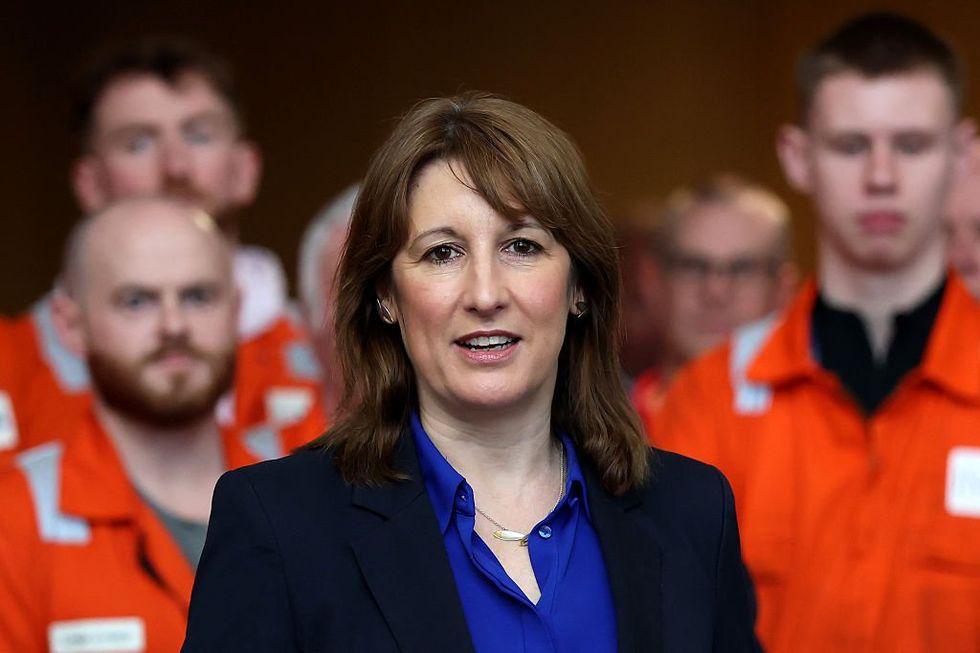
Bingo halls are set to benefit from the changes, with bingo duty being abolished entirely from April 2026.
The Treasury said the package formed part of a wider effort to create what it described as a fair, modern and sustainable tax system.
The committee first set out the case for reform in a report published on November 7, 2025.
In that report, the cross-party MPs urged ministers to resist what they described as scaremongering from parts of the gambling industry.
The committee concluded gambling tax rates should be aligned with the level of harm caused by different activities.
LATEST DEVELOPMENTS
- Pension raid fears grow as Rachel Reeves’s retirement tax bill hits £59billion
- ‘Fed up of being shafted!’ Labour slammed as Doncaster farmers BLOCKADE supermarket depots
- Treasury set for business rates tax cut as Rachel Reeves targets pubs and hotels with higher bills
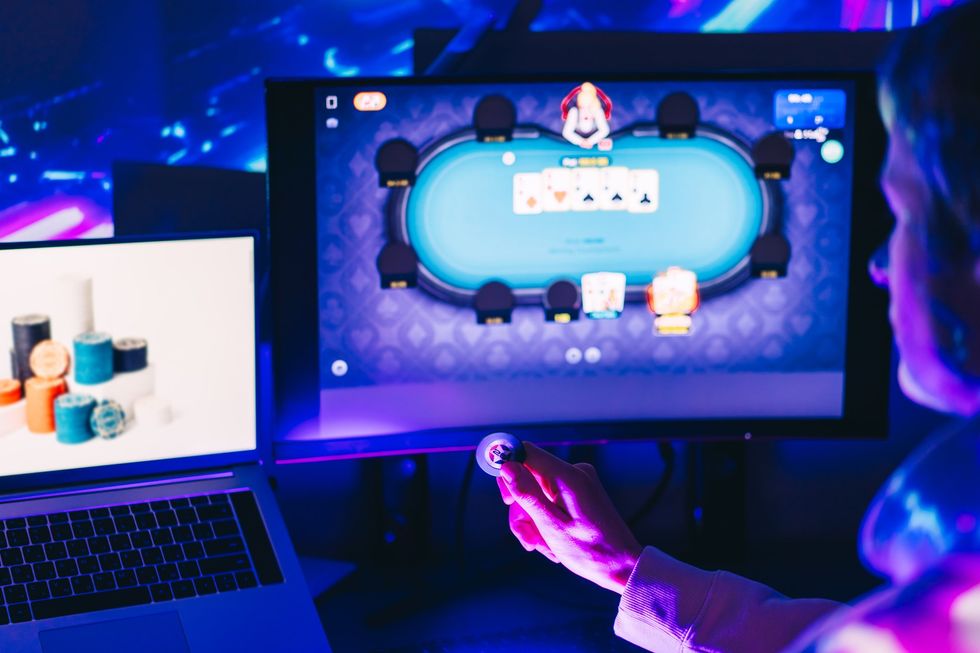
It rejected the sector’s assertion that its online products generate no negative social impact.
At the time, Dame Hillier criticised those claims in strong terms and questioned the credibility of the industry’s position.
“I find it staggering that the industry can make the boldfaced claim that its activities do not cause harm”.
She said online platforms were “extracting huge amounts of money from people who have been funnelled into the most addictive, harmful corners of the industry via their love of sports, or the occasional game of bingo”.
The committee argued online gambling has expanded rapidly over the past decade and now accounts for a far larger share of the market.
Its analysis showed remote gaming’s share of Gross Gambling Yield rose from 12 per cent in 2013/14 to 44 per cent in 2023/24.
MPs linked that growth to the rise of high-frequency and highly addictive gambling products available through smartphones and other digital devices.
They said such products offered little benefit to individuals, families or communities while posing a heightened risk of harm.
The committee also stressed that many people in Britain gamble responsibly.
It pointed to activities such as visits to seaside arcades, local racecourses and bingo halls as examples of traditional gambling pursued without significant harm.
However, MPs warned the industry often uses those activities to obscure the more damaging aspects of online betting.
The Government said its response reflects that distinction by protecting horse racing and in-person gambling while placing higher taxes on digital operators.
Our Standards:
The GB News Editorial Charter



Follow