



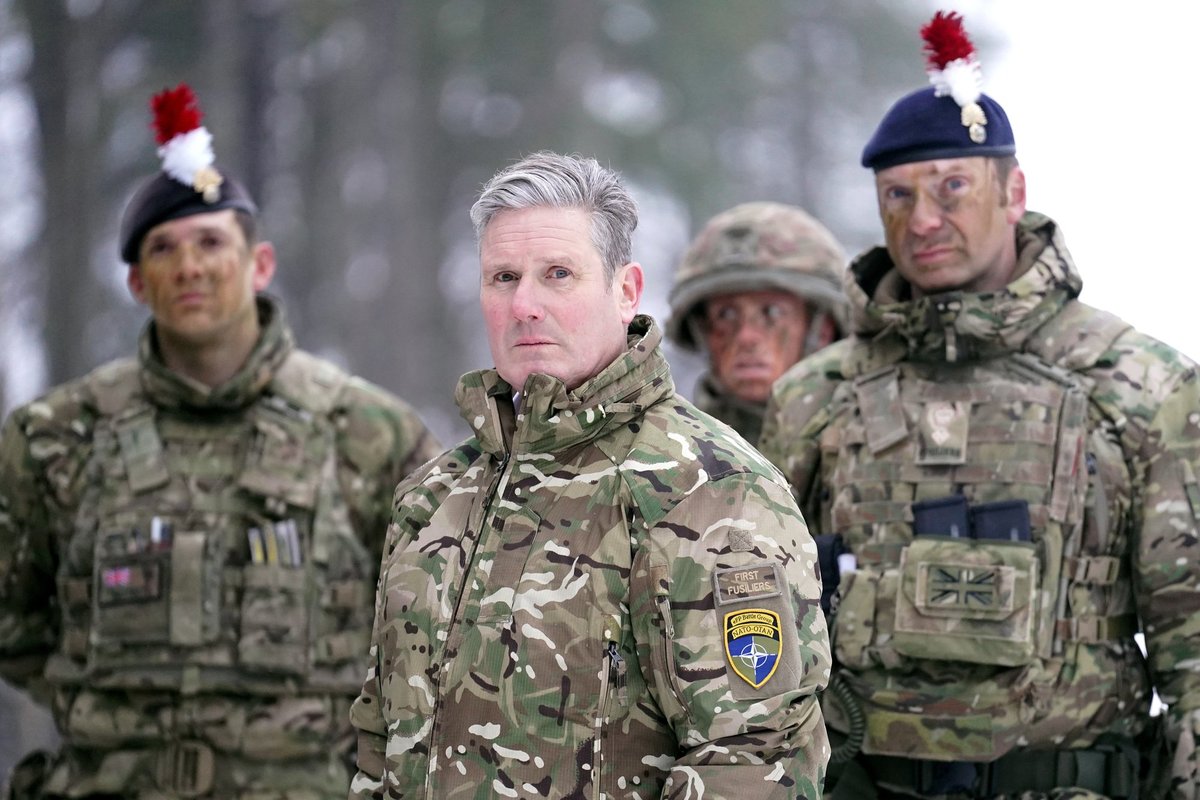
British taxpayers are forking out billions of pounds on a hidden tax blighting the nation’s defence spending in what has been dubbed a “complete con” by senior military sources.
The Ministry of Defence pays eight-figure sums in Value Added Tax (VAT) to the Treasury every year, despite insiders warning the UK’s armed forces have been “stripped to the bone” following years of savage cuts.
Labour is aiming to spend a “historic” £62billion — or 2.5 per cent of Gross Domestic Product (GDP) — on defence by 2027, fulfilling a key NATO-related pledge amid the threat of geopolitical conflict.
However, the MoD has been forced to pay an average of £3billion in VAT to the Treasury per annum, the majority of which is unrecoverable.
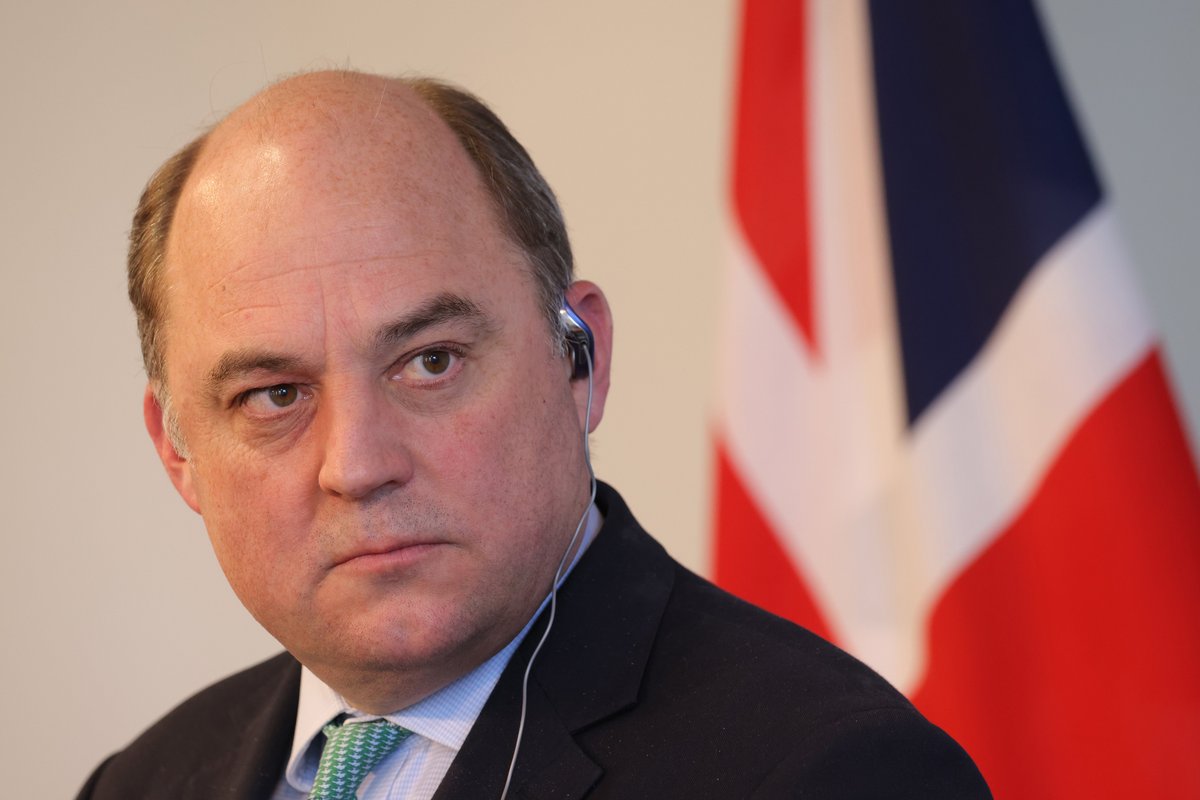
Sir Ben Wallace revealed VAT “gets counted as defence spending” and blasted the accounting as a “complete con”.
The former defence secretary said the inclusion of these figures inflated the actual amount spent on purchasing weapons and recruiting servicemen.
“You can’t kill anyone with a VAT receipt,” Sir Ben told GB News.
From 2019 to 2023, the MoD paid the Treasury £20.9billion in VAT, the lion’s share of which was not refunded.
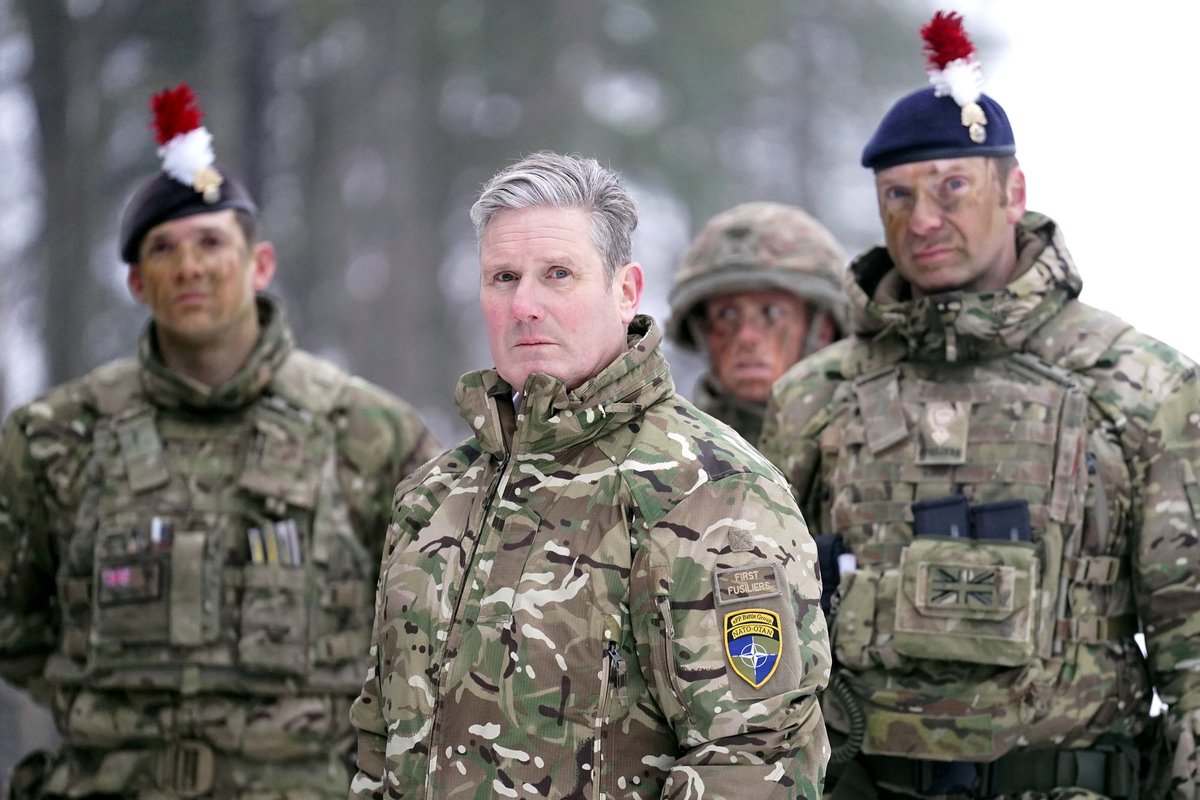
In total, £12.78billion of Britain’s defence expenditure was not spent on soldiers or equipment but on taxation.
This means the MoD was forced to pay the Treasury an average of £3.19billion in VAT every 12 months.
Earlier this week, shadow defence secretary James Cartlidge wrote to the Government requesting how much VAT the MoD has been forced to pay under Sir Keir Starmer.
Al Carns, the armed forces minister, informed Mr Cartlidge he could not provide an answer immediately and would update him in a forthcoming letter.
LATEST DEVELOPMENTS
- Keir Starmer PULLS Chagos surrender deal after Donald Trump attack
- Robert Jenrick leaks bombshell text messages after Kemi Badenoch accuses him of ‘lying’
- Fears Isis terrorists sneaking into Britain on small boats as terror watchdog issues alert
The MoD, despite its unique role at the heart of national security, pays VAT much like any other large organisation.
VAT is a consumption tax levied on most goods and services in the UK, charged at each stage of production and ultimately borne by the end user.
When the MoD buys equipment, fuel, IT systems or support services from private suppliers, VAT is typically added at the standard rate of 20 per cent.
Some of these payments are recovered under special refund arrangements for government departments, laid out in Section 41 of the Value Added Tax Act 1994, which allows VAT incurred on certain non-business public functions to be repaid.
In other cases, VAT is avoided entirely through zero-rating, particularly where defence equipment is exported, used overseas, or supplied as part of multinational military programmes.
UK law explicitly zero-rates supplies made “in the course of giving effect to an international defence collaboration arrangement”, ensuring joint projects are not inflated by tax rules.
Nevertheless, the majority of VAT paid by the MoD is not recoverable. This includes VAT on many routine goods and services where no refund or relief applies.
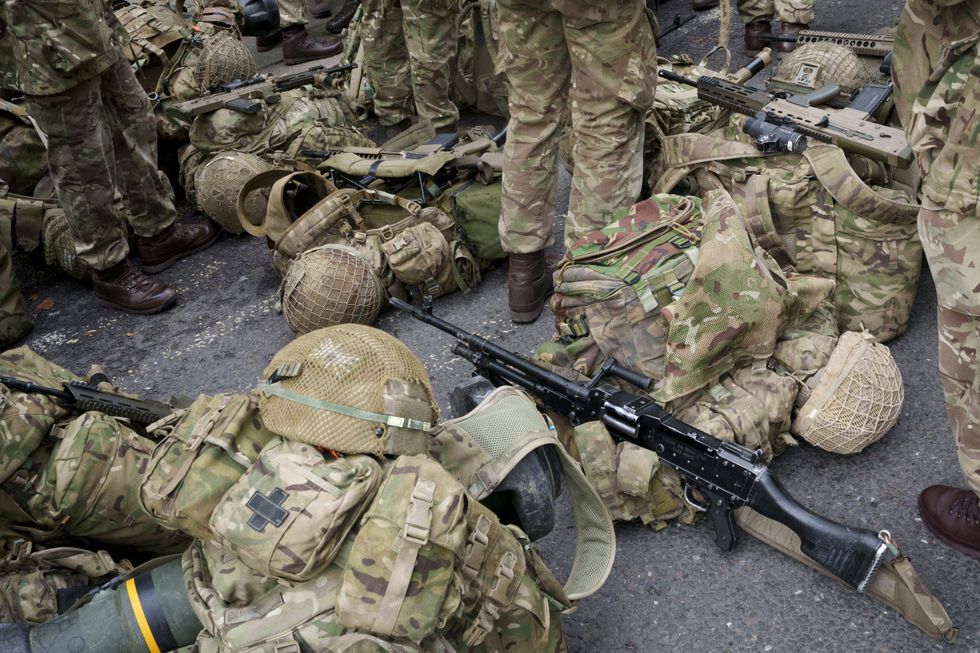
As a result, it forms a significant chunk of the nation’s defence expenditure, a reality which former British Army lieutenant colonel Stuart Crawford described as “disingenuous at best and dishonest at worst”.
“The Government is giving with one hand and taking away with the other,” he told The People’s Channel.
Simon Diggins, a military analyst and former British Army colonel, stated the British public “have the right to be angry” about the MoD paying VAT.
He said: “It will be a British soldier who dies because he hasn’t got the weapons or equipment he needs.
“That’s when this moves out of the ‘Westminster and Whitehall Follies Comedy Routine’ into something really dark.”
Putting the scale of the MoD’s unrecoverable VAT bill into context, £3billion a year could pay the wages of the entire British Army.
Alternatively, it could pay for three Type 26 frigates, the Royal Navy’s most advanced Anti-Submarine Warfare (ASW) warship.
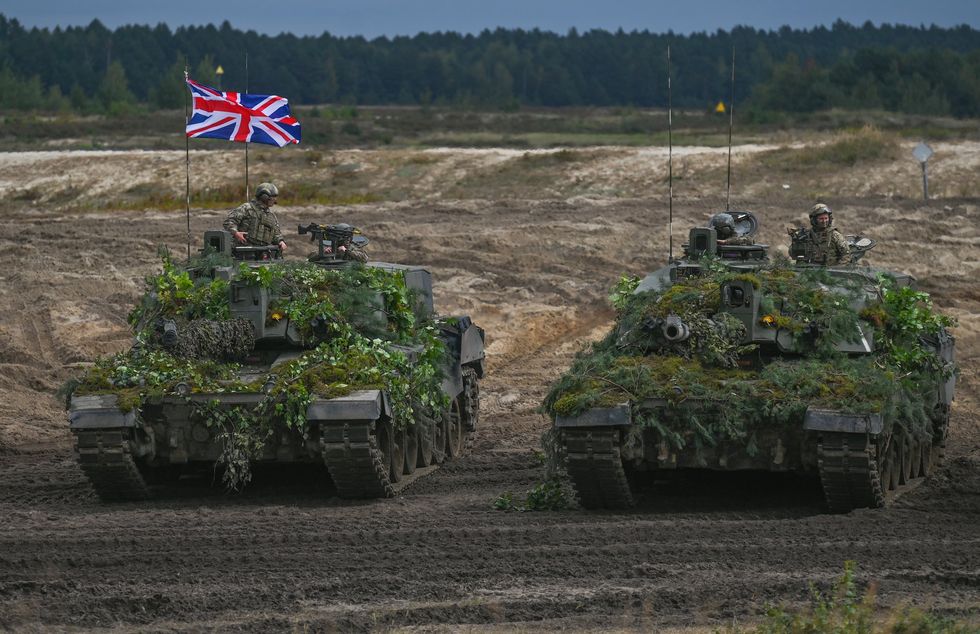
The hefty payments come as the UK attempts to flex its military might on the international stage, despite the armed forces being “cut to the bone and to the marrow” in brutal spending reductions.
Since 1997, the British Army, the Royal Navy and the Royal Air Force (RAF) have fallen by more than a third, from around 210,000 personnel to roughly 138,000 today.
The army has shrunk from about 110,000 regulars to the low-70,000s, smaller than in Napoleonic times.
Meanwhile, the navy operates just 19 major surface warships, down from more than 40 in the late-Cold War era.
The RAF has also retired entire fast-jet fleets. The Harrier force, Tornado squadrons and Nimrod maritime patrol aircraft were scrapped outright in 2010, before being replaced at additional cost.
On land, armoured mass has ebbed away. Challenger tank numbers have fallen from more than 400 during the 1990s to just 148 being upgraded under the Challenger 3 programme, while infantry battalions have been merged or disbanded.
Lt Col Stuart Crawford said the budgetary constraints had left the military “unable to function properly”.
He doubted what element of the “tiny” army could be brought to bear to act as a multinational peacekeeping force.
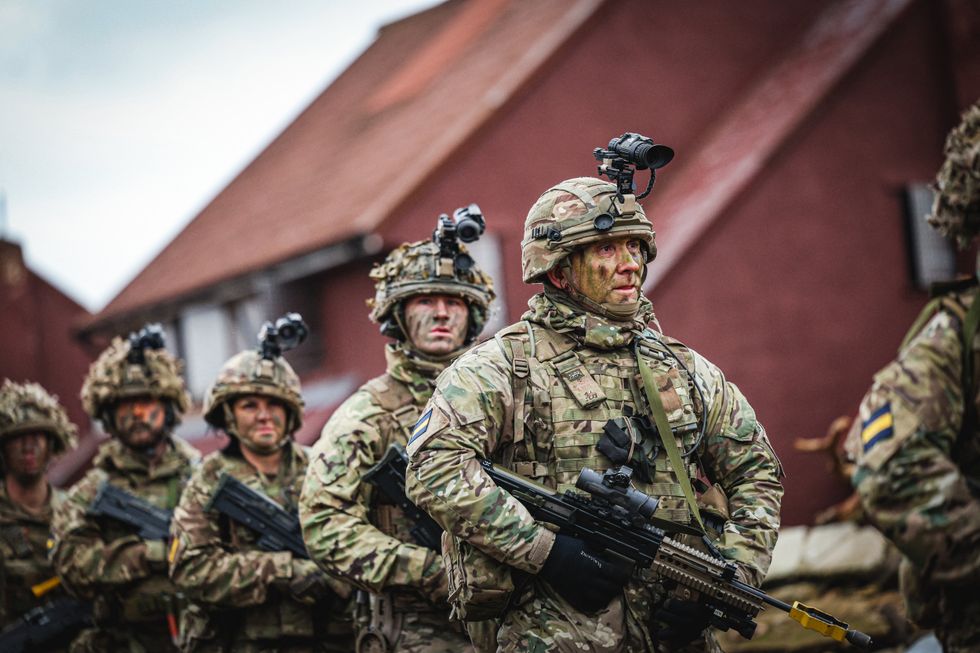
On Ukraine, Lt Col Crawford highlighted the “hopelessly insufficient” replacements the MoD had provided for British forces to replace donations to Kyiv.
He highlighted the procurement of 14 Swedish Archer self-propelled artillery systems, which he considered inadequate compared to the AS90 howitzers that had been gifted
An MoD spokesman told GB News they “strongly reject” Sir Ben’s argument.
“All defence spending is calculated in line with NATO guidance,” the department stressed.
“Last year, the Prime Minister made a historic commitment to spend 5% of GDP on national security from 2035. This is a generational increase in defence and security spending, underlining the UK’s commitment to national security and honouring our commitment to be a leader in NATO.
“This government is delivering the biggest boost in defence spending since the Cold War: with an additional £5bn for defence this financial year alone, and £270bn investment across this parliament, ensuring no return to the hollowed-out, underfunded armed forces of the past.”
Britain’s News Channel understands VAT paid to the Treasury is accurately calculated based on the value of the goods and services purchased.
Whitehall officials argue VAT rules are designed to prevent tax from distorting government decision-making.
Without refunds and reliefs, departments such as the MoD would be pushed towards in-house provision or away from private and international partners, simply to avoid a VAT charge, even where those options are less efficient or strategically sound.
Our Standards:
The GB News Editorial Charter



Follow