



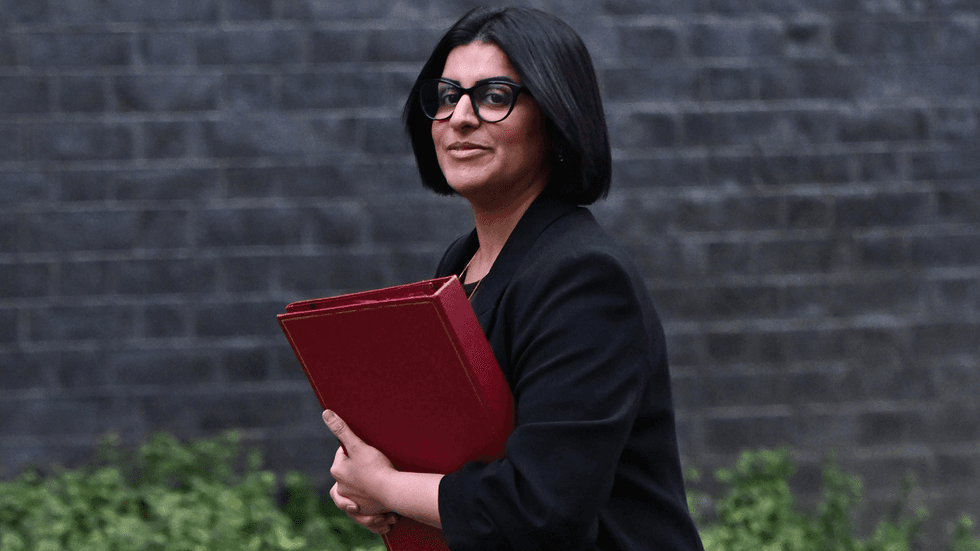
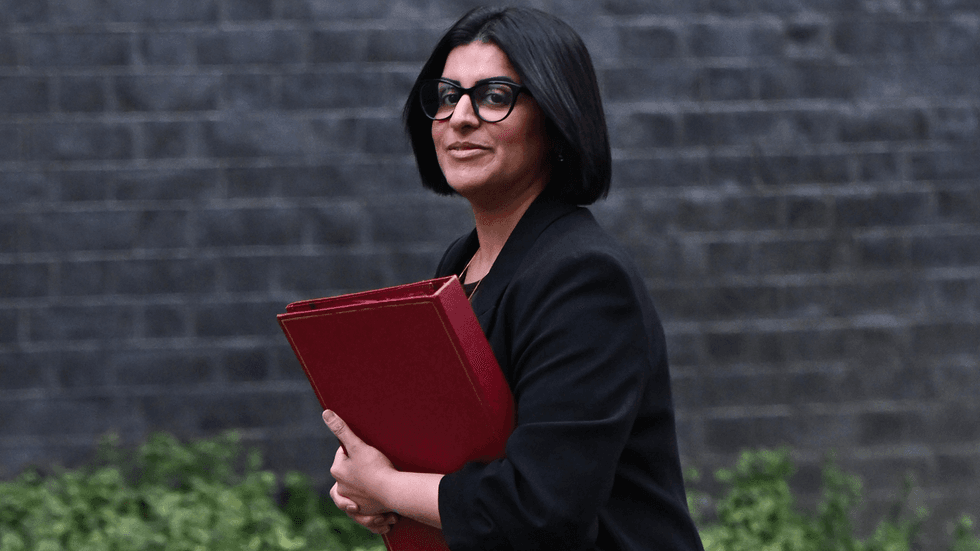
Home Secretary Shabana Mahmood is set to unveil plans for a new national police force, intended to serve as Britain’s equivalent of the FBI.
The National Police Service (NPS) is expected to take on responsibility for tackling terrorism, fraud, and serious organised crime across England and Wales.
Ms Mahmood will set out the proposals in a white paper on Monday, calling them the most significant overhaul of policing in a generation.
“The current policing model was built for a different century,” the Home Secretary said.
She added: “We will create a new National Police Service, dubbed ‘the British FBI,’ deploying world-class talent and state-of-the-art technology to track down and catch dangerous criminals.”
The NPS will operate under its own uniform and be led by a national commissioner, who will become the country’s most senior police officer.
It will bring together several national policing functions that are currently scattered across different forces.
Counter-terrorism operations, presently run by the Metropolitan Police, will transfer to the new service, alongside the National Crime Agency and regional organised crime units.
Police helicopter services, currently run by West Yorkshire Police, and national roads policing, overseen by Sussex, will also come under the single organisation.
The City of London’s fraud investigation responsibilities will similarly be absorbed into the new structure.
A national police commissioner will lead the service, establishing uniform professional standards and training requirements for officers across the country.
The College of Policing’s role in setting guidance and providing training will also be incorporated into the NPS.
POLICE – READ THE LATEST:
- Police told they have to undergo regular tests to get work licence or face dismissal
- Ministers to be handed fresh powers to axe failing police chiefs after Israeli football fan row
- Met Police bans ‘Walk With Jesus’ march to avoid provoking local Muslim community
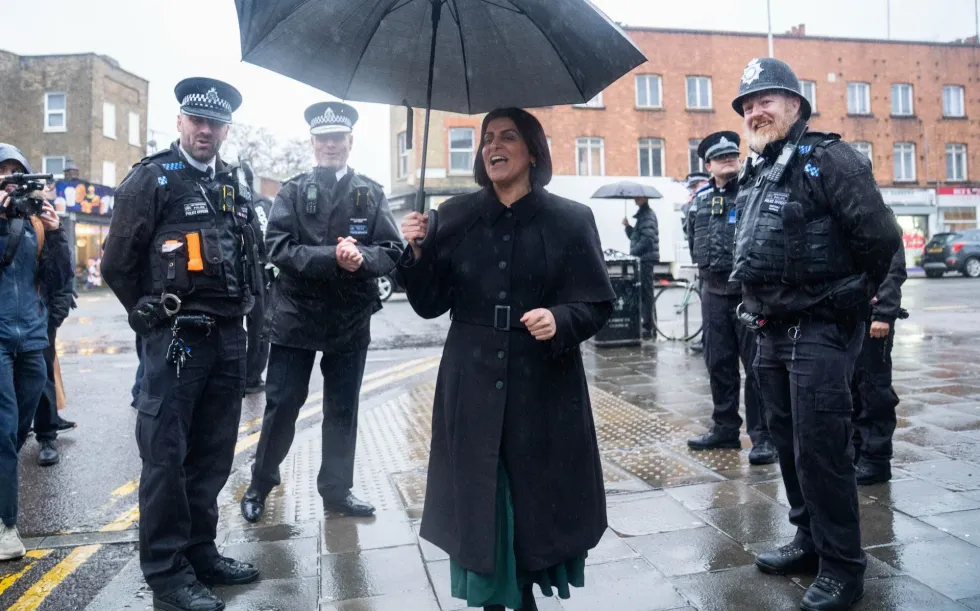
Intelligence and resources will be shared progressively across forces to ensure consistent security standards, regardless of location.
The Government says the current 43-force structure is struggling to keep up with modern criminal threats, noting that nine out of ten crimes now involve a digital element.
Ministers argue that criminals routinely operate across local boundaries and national borders, yet policing arrangements have failed to adapt.
“Having 43 forces buying their own kit, equipment, and IT is bizarre, outdated, and costs the taxpayer a fortune. Enough is enough,” Ms Mahmood declared.
The Home Office says local officers have been overburdened with tackling major crimes without proper training, leaving them less able to address everyday offences such as shoplifting, phone theft, and antisocial behaviour.
Senior policing figures have voiced support for the reforms, with Metropolitan Police Commissioner Sir Mark Rowley endorsing the restructuring.
“If you don’t organise the rest of policing, you suck resources away from local policing,” Sir Mark told The Telegraph.
Graeme Biggar, director general of the National Crime Agency, added: “The overall policing system is out of date. Crime has changed, technology has changed, and how we respond needs to change.”
However, Shadow Home Secretary Chris Philp warned the changes “must not come at the expense of local and community policing, which is where public confidence is built and everyday crime is stopped”.
Our Standards:
The GB News Editorial Charter



Follow