



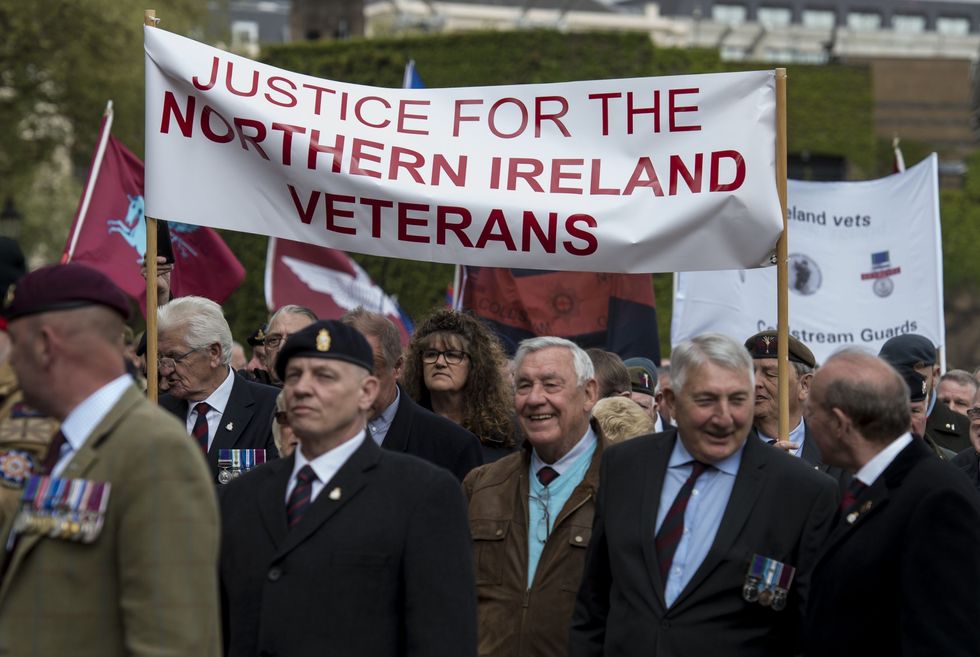
Nigel Farage is set to announce that a Reform government would grant pardons to military veterans convicted of offences committed during the Troubles in Northern Ireland.
He will unveil the pledge at a Reform for Veterans event in central London on Monday, with around 600 former service personnel expected to attend.
Under the proposals, Reform would bring an end to all ongoing prosecutions of British veterans through either parliamentary legislation or the use of the royal prerogative of mercy.
Mr Farage told The Telegraph: “We are proud to be launching our veterans wing. We will fight the injustice being done to our former servicemen and stand up for their rights.”
The party described current prosecutions of elderly veterans as “repeated and vexatious”.
According to Reform’s policy document, the party would introduce a statutory bar to halt existing proceedings and prevent any future legal action against British veterans over historical conduct.
It also proposes that ministers would be required to approve any prosecution of soldiers for actions taken during combat operations, a move that would make future cases far less likely to proceed.
The document says that veterans “have been betrayed and thrown under the bus by successive British governments who put ‘human rights’ above the rights of veterans”.
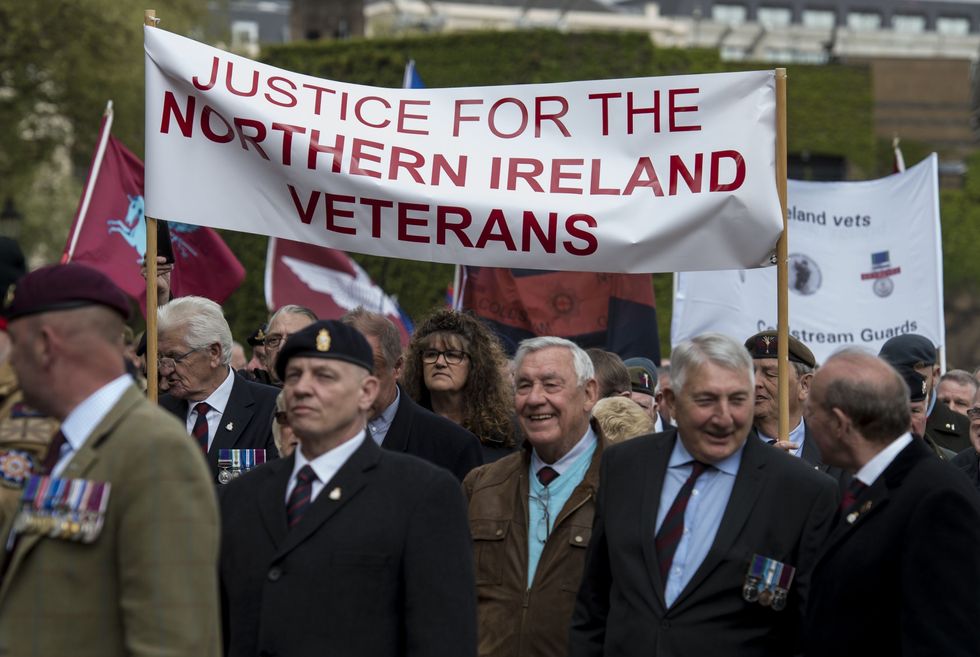
It cited the case of Soldier F, a former paratrooper now in his seventies who faced murder charges linked to Bloody Sunday in 1972, before being acquitted in October.
The announcement comes amid warnings from Sir Keir Starmer’s Northern Ireland veterans’ tsar that up to 70 former soldiers could face prosecution under Labour plans to repeal protections for Troubles veterans.
Reform has argued that British forces were responsible for around 11 per cent of deaths during the conflict between 1969 and 1993, yet the majority of the roughly 30 potential inquests and around 600 civil cases currently in the pipeline relate to actions by lawfully deployed security forces.
The party draws a comparison with the treatment of IRA members under Tony Blair’s government, noting they “were released from prison, pardoned or given comfort letters, and even allowed to engage in front-line politics”.
NORTHERN IRELAND VETERANS – READ MORE:
- Troubles veterans deliver snap reaction on GB News as MPs vote to repeal conditional immunity
- Keir Starmer’s own adviser fears ‘veterans being treated worse than terrorists’ in full-throttled attack on new Troubles Bill
- ‘It’s two-tier justice!’ Keir Starmer braces for ‘rude awakening’ over betrayal of Troubles veterans
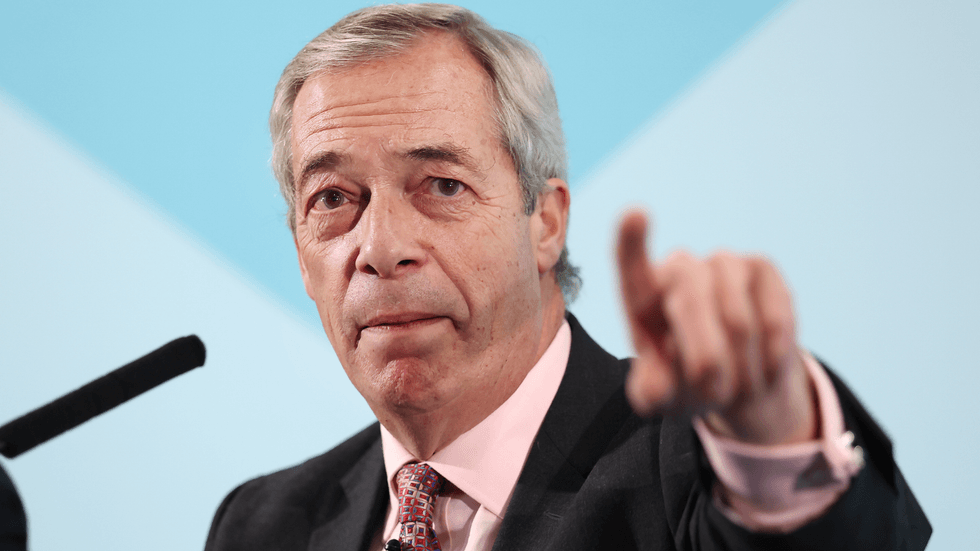
More than 3,500 people were killed during the three decades of violence, which began in January 1969.
Responding to the announcement, Shadow Armed Forces Minister Mark Francois said the Conservatives had been “defending those who defended us” for years.
“As someone who has campaigned consistently on this issue for almost a decade, I welcome support from other parties, even belatedly,” he said.
However, Mr Francois criticised both Mr Farage and Robert Jenrick for failing to vote in Parliament last Wednesday when Conservatives opposed Labour’s changes to the 2023 Legacy Act, asking: “Where were they instead?”
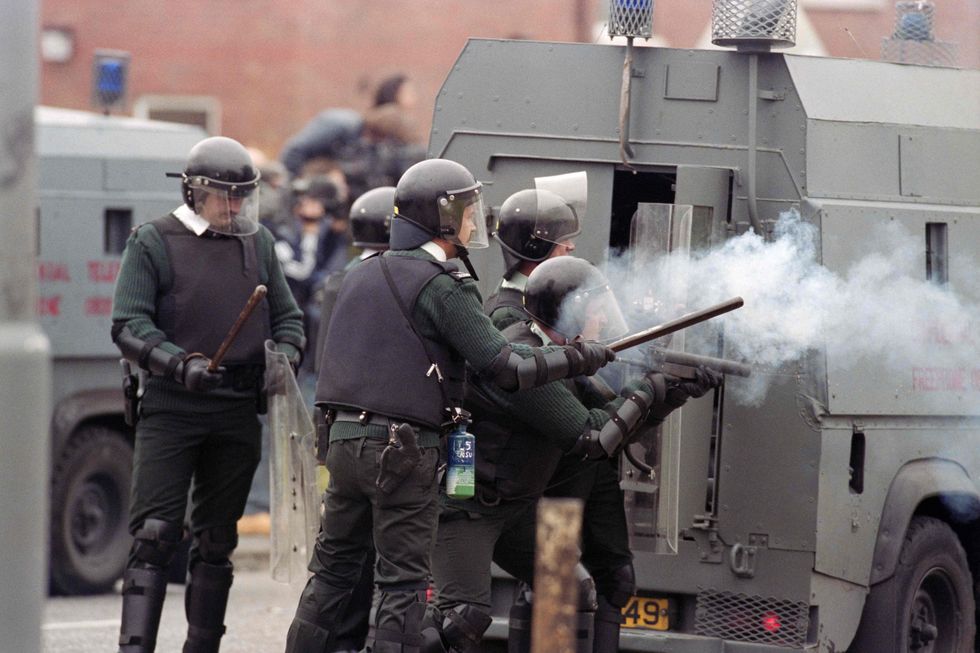
Reform has also pledged to withdraw the UK from the European Convention on Human Rights and repeal the Human Rights Act.
Under the proposals, the statutory bar on prosecutions would extend beyond Northern Ireland to cover allegations arising from British military operations in Afghanistan and Iraq.
In 2023, former soldier David Holden became the first military veteran convicted of a Troubles-era offence since the 1998 Good Friday Agreement.
He was found guilty of the manslaughter of 23-year-old Aidan McAnespie, who died after being shot at a checkpoint in County Tyrone.
Our Standards:
The GB News Editorial Charter



Follow