



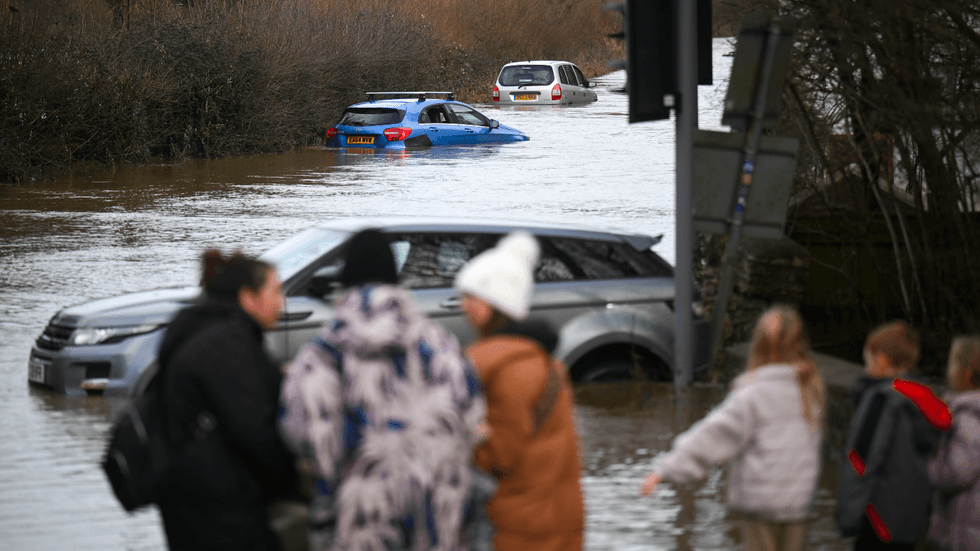
Labour has come under fire from local authorities for continuing to stretch council budgets after Storm Chandra plunged Britain into flooding chaos.
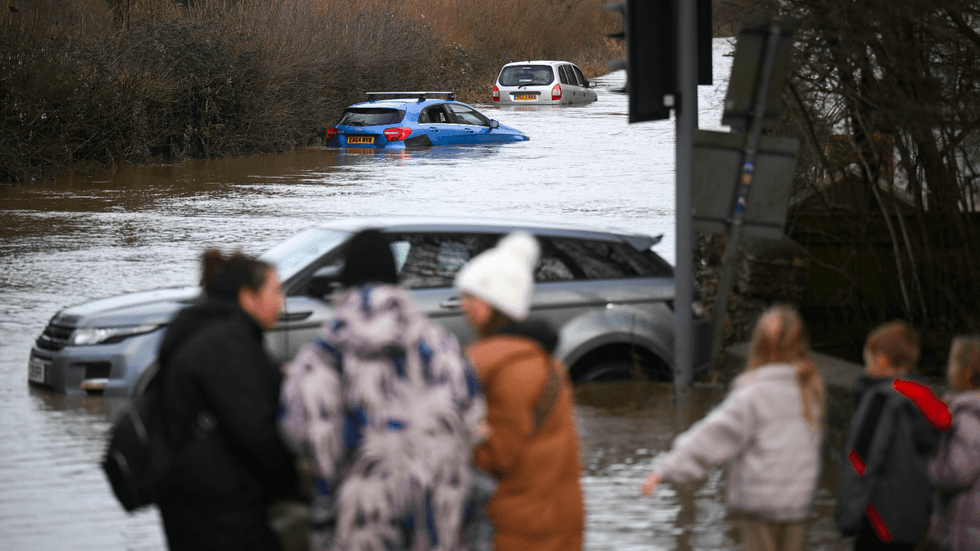
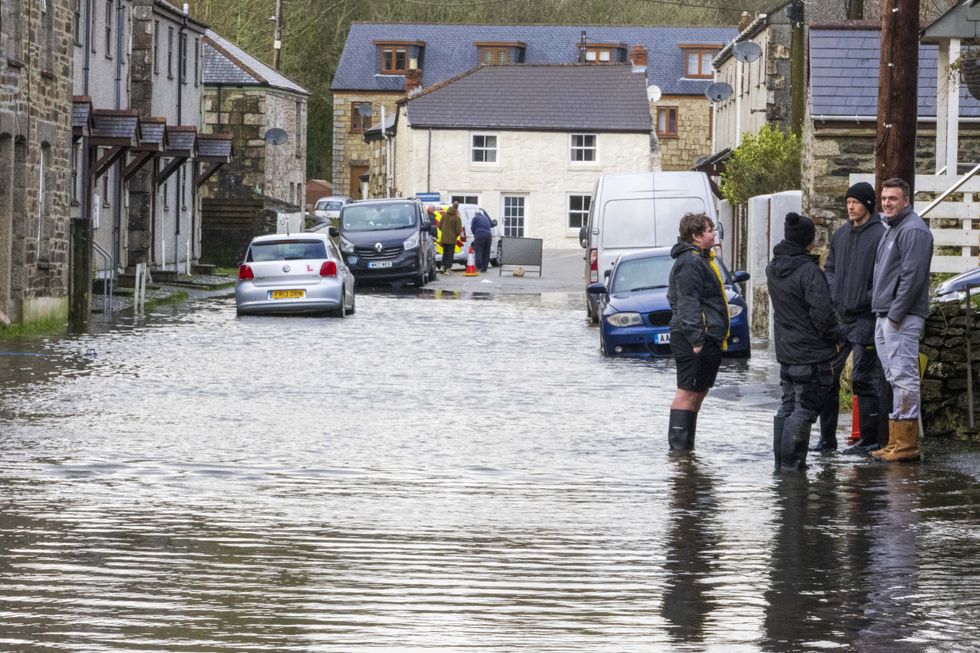
The storm triggered record-breaking flooding in Devon on Tuesday, after the River Otter surged to an unprecedented 2.83 metres, bursting its banks and inundating homes, roads and farmland.
The Environment Agency issued a rare severe flood warning, signalling a direct threat to life in affected areas.
Across Britain, the storm caused widespread disruption, with major roads closed, flights grounded and rail services suspended as fierce winds and torrential rain battered the country.
Hundreds of schools were forced to shut, while ferry crossings were cancelled.
The West Country bore the brunt of the extreme weather, which brought heavy rain, snow and powerful gales sweeping across the UK.
Local figures blamed reduced government funding for worsening the impact, claiming councils no longer have the resources to maintain vital flood prevention measures.
Vicky Johns, mayor of Ottery St Mary – through which the River Otter flows – told The Telegraph: “Years ago the council would pay for people to clean the drains.
“Now they don’t have the funding they used to. Devon County Council doesn’t get anywhere near as much money as it should.”
She added: “An awful lot of the issues are because government funding has been cut right back. We need more money down here.”
Peter Faithfull, an independent councillor representing Ottery on East Devon District Council, said: “So many of the floods are simply blocked drains – it really is ridiculous.
“We don’t get enough funding. Over the years the Government just keeps cutting down.”
COUNCIL CHAOS – READ THE LATEST:
- Birmingham protesters call on residents to stop paying council tax over missed bin collections
- Councillor vows to quit role in bid to FORCE by-election after local contests cancelled
- Councils face questions over £2billion investment in school transport despite hidden crisis
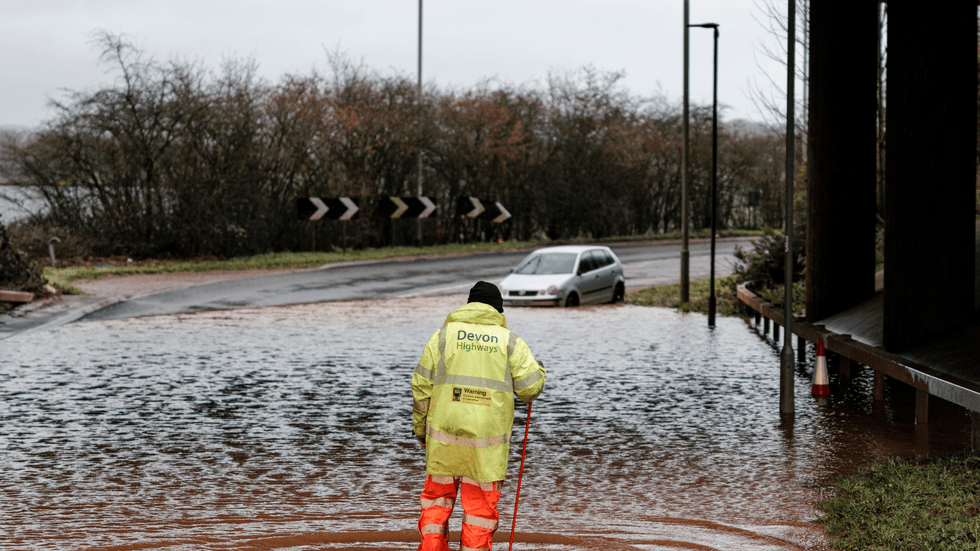

The Liberal Democrat-led Devon County Council has previously warned it expects government support to fall over the next three years, placing increased pressure on local resources.
Council leader Julian Brazil told residents they were now “experiencing the very real impact of decades of underinvestment in sea defences, flood alleviation schemes, and road and rail infrastructure”.
“Our council officers have done an amazing job keeping roads open and supporting residents affected by flooding,” he said.
“But there is only so much we can do when the Government continues to deliver real-terms cuts in funding.”
A Ministry of Housing, Communities and Local Government spokesman said: “We’ve made almost £78billion available to England’s councils this year and radically overhauled the broken funding system we inherited.
“Under this Government, we will have made the equivalent of £183million available for Devon by the end of 2028-29 to help them deliver high-quality public services.”
Elsewhere, around 10,000 properties lost power in Northern Ireland as winds of up to 80mph battered the region, forcing 350 schools and colleges to close.
A woman was taken to hospital after a tree struck a vehicle in Lisbellaw, County Fermanagh, while Queen’s University Belfast shut its campus entirely.
Irish Sea ferry services were also hit, with crossings between Wales, Scotland, Northern Ireland and the Republic of Ireland cancelled.
More than 100 flood warnings and alerts remained in force across England and Wales on Tuesday.
The Met Office has warned temperatures will fall below freezing on Wednesday, raising the risk of ice as rain and snow refreeze.
Yellow ice warnings are in place across Northern Ireland, much of Wales, southern Scotland and large parts of England until Wednesday morning.
Our Standards: The GB News Editorial Charter



Follow