




Labour has come under scrutiny for its ambitious Road Safety Strategy, which aims to reduce the number of people killed and seriously injured on UK roads.
The Transport Committee has today launched an inquiry which will look at how realistic the strategy is in sticking to its targets and helping improve the standards of driving across the UK.
The new Road Safety Strategy aims to reduce the number of people killed or seriously injured by 65 per cent by 2035, with a stretch goal to reduce the number of children under 16 killed or seriously injured on roads by 70 per cent.
The Committee has revealed concerns about how the Government will achieve the targets and whether arrangements across departments are strong enough to help push the goals forward.
The call for evidence will run until Friday, March 13, with Britons urged to submit responses before this date.
MPs will also consider evidence on wider issues raised by the road strategy, including speed limit changes, road design, safety on rural roads, as well as lessons from international and UK practice.
Transport Committee Chair Ruth Cadbury said: “The number of people dying on our roads recently has plateaued after some years of steady decline, with too many people killed and seriously injured in preventable incidents.”
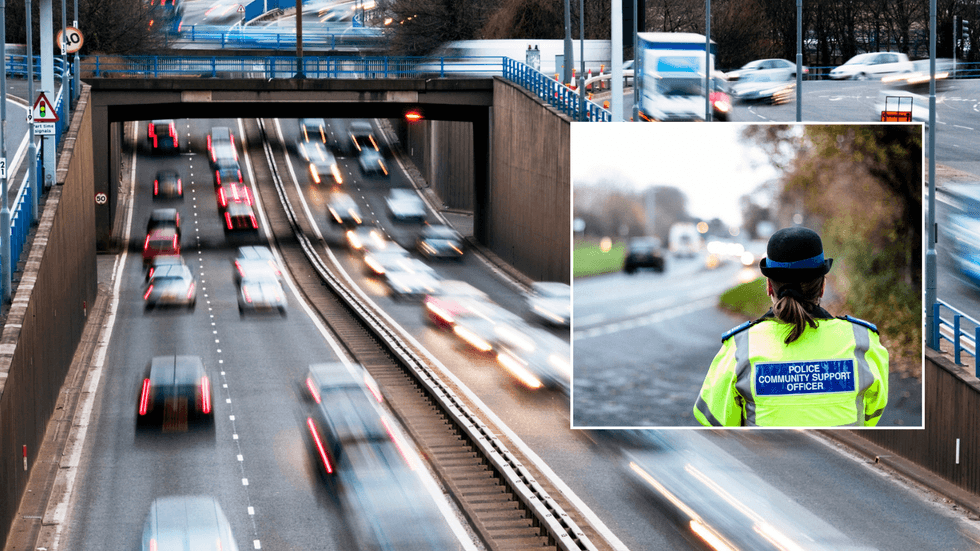
The Labour MP for Brentford and Isleworth explained that while the Committee is pleased to see the new strategy, “we want to explore whether ministers are heading in the right direction to really make a difference”.
The inquiry will specifically examine whether the Government has the right level of ambition and the right arrangements in place to meet the road targets.
She questioned: “Should more be done to ensure that learner drivers are setting off on the right path, and how do we reduce deaths and serious injuries involving older drivers while still maintaining their independence?
“How should evidence on the relationship between speed limits and safety influence new guidance? What scope is there for road design and maintenance to further improve safety? And what can we learn about the effectiveness of various approaches in other countries?”
LATEST DEVELOPMENTS
- Self-driving cars could arrive by September despite Britons ‘not comfortable’ with driverless technology
- Tesla confirms plans to axe Model S and Model X as Elon Musk backs rollout of humanoid robots
- Vehicle production plummets as UK car brands face ‘toughest year in a generation’
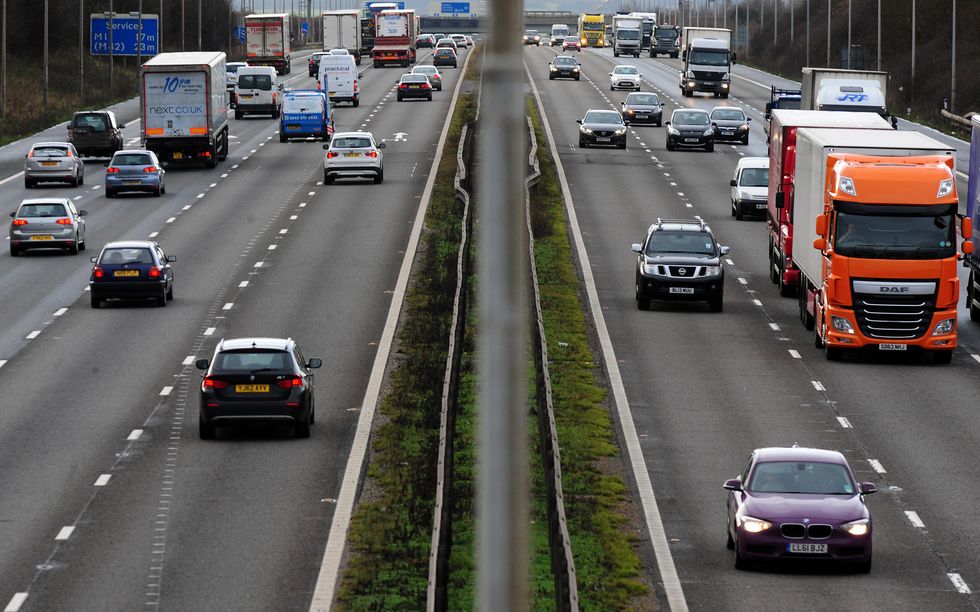
The Road Safety Strategy was unveiled earlier this month, with several driving topics now being consulted by the Government.
This included updates to motoring offences such as drink-driving penalties, driving without insurance, failing to wear a seatbelt, as well as the growing problem of illegal number plates.
Other consultations currently underway include a minimum learning period for new drivers, mandatory eyesight tests for older drivers, improving moped and motorcycle training, and mandating vehicle safety technologies in GB type approval.
The Strategy stated: “To protect young people and to keep the roads safe for everyone, the Government is consulting on introducing a three or six-month minimum learning period for learner drivers.

“A minimum learning period would give learners more time to develop their skills and gain experience in varied conditions, such as driving at night, in adverse weather, and in heavy traffic.”
Commenting on the strategy, Transport Secretary Heidi Alexander detailed how, while the UK has historically been a global leader in road safety, European countries have made more progress in reducing road fatalities.
She said: “This is a warning I won’t ignore. We must take action and reject the flawed idea that drivers alone bear responsibility.
“We need to address how we design our roads and vehicles, how we educate road users, including testing drivers and riders, and the laws we make and enforce.”
Our Standards:
The GB News Editorial Charter



Follow