




Family farms and family‑run businesses have won a significant legal breakthrough in their challenge to the Chancellor’s inheritance tax reforms, after the High Court agreed to fast‑track a judicial review into whether Rachel Reeves acted unlawfully when altering long‑standing reliefs.
Judges have approved a two‑day rolled‑up hearing, an exceptionally rare procedure that combines the permission stage with a full examination of the legal arguments, to scrutinise changes to agricultural property relief and business property relief.
The accelerated hearing is expected to take place in February or March.
At the heart of the case is the claim that ministers failed to carry out a proper consultation before announcing the reforms, a move campaigners say breaches established principles governing public decision‑making.
The court will ultimately determine whether the Government acted outside the law.
The reforms were unveiled in the 2024 Budget, when Ms Reeves confirmed that agricultural and family business assets would no longer receive full inheritance tax relief.
Under the original proposal, a 20 per cent charge would apply to assets above £1million, with the changes due to take effect in April.
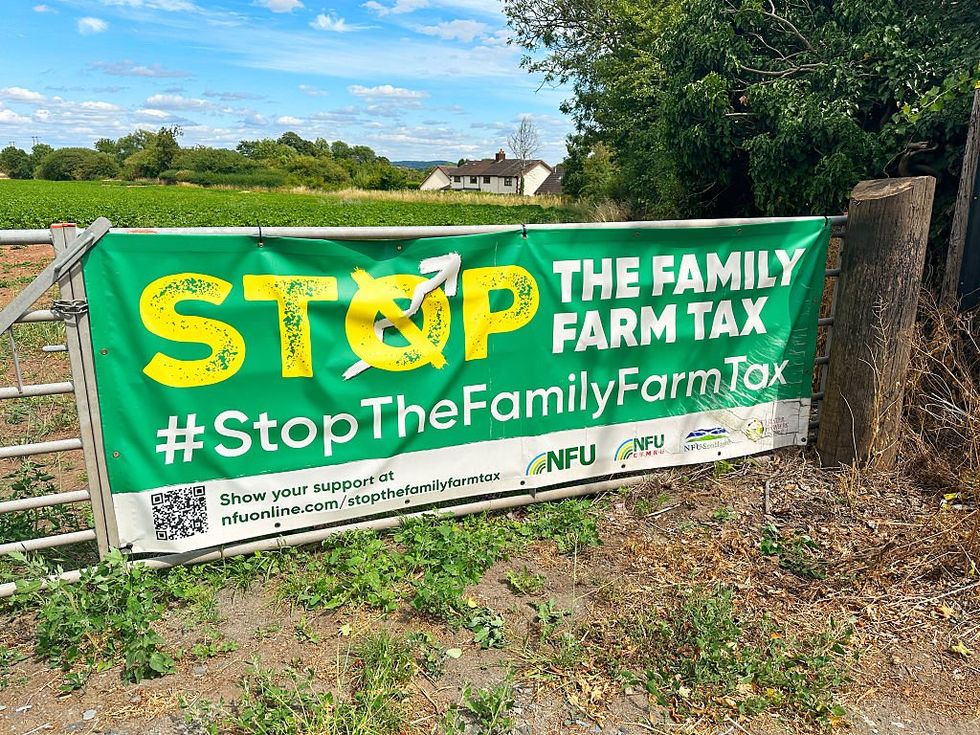
The announcement triggered widespread anger among farmers and business owners, culminating in large tractor protests in central London.
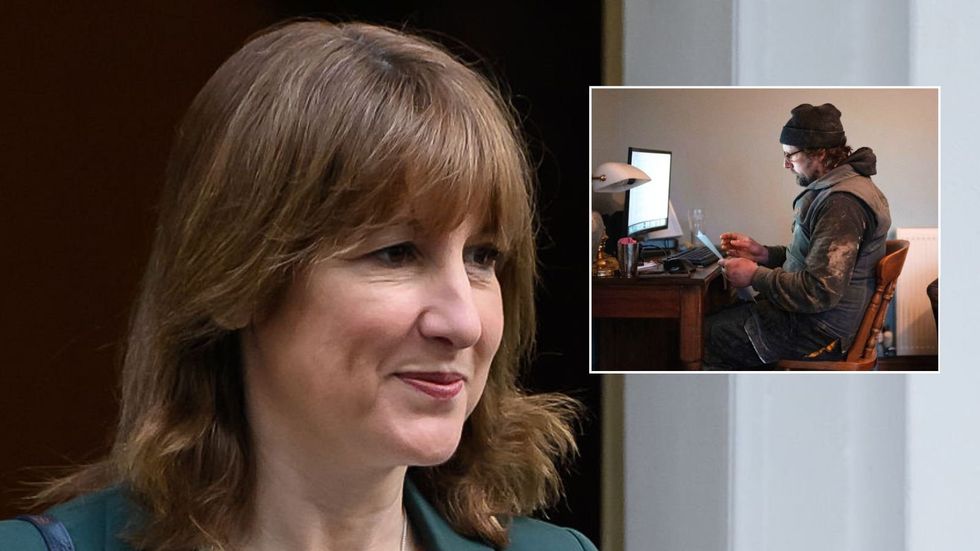
Mounting pressure forced the Chancellor to revise the plans last month, raising the threshold to £2.5million, or £5million for married couples.
Critics, however, argue that the higher limits still leave many family enterprises facing substantial tax bills that could force the sale of land or assets after a death.
The legal challenge focuses not on the tax rates themselves but on the process used to introduce them.
Claimants say the Government failed to consult affected sectors before announcing the policy.
LATEST DEVELOPMENTS
- Martin Lewis slams Rachel Reeves over ‘immoral’ student loan decision
- Rachel Reeves driving costs cause motorists to ditch petrol and diesel cars for EVs
- Pension savers face being ‘left out in the cold’ under Rachel Reeves’s ISA reforms
James Austen, a solicitor at Collyer Bristow representing the farmers and businesses, welcomed the High Court’s decision.
Calling the urgent listing “fantastic news and long overdue”, he said it was “exceptionally rare” for a rolled‑up hearing to be scheduled so quickly and that a judge would now rule on whether the Government acted unlawfully.
Tax specialist Marvin Rust of Alvarez & Marsal, who is also involved in the case, criticised the way the reforms were introduced.
Limiting long‑standing inheritance tax reliefs, he said, amounted to a major legislative shift that should not have been implemented without proper consultation.
Campaign groups continue to push for the reforms to be scrapped entirely, arguing that raising thresholds does not address the underlying impact on family‑run firms.
Paul Andrews, founder and chief executive of Family Business United, has urged the Chancellor to “think again and implement a full U‑turn”, warning that the measures could reduce investment and employment and that projected job losses may outweigh any additional tax revenue.
Steve Rigby, chairman of Family Business UK, said the revised thresholds “remain a material challenge” for many enterprises and that the uncertainty surrounding the policy is damaging confidence across the sector.
The Treasury has not commented on the High Court’s decision to fast‑track the case.
Ministers have previously argued that the reforms are designed to ensure fairness in the tax system.
A ruling is expected later this year following the two‑day hearing, with potentially far‑reaching implications for future tax policy.
Our Standards:
The GB News Editorial Charter



Follow