




The rural community has branded potential reforms to gun laws as a “war on the countryside,” warning that changing gun laws could trigger destruction to the game shooting sector.
The sport brings billions of pounds to the UK economy each year, alongside environmental and health benefits for rural communities.
But its future is now under threat as the Labour Government has confirmed its intention to consult on converging rifles and shotguns under a single licensing system.
This change, if implemented, could represent one of the most significant and damaging shifts to the trade, shooting, and countryside industries in decades.
Under the proposal, anyone wishing to own or use a shotgun—whether for work, sport, or recreation—would be required to go through the same application process as a rifle owner. According to shooting organisations, this process is already overstretched, inconsistent, and under-resourced. Adding hundreds of thousands of additional shotgun owners into that system could create unmanageable delays, higher costs, and more administration for both certificate holders and the police.
GB News went to one of the last game shoots of the season in Lambley, Nottinghamshire, to speak to those concerned about the reforms.
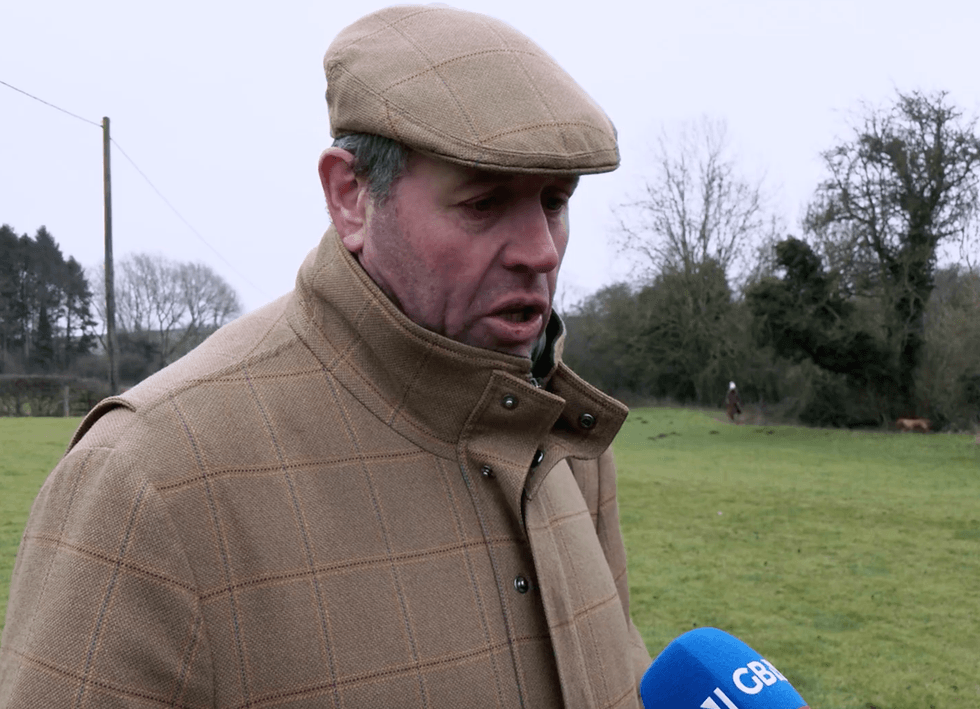
Mark Spencer, Game Shooter, Farmer, and Former Conservative MP for Sherwood, said he was concerned about the potential changes to shotgun ownership for game shooting.
“It’s too much of a burden, to be honest, for the police to be able to do it properly, but actually there is a difference between a rifle and a shotgun, and I think the cost increase will drive normal people out of the sector,” he said.
“The regulations will have a huge impact on people being able to continue in the sport they enjoy.
“It [shooting] has a huge economic impact and is worth over £3 billion across the nation. It’s a huge amount of money, because, of course, it’s not just the shooting—it’s the pubs afterwards, it’s the hotels, it’s the equipment.
“But there’s also a huge social return on that as well, in getting people out in rural areas who don’t get to socialise much. They can come and do that in the open air, talk to their friends, share their concerns—and that’s huge in rural communities.
“It feels like the Government don’t understand at all, and that there’s a sort of war against the countryside at the moment, which people are really feeling.”
LATEST DEVELOPMENTS
- Labour MP labels Nigel Farage’s Turkish barbershops comment racist – despite illegal working raids
- Keir Starmer refuses to say how many small boats will be stopped by ‘smash the engines’ plan
- Labour minister suggests voters don’t care about PM cancelling elections for 4.6 million Britons
Shooting also plays a crucial role in environmental conservation and habitat management.
There are about 3,000 full-time gamekeepers in the UK and a similar number who do the job part-time. They work on farms and estates to care for game species. Looking after the woods, hedgerows, and fields in which game birds and animals live is crucial, according to The National Gamekeepers’ Organisation.
Many gamekeepers rear pheasants and partridges by hand for release into the countryside to supplement wild stocks every spring, with the birds being released carefully during July and August. Some will be shot the following winter during the shooting season from October to January, but many survive to strengthen numbers in the wild.
David Prince, Gamekeeper, told GB News that the rural way of life is “under threat.”
He said: “We rear the birds, release them, feed them all through the season, until the shooting season and throughout the shooting season.
“My concern is, where is the next generation coming from who are going to do the same thing that I do and keep feeding these birds and keeping the country way of life going?
“We’re getting squeezed more and more on our way of life—it just feels like we’re under threat.”
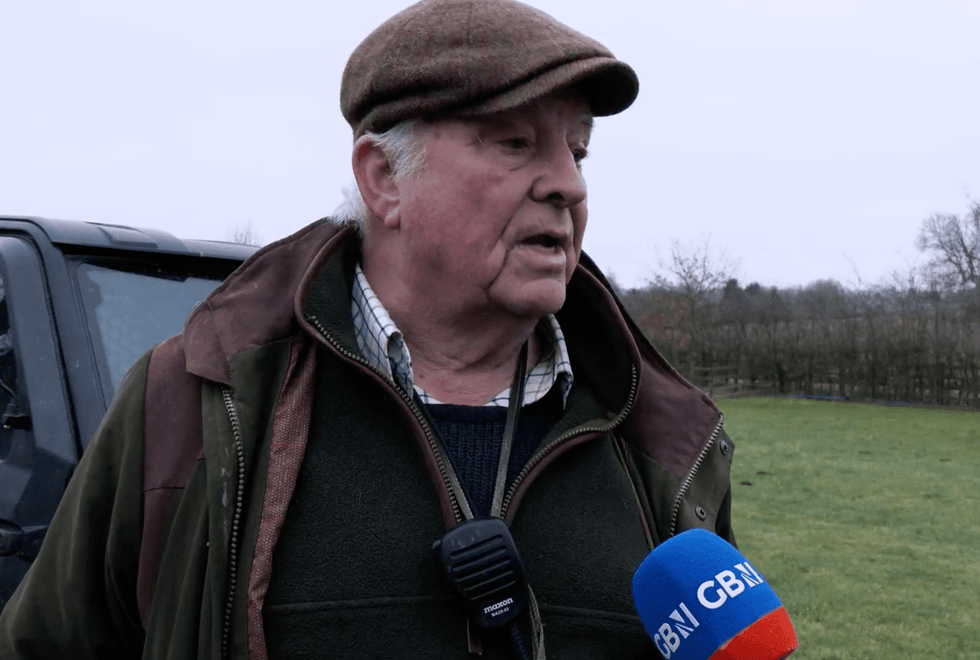
John Hardy, Farmer, who hosts shoots on Jericho Farm in Lambley, Nottinghamshire, said that shoots provide social interaction in a sometimes lonely job, as well as benefitting the environment.
“The farm—now 10 per cent of it—is given to looking after the wild birds: that’s pheasants, partridges, and other small wild birds,” he said.
“I spend most of my time now looking after the wildlife, cover crops, and everything else that goes with the shoot.
“It’s the crack of the day, the fun, the banter with everybody—that’s more important than the actual shooting really. Everybody just joins together and enjoys themselves, and it’s just part of country life.
“We tend to lead lives where we work on our own, but on shoot days we get together and have a right good laugh.”
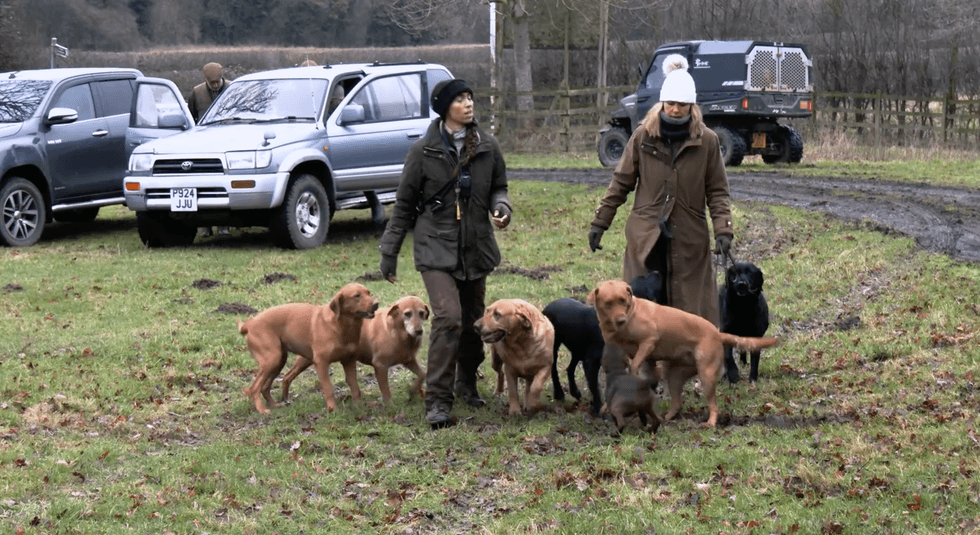
It’s not just guns involved on a shoot, but also beaters and picker-uppers who use trained dogs to retrieve shot game to ensure none is wasted, with the partridges and pheasants taken home to eat or used for pies in the local farm shop.
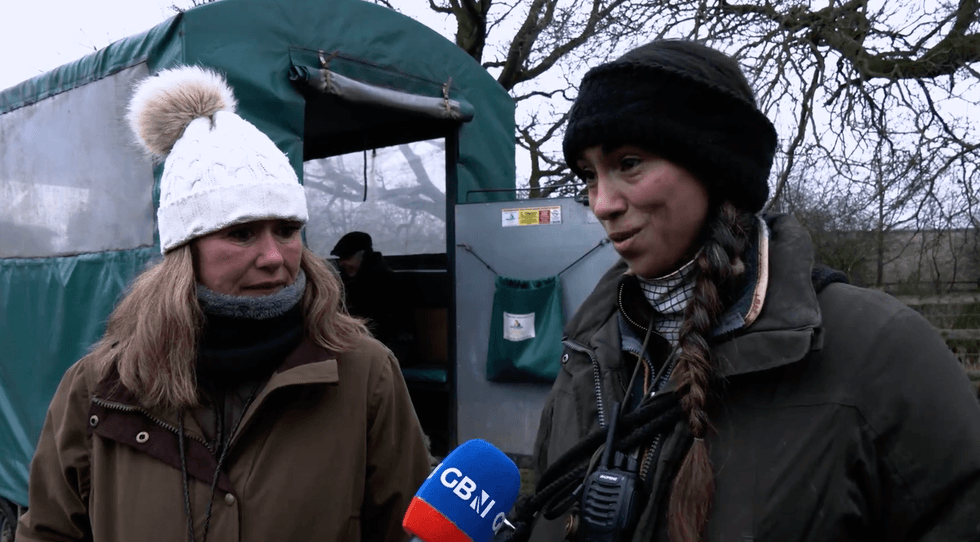
Holly Hinchley, Picker-Upper, has been going on shoots since she was a child. She said: “I love training the dogs up and taking them out on shoots.
“It’s a way of the countryside; it’s what it’s always been, you know, always happened, and it’s just nice to keep it going, really.”
Natalie Thomas, Picker-Upper, also takes her trained dogs to the shoots and told GB News that the pastime is invaluable to her.
“For me, it’s all about the dogs, who I train from puppies, and it’s about getting out in the countryside,” she said.
“It’s my break from corporate life, reality, and motherhood, and I actually don’t know what I’d do if I didn’t have that escape.”
To preserve this way of life, the Countryside Alliance is challenging upcoming Home Office plans to change gun licensing, which could put rifles and shotguns under a single licensing system.
The organisation campaigns for field sports, including hunting, shooting, fishing, and rural communities.
It’s engaging with the Home Secretary, Shabana Mahmood, and her team to ensure that firearms licensing departments are included in her proposed review of police force structures and “the current fragmented landscapes of partnerships and bodies.”
The Countryside Alliance says alignment of shotgun and rifle licensing will not achieve increased public safety, but believes bringing the 43 firearms licensing departments together would.
Mo Metcalf-Fisher, Director of External Affairs at Countryside Alliance, told GB News: “The reforms that the Government are proposing in the consultation shortly will do absolutely nothing to enhance public safety, but they will be hugely detrimental to the countryside.
“It’s so important that the Government listen to the rural sector before that consultation launches so that bad policies don’t come into force.
“Since the Labour Government came to power, we have seen a complete lack of dialogue from decision-makers in Westminster with the people who live, work, and breathe the countryside.
“What we’re proposing is a centralised approach to gun licensing, much like how we issue driving licenses. We think that’s a much safer and, frankly, pragmatic way forward—that’s how we can address the issue of public safety.
“What the Government are proposing just risks taking a wrecking ball to an already fragile economy here in the countryside.”
To find out about the Countryside Alliance’s proposals, click here: Countryside Alliance – Campaign for Shooting
Gun laws in the UK are some of the strictest in the world, and a certificate issued by the police is needed to possess, buy, or acquire a firearm or shotgun and ammunition.
The Government has already increased the number of referees required for shotgun certificate applications from one to two, as well as providing new advice to referees on their responsibilities in supporting an application. This is in direct response to concerns raised by the senior coroner who held the inquests following the fatal shootings in Keyham, Plymouth, in August 2021.
Jake Davison, then 22, shot his mother and four others before killing himself, in a “catastrophic failure” by Devon and Cornwall Police. Davison had held his shotgun legally, and although it was seized after he assaulted two teenagers, it was later handed back to him.
Diana Johnson, Policing Minister, said: “Only those who meet the highest standards of safety and responsibility should be permitted to use shotguns or firearms, and it is crucial that police have full information about the suitability of all applicants for these lethal weapons.
“The events in Woodmancote in 2020, Plymouth in 2021, and other cases provide a tragic reminder of what can happen when these weapons are in the hands of the wrong people, and we must do everything we can to protect the public.
“That is why, as part of our Plan for Change, we are giving the police the tools and resources they need to make safe, timely, and consistent decisions when it comes to firearms licensing.”
Our Standards:
The GB News Editorial Charter



Follow