



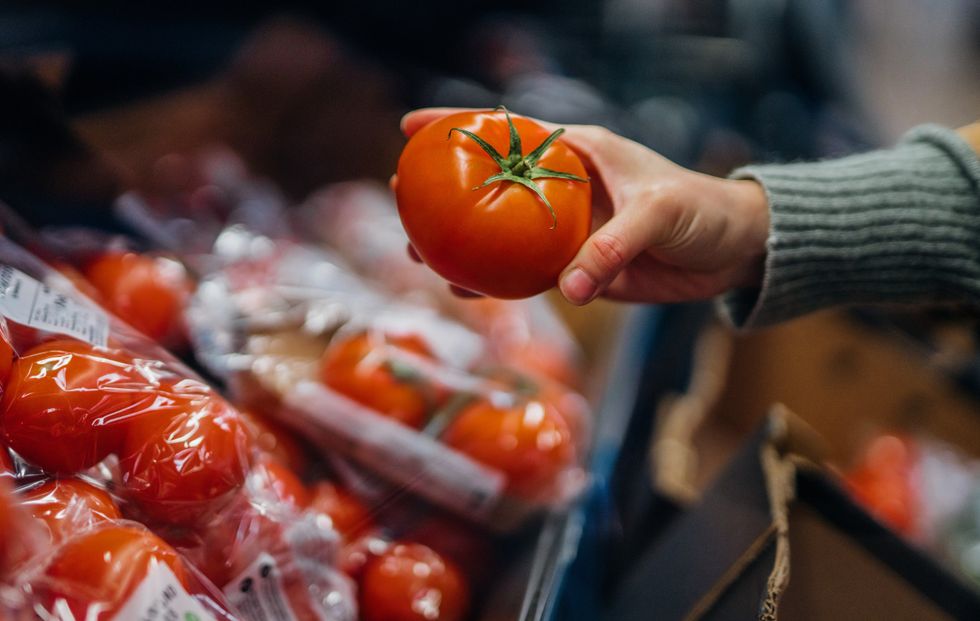
Tomatoes are set for a culling under a new Labour initiative to crackdown on junk food in a move which has been blasted as “nonsensical” by industry leaders.
The Government unveiled plans last week to update the Nutrient Profiling Model, which determines what counts as healthy or unhealthy food.
Under the revised system, “free sugars” released when fruits and vegetables are pureed or mashed would be counted in nutritional calculations.
This could mean that tomatoes and other natural ingredients could be removed from everyday products like pasta sauces and ready meals.
Should ministers apply these new criteria to existing advertising restrictions, products including pasta sauces, fruit yogurts and ready meals could face a ban on television promotion before the 9pm watershed.
The changes form part of Labour’s decade-long health strategy, targeting the £11 billion annual burden obesity places on the NHS.
Stuart Machin, chief executive of Marks & Spencer, branded the proposals “nonsensical” and warned they would create confusion while adding unnecessary bureaucracy.
“What we’ve seen so far on the NPM is nonsensical. Not only does it completely stretch the definition of ‘junk food’, it also causes real confusion, never mind more bureaucracy and regulation,” he said.
The M&S boss argued that shoppers want familiar store-cupboard ingredients in their food, yet the new rules would push manufacturers in the opposite direction.
“Customers have told us that they want recognisable store-cupboard ingredients in their products, but the inclusion of ‘free sugars’ in the new model encourages us to remove fruit purees from yogurts or tomato paste from pasta sauces and replace them with artificial sweeteners,” Mr Machin added.
He also noted the updated nutrition framework “entirely ignores beer and wine, which are an important part of the conversation around health”.
Mars Food & Nutrition, manufacturer of the popular Dolmio pasta sauce range, also hit out at the proposals.
LATEST DEVELOPMENTS
- Patients evacuated and major incident declared as blaze erupts at Southampton hospital
- Councillor pocketing tens of thousands in taxpayer cash while living in Bangladesh
- Benefits claimants take home more than six million workers in ‘broken Britain’
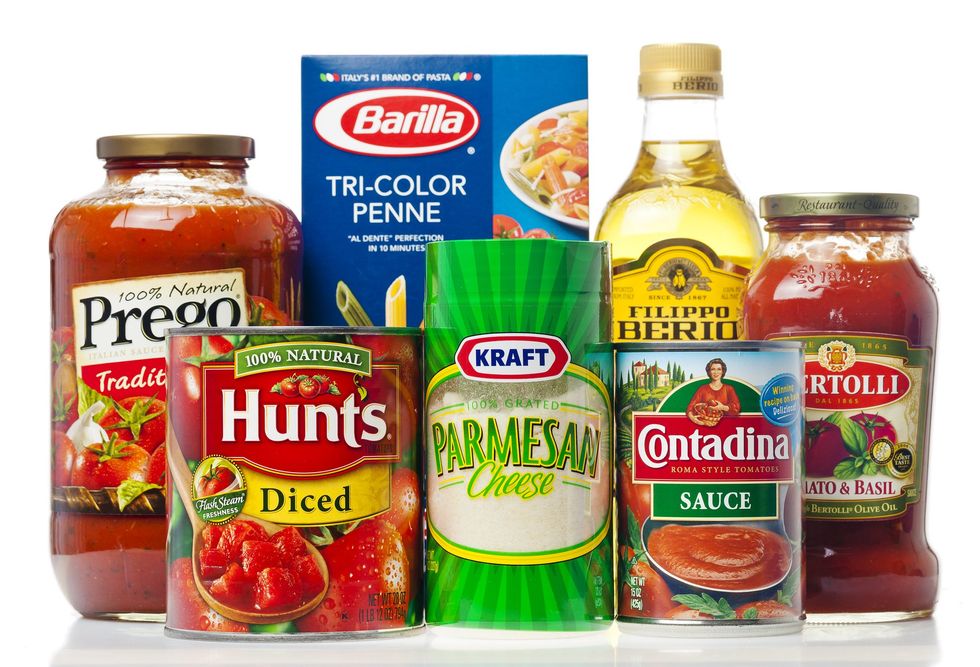
They said it risked “unintended consequences for consumers, such as vegetable and fruit purees and pastes being replaced with ingredients of lower nutrient density”.
The company confirmed it was “reviewing the recently published proposals”.
Kate Halliwell, chief scientific officer at the Food and Drink Federation, expressed concern that businesses would likely reduce fruit and vegetable content in recipes to avoid restrictions.
“Given the majority of the UK population are already struggling to reach their recommended five-a-day and daily fibre intake, we’re concerned that an unintended consequence of this policy could be that it makes it even harder for consumers to achieve this,” she told The Telegraph.
An Asda spokesman warned the plans would “confuse customers, undermine data accuracy, and slow our progress helping customers build healthier baskets, aligned to our 2030 healthy sales target”.
Emma Lewis of yoghurt producer Danone cautioned: “The Government risks undermining future investment in reformulation if the goalposts continue to shift.
“The Department of Health and Social Care dismissed industry objections, with a spokesman stating: “There is always heavy lobbying from vested interests, but we are determined to build a healthier Britain.”
The spokesman added: “We can’t just sit back and leave increasing numbers of kids to grow up obese and unhealthy, setting them up poorly for life and setting up a spiralling bill for the NHS.”
Initial projections indicate the updated Nutrient Profiling Model could prevent an additional 170,000 childhood obesity cases if applied to current advertising and supermarket promotion rules.
Despite his criticism, Mr Machin expressed optimism about the review process.
“I’m confident that common sense will prevail when Wes Streeting interrogates this model over the coming months and also considers the cost pressures it will put on the weekly shop,” the M&S boss said.
Our Standards:
The GB News Editorial Charter



Follow