



Reform UK councillors running Kent County Council have acknowledged that their flagship efficiency review failed to uncover significant waste, undermining repeated claims by senior party figures that local authorities are riddled with mismanagement and excess spending.
The admission follows a nine-month review led by Reform councillors after the party took control of the authority, having pledged to expose widespread waste and inefficiency in council finances.
The findings represent an embarrassment for the party, whose national leadership has repeatedly argued that dramatic savings could be achieved through an overhaul of local government spending.
Paul Chamberlain, a cabinet member responsible for the council’s so-called Department of Local Government Efficiency (Dolge), told the Financial Times that expectations upon taking power had not been met.
Mr Chamberlain said Reform councillors had assumed they would uncover extreme examples of waste similar to those identified by the Department of Government Efficiency, or Doge, in the United States.
He said: “We made some assumptions that we would come in here and find some of the craziness that Doge found in America and that was wrong, we didn’t find any of that.”
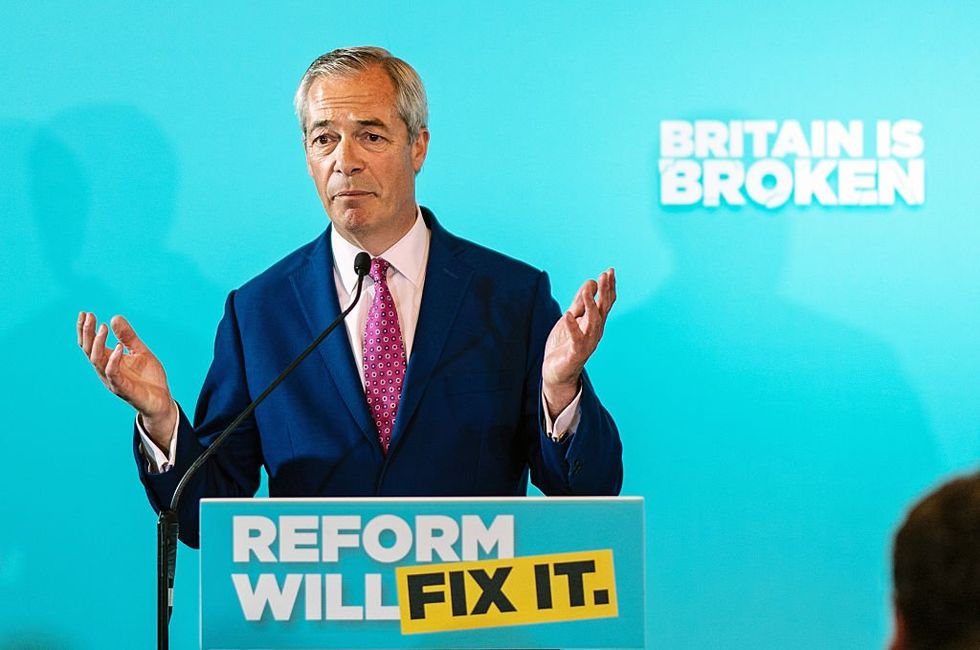
The comments cast doubt on assertions made by Reform UK leader Nigel Farage and former party chairman Zia Yusuf, who have both insisted that local councils are plagued by fraud and reckless spending.
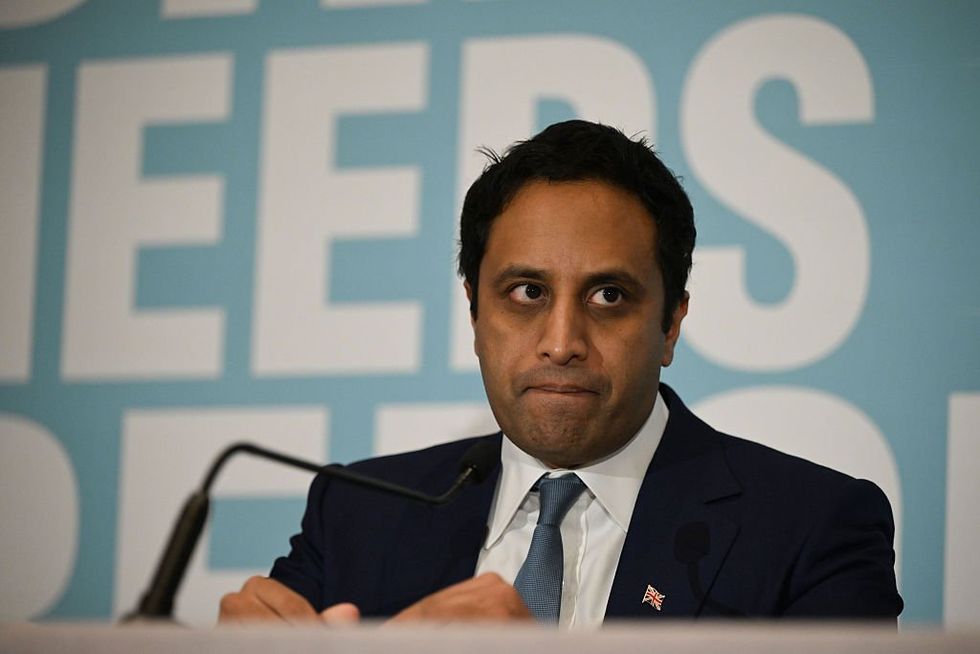
Mr Yusuf, who launched the Dolge initiative last summer, previously claimed that “waste and in some cases corruption” within councils was “off the charts”.
Kent County Council was singled out at the time, with Mr Yusuf accusing officials of having their “snouts in the trough for too long”.
Those claims now appear difficult to reconcile with the conclusions reached by Reform’s own councillors overseeing the authority’s finances.
Mr Chamberlain was also candid in his assessment of the previous Conservative-led administration at County Hall.
He said members of the former council “weren’t crazy” and described them as “business people”.
Speaking at an event in Maidstone last week, Mr Chamberlain suggested that years of financial pressure had already stripped out most opportunities for dramatic savings.
He said: “There just weren’t big cuts to make, because services had already been hacked away for years and years.”
The cabinet member said the council had since shifted its focus away from large-scale spending reductions and towards smaller operational changes.
He added that the party had hoped to deliver headline-grabbing savings but had instead been forced to confront the reality of constrained local authority finances.
LATEST DEVELOPMENTS
- Zia Yusuf challenges Zack Polanski to head-to-head TV debate in explosive open letter
- Nigel Farage accused of putting Donald Trump before Britain as top Tory ignites trade row
- ‘We want change now!’ Labour town turns to Reform as PM faces ‘day of reckoning’ for cancelling vote
“I wish we could have found those big savings for Zia, it would have been a better story, but we didn’t,” he said.
Matthew Fraser Moat, another cabinet member with responsibility for the efficiency programme, said the council had deliberately avoided making further cuts to frontline services.
He told the Financial Times: “I’m really proud that the Reform council has not actually made any cuts.”
Mr Fraser Moat said no additional frontline services had been reduced beyond those already planned by the previous Conservative administration.
He added that Reform councillors had intervened to prevent some proposed reductions, including plans to close several libraries across Kent.
Rather than pursuing sweeping budget cuts, Mr Fraser Moat said the council was pursuing incremental efficiencies.
He said: “It’s by making little changes that you’re able to bring the costs down.”
Council tax in Kent rose by 3.99 per cent this year, remaining below the five per cent level that would have required a local referendum.
The increase was higher than pledges made by some Reform candidates during last May’s local elections.
Mr Chamberlain and Mr Fraser Moat have said the council aims to achieve a freeze in council tax by the 2027–28 financial year.
Council documents show that meeting this target would require savings of £52.8million in the next budget cycle alone.
Planned efficiencies are expected to come from changes to adult social care delivery and transport services for children with special educational needs.
Mr Fraser Moat said the council tax rise this year was reduced by one percentage point due to a larger-than-expected settlement from central government following the fair funding review.
He also noted that Kent County Council achieved around £100million in savings last year through measures originally designed by the previous Conservative administration.
The episode has raised wider questions about the gap between Reform UK’s national messaging and the financial realities facing councils across England.
Our Standards:
The GB News Editorial Charter



Follow