



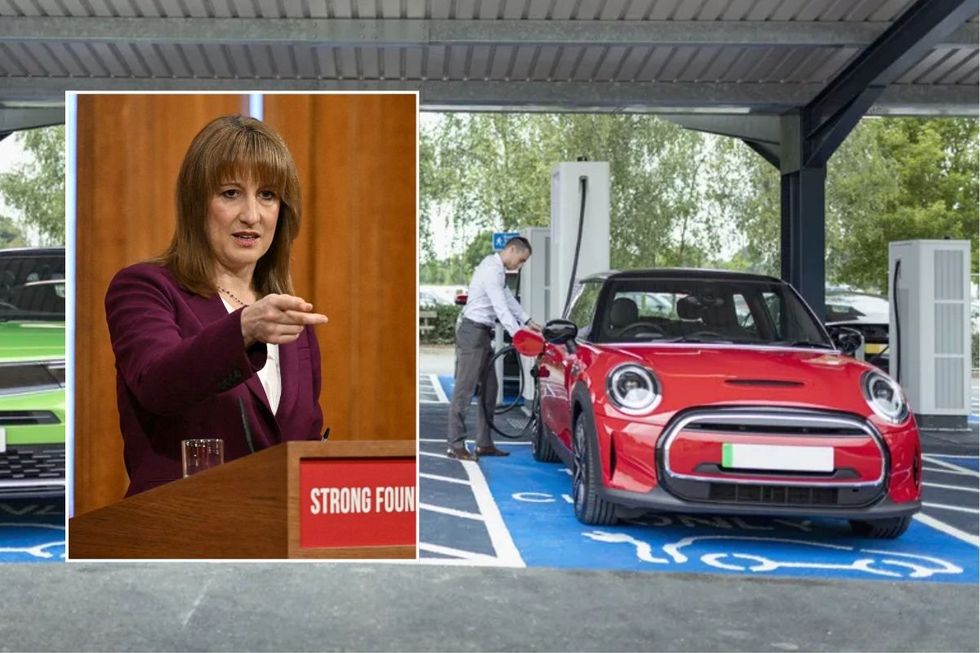
Rachel Reeves has come under fire for measures announced in the Autumn Budget, which will disproportionately impact progress made towards going electric.
Fresh research published today revealed that local councils across Britain are struggling to expand electric vehicle charging infrastructure due to budget pressures and sluggish access to Government funds.
A nationwide survey found that financial constraints remained the most significant hurdle facing councils attempting to roll out public EV chargers.
The findings come as councils await the distribution of £200million in infrastructure funding announced in the Autumn Budget, money intended to accelerate EV charging points across the UK.
While the Chancellor pledged more money to councils for electric cars, the introduction of new car taxes and upcoming pay-per-mile measures for EVs risks derailing progress.
Despite the promised investment, councils reported that complex funding mechanisms and administrative bottlenecks continue to hamper progress on the ground.
Three-quarters of councils surveyed identified pressure on their own budgets as the primary barrier to installing public charge points. In contrast, nearly two-thirds pointed to difficulties accessing central Government funding.
Logistical and delivery challenges, as well as grid capacity limitations and site constraints, were cited by 42 per cent of respondents as factors holding back their rollout plans.
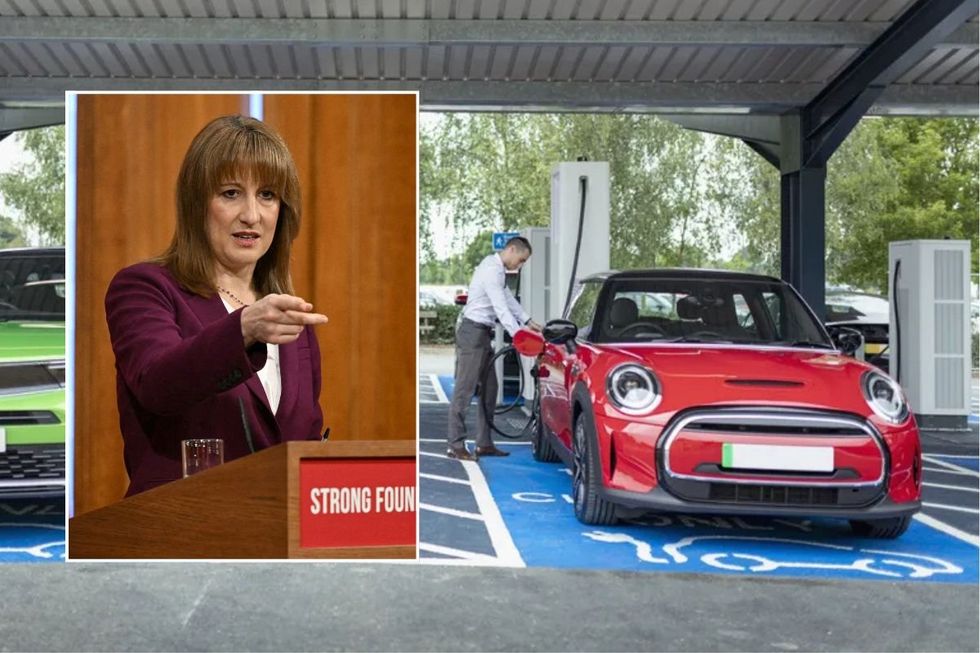
The survey also revealed that 71 per cent of councils reported problems with existing local power infrastructure operated by Distribution Network Operators, with 29 per cent experiencing delays of at least six months.
Meanwhile, internal process delays affected 47 per cent of authorities, while 41 per cent cited resource constraints within their own organisations as a contributing factor to stalled projects.
The Local Electric Vehicle Infrastructure (LEVI) programme, launched to fund 100,000 chargers across England, has been “plagued by significant setbacks”.
A National Audit Office report from December 2024 found that 13 of 25 LEVI pilot projects had been pushed back by 12 months due to limited resources, practical site difficulties, and inadequate town planning capacity within councils.
LATEST DEVELOPMENTS
- Electric car sales set to plummet after major U-turn on 2035 petrol and diesel vehicle ban
- Strong weather warnings see motorhomes and campervans banned from major route
- Popular car feature could disappear within years after China bans common Tesla part
By March 2025, the Committee of Public Accounts reported that just 10 of 78 projects had received approval for delivery, with seven still awaiting sign-off towards the end of 2025 and a further 21 yet to reach the market.
One councillor expressed the frustration felt by many: “We have been ready to move for some time now; obtaining funding first is the issue, and that process is quite lengthy.”
Councils expressed concern about diverting limited resources away from other pressing local needs. “We have to put our money into projects that are essential, more so than a luxury like EVs,” one councillor told researchers.
Another respondent added: “The Government really doesn’t know how much to give us as they don’t know the demand and they don’t speak to councils.”
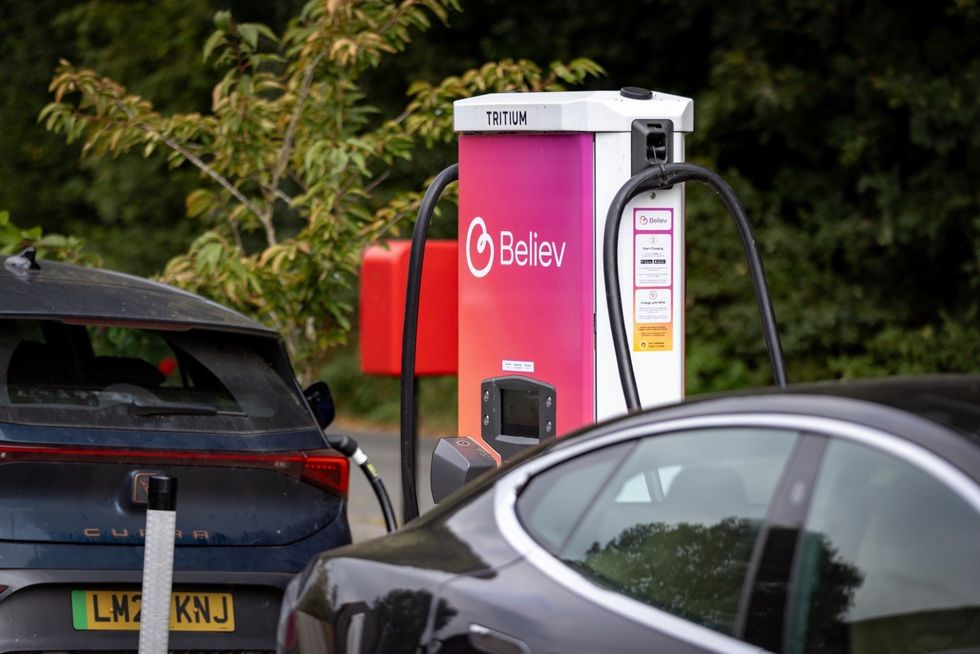
The survey found that 71 per cent of councils, rising to more than three quarters among rural and semi-rural authorities, would prefer more direct access to LEVI funding rather than navigating the current tiered distribution system.
Some 43 per cent of respondents indicated they wanted greater autonomy over budget decisions, arguing their understanding of local charging requirements surpasses that of higher Government offices.
Guy Bartlett, chief executive of Believ, said: “The clear and urgent priorities of unlocking funding, streamlining processes, expanding and signposting guidance must be addressed.
“The responsibility for this lies in tandem with the charging industry and Government, with the right partnerships, the UK can build an EV charging network that works for everyone.”
Our Standards:
The GB News Editorial Charter



Follow