



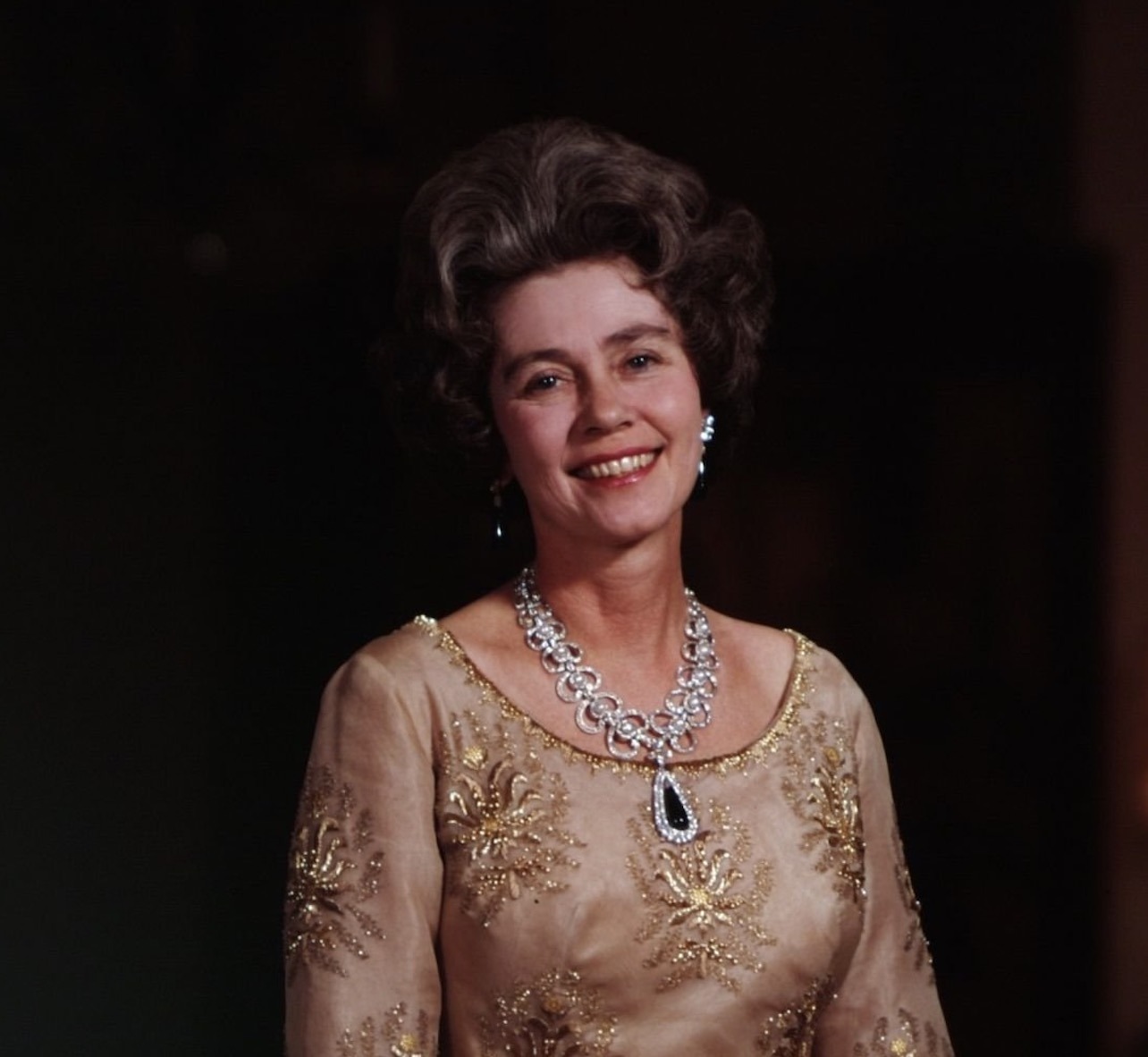
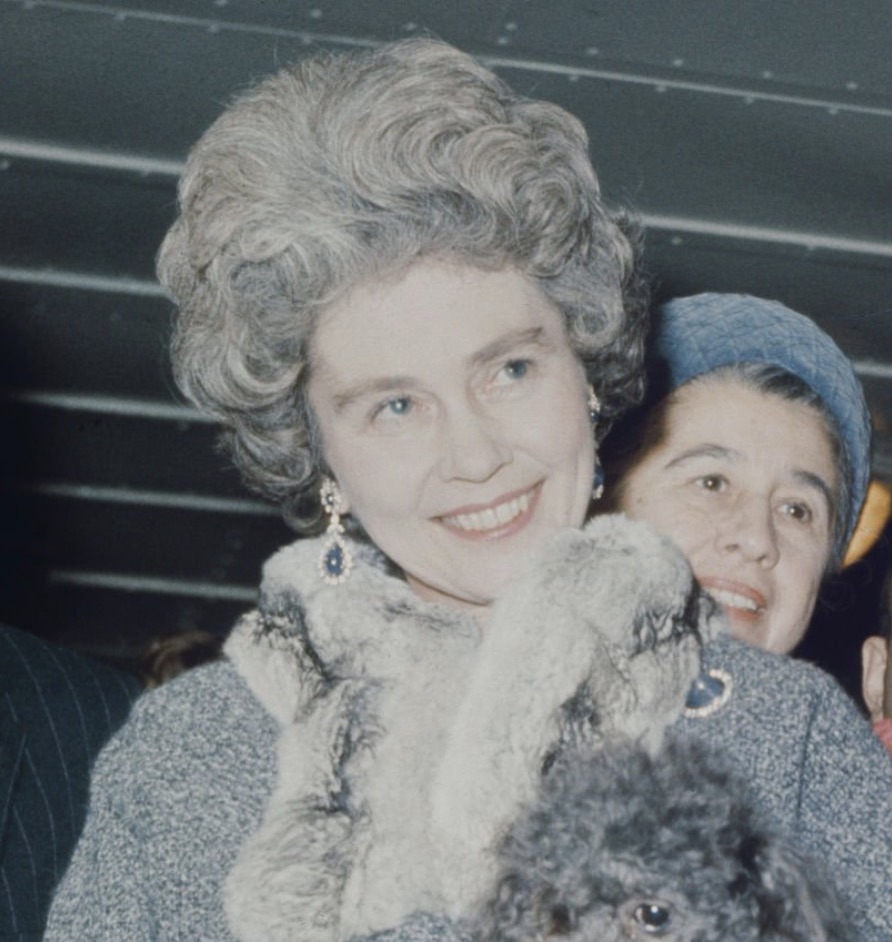
Today marks the 45th Anniversary of the Birth of Queen Frederica of Greece, who passed away on this day in 1981! This spectacular 478.68-carat Cartier Sapphire Pendant was coveted by the Spanish Queen before being bought by the Romanian Queen, and was later worn by the Greek Queen but now belongs to the Qatar Royal Family!
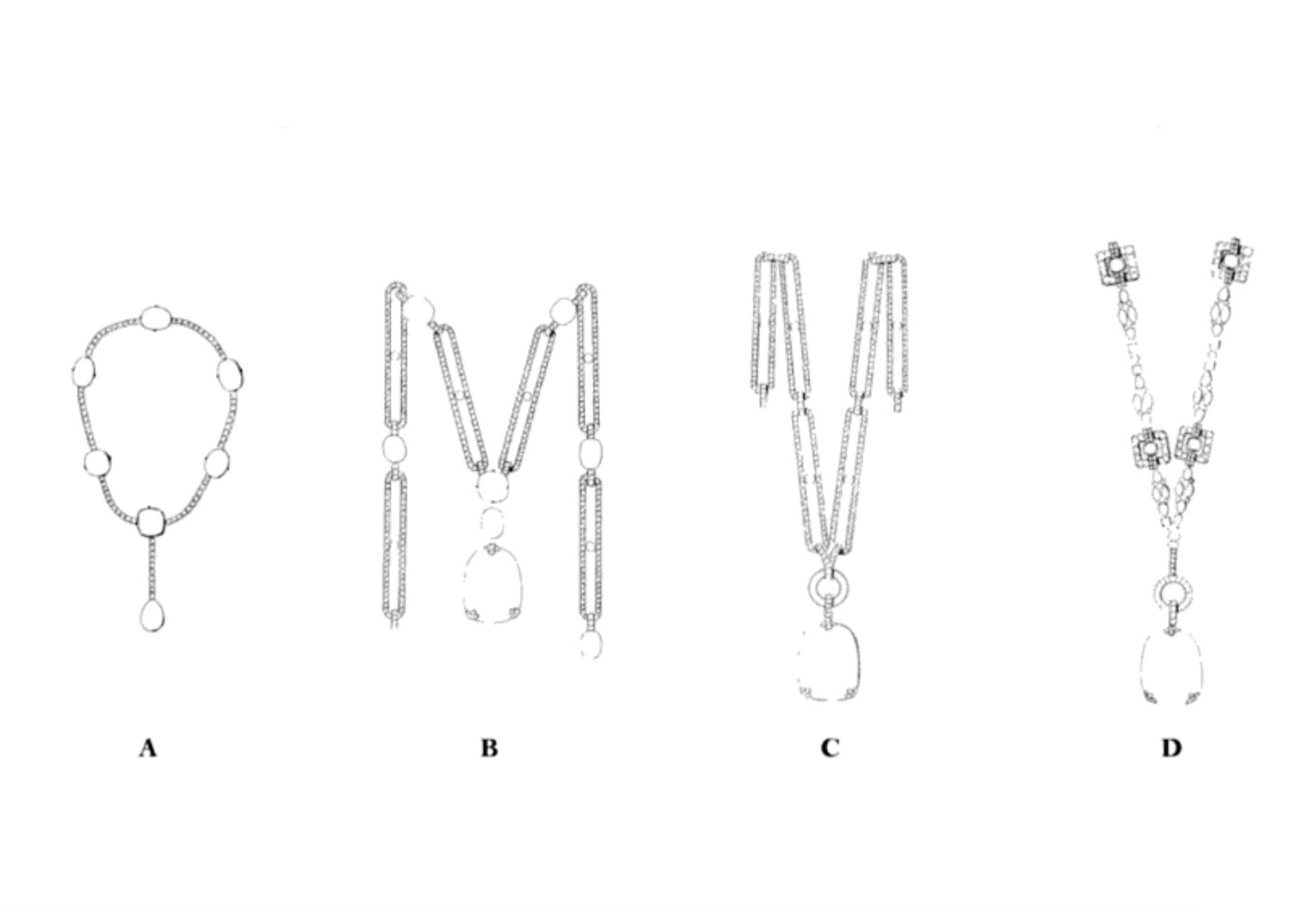
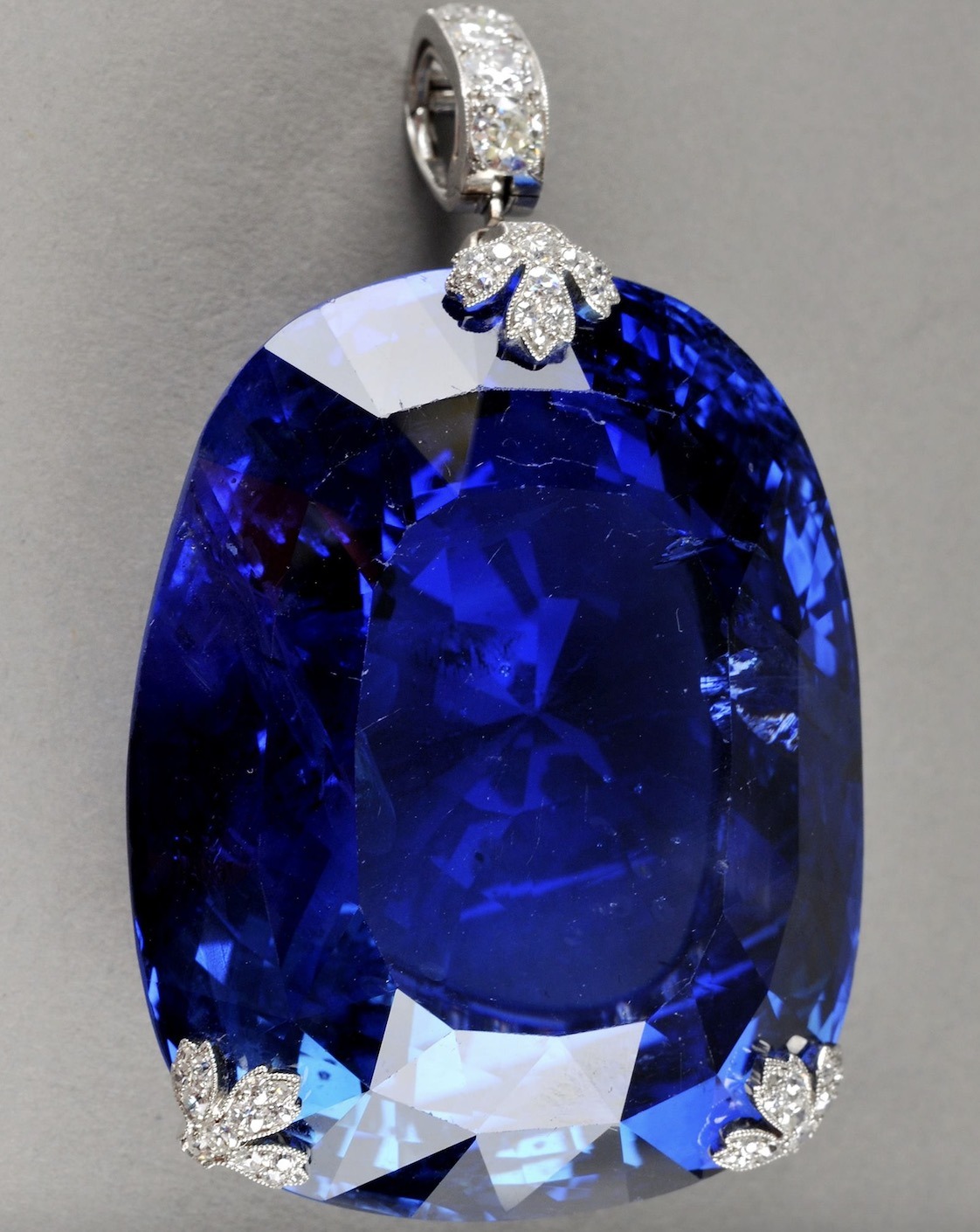
A spectacular piece, the 478.68-carat Sapphire entered the Cartier Collection in 1913, when it was acquired by Cartier in Paris and set into a sautoir with seven other sapphires, which modified twice by 1919, when it was exhibited in San Sebastian.
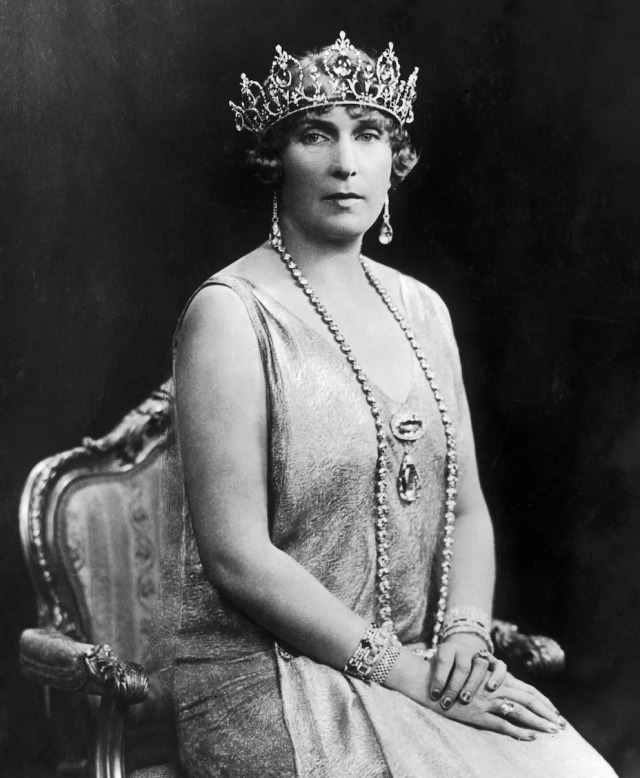
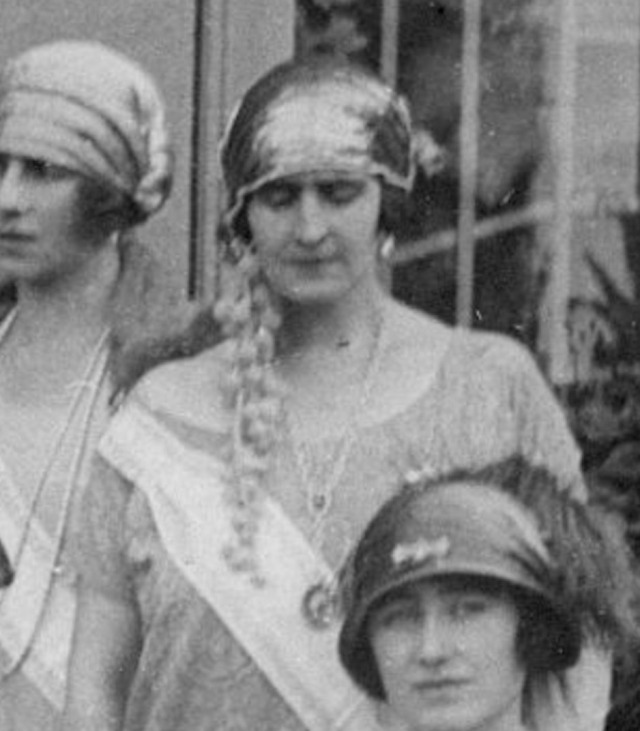
Queen Victoria Eugenie of Spain, along with Queen Mother Maria Cristina and the Princess of Bourbon, admired the display, with the expectation that King Alfonso would buy the jewel for Queen Victoria Eugenie, though he declared:
Only the nouveaux riches can afford such luxuries. We Kings are the nouveaux pauvres of today”
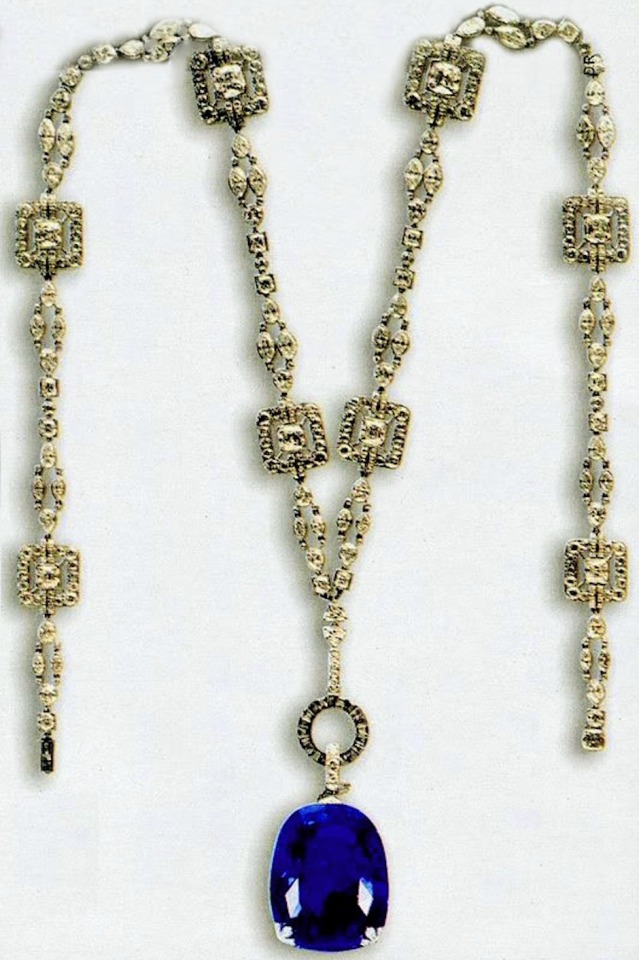
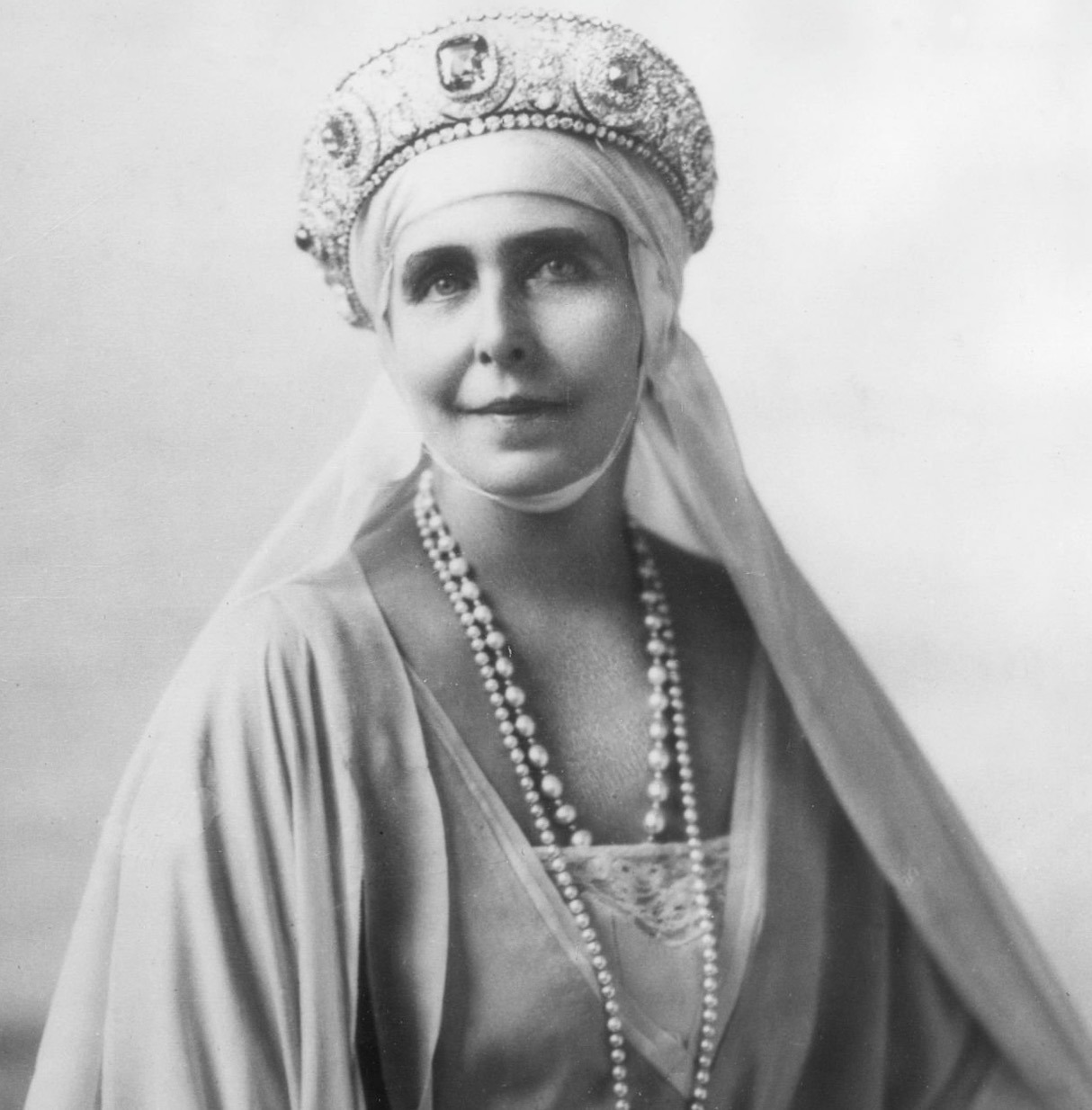
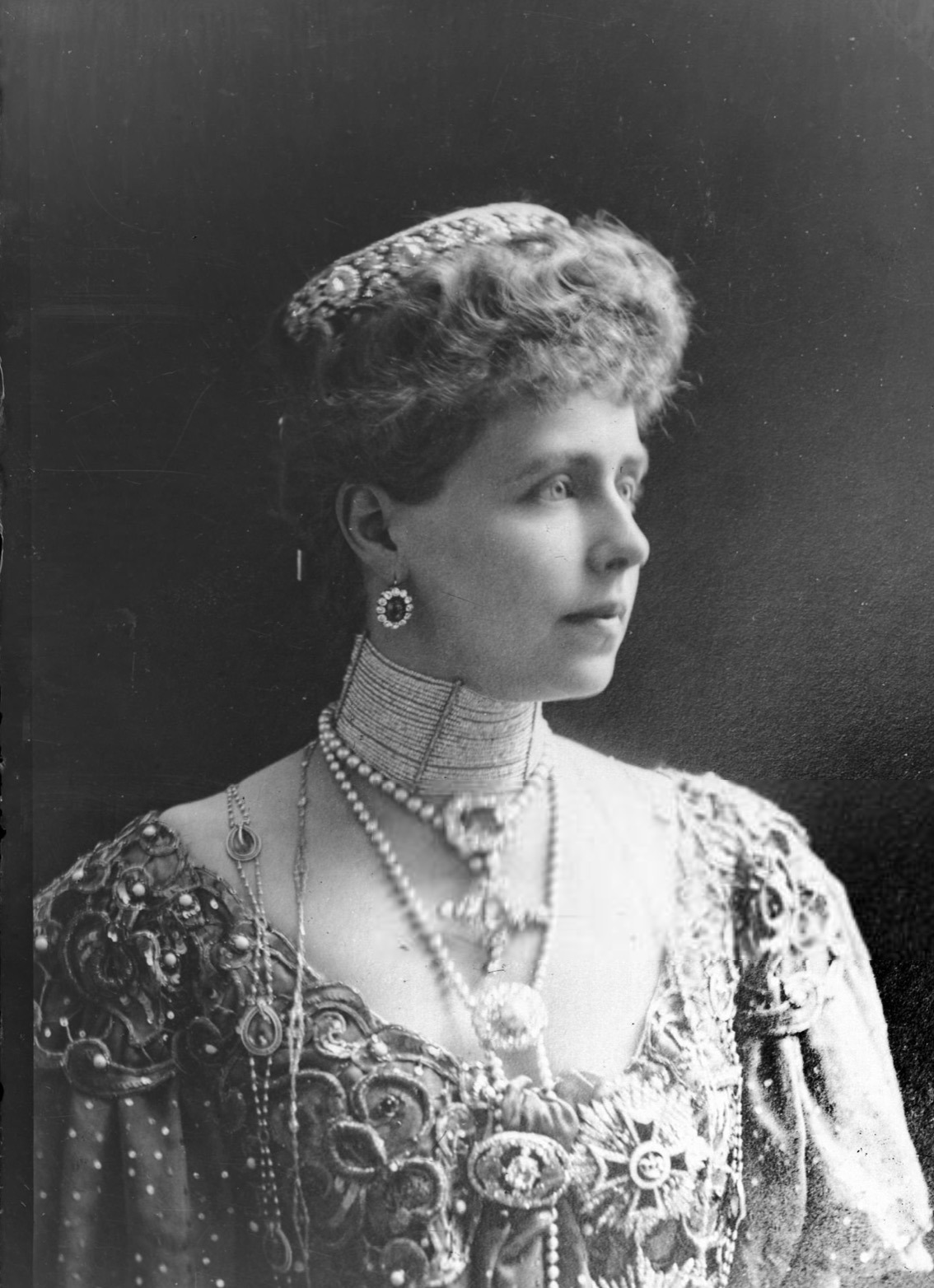
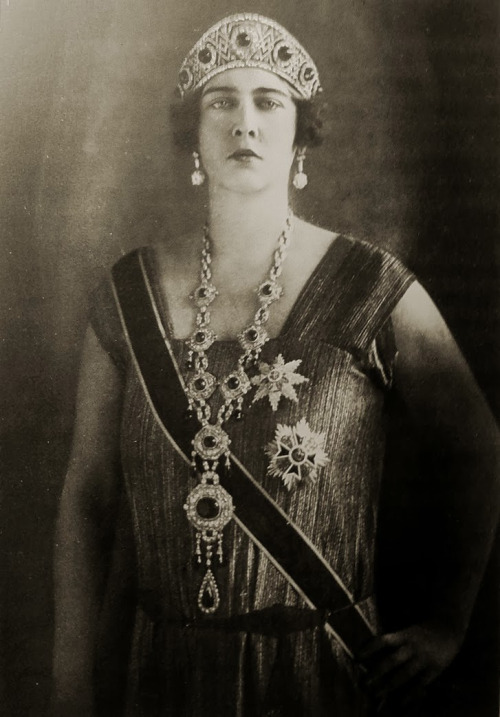
During the First World War, Queen Marie of Romania had sent all of her jewels to Russia for safekeeping which was later seized by the Bolsheviks and never returned, so in 1922, her husband, King Ferdinand, bought a spectacular Cartier Diamond Sautoir from which hung the 478.68-carat Cartier Sapphire Pendant. The price of Fr. 1,275,000 was paid in four instalments up to 1924, with a pledge to cancel the sale in the event of ‘serious and unforeseen circumstances’, as she recalled:
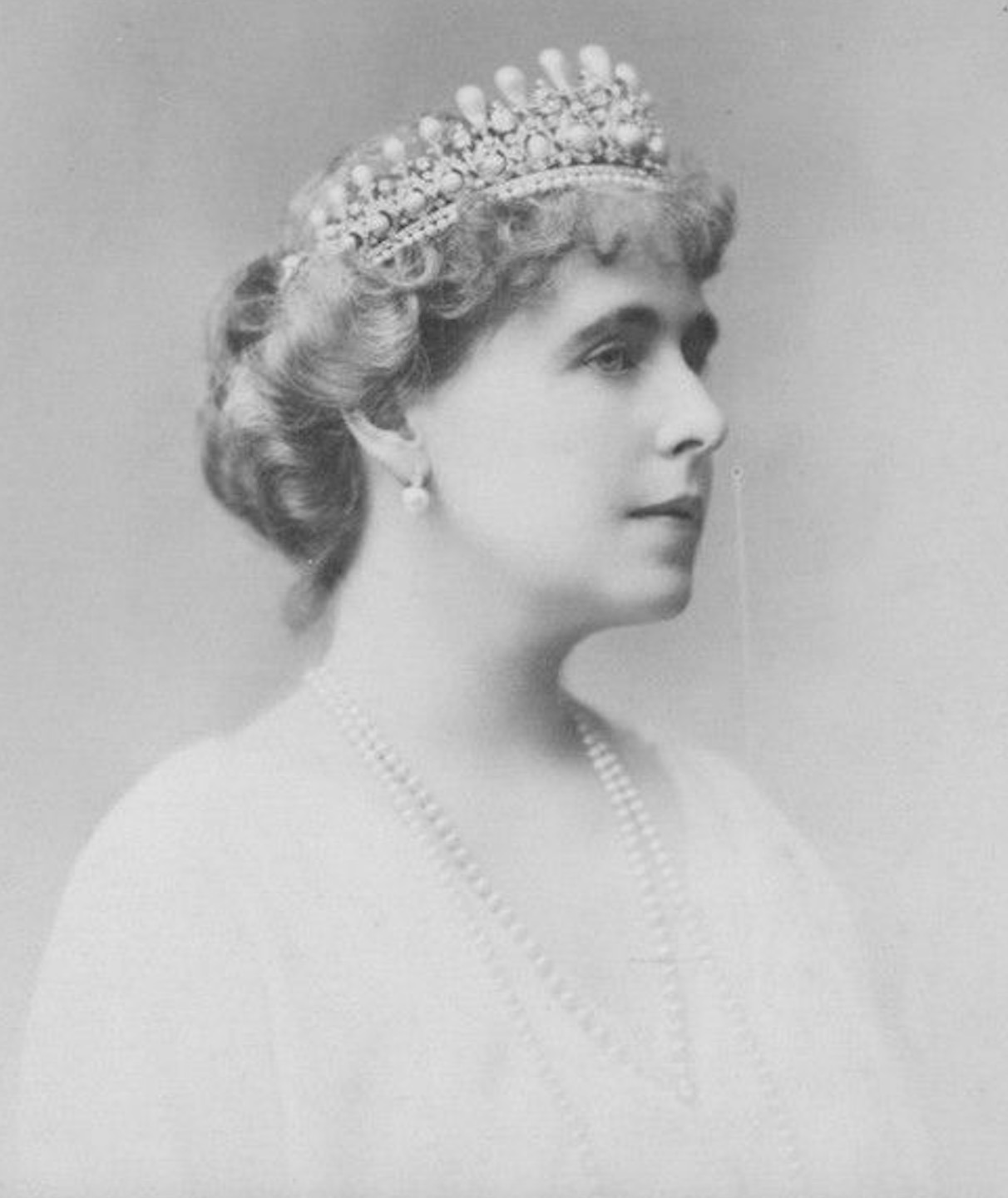
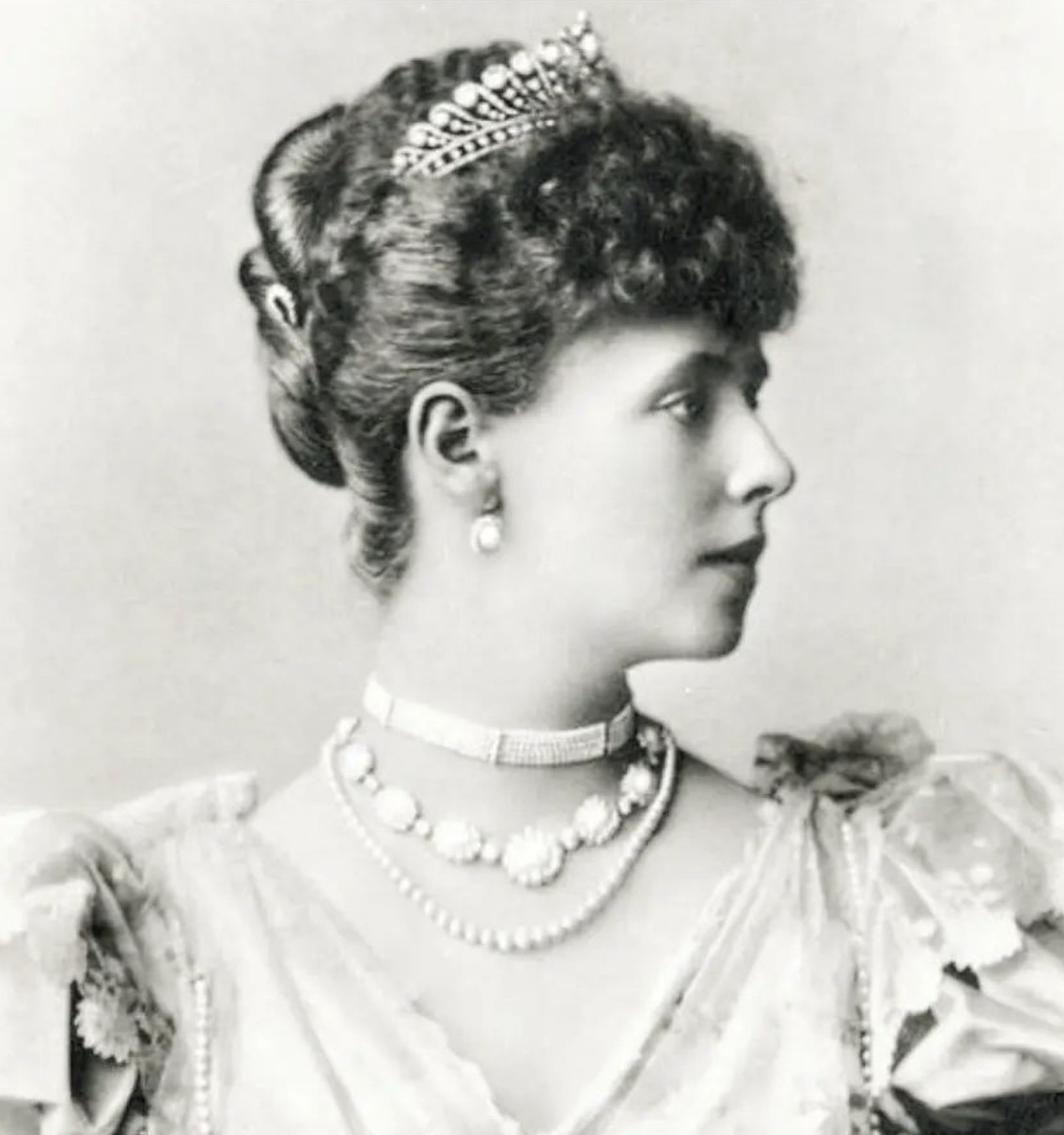
Got out with Barbo to go to Cartier where I showed him the prodigious sapphire and diamond chain—one of the most astonishing sapphires in existence. We also discussed with Mr. Cartier the remounting of my pearl diadem which I cannot wear in its current form.”
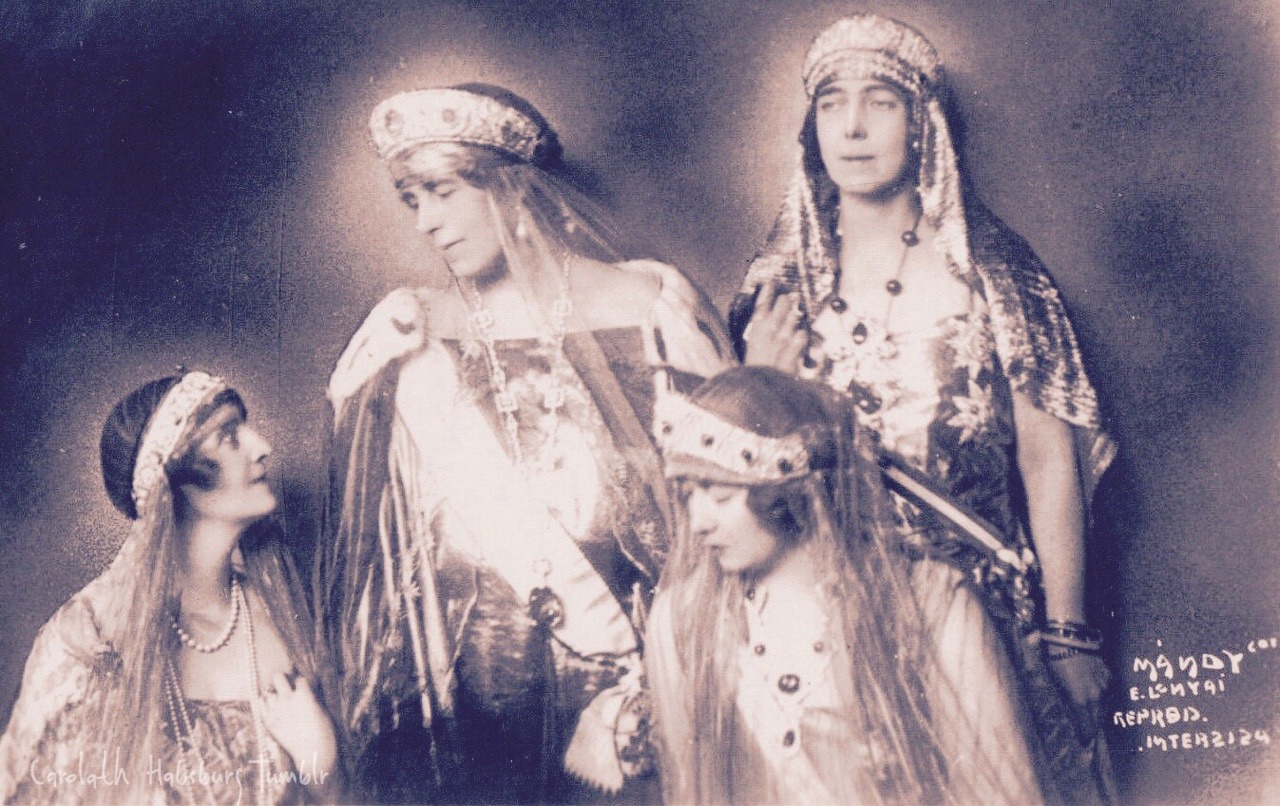
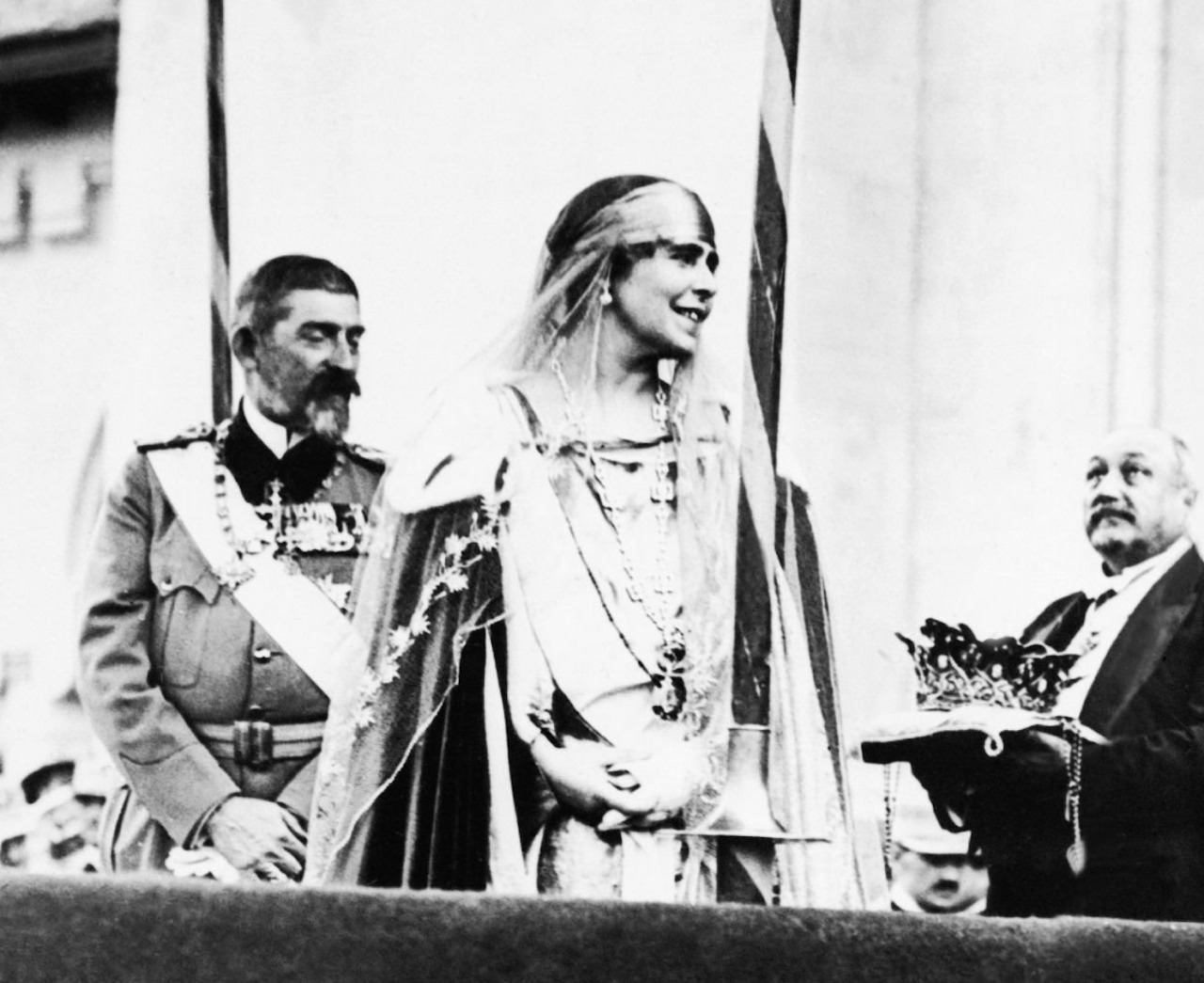
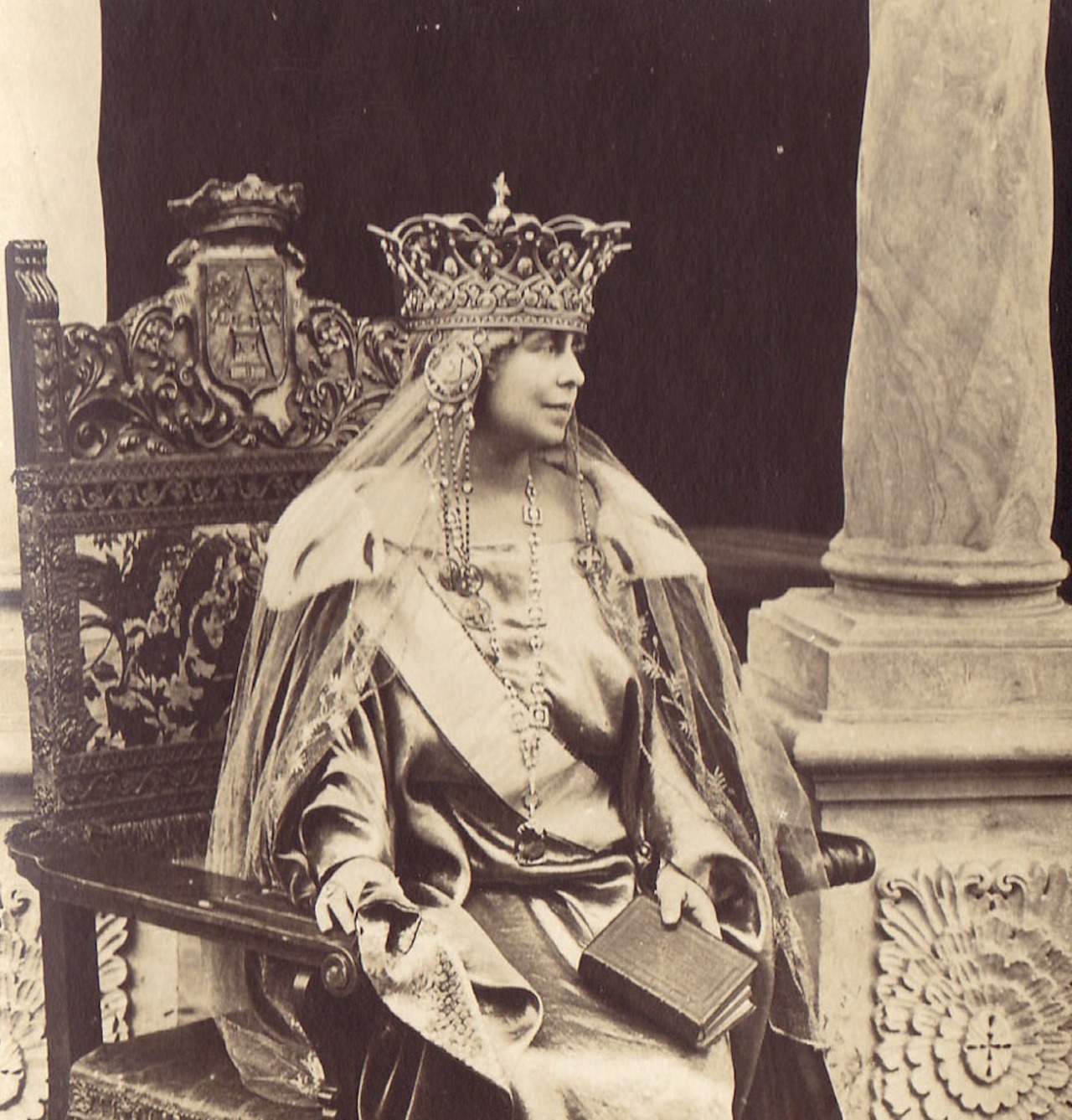
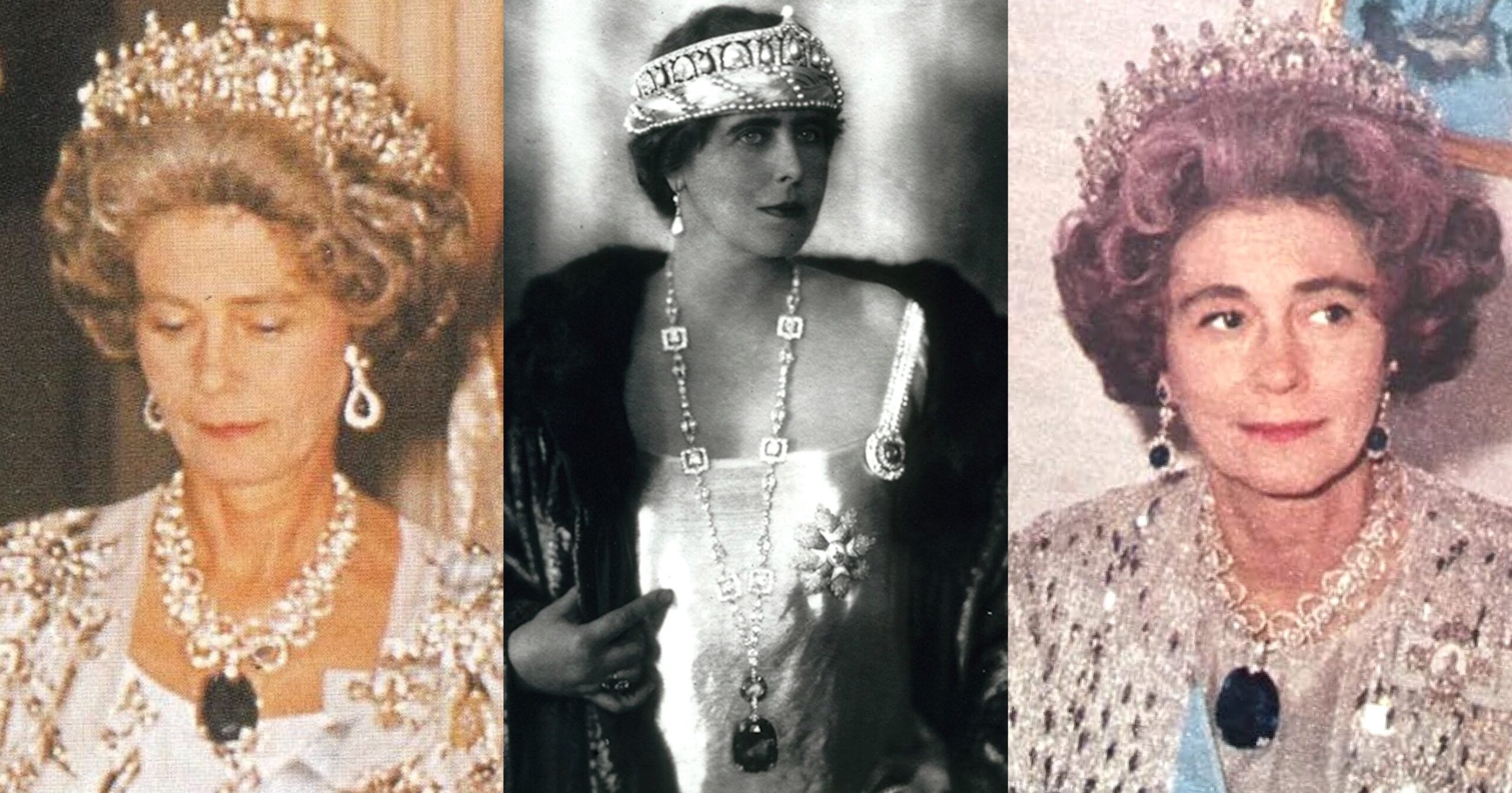
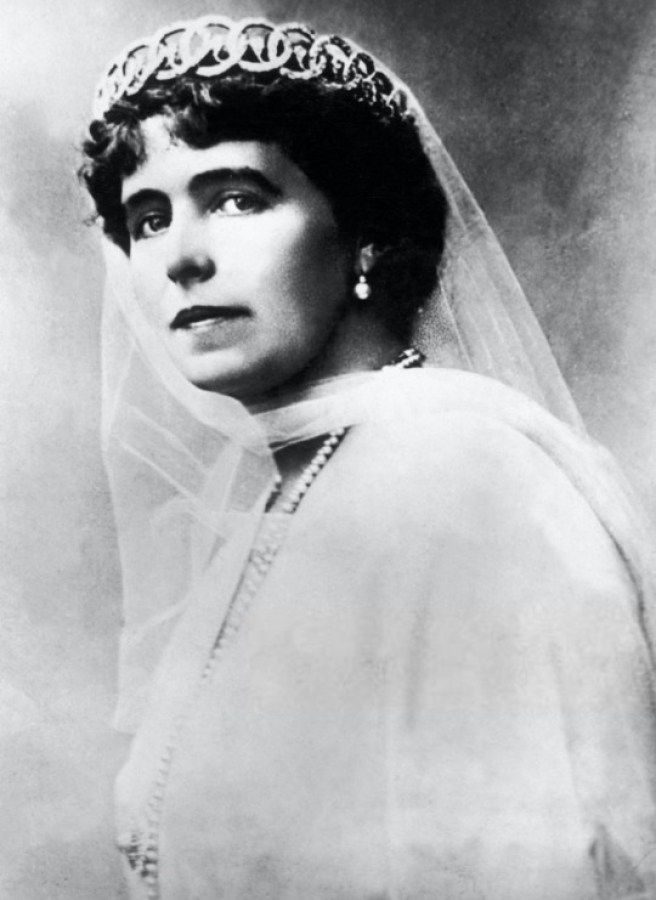
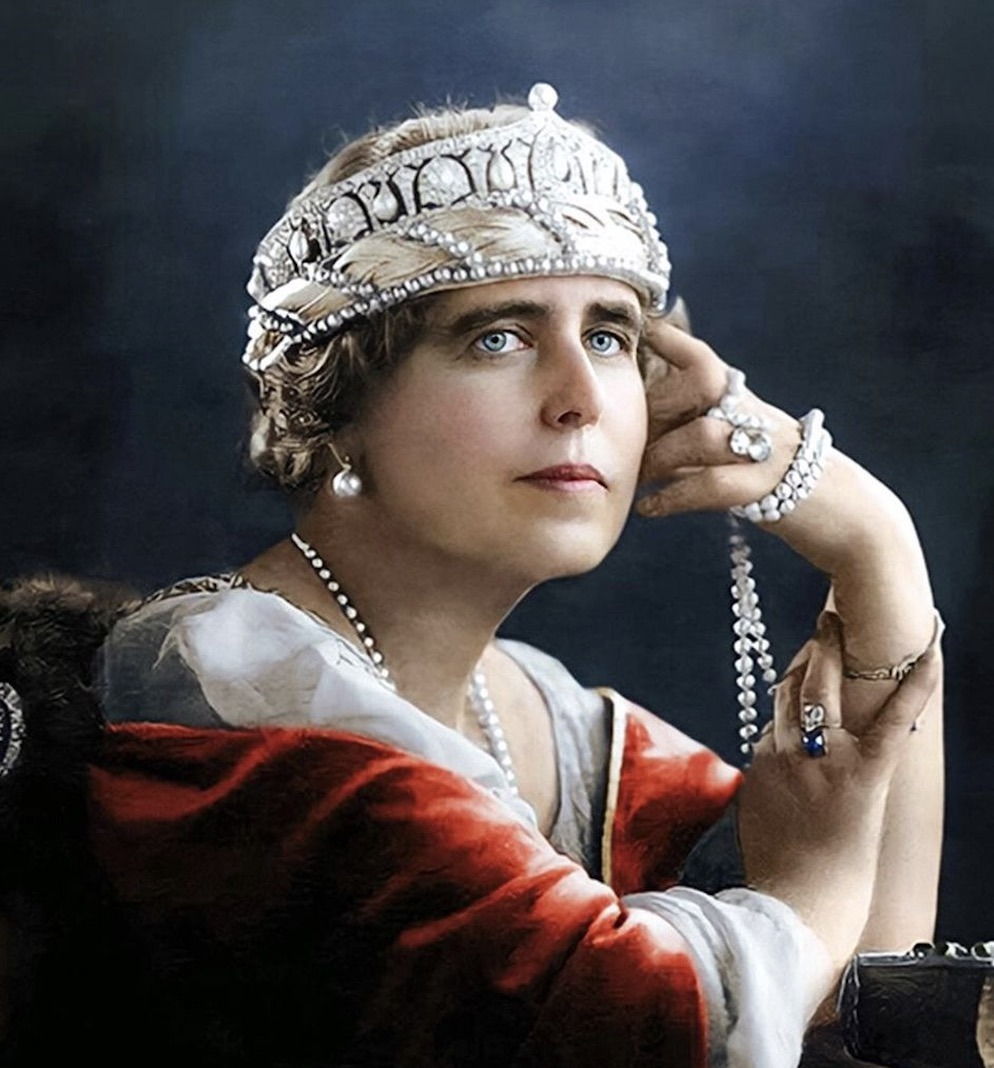
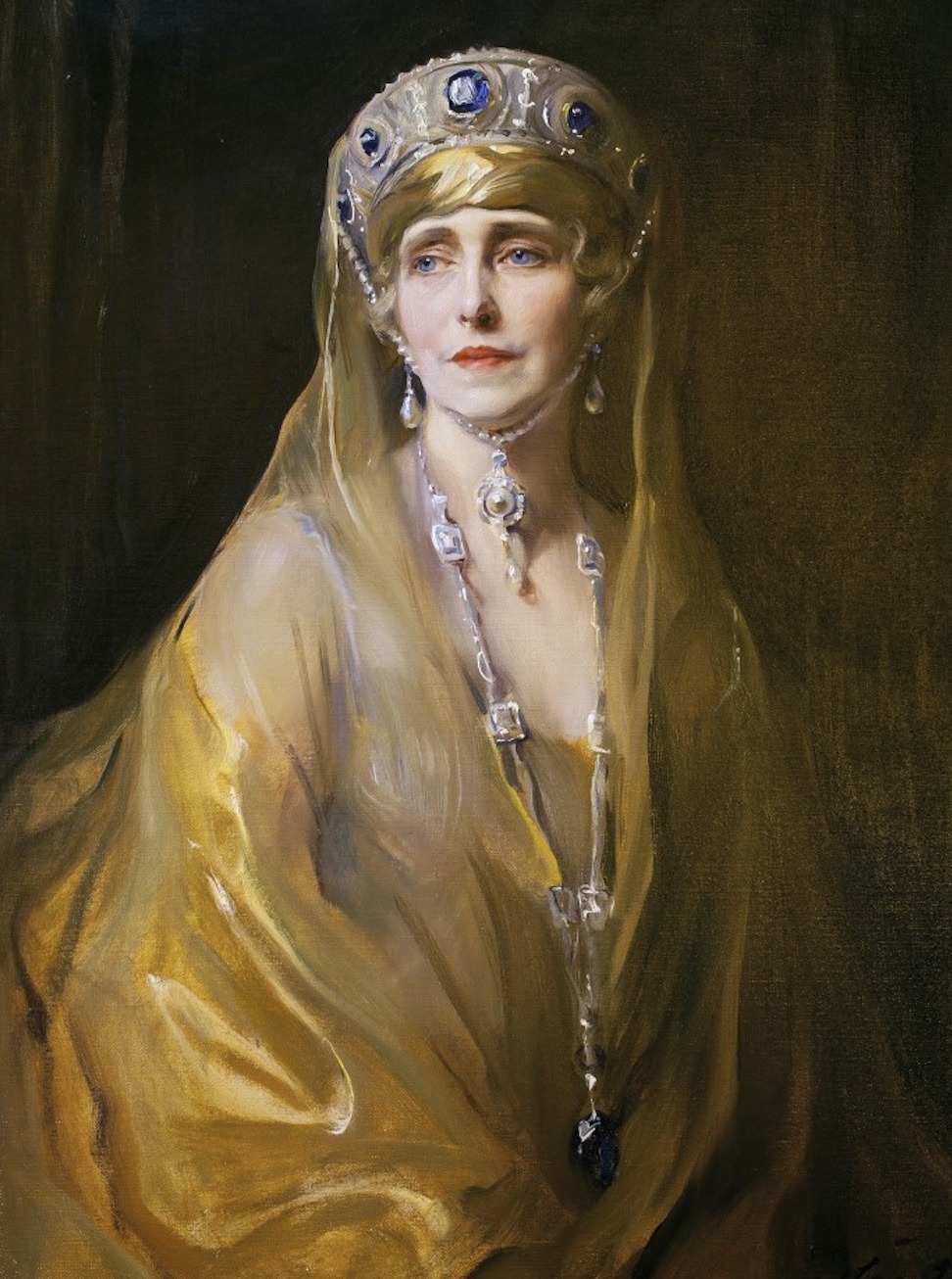
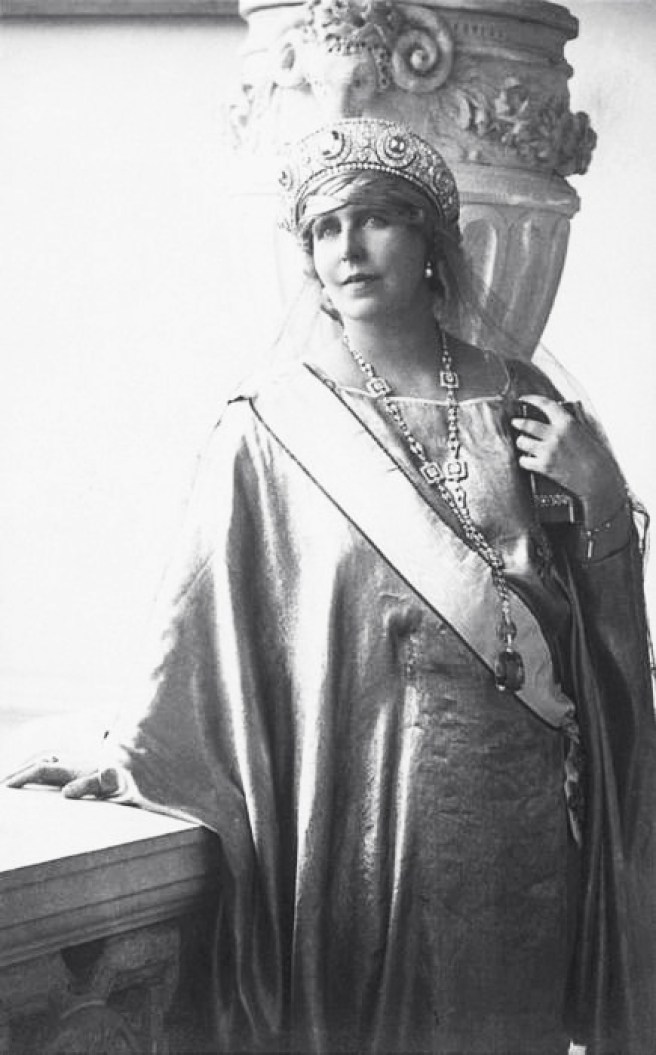
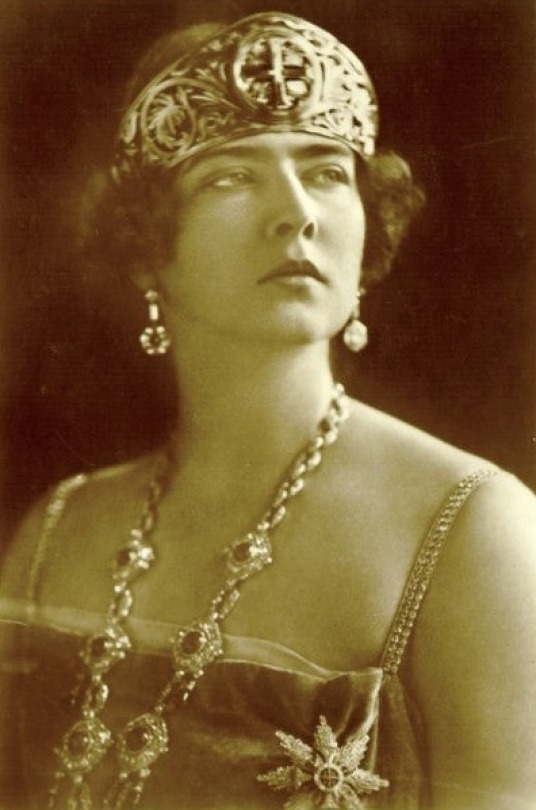
Queen Marie notably wore the Cartier Diamond Sautoir and the 478-carat Cartier Sapphire Pendant with an ornate Byzantine Crown, later wearing her newly acquired Vladimir Sapphire Kokoshnik, for her Coronation Ceremony in Alba Iulia in 1922.
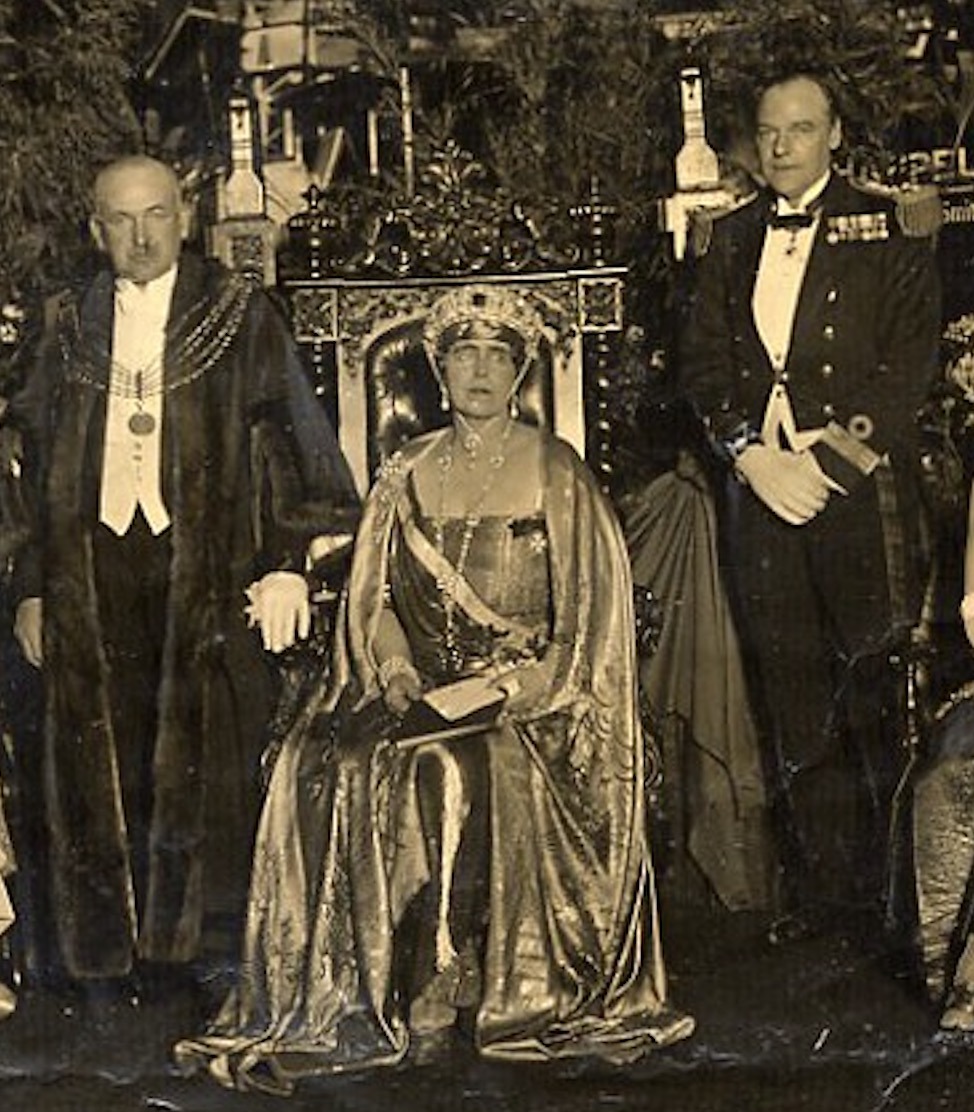
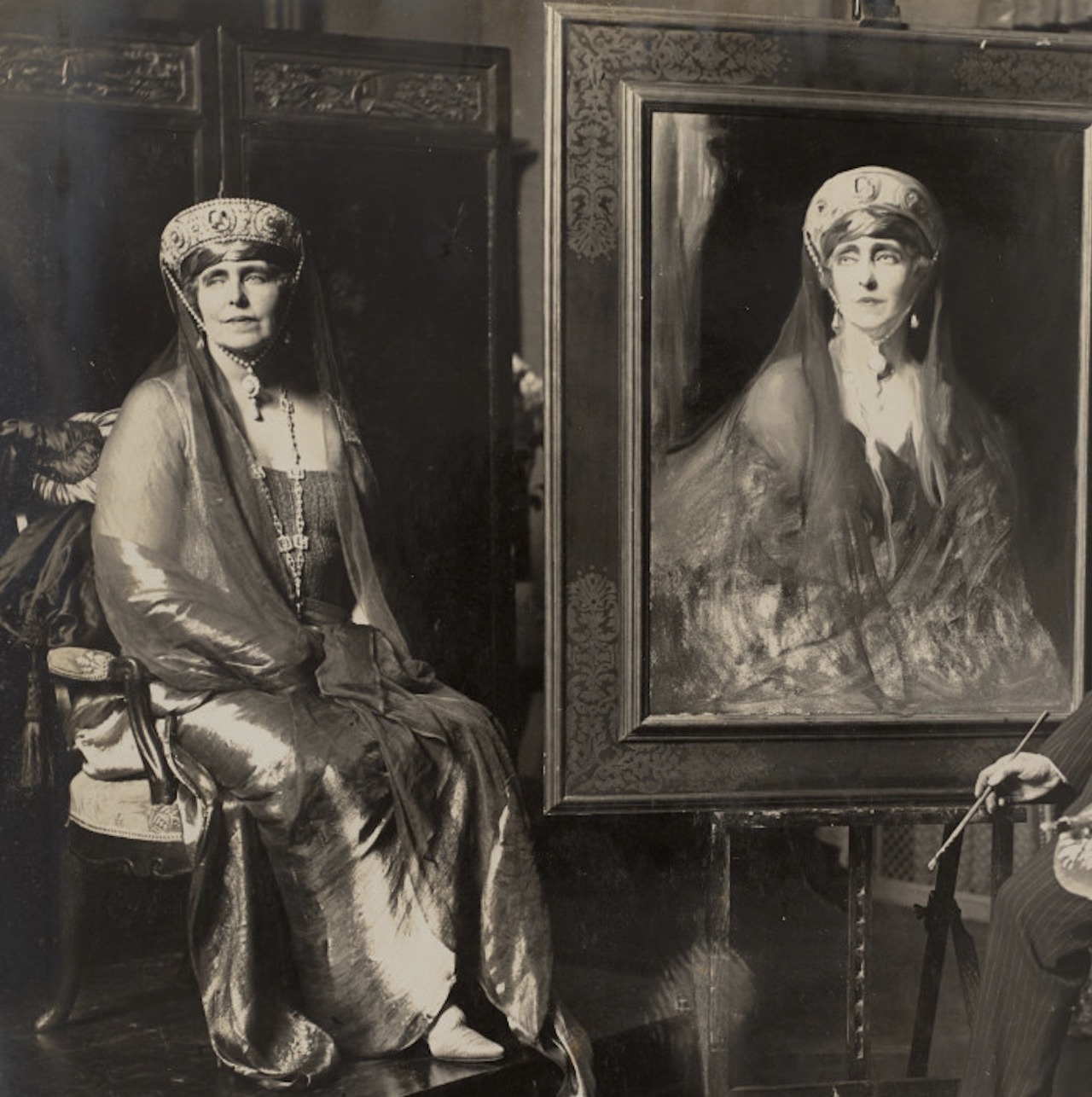
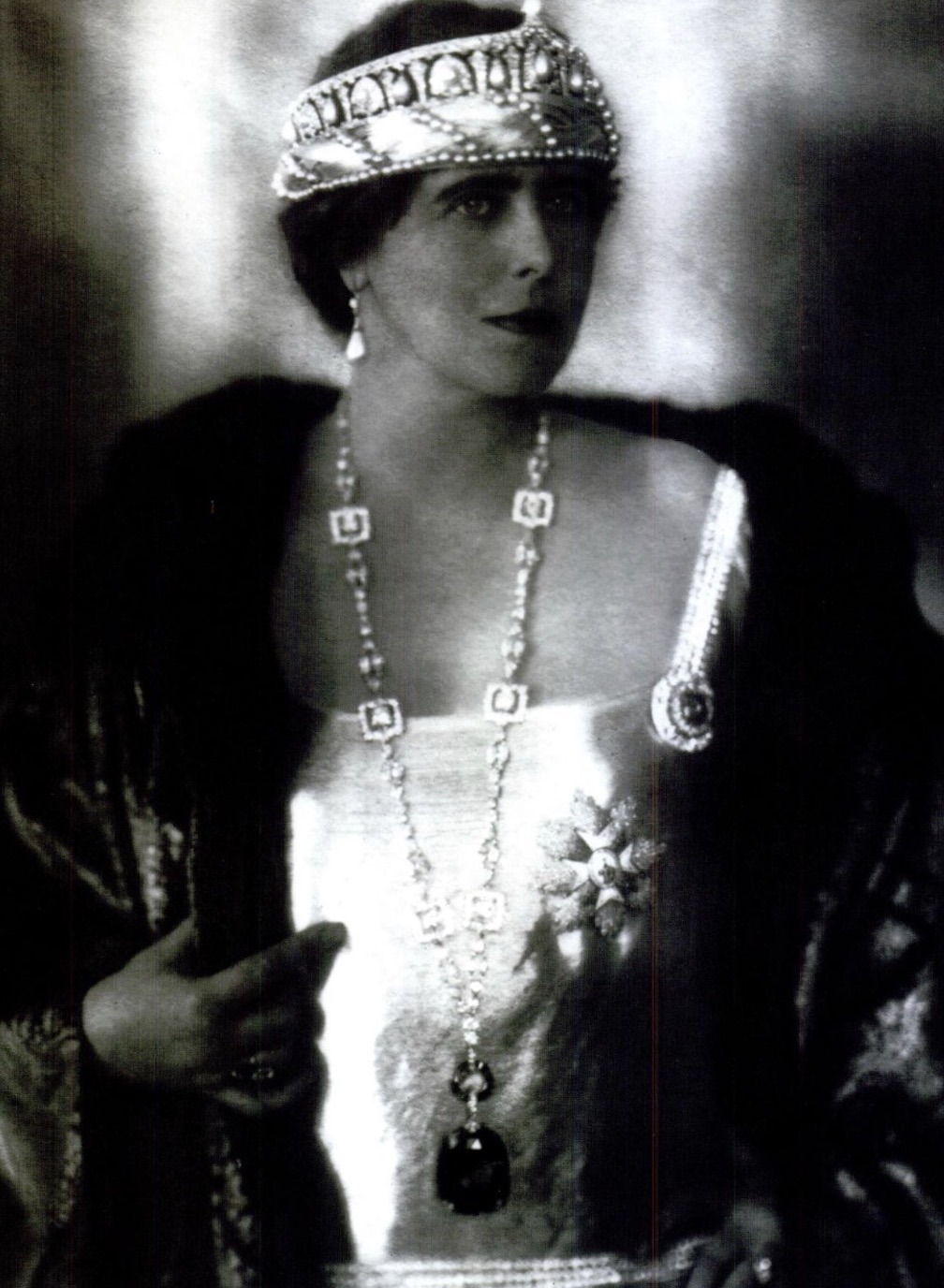
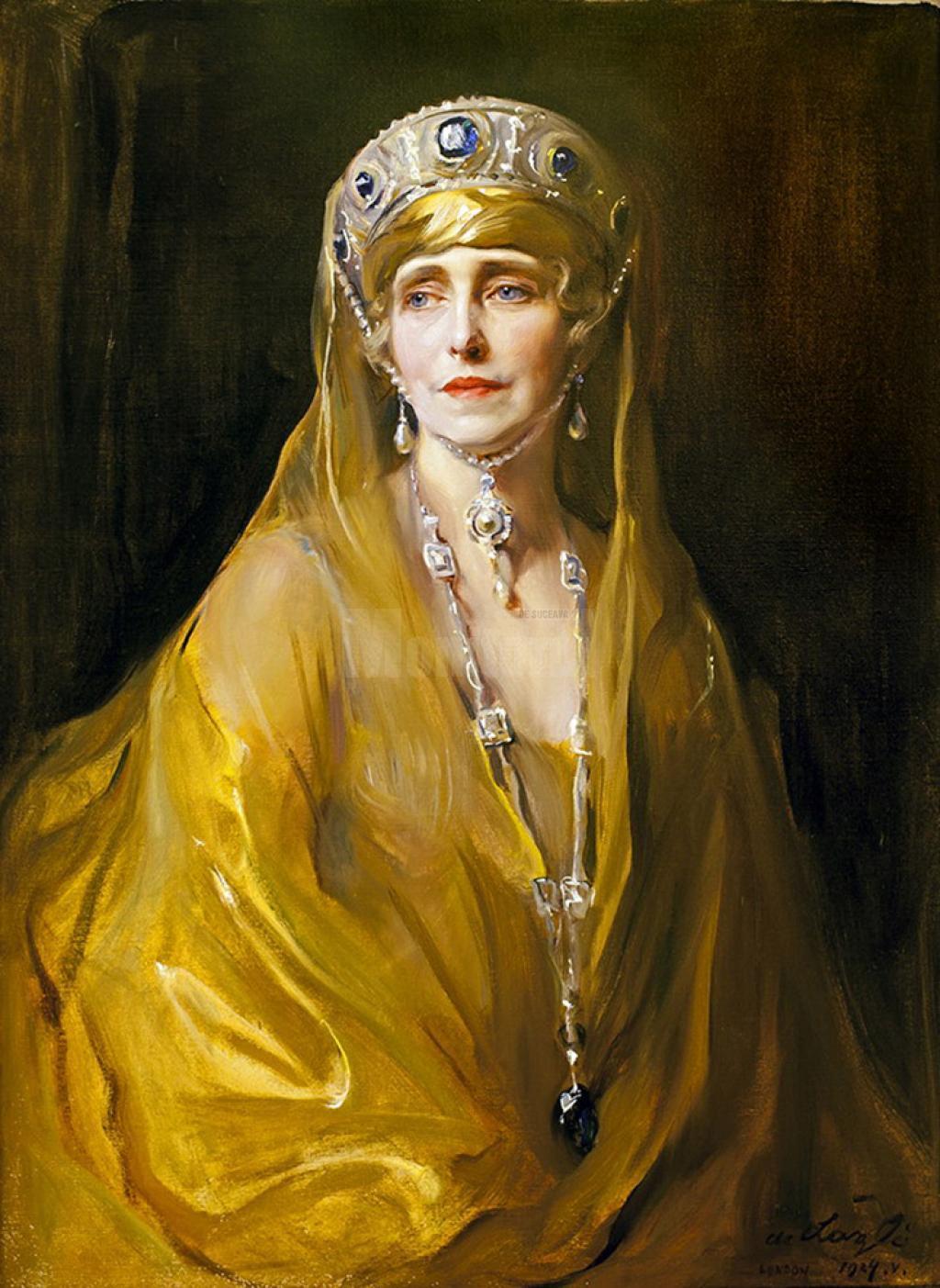
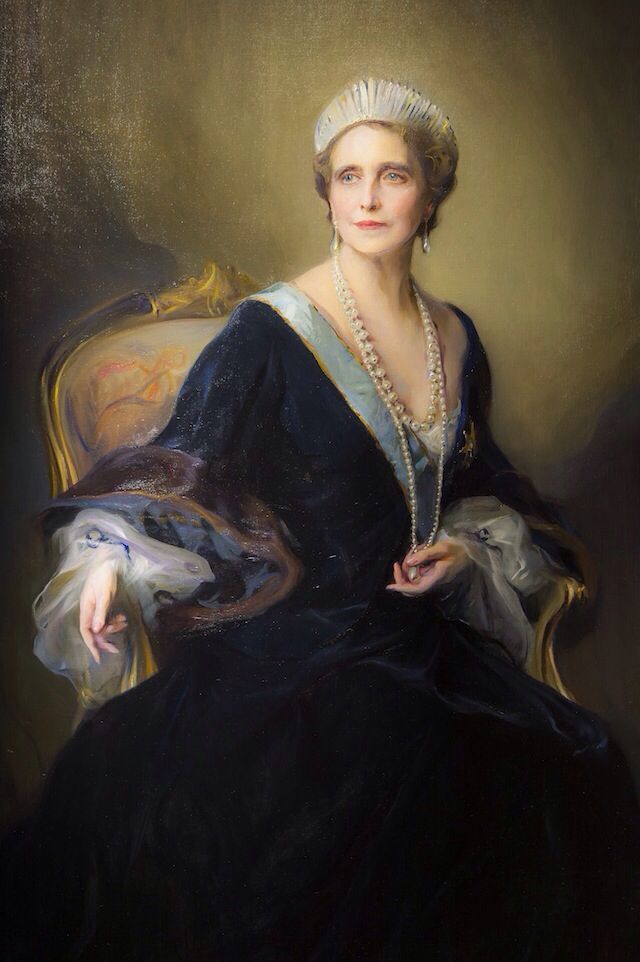
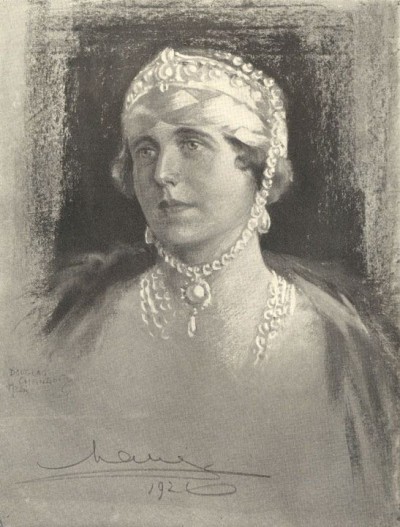
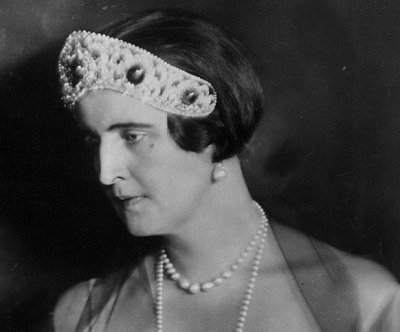
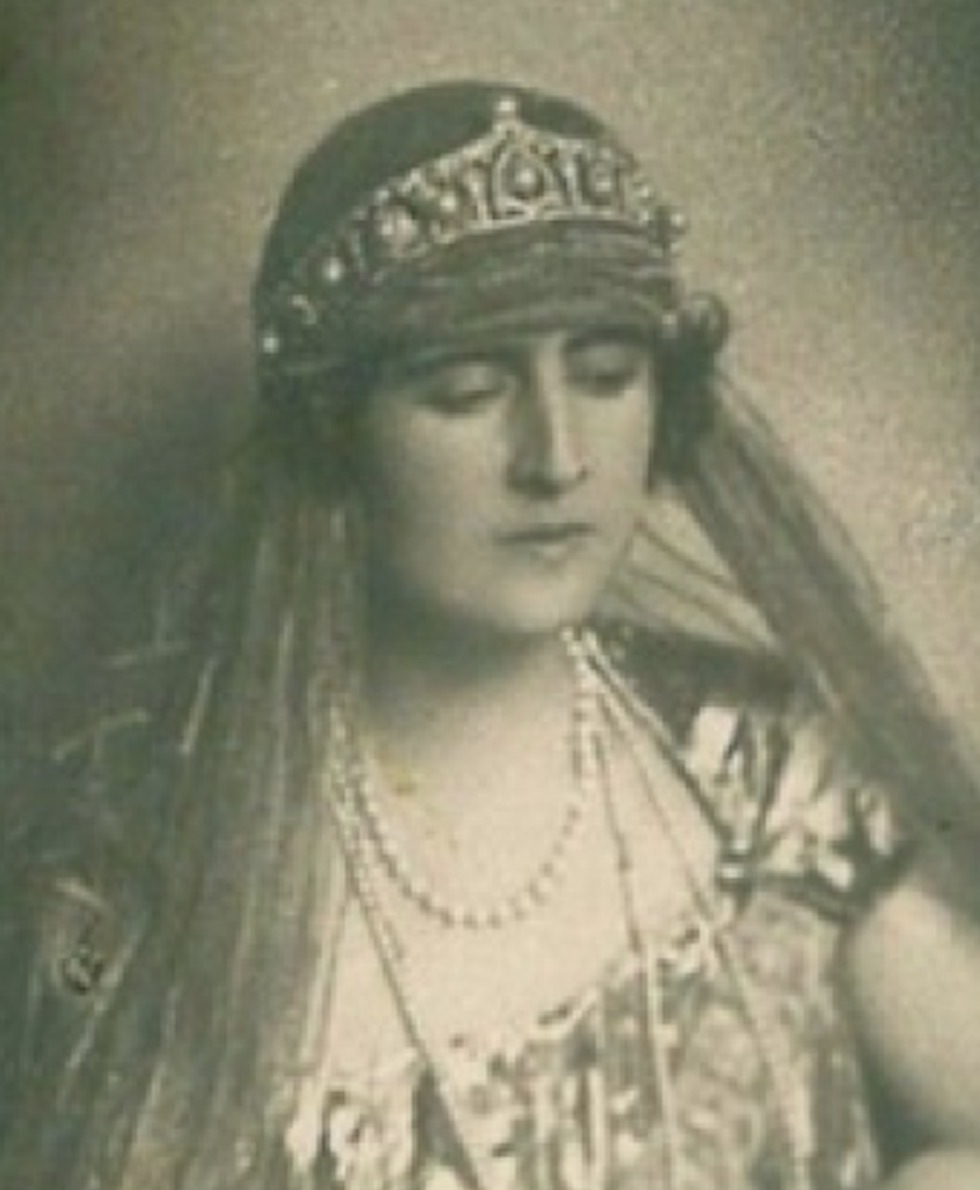
The Cartier Diamond Sautoir and the 478-carat Cartier Sapphire Pendant was frequently worn by Queen Marie with her Vladimir Sapphire Kokoshnik and Cartier Pearl Tiara for several portraits and galas over the next few years.
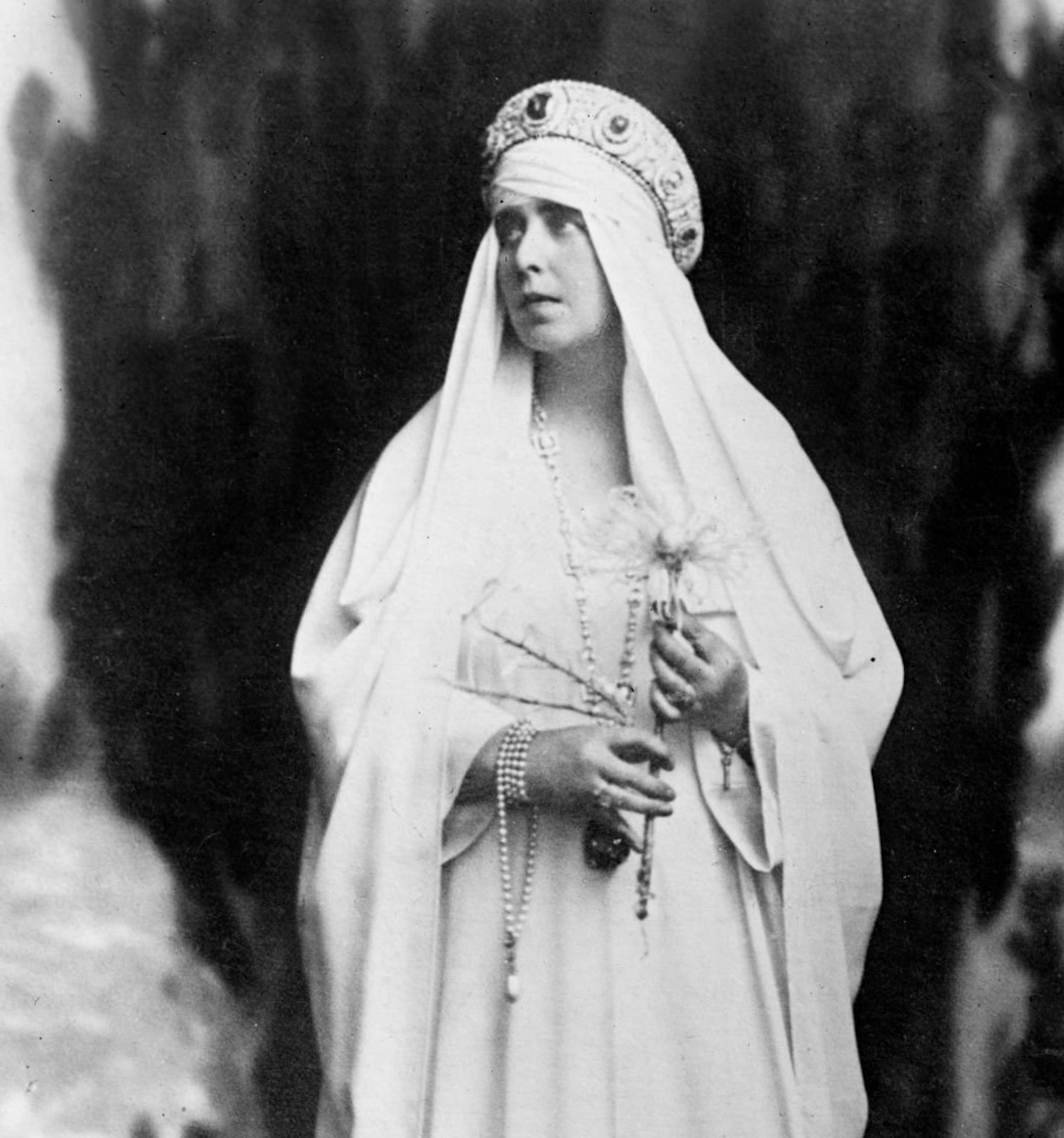
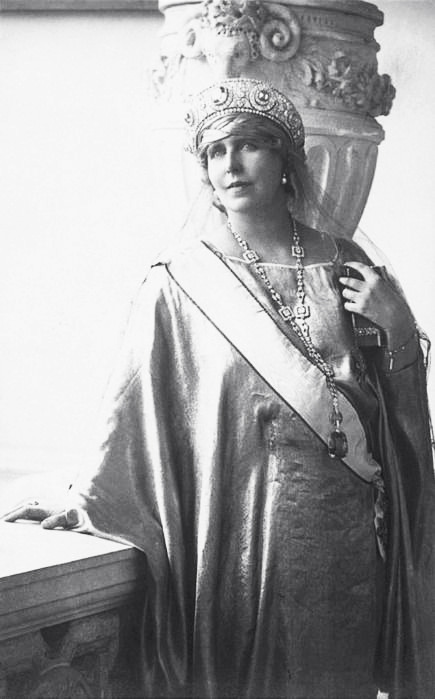
Queen Marie continued to wear the Cartier Diamond Sautoir with the Vladimir Sapphire Kokoshnik and her Diamond Fringe Tiara into her widowhood, including for the La Petite Entente Banquet at the Royal Palace of Bucharest in 1936.
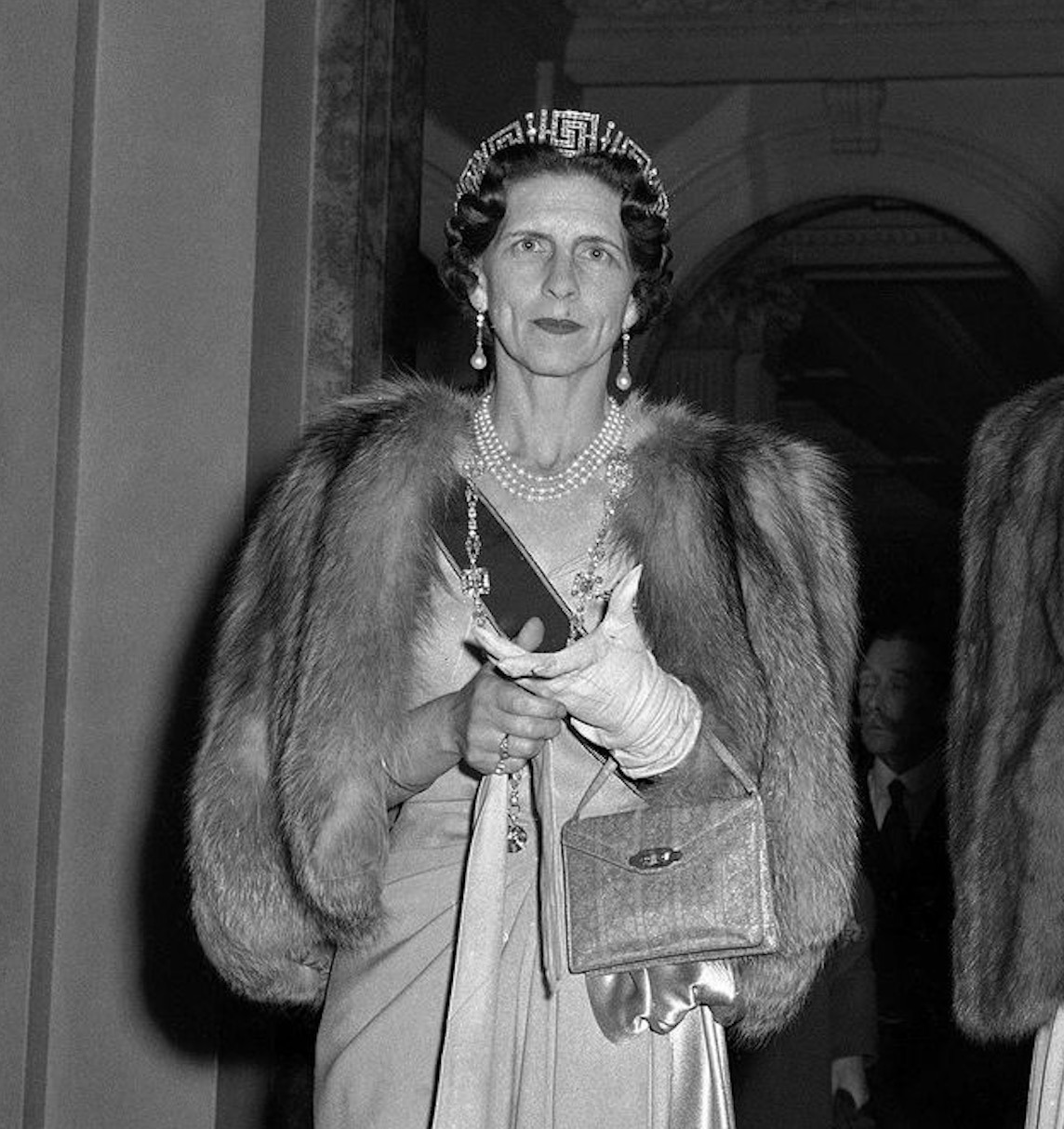
After Queen Marie’s death in 1938, the Cartier Diamond Sautoir was the most prominent jewel inherited by her grandson, King Michael of Romania, and notably worn, without the Sapphire, a decade later by his mother, Queen Helen, for the Wedding Ball of her cousin, Prince Phillip of Greece, to Princess (now Queen) Elizabeth in London 1947, just a few weeks before the Romanian Monarchy was abolished and King Michael, with Queen Helen, went into exile.
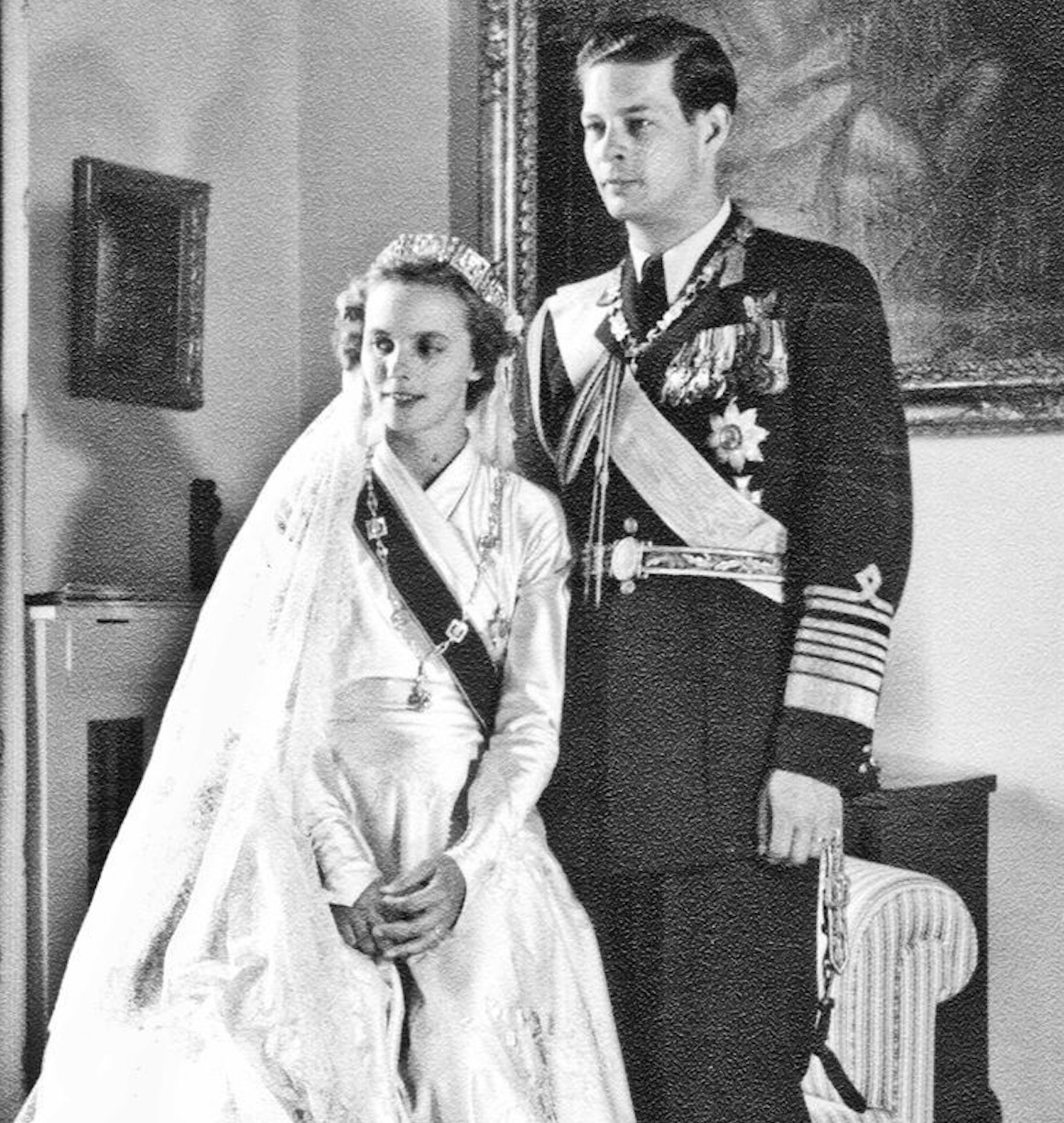
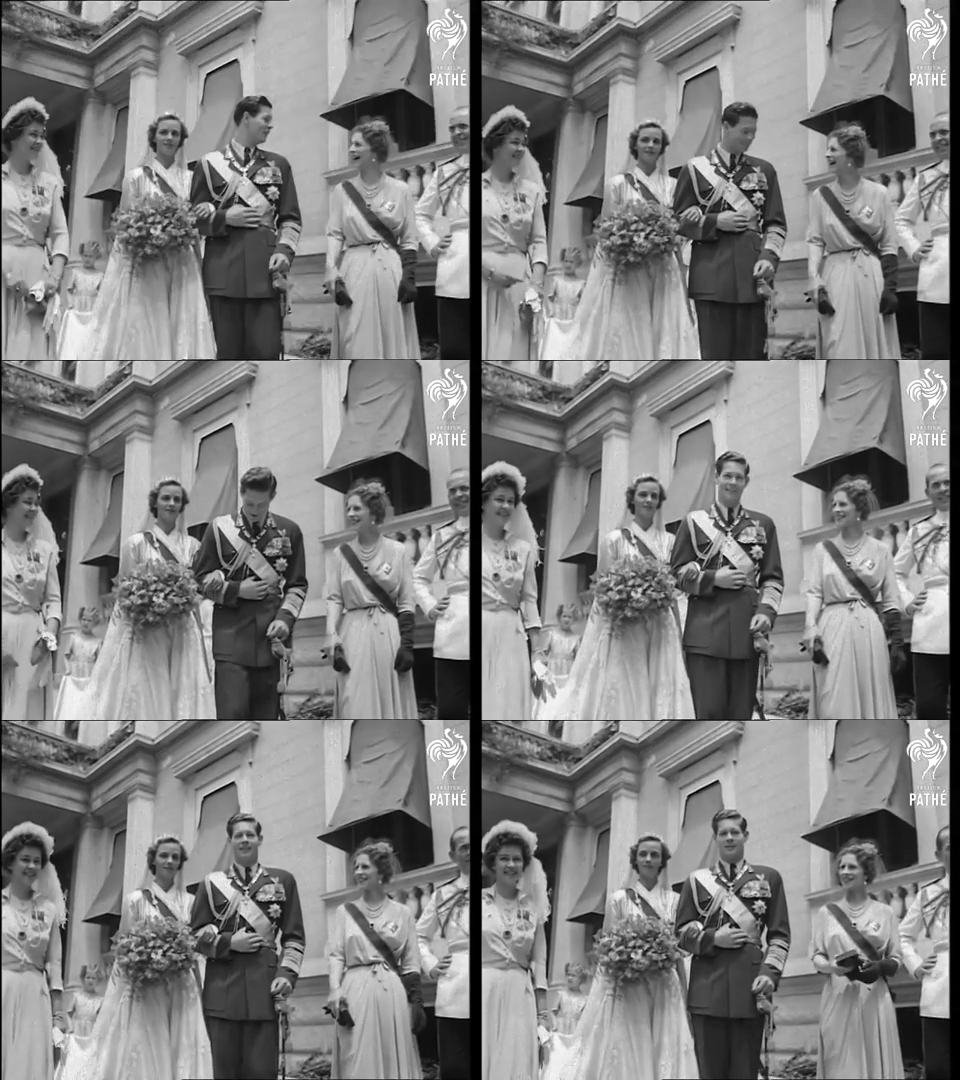
Just a few months into exile, Princess Anne of Bourbon Parma wore Queen Marie’s Cartier Diamond Sautoir with the Greek Key Tiara when she married King Michael at the Royal Palace of Athens. At some point in the following years, faced with financial difficulties, King Michael sold the 478-carat Cartier Sapphire Pendant to Harry Winston, while pieces of the Sautoir remain with the family.
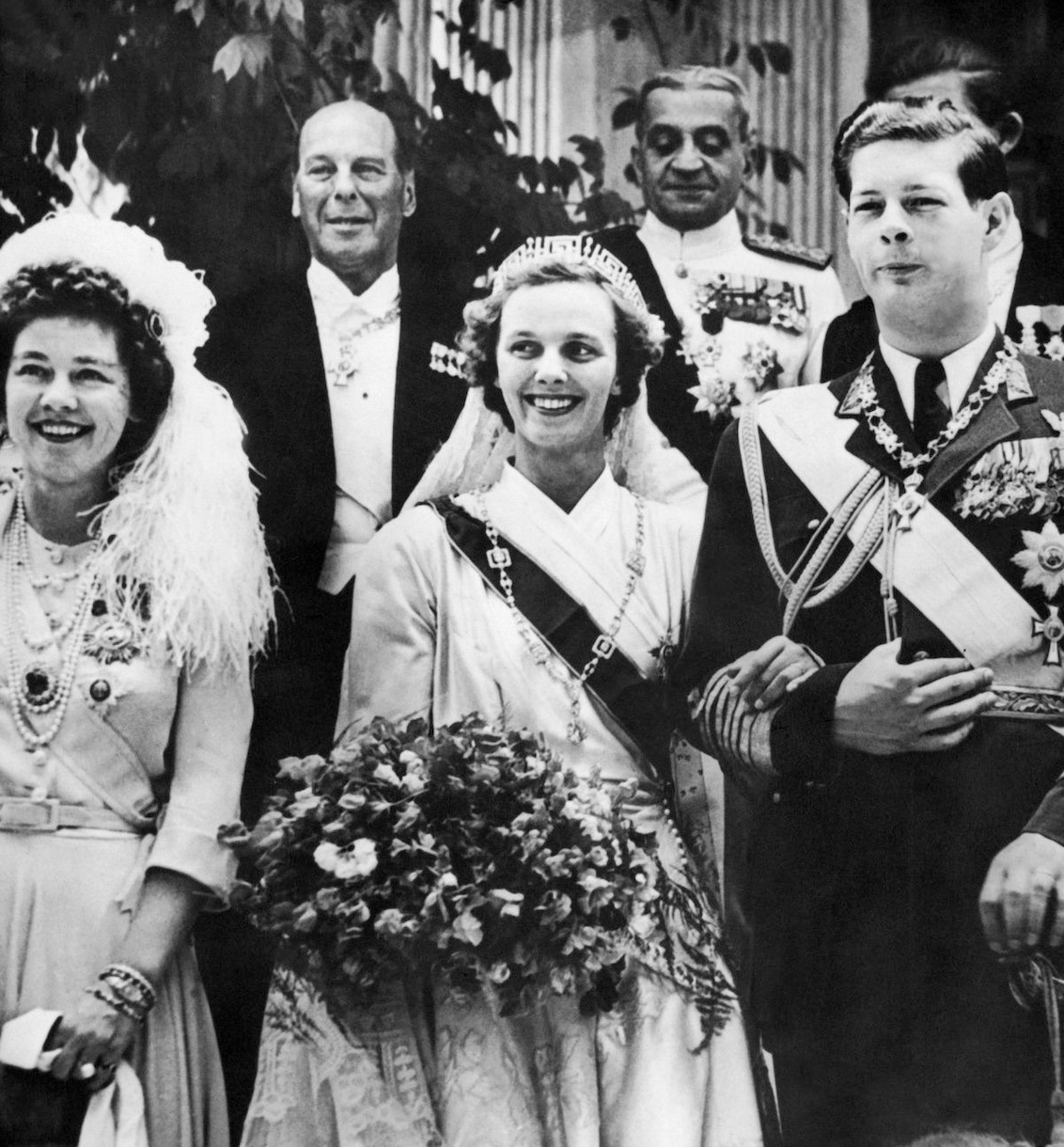
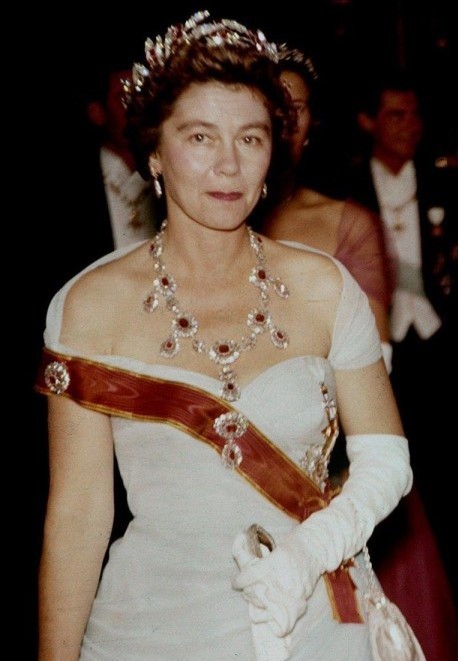
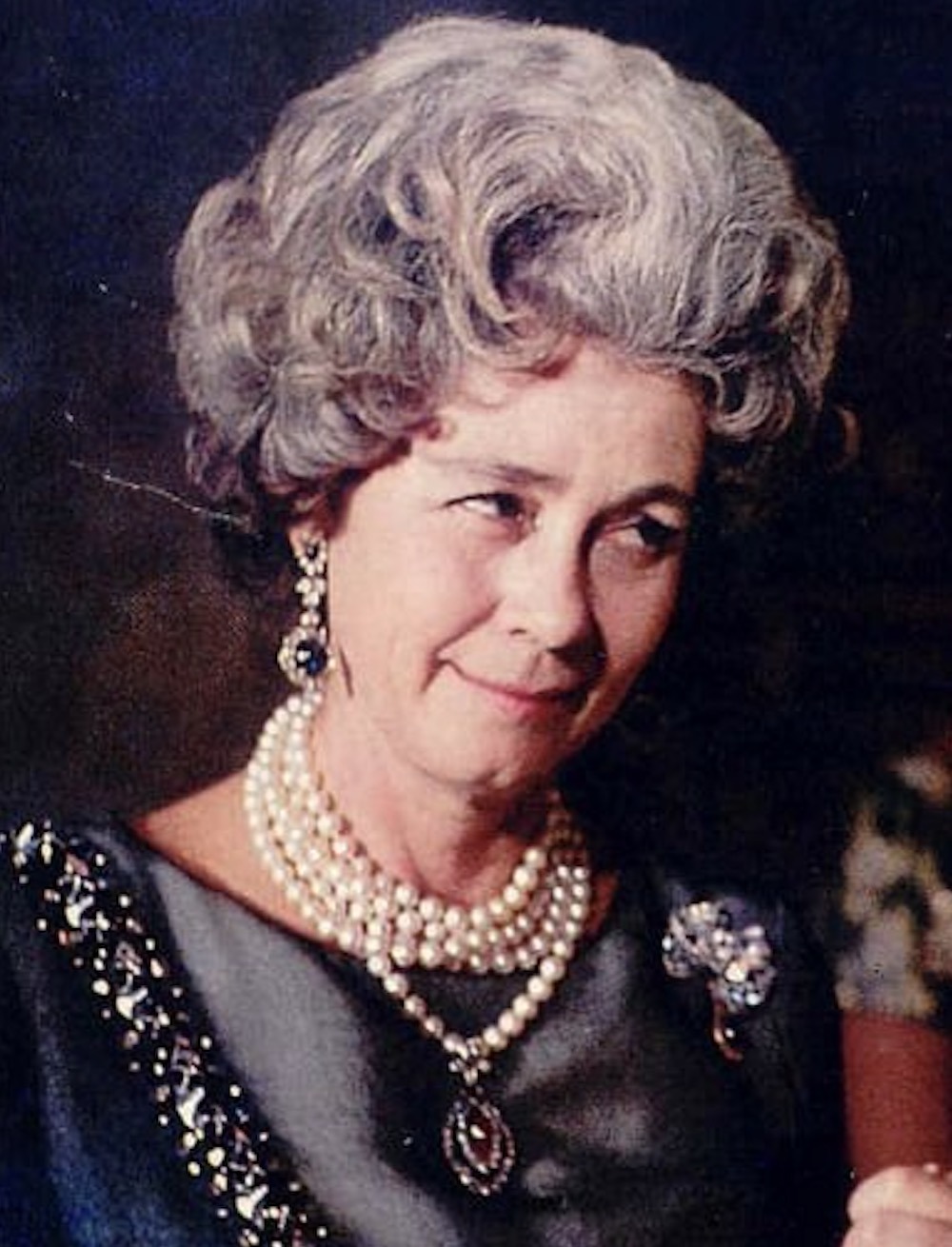
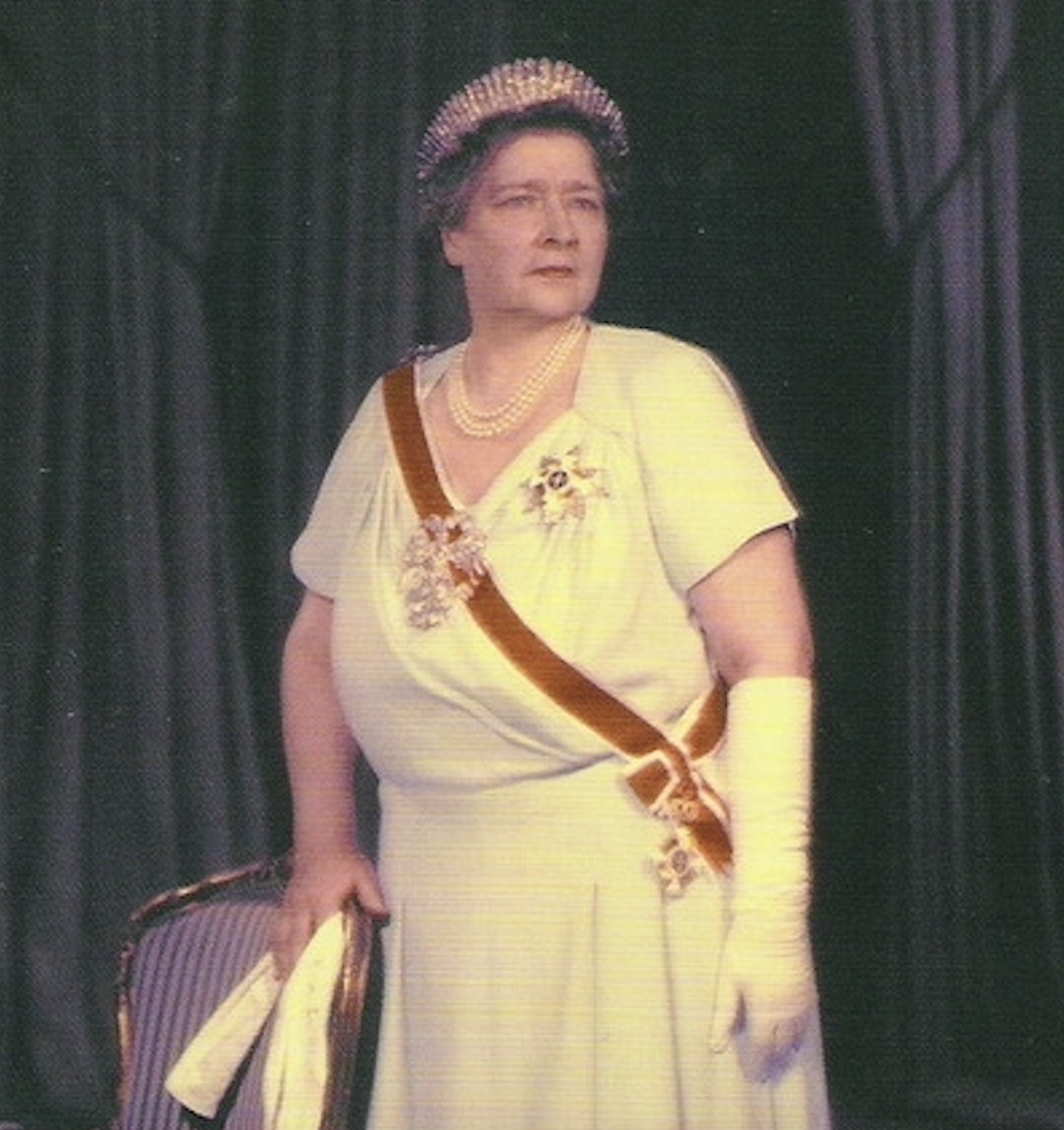
At some point in the early 1960s, the 478.68-carat Cartier Sapphire Pendant was acquired by the Greek Shipping Tycoon Stavros Niarchos, who presented it to Queen Frederica of Greece, who was incidentally the sister-in-law of Queen Helen and aunt of King Michael.
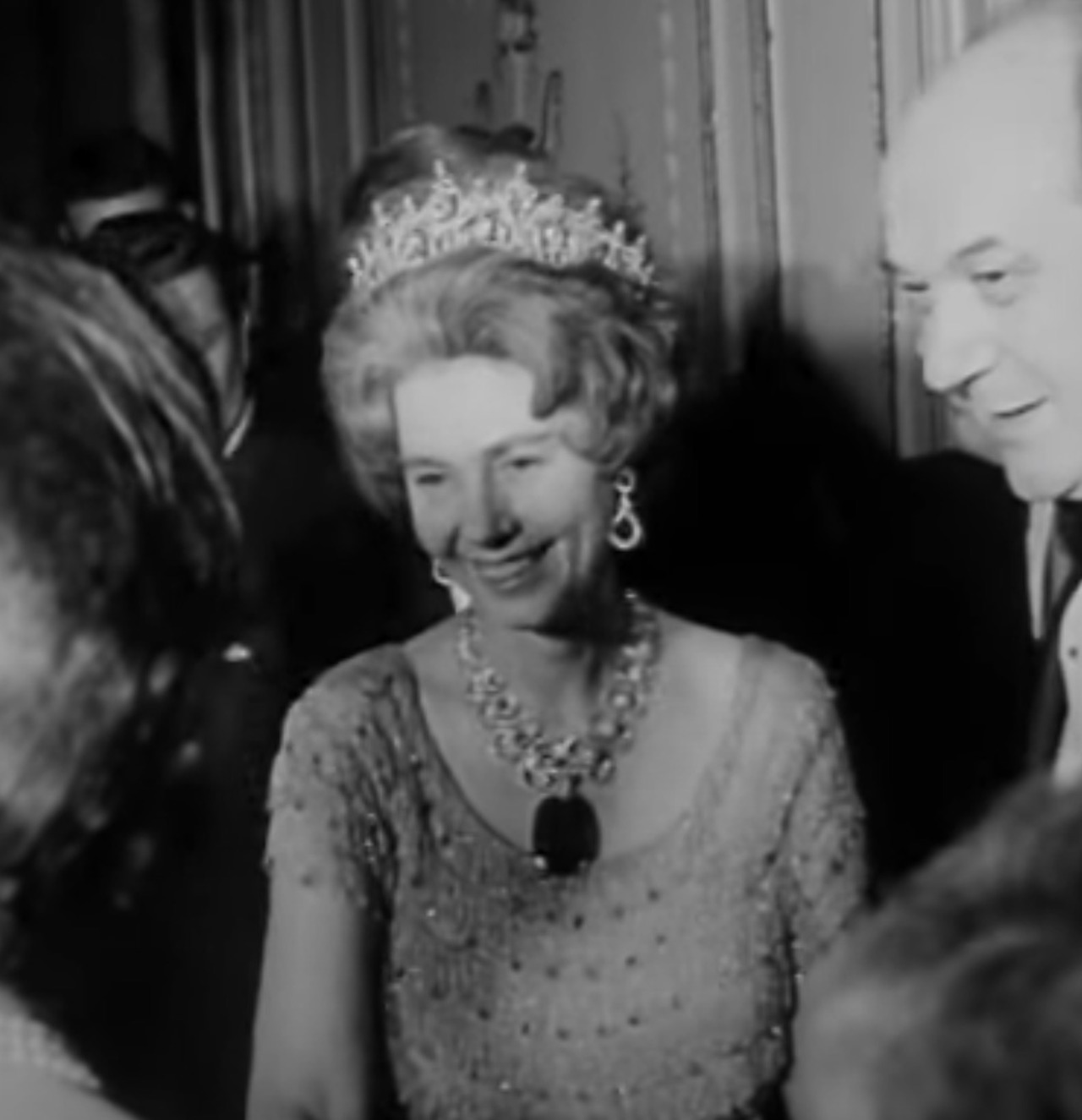
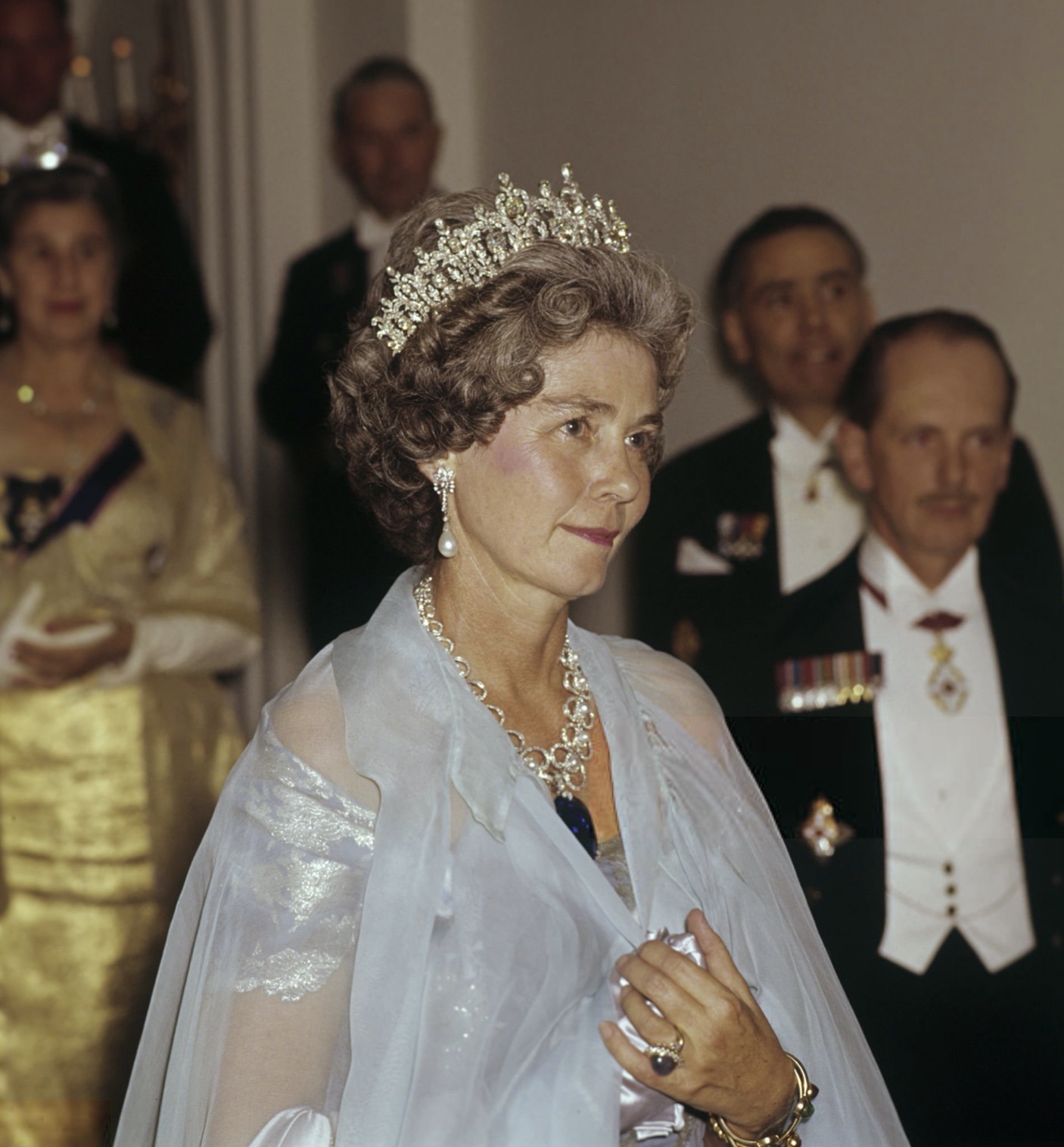
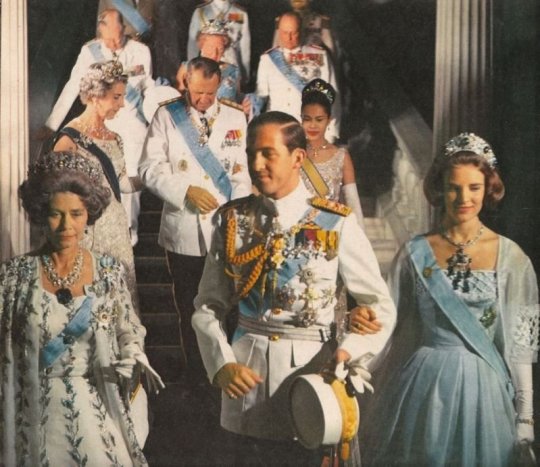
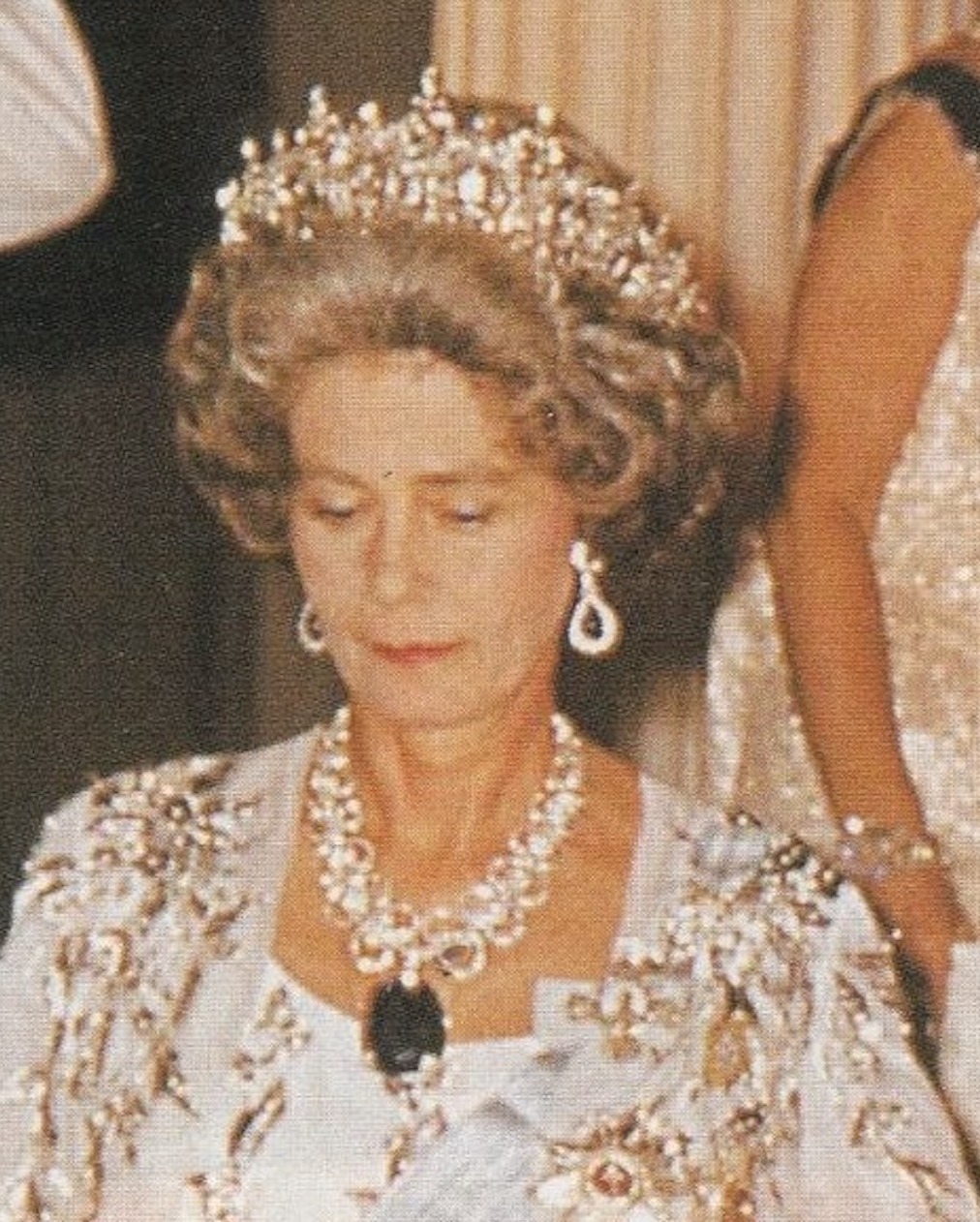
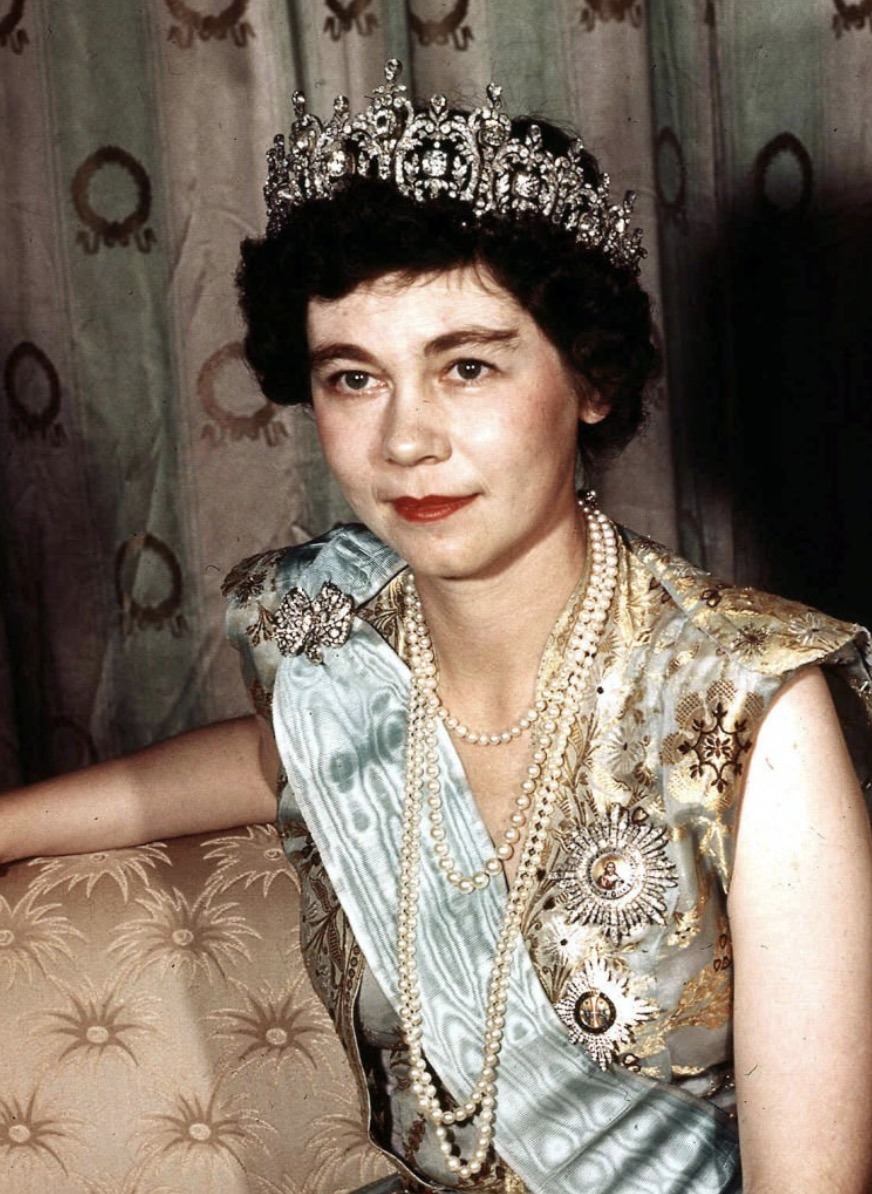
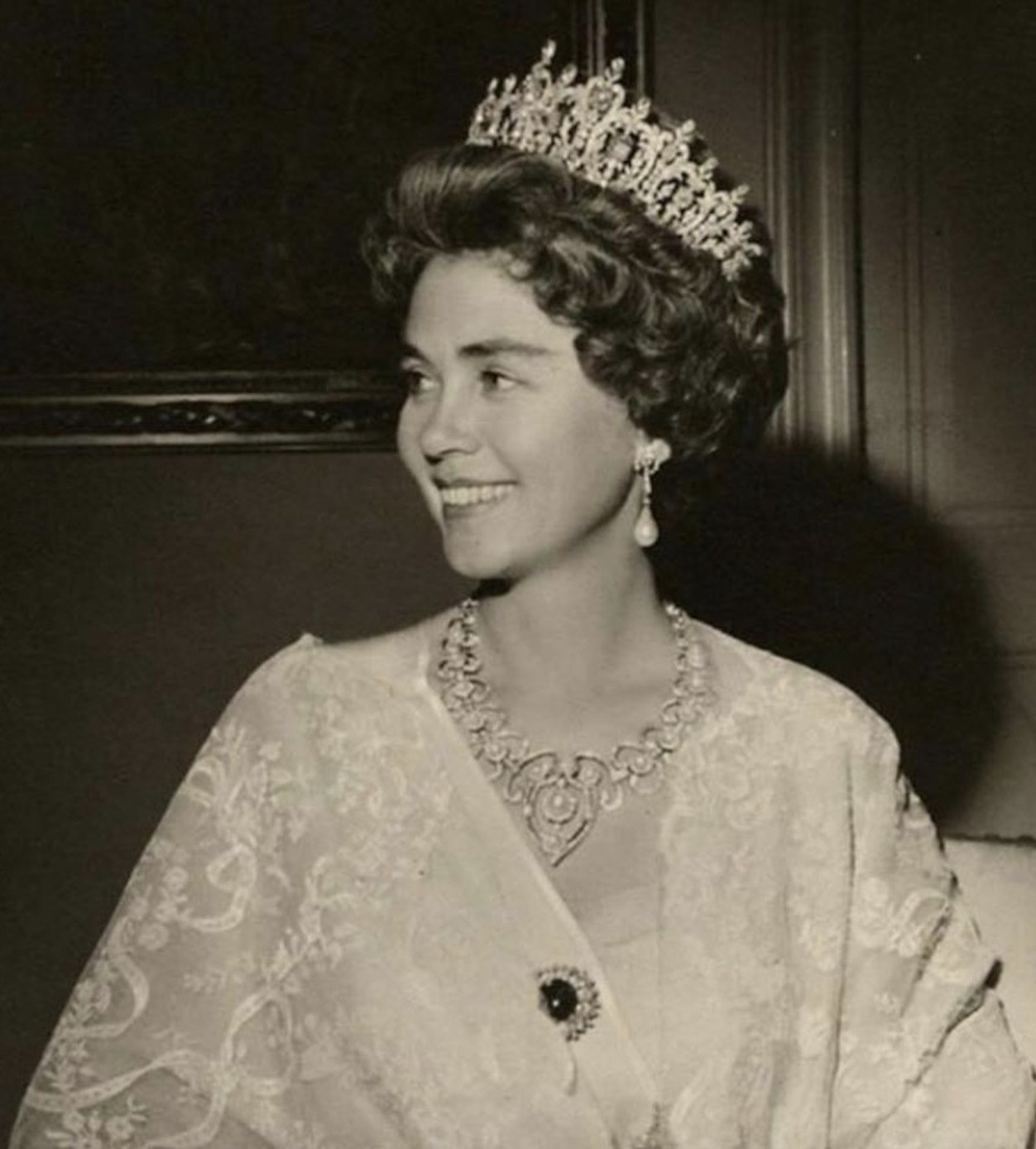
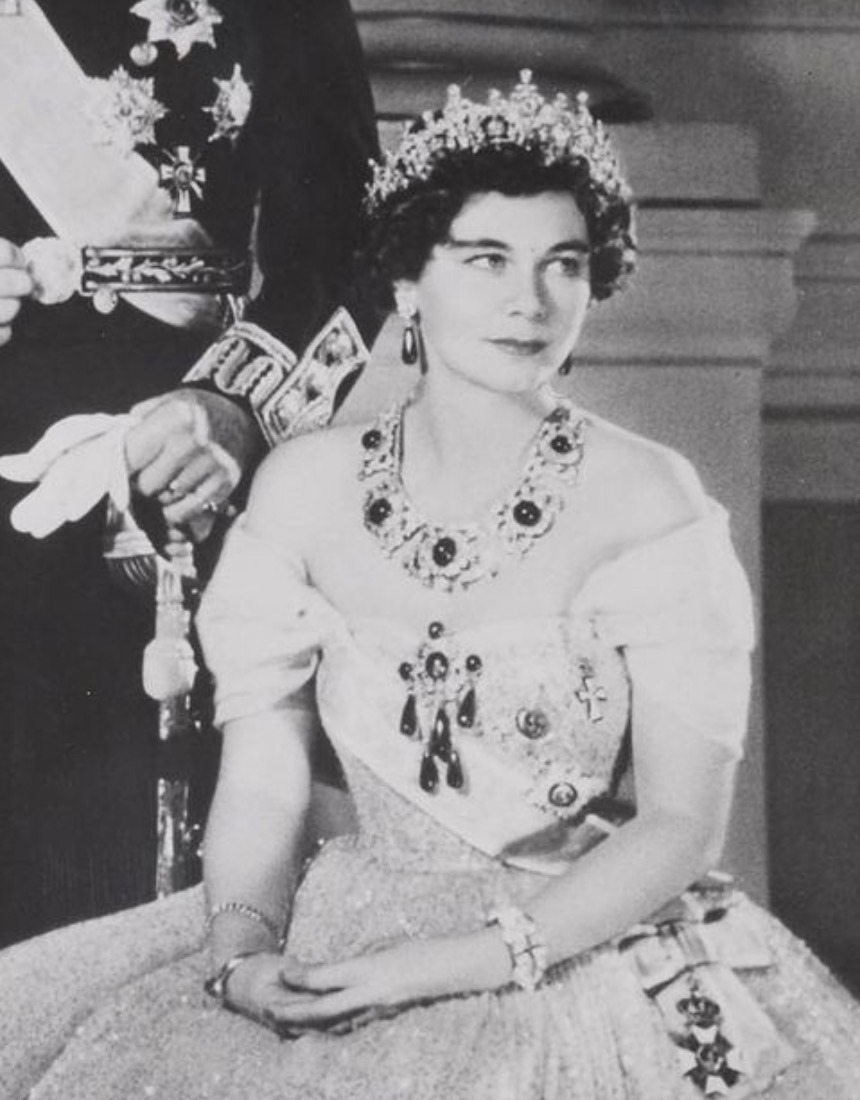
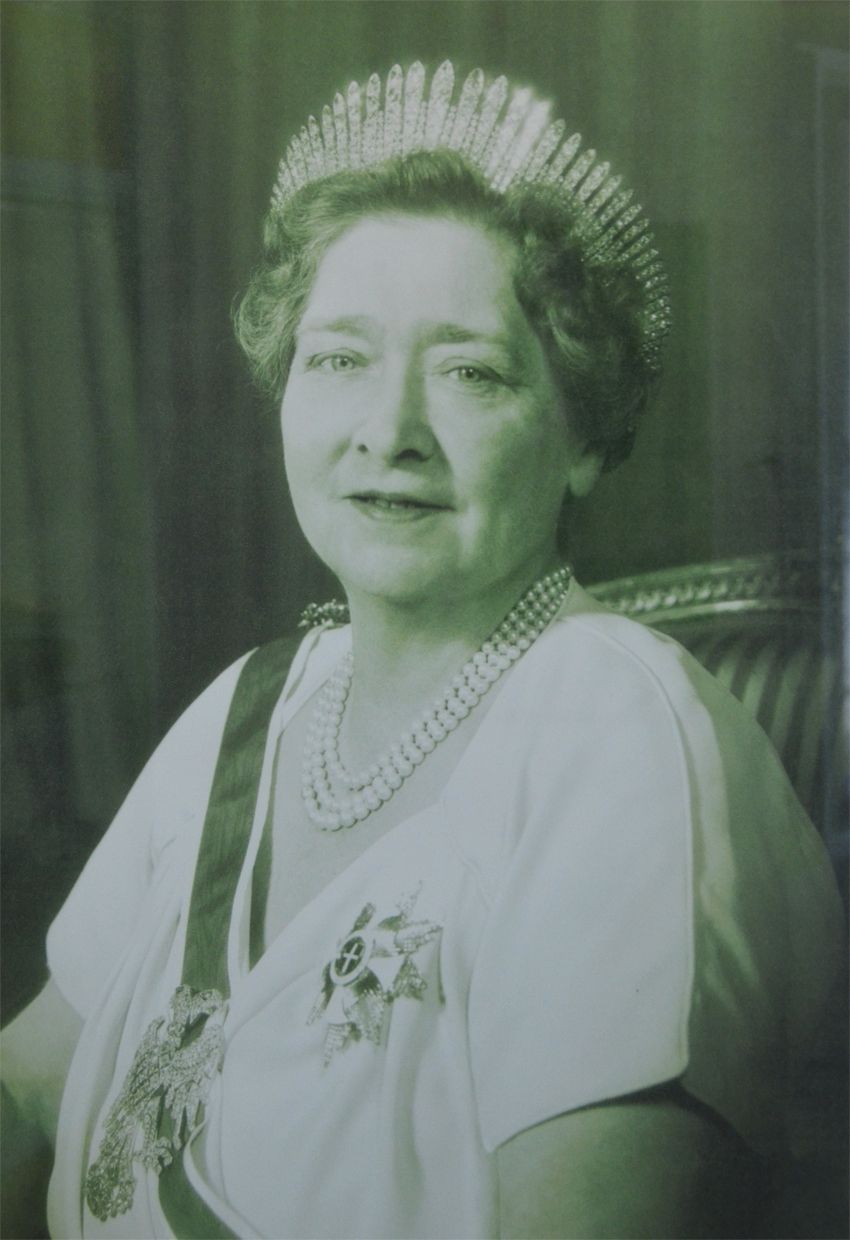
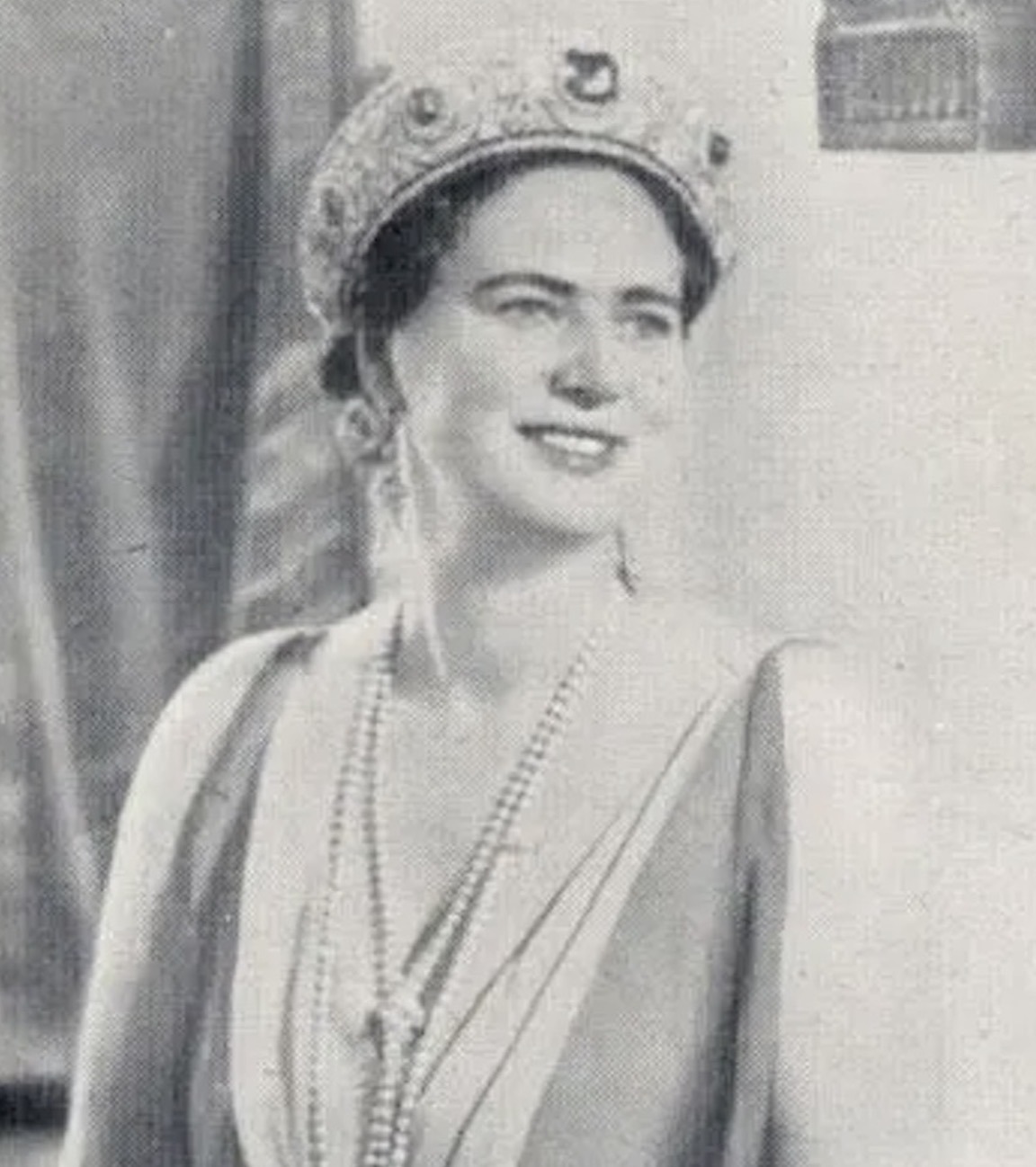
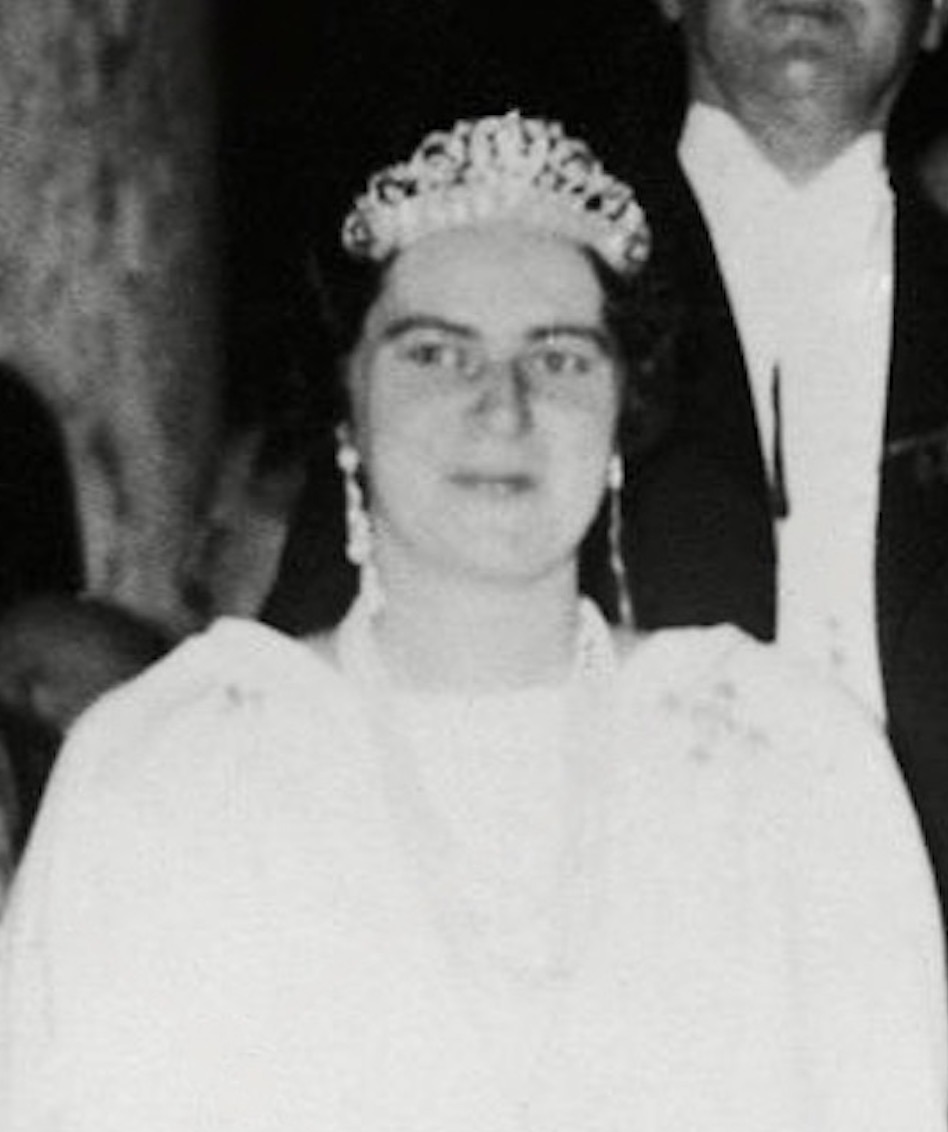
The spectacular Cartier Sapphire Pendant was worn with her Pearl and Diamond Necklace for the Greek Return Banquet at Claridge’s Hotel in 1963, on a visit to New York City in 1964, and for the Wedding Ball of her son, King Constantine II of Greece, and Princess Anne Marie of Denmark in 1964, paired with Queen Sophia’s Diamond Tiara.
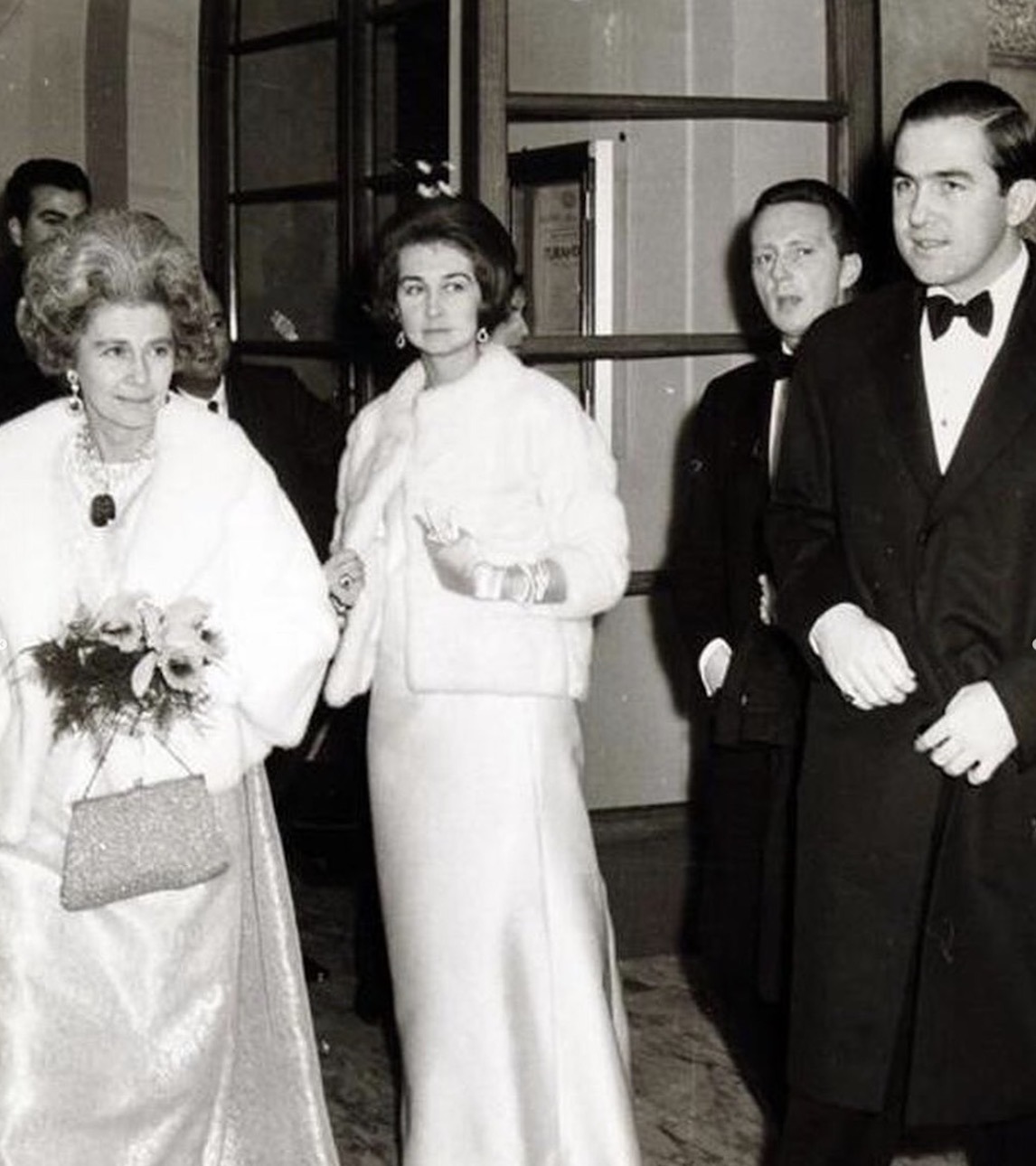
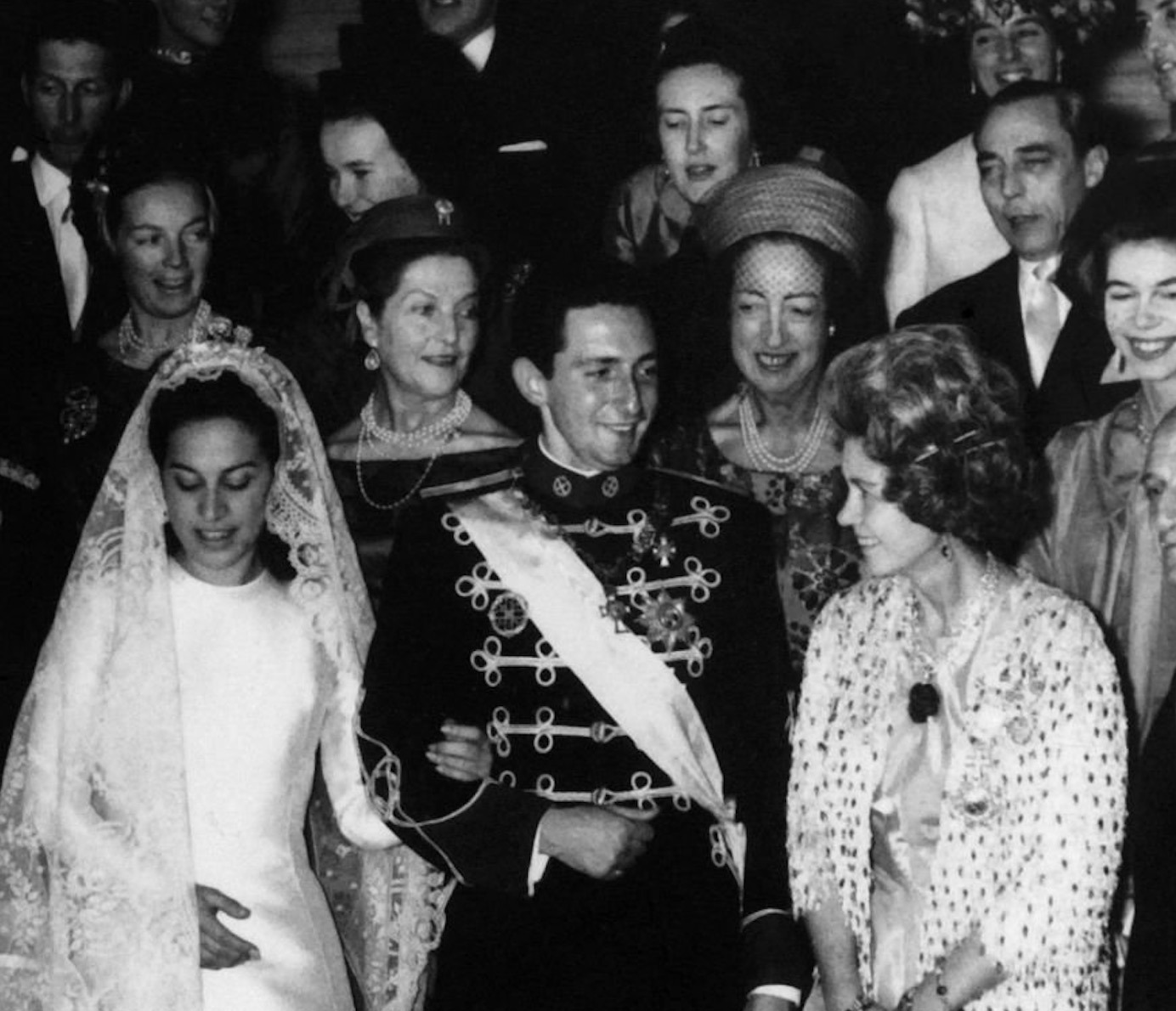
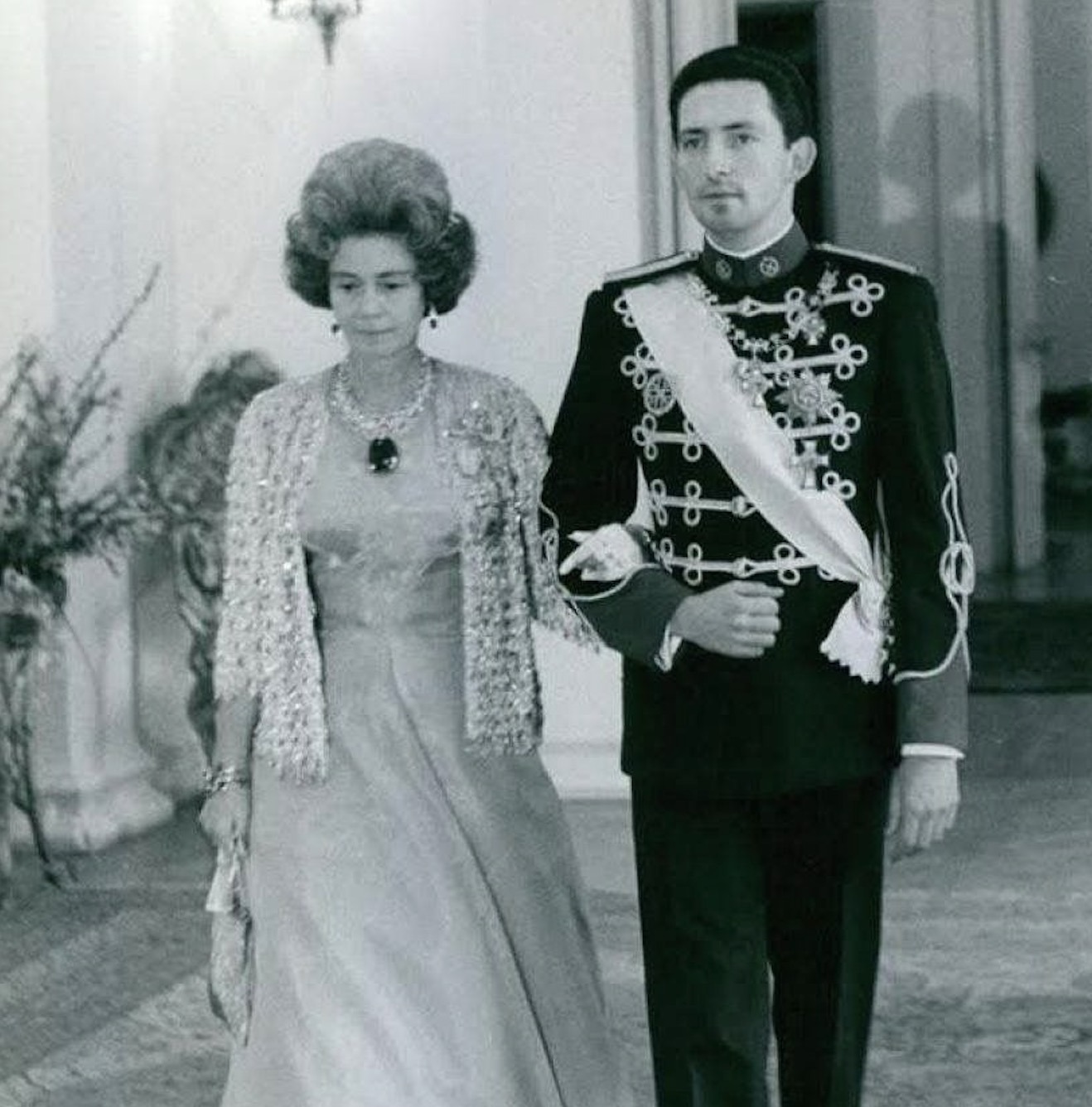
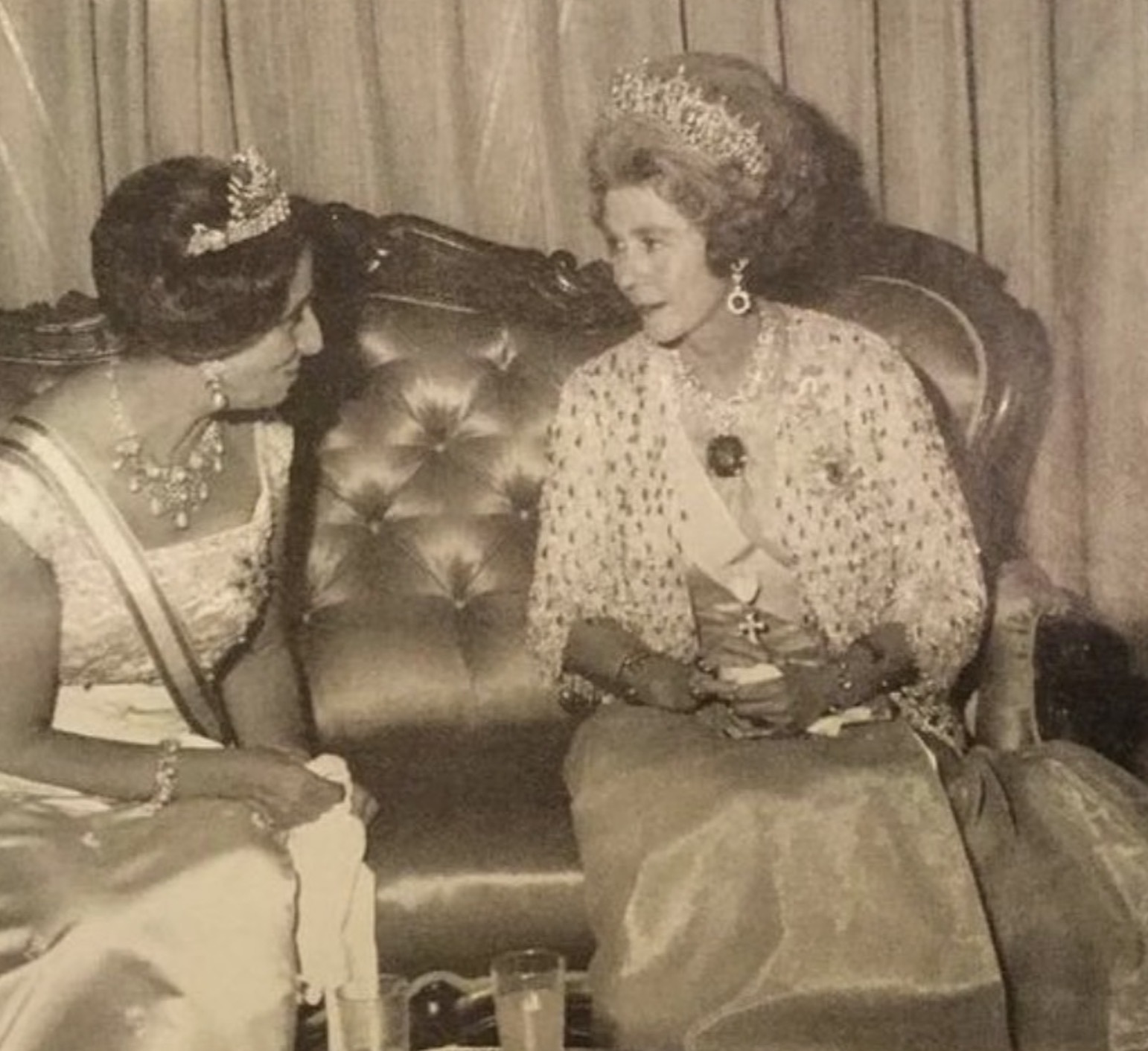
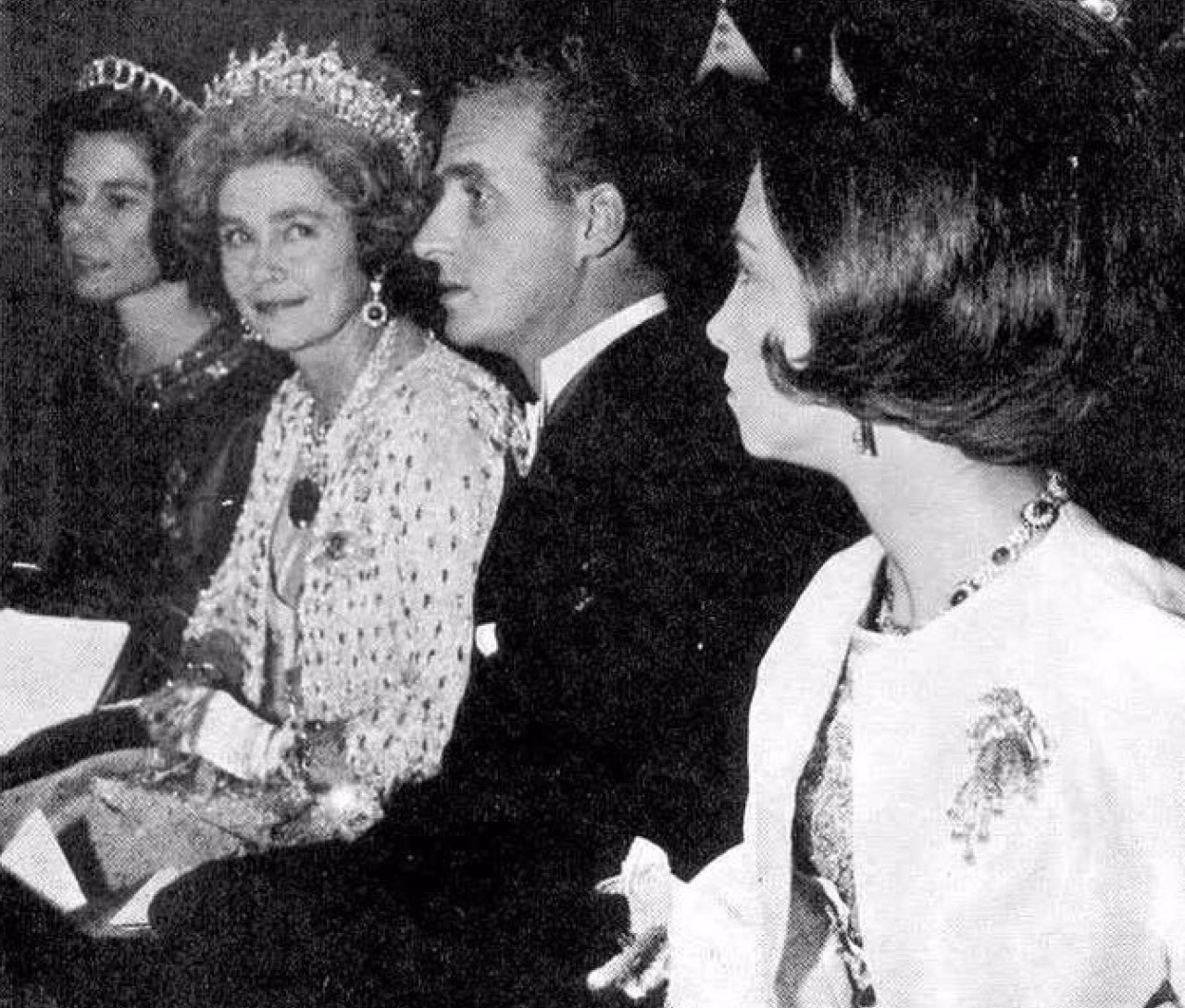
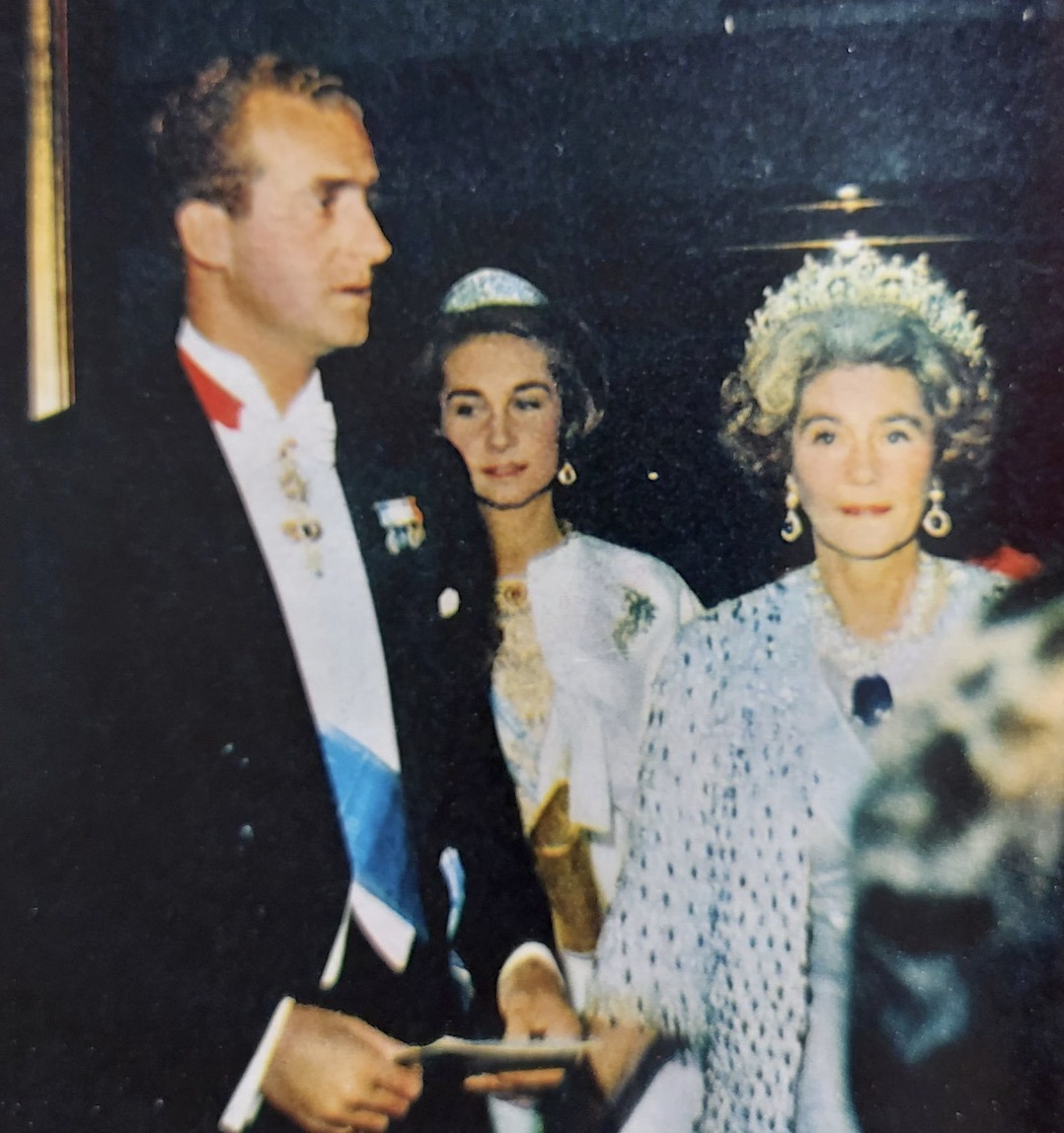
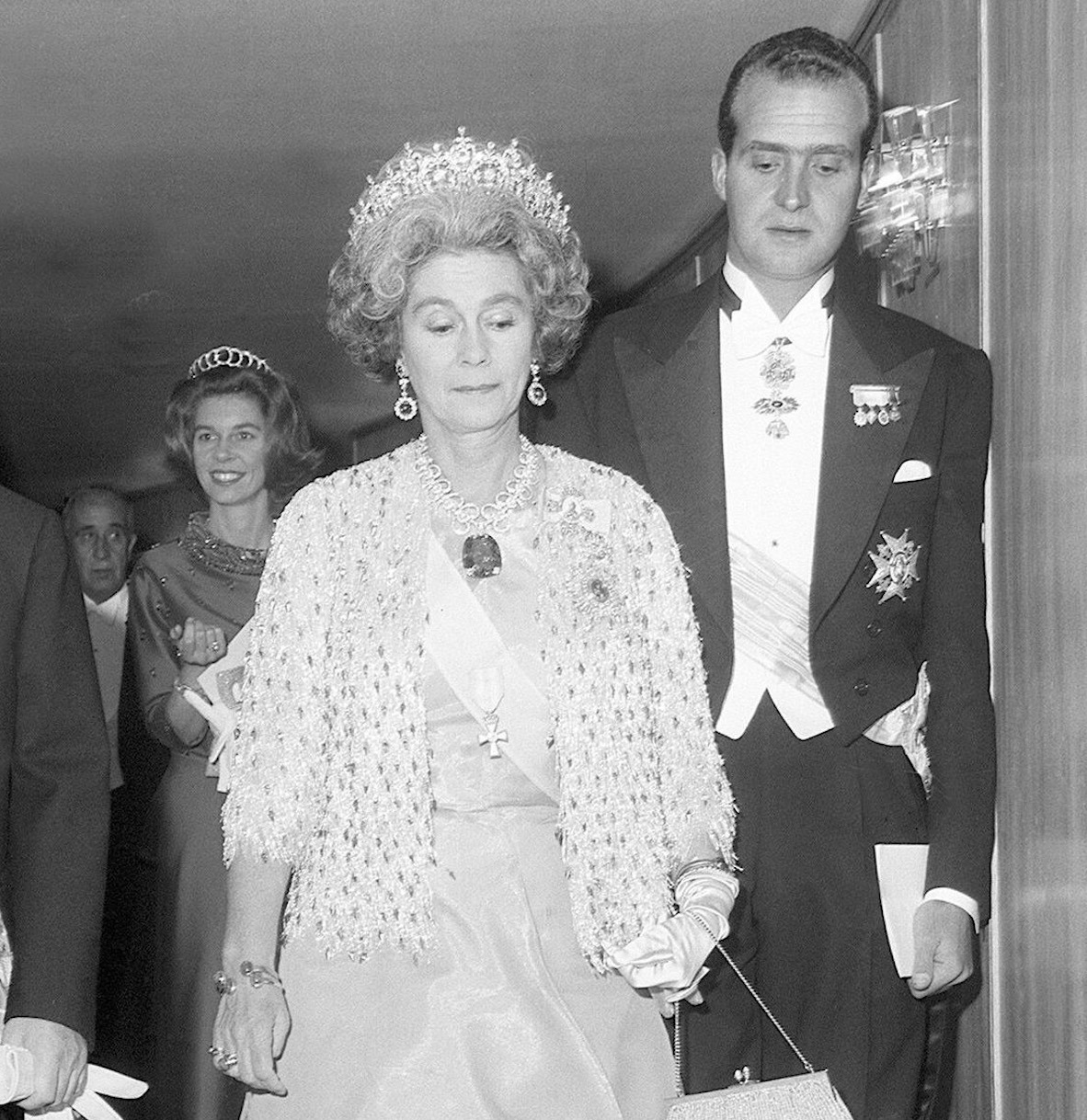

The Cartier Sapphire Pendant was one of the main jewels retained by Queen Frederica during her widowhood, along with Queen Sophia’s Diamond Tiara and her Pearl and Diamond Necklace, from which the 478 carat Sapphire was suspended, most notably at the Wedding of Prince Michael of Greece in 1965, the Wedding Ball of the Margrave of Baden and Archduchess Valerie of Austria in 1966, and for a Gala at the Teatro Real in Madrid in 1966, which was the sapphire’s last public appearance, just over a year ahead of the fall of the Greek Monarchy.
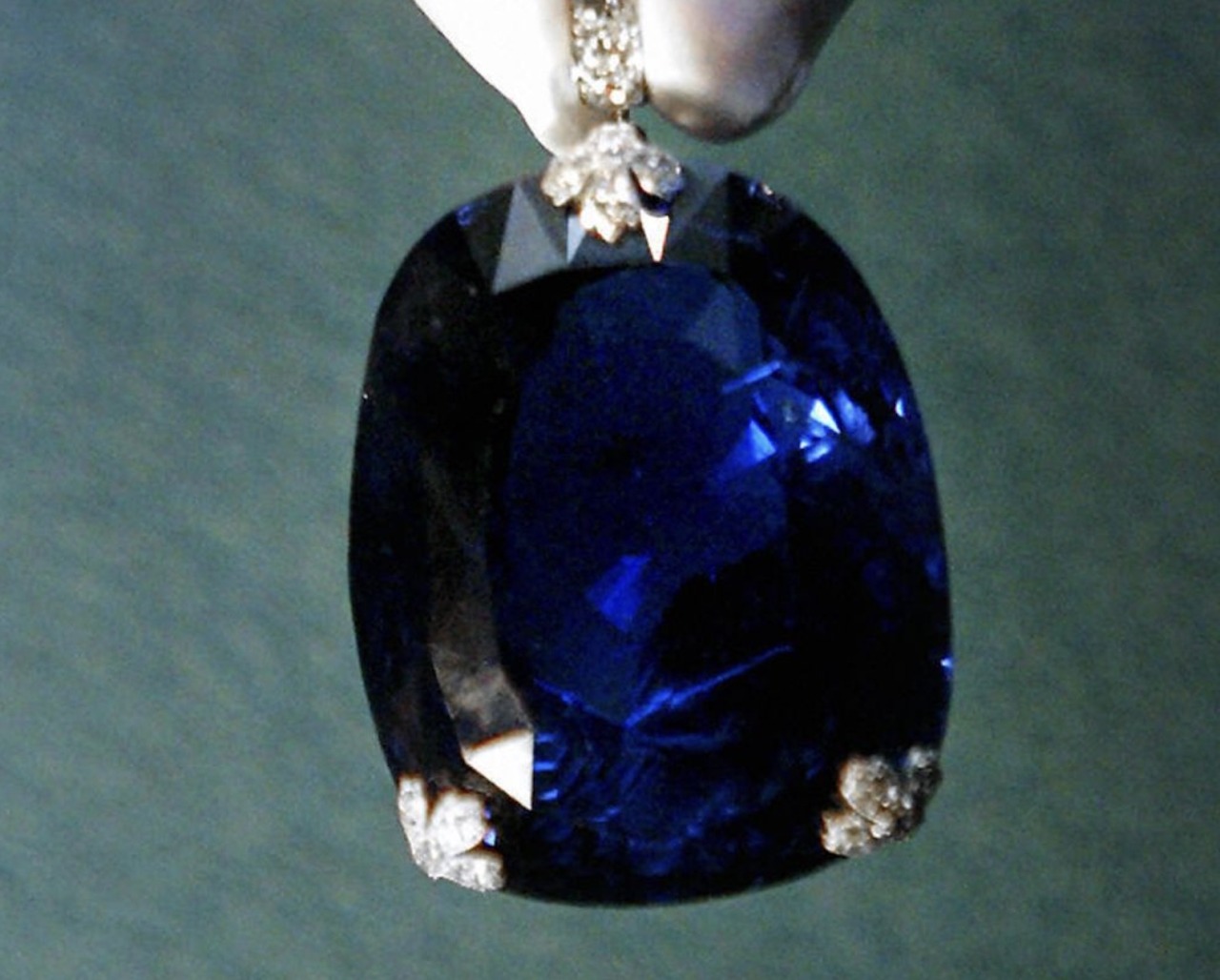
For decades, the fate of the 478.68-carat Cartier Sapphire Pendant remained unknown, until 2003, when the 478 carat Sapphire Pendant appeared at Auction at Christie’s in Geneva, as “Property of a Noble Family”, where it eventually fetched CHF 1,916,000.
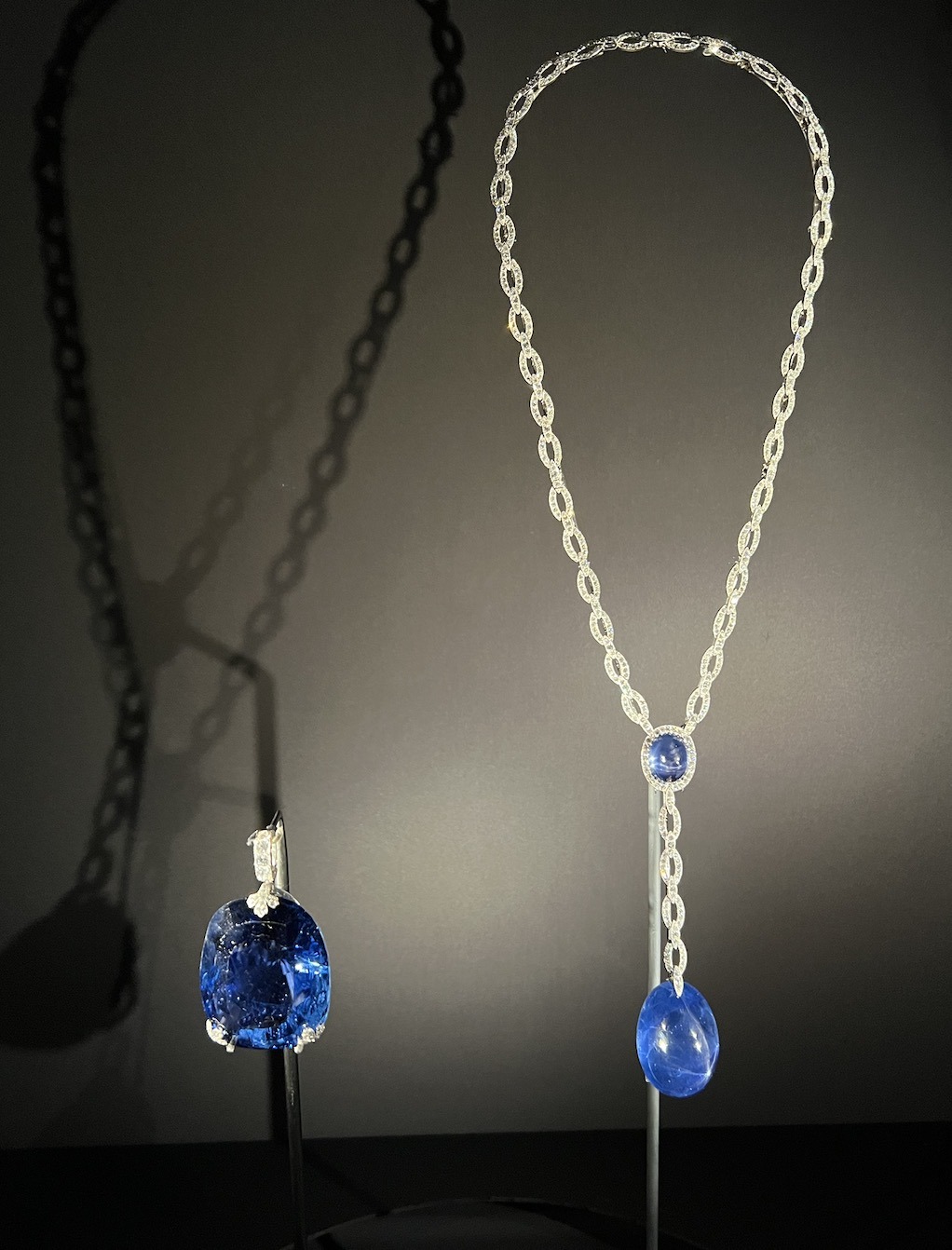
The 478.68-carat Cartier Sapphire currently belongs to the Qatar Museums Authority and has been exhibited at Cartier Exhibitions over the years, including the Cartier Exhibition at the Victoria & Albert Museum in London last year, alongside a Cartier Sapphire Necklace that belonged to Queen Marie’s sister and daughter.
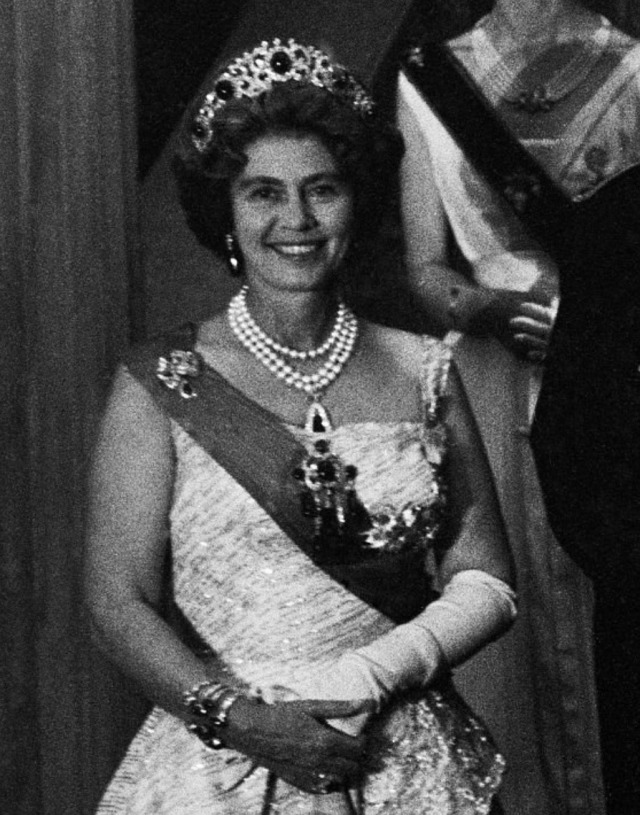
Pearl and Diamond Necklace Tiara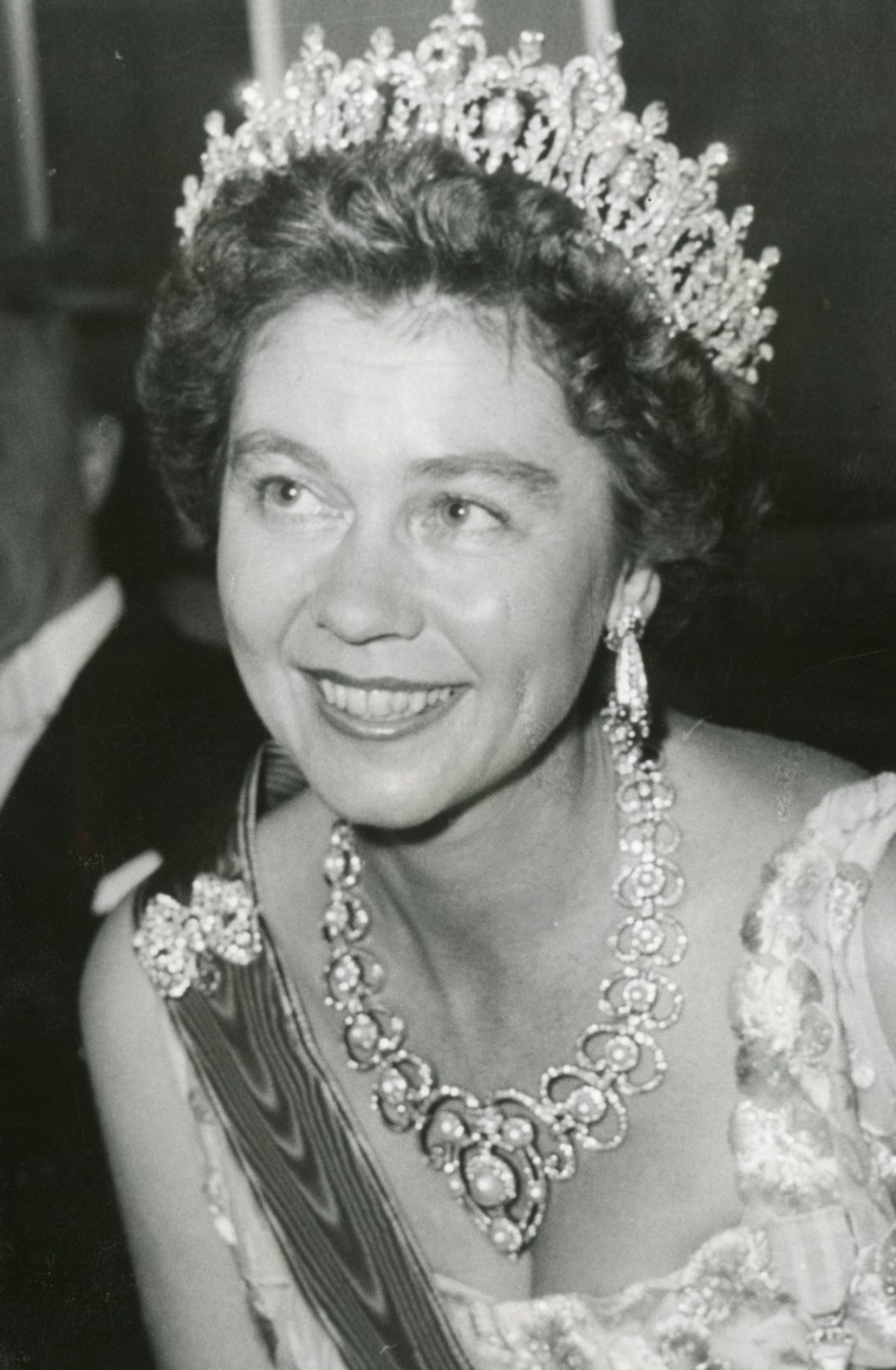



Follow