



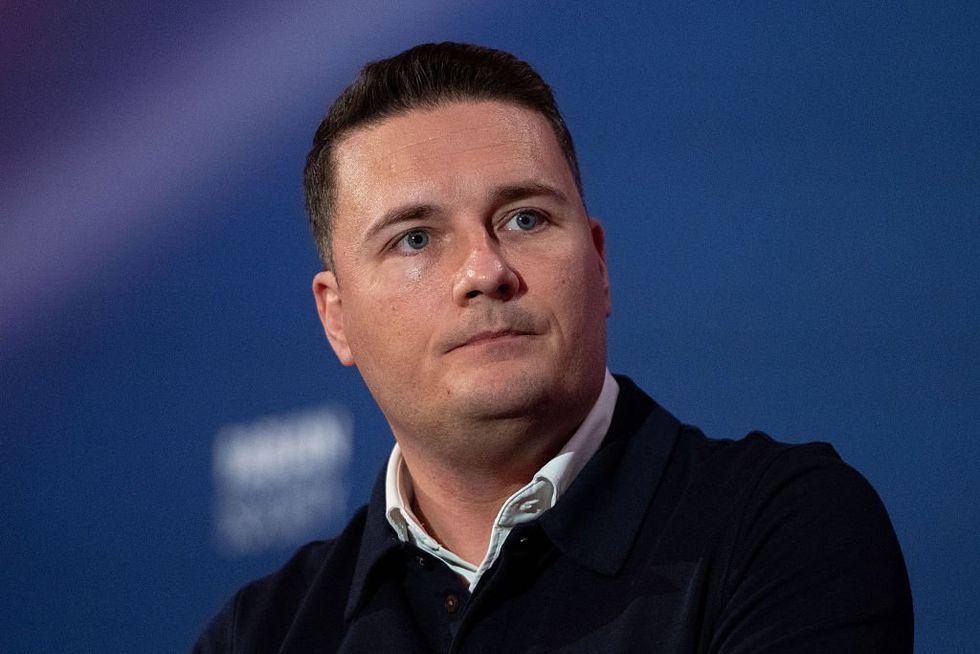
Health Secretary Wes Streeting previously described Conservative changes to student loan repayment rules as a “mis‑selling scandal”, which he said misled millions of graduates across the UK.
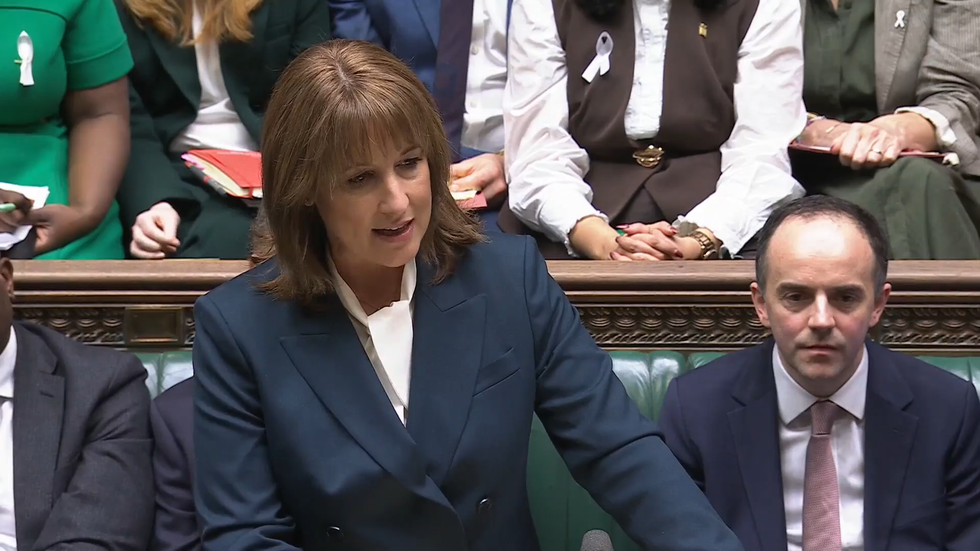
In the Budget, Chancellor Rachel Reeves announced the freezing of student loan repayment thresholds, citing the need to fund the NHS as a key reason.
Commentators have slammed Ms Reeves for an “unfair” system on young people.
Speaking in the House of Commons in November 2016, the former National Union of Students president criticised the Conservative Government’s decision to freeze the salary thresholds that determine when graduates begin repaying their loans.
Mr Streeting told MPs: “Millions of people across the UK have been mis‑sold loans and will end up paying thousands of pounds more than expected as a result.”
He said the Government had become “the perpetrator of the mis‑selling scandal” rather than “an unscrupulous high‑street bank or a payday lender”, adding that graduates had been “sold student loans on the basis of false assumptions and broken promises.”
The dispute relates to policy changes introduced after tuition fees rose sharply in 2012.
Under the revised system, graduates were told they would only begin repaying once they earned £21,000 a year, and that the threshold would rise annually in line with average earnings.
However, the Conservative Government froze the repayment threshold at £21,000 during 2016 and 2017.
Mr Streeting said at the time: “We told students that the repayment threshold would go up in line with earnings from April 2017; that is what we were told by Ministers at the time.
“That is what students, teachers, parents, family members and advisers were also led to believe.”
Following campaigning pressure, including from consumer finance campaigner Martin Lewis, the threshold was increased in 2018, although it has been frozen several times since.
The Labour Government has now announced plans to freeze the threshold again. Chancellor Rachel Reeves confirmed in the most recent Budget that it will remain fixed between 2027 and 2030.
Mr Streeting warned in 2016 that “future governments can come along and retrospectively change the system to suit the Treasury”.
Defending the new freeze, Ms Reeves described the decision as “fair and reasonable”, arguing that additional revenue was needed to fund public services.
“To be able to bring down NHS waiting lists… does require putting money in,” she said.
LATEST DEVELOPMENTS
- Keir Starmer told to ramp up attacks on Reform rather than ‘collaborative’ rival as PM left on brink
- Labour’s petrol and diesel ban ‘out of step with reality’ as electric car market shows strain
- Education leaders issue major plea to Keir Starmer over ‘authoritarian’ social media ban
Toby Whelton, of the Intergenerational Foundation, said: “Wes Streeting’s comments expose the hypocrisy at the heart of the Government’s student loan policy and the gaslighting of a generation of graduates.”
He said Mr Streeting’s warning about governments changing loan rules to increase revenue had “proved prescient”, calling the situation a “bitter irony”.
Oliver Gardner, from the Rethink Repayment campaign, said: “This highlights exactly why so many young people feel angry and fed up about student loans.”
He said Mr Streeting had been right to argue that retrospective changes would be “unfair” and “destroy trust”, adding that graduates were seeing “the same thing happen again at a time when a cost of living crisis is leaving many young people already struggling.”
Analysis suggests some graduates could face significantly higher lifetime repayments.
The i paper reported that the combined effect of retrospective policy changes means some graduates may repay up to £14,000 more than originally expected.
Mr Lewis said last week that the planned threshold freeze was not “moral”.
Mr Streeting warned in 2016 that graduates would “end up paying more each month and thousands of pounds more over the 30‑year lifetime of their loans” if thresholds were frozen.
Our Standards:
The GB News Editorial Charter



Follow