



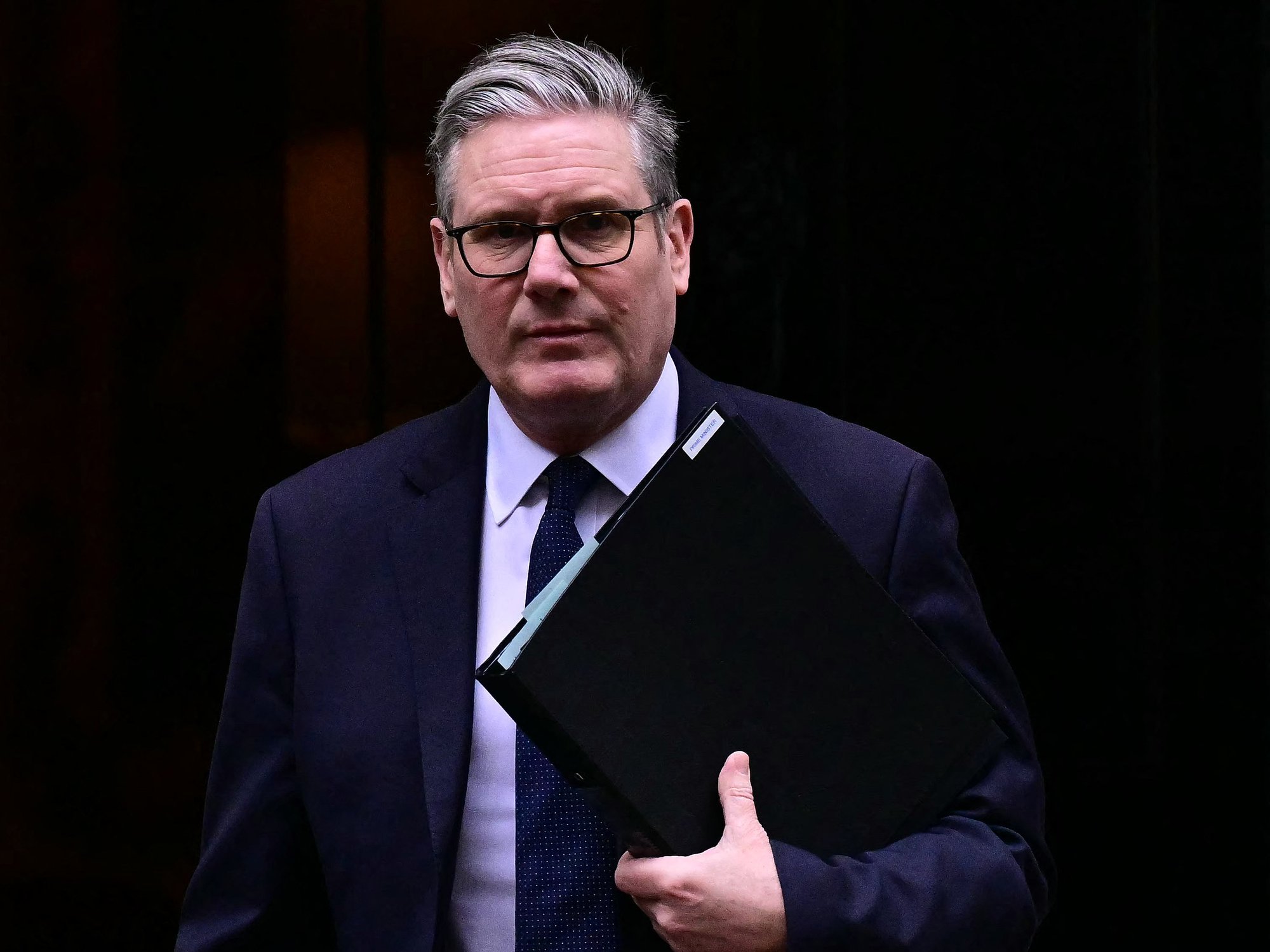
Voters are quickly “turning to anger” over Keir Starmer as the Labour leader desperately clings to power amid the Peter Mandelson scandal.
Damming new Ipsos polling has revealed the Prime Minister and his party’s net likeability ratings have sunk to lows.
Sir Keir is now faced with a -50 favourability among the British public, equal to the depths plumbed by Jeremy Corbyn before he shepherded Labour to a historic defeat in 2019.
This worked out at a massive 70 per cent of respondents saying they did not like the Prime Minister, compared to the paltry 20 per cent that still backed him.
Sir Keir appeared particularly polarising to the British public, with only 10 per cent admitting they did not know what to make of him.
Following a string of scandals and major U-turns, the Prime Minister has seen his support collapse from 34 per cent in June 2024, before taking power, to the doldrums of February 2026.
The Labour Party itself has also received bruising results from the fresh polling, with 56 per cent of Britons saying they disliked the party.
The net score of -22 favourability, while relatively better than Sir Keir’s, is the lowest Labour has received in the Ipsos trend going back to 2007.
“-50 is a very low favourability rating, and the recent Mandelson / Epstein fallout will be further fuel on this ratings fire for the Prime Minister,” polling guru George Buchan told GB News.
“More than ever, it shows that Labour’s landslide in 2024 was not based upon adoration of the Party or of its leader. It was anger at the Conservative government.
“Labour represented change, and that’s what people voted for.
“Now, not even two years into the government, the apathy about brand Labour and brand Starmer is turning to anger,” he warned.
LATEST DEVELOPMENTS
- Keir Starmer tells MPs ‘I’ve won every fight I’ve been in’ as he clings to job
- MI5 issues major warning to British universities over threat from China
- Scientists unearth remarkably well-preserved fossil with dinosaur skin still attached
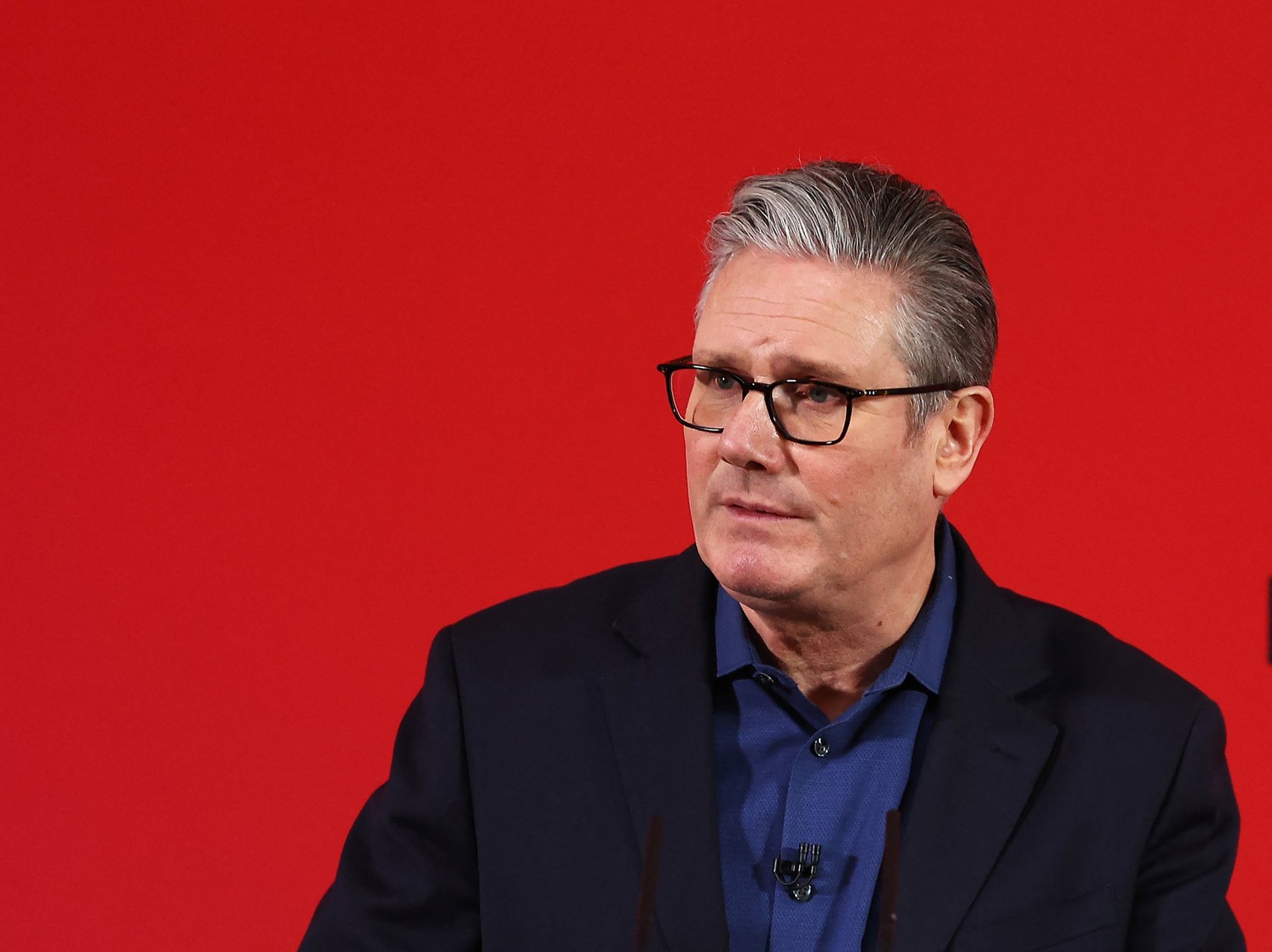
“The numbers are particularly damning when you factor in that only 10% can bring themselves to answer ‘don’t know,’” Mr Buchan told The People’s Channel.
One silver lining for the Prime Minister in the bruising polling was that no figure or party in frontline British politics is particularly well-liked.
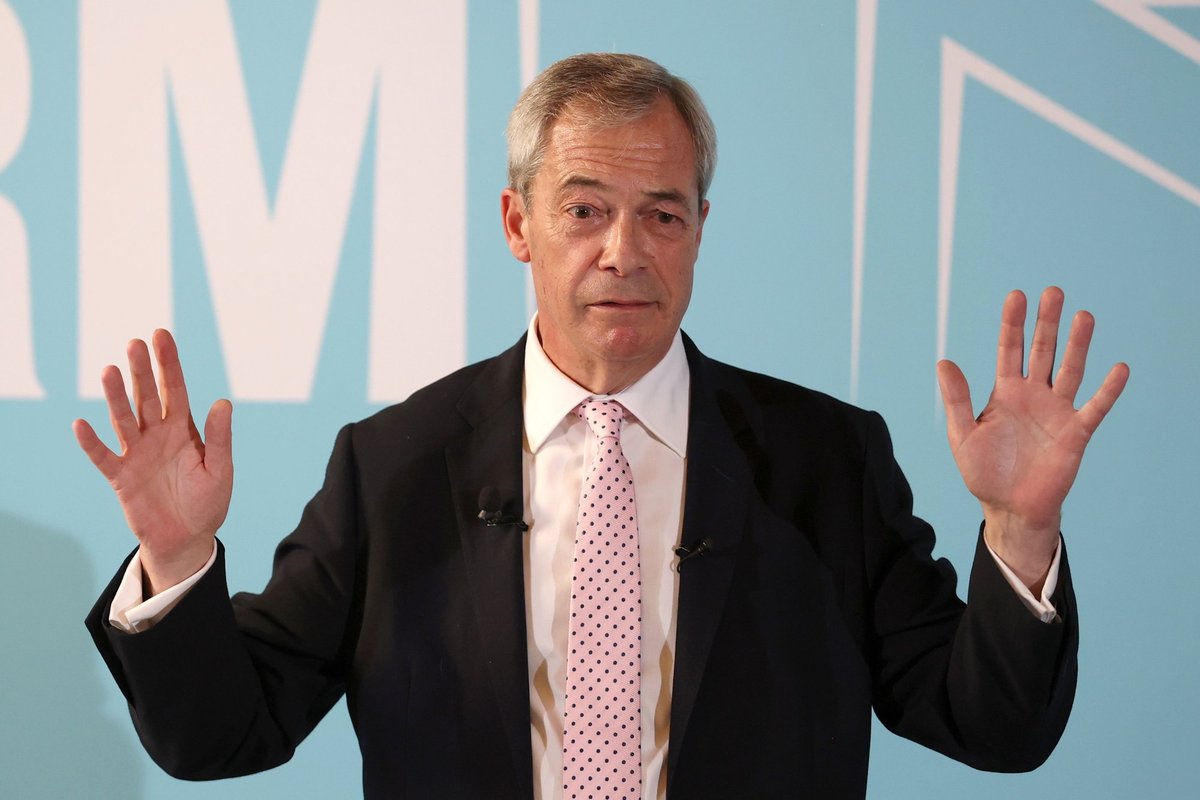
Reform UK leader Nigel Farage and Conservative leader Kemi Badenoch were not far behind, with only 27 per cent of Britons liking each.
55 per cent said they did not like Mrs Badenoch, while 62 per cent rejected Mr Farage.
As for the parties they lead, 56 per cent of respondents said they disliked Reform UK.
Meanwhile, the Conservatives were the most unpopular party, with 57 per cent responding negatively.
Conversely, Labour emerged as the most popular party overall – despite remaining firmly in the negative in terms of overall favourability.
“Nobody is popular because all parties are minorities now,” legendary polling expert Sir John Curtice told GB News.
“We are in a world of five-party fragmentation at the moment,” the polling guru explained.
Sir John detailed that overall favourability polling was less telling of the public mood because of the collapse of tradional two party politics.
“Everybody is going to be unpopular because nobody commands the majority of the election or anything close to it.”
Our Standards:
The GB News Editorial Charter



Follow