



Rarely a day goes by that protein isn’t dominating headlines, mostly for its benefits and the best ways to eat it (hello, Parmesan?), but far less frequently for when we should be eating it.
Many of us get our protein in one of two ways: all at once at dinner, or downed quickly in a shake. But in reality, timing is key – there’s only so much protein our bodies can absorb at a time, and eating more than that amount in one sitting won’t increase benefits.
So when is the best time of day to eat protein, exactly? According to registered dieticians, the answer isn’t a clean-cut hour on the clock, but there are instances when the nutrient definitely deserves more of your attention. Here’s when you should focus on getting a little bit more – and when you might actually want to take it down a notch.
To understand when you need protein, we first need to talk about why.
Protein gets the most hype for its muscle-building and repairing capacities, but it’s foundational to every part of the body – from our fingernails to our internal organs. Through protein was once reserved for bodybuilders and athletes, the truth is that we all need some amount of it no matter how physically active we are.
Exactly how much you need is determined by a handful of factors like your size, height, and age, but one to two grams per kilogram of bodyweight, or roughly 70 to 140 grams per day or 15 to 30 per meal, is generally recommended, Edwina Clark said. The per meal stat is what’s most important here, because that’s roughly the max amount of protein the body can absorb in one sitting, Jessica Cording, health coach, and author of The Little Book of Game Changers and The Farewell Tour, said. She explains that eating beyond that threshold won’t typically increase the benefits, but may actually cause problems both in the short and long term (more on that in a bit).
Why do we overload on protein at dinner – and why shouldn’t we?
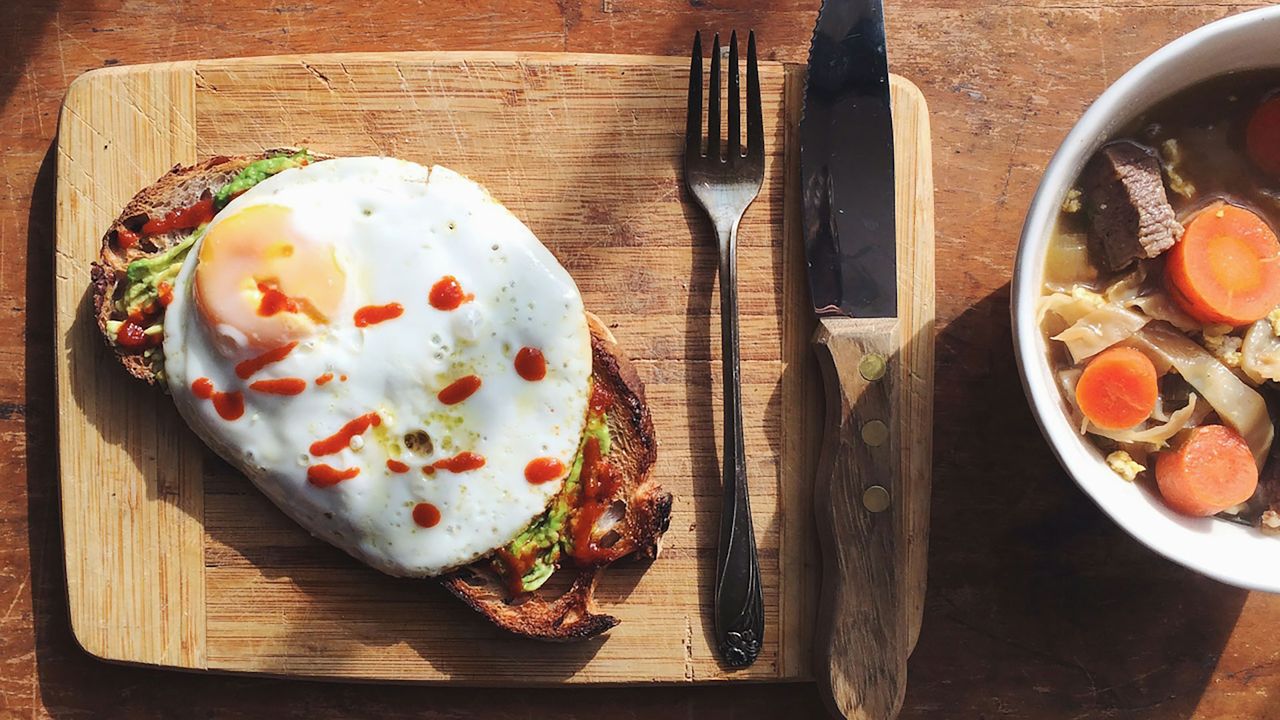
Dinner is when we’re most likely to overemphasise protein, though it’s not totally clear why, Wendy Lopez, cofounder of Diabetes Digital, said. It could have something to do with the fact that chicken and beef are the most widely used sources of protein, and that those ingredients don’t usually get top billing outside of the last meal of the day. She notes that breakfast and snack preferences also tend to skew largely towards carbohydrates, and the type of protein sources you might rely on in those moments may not deliver as much of the nutrient – like eggs, which only have six grams of protein a pop, or yogurt, which may offer as little as five grams of protein per six-ounce serving.
Whatever the reason, there’s nothing wrong with eating protein at dinner – in fact, one study found that doing so led to fewer wake episodes during sleep. And it’s certainly better to get your protein fix at dinner than to get no protein at all. But still, it’s better to spread the love around your day instead of doubling down in the evening, says Clarke.
Eating more protein to make up for what you might have missed earlier in the day may seem logical, but doing so is more likely to defeat your good intentions than provide the benefits you’re seeking. For instance, Lopez says that protein has a satiating effect because it takes a long time for the body to digest. That’s helpful during the day when you need to feel full to power through work and other activities, but could make for a gassy and restless night of sleep when eaten in excess.



Follow