



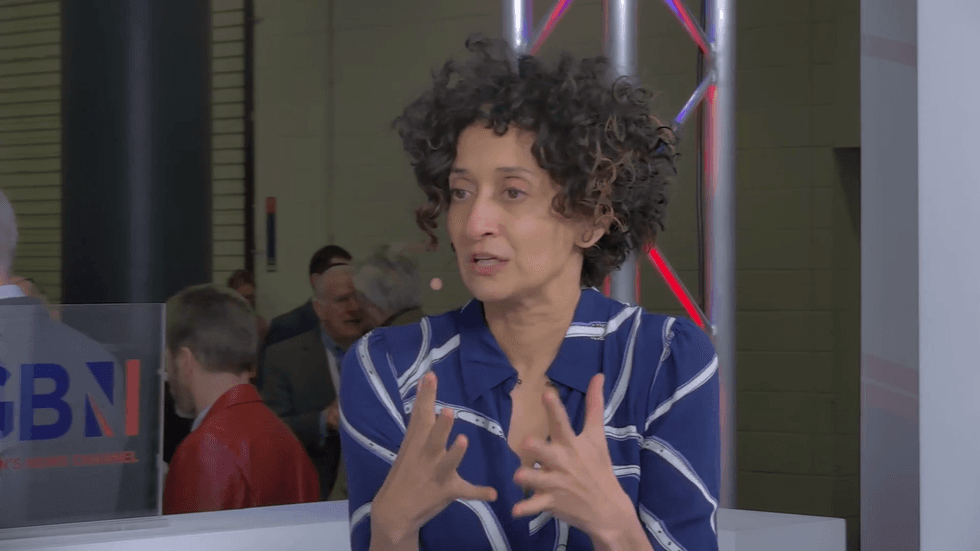
Katherine Birbalsingh, who has earned a reputation as “Britain’s strictest head”, has launched a scathing attack on Labour’s newly published transgender guidance for schools.
The Headteacher at Michaela School in Wembley, suggested the proposals marked “the beginning of the end for our children”.
The outspoken educator accused ministers of being out of touch with the realities of running educational institutions.
“These Labour politicians have never built or run anything. They are ideologues who don’t understand that culture eats strategy for breakfast. Disgraceful and abuse of state power,” she said.
Her fierce criticism came after Education Secretary Bridget Phillipson unveiled long-awaited statutory guidance on Thursday setting out how schools should handle pupils questioning their gender identity.
The new rules represent a significant departure from draft guidance produced under the Conservatives in 2023, which stated that primary-aged pupils should not have pronouns different from their biological sex used about them.
Under Labour’s updated framework, children at primary school who question their gender may be permitted to adopt alternative pronouns, though the Department for Education emphasises this should occur only rarely at that age.
Staff members are prohibited from making unilateral decisions about name changes or pronoun use. Instead, such matters must be agreed through proper school procedures with parental involvement and, where possible, clinical advice.
The guidance instructs teachers to treat any social transition requests cautiously, while maintaining that children’s wellbeing remains the paramount consideration, requiring flexibility in approach.
Parents must be informed when their child raises questions about their gender, unless specific safeguarding concerns exist. Schools are also directed to seek clinical guidance where available.
The framework mandates that single-sex facilities be preserved throughout schools.
Mixed toilet arrangements are banned for pupils aged eight and above, while overnight accommodation on school trips must be organised according to children’s biological sex rather than their preferred identity.
LATEST DEVELOPMENTS
- Trans activists left stuttering after being unable to answer basic questions at furious protest
- Christian nurse suspended by NHS for misgendering trans prisoner demands answers from Labour over delay to single-sex spaces rules
- ‘Big step forward!’ Gender critic hails trans guidance as she pinpoints safeguarding detail
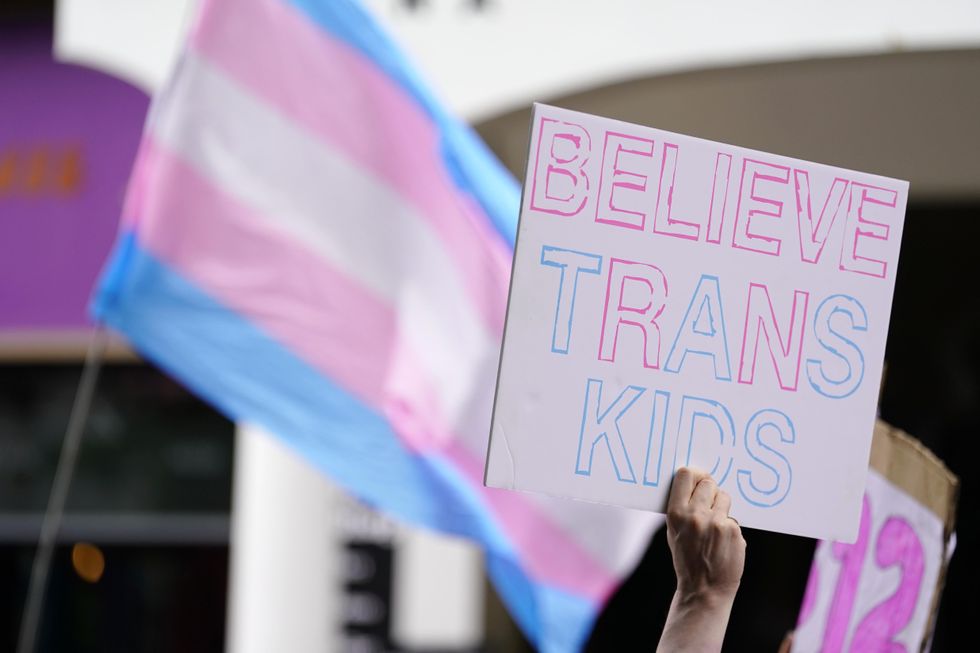
Sporting activities designated for one sex cannot include socially transitioning pupils of the opposite biological sex where safety considerations apply.
Birth sex must now be documented in all school and college records.
Trans pupils are explicitly barred from accessing bathrooms or changing facilities designated for the opposite biological sex, though schools should explore alternative provisions for those uncomfortable using facilities matching their birth sex.
Maya Forstater, Chief Executive of Sex Matters, warned the guidance poses ongoing risks to young people.
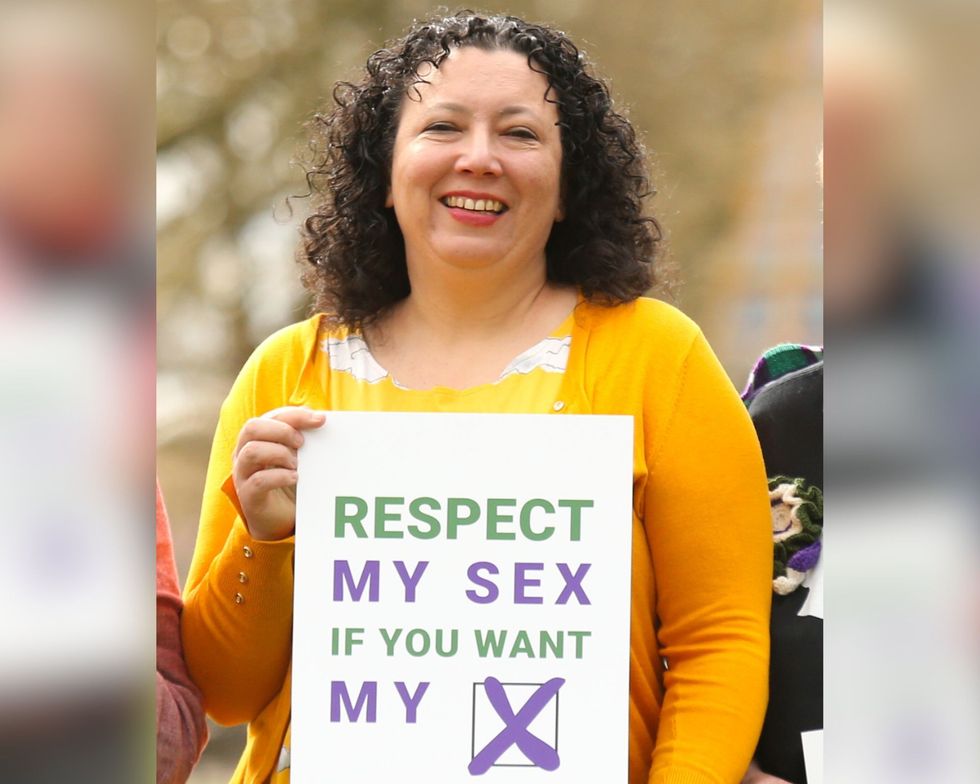
She said: “Schools are still being left with the idea that they can facilitate ‘social transition”, which remains undefined, and that they should negotiate this on a case-by-case basis,” she said, adding that encouraging schools to distinguish between “birth sex” and some other concept of sex “has no basis in law or reality, and undermines safeguarding.”
Dr Hilary Cass, whose landmark review informed the new rules, offered a contrasting view, describing the guidance as “practical” and providing “much-needed clarity on their legal duties”.
Phillipson defended the approach, stating: “We’re following the evidence, including Dr Hilary Cass’s expert review, to give teachers the clarity they need to ensure the safeguarding and wellbeing of gender questioning children.”
Our Standards:
The GB News Editorial Charter



Follow