



It’s also been very hard on my relationship. My body was the cause of our fertility issues, which can create feelings of guilt. I was the one juggling all the drugs and treatments alongside a high-pressure job. I was the one receiving the appointment letters and being addressed by the doctors, which I think made my husband feel excluded at times.
You end up asking yourself massive questions, like: what does our relationship mean in the long term if we don’t have a kid? Will you stay with me if it doesn’t happen? Will I stay with you? All those questions are super heavy. And when it comes to infertility, you’re thinking about forever. It’s a lot of pressure. And it becomes everything – you’re constantly waiting for the next appointment, the next round of meds or the next set of test results. You can’t do normal things like go on holiday. Sometimes it’s all you talk about.
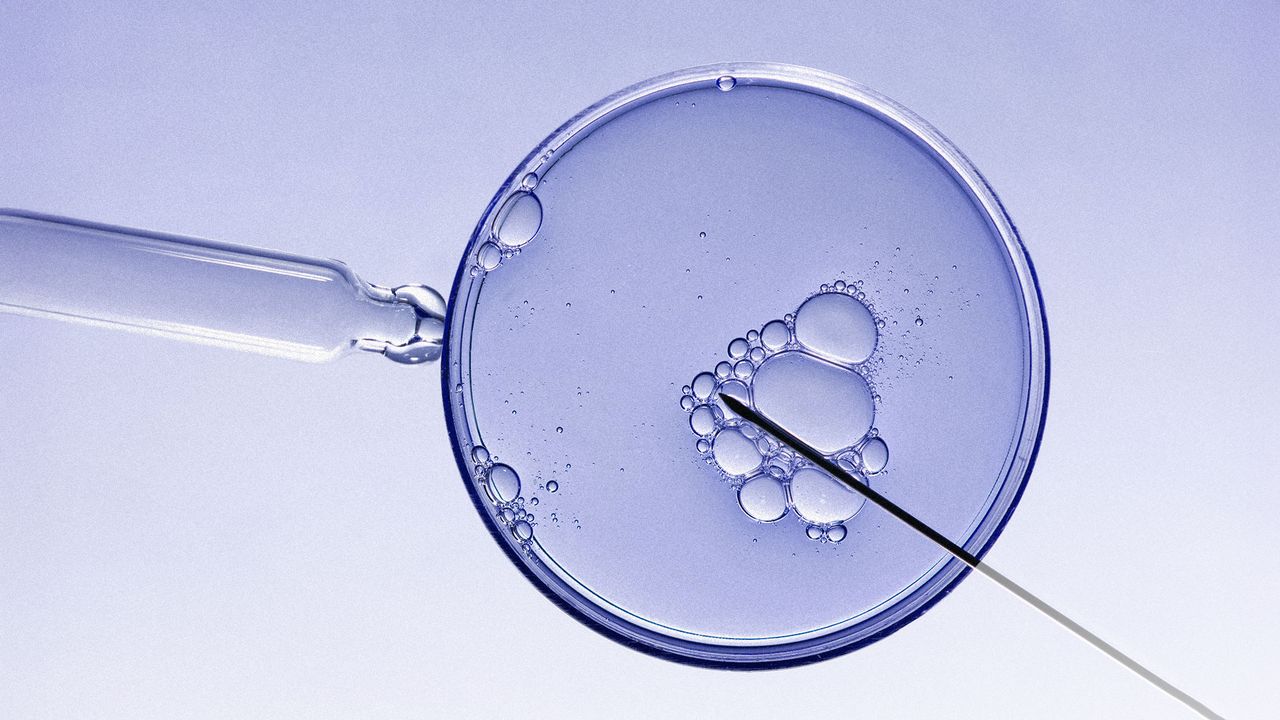
When the scandal at Homerton came to light, and it was revealed that they had lost dozens of frozen embryos, we weren’t even contacted by the hospital. A friend WhatsApped me: “Have you seen what happened at Homerton?” After phoning up and getting no response, they eventually confirmed that we’d been affected. We had a total of five embryos stored in their facilities.
After that, we tried to transfer our embryos out, and luckily, it was confirmed that four embryos were present. We still supposedly have one embryo stored at Homerton, but we won’t know if that one has survived until they thaw it. We feel like we’re stuck in limbo.
[A spokesperson for Homerton Hospital tells Glamour that the suspension was announced to the press by the HFEA at the same time as the Trust was informed.]
I’m not by any means at the end of my journey. I’ve had to restart in a new country with new medication and new protocols, and it’s brought new revelations.
It’s hard not to lose hope when you’re in it: when you keep having miscarriages, implantation failures, having doctors not listen to you and having to fight for the tests you need. But you know your body better than anyone else. I think it’s important to trust that feeling and to try to fight for answers, because you can’t have successful IVF without answers as to why it’s not working.
Throughout this entire process, I’ve had an instinct that something was really wrong with my body, but I’ve rarely felt listened to. It took years to get my endometriosis diagnosis, and even more time to get a diagnosis of adenomyosis, a painful condition where the uterus lining grows into the uterus wall. Now, I’ve finally discovered that I may have an immunosuppressant illness, as well as a genetic problem, which might explain my fertility issues. It’s upsetting to think that my suspicions were never taken seriously.
At this point, I’m feeling tired, scared and sad. I feel scared that I’m never going to be a mother, and that, after eight years of trying, none of this is ultimately going to work. I’m scared about the answers that we’re still waiting on, and what they might mean for my future. And I’m grieving the life I could have had if I hadn’t faced these issues, and the person I used to be. I was always someone who loved babies and was always happy for friends when they got pregnant. Now seeing them causes a lot of pain. I’ve lost friendships along the way.



Follow