


There are many striking antique Jewels coming up for Auction this month, with a striking Diamond Star Tiara and the Jewels of Lady Glenconner, a Rivière from the Countess of Carnwath, Lady Astor’s Bracelet, and a Pendant from the Spencer Family going on Auction at Bonhams in London this week!
Bonham’s London Jewels | 11 December 2025
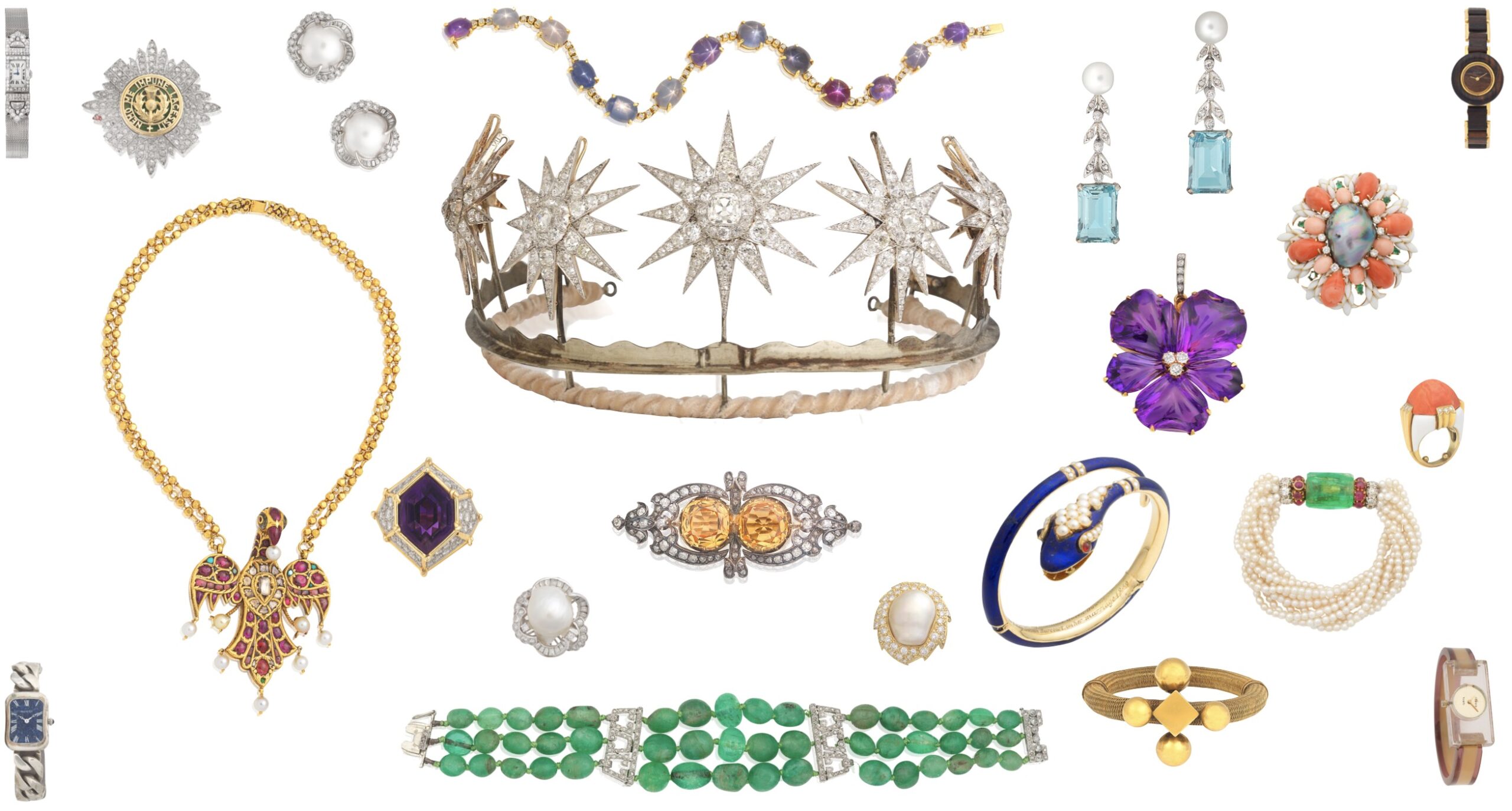
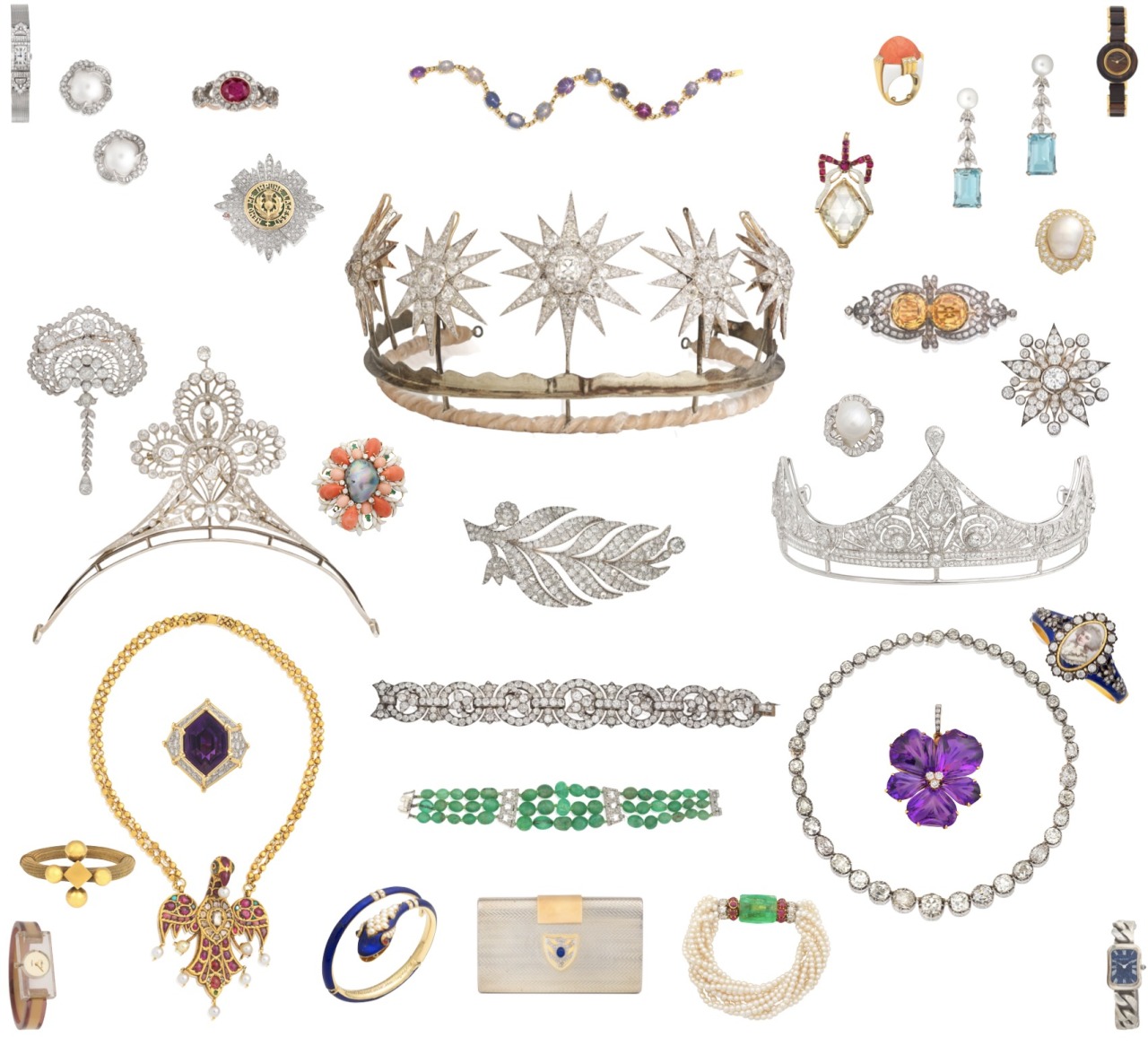
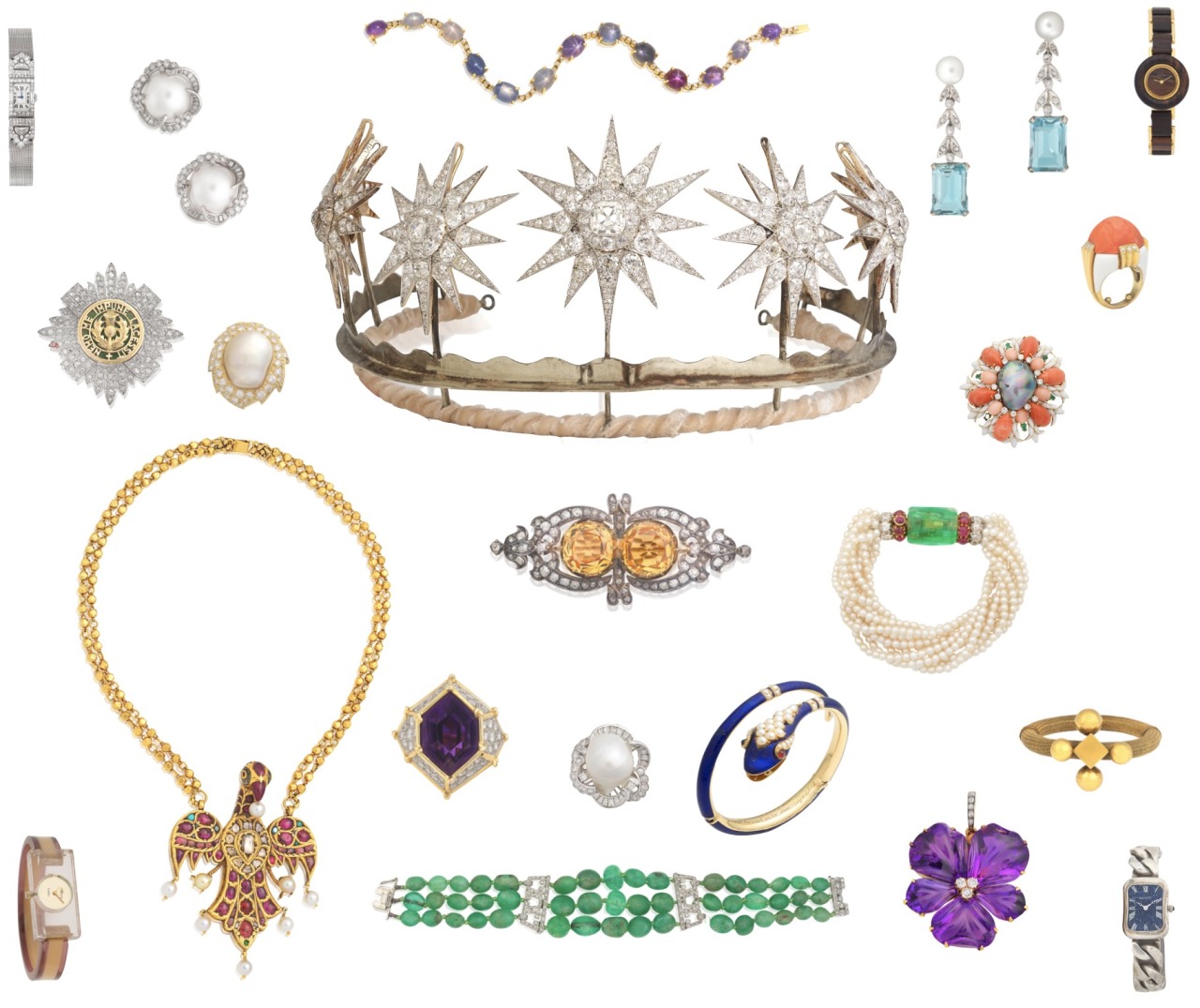
Lady Glenconner’s Diamond Star Tiara/Coronet/Brooch
Estimate: £50,000 – £80,000
The Collection of Lady Anne Glenconner
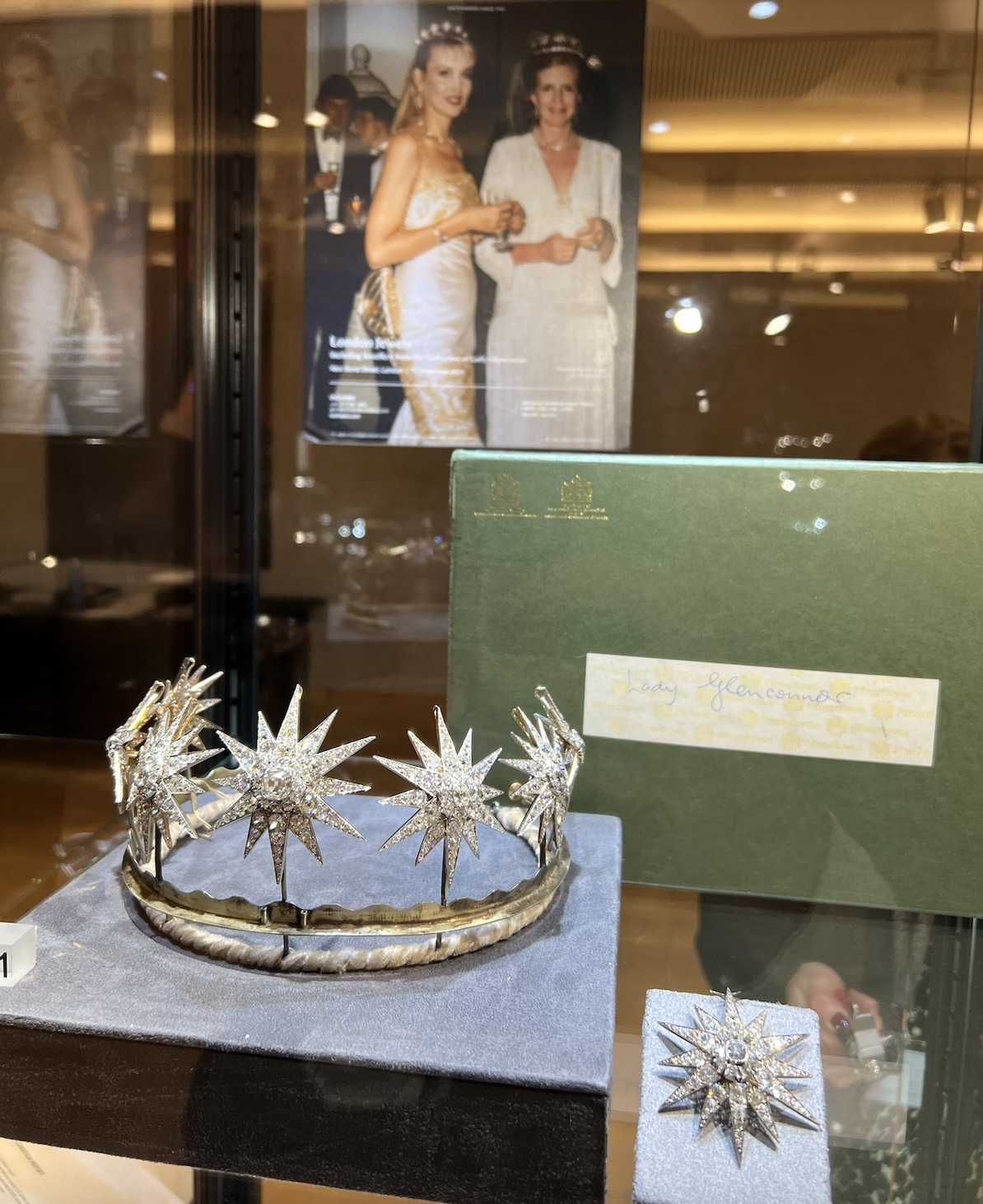
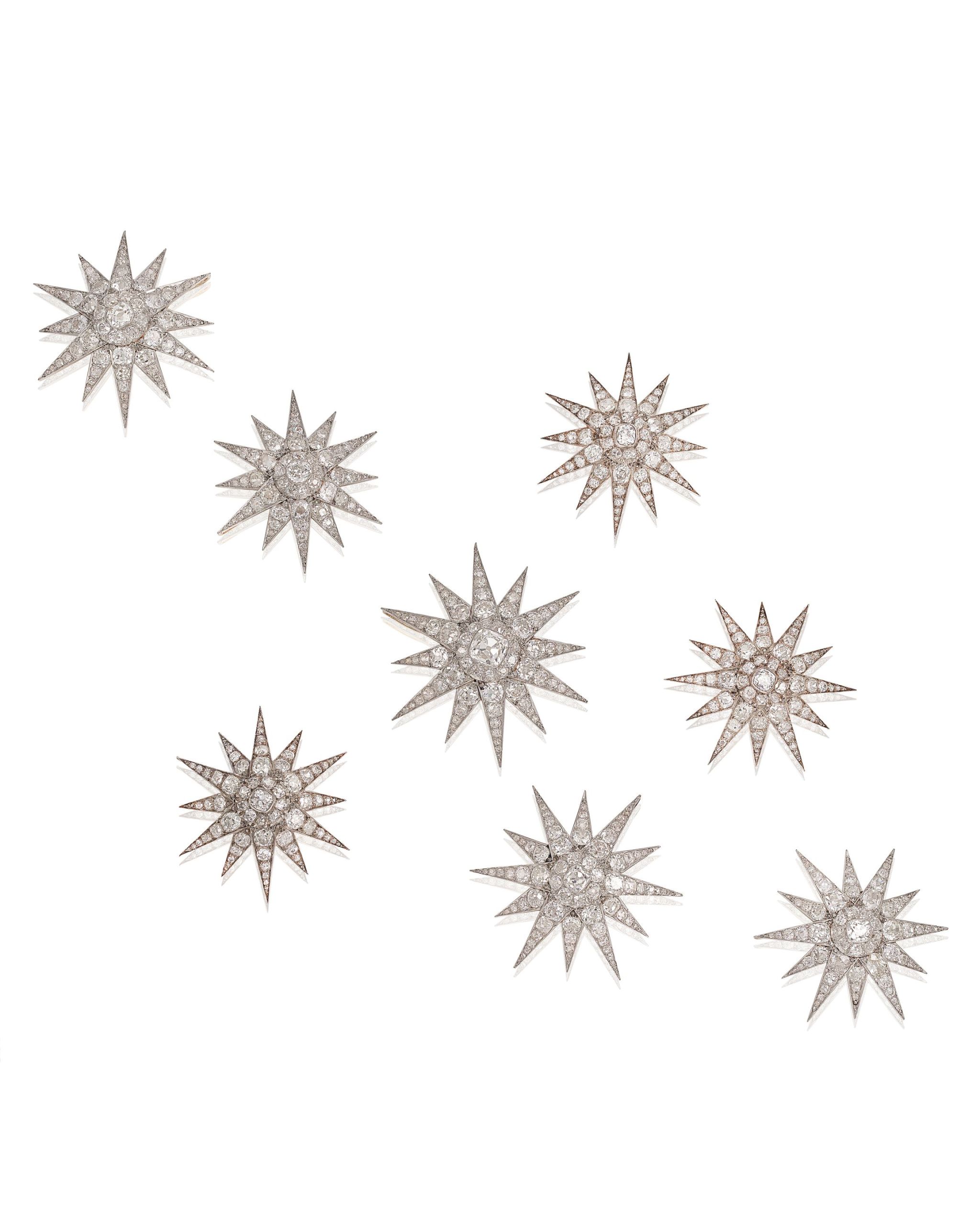
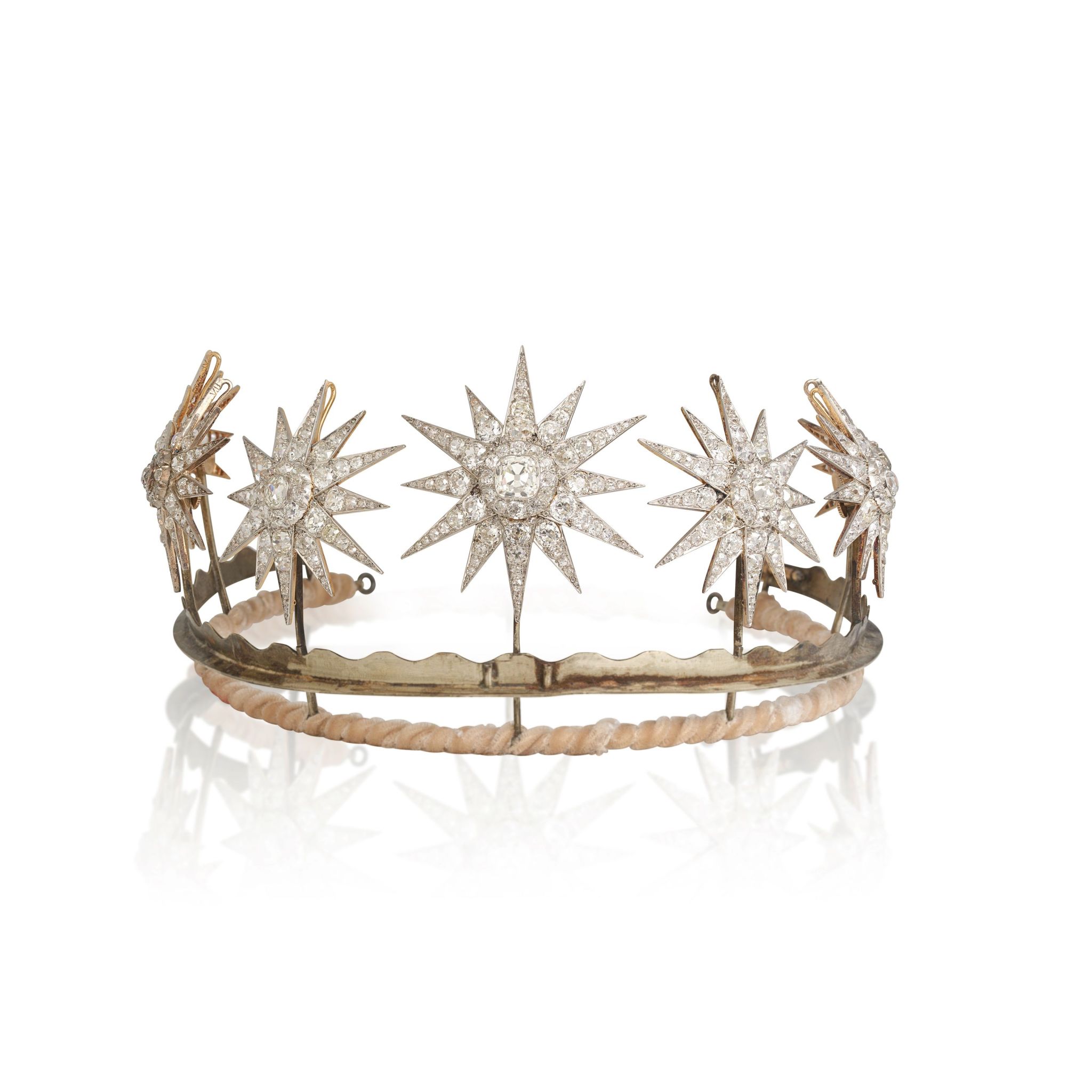
Lady Glenconner’s Diamond Star Tiara/Coronet/Brooch Combination, circa 1880 and later, comprising eight stars when worn as a coronet and seven stars when worn as a tiara, graduating in size towards the centre, each set throughout with old brilliant, old single, rose and cushion-cut diamonds, mounted in silver and gold, seven detachable brooch fittings, two boxes for tiara and coronet frames, stars and brooch fittings both by Collingwood, 46 Conduit Street, London, W1.

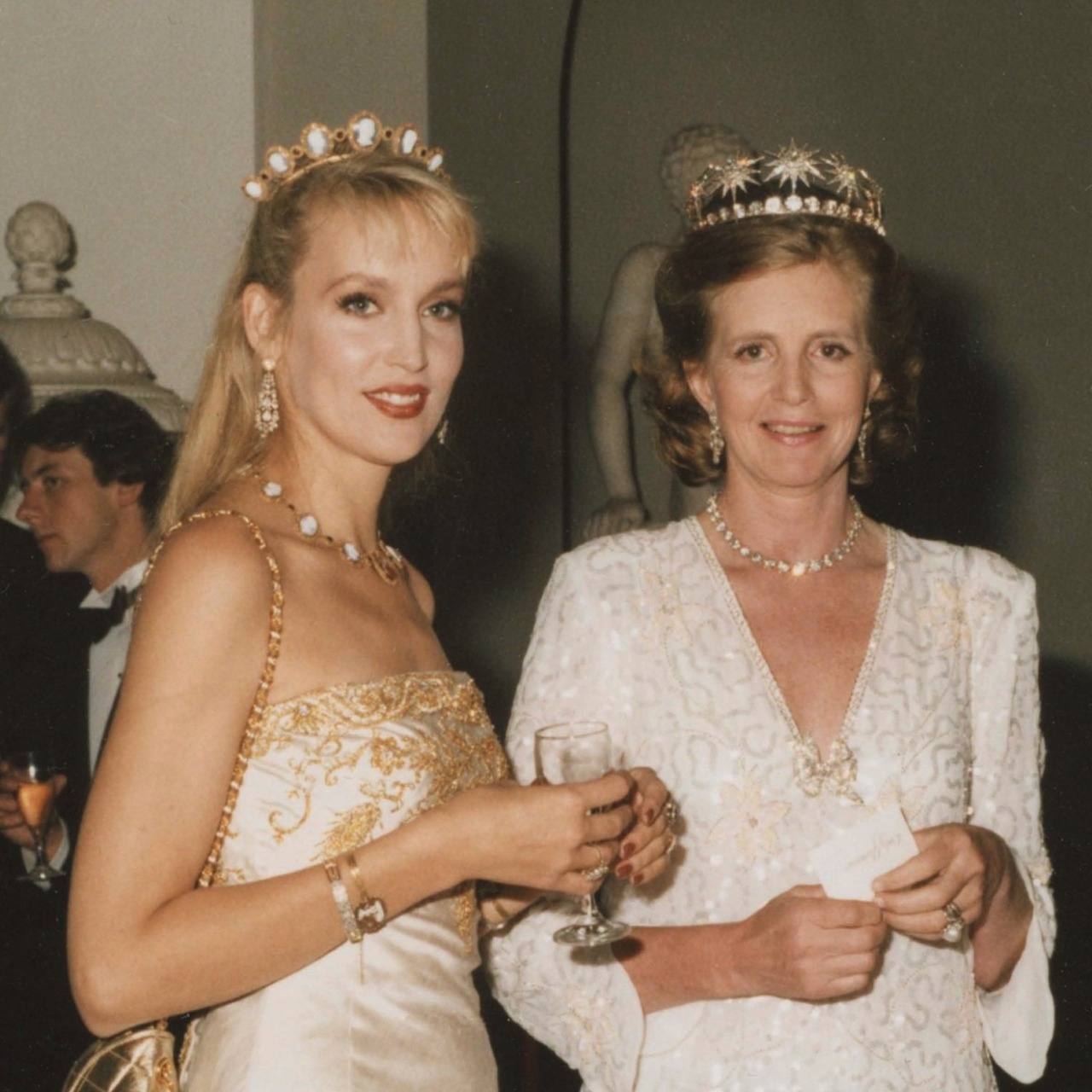
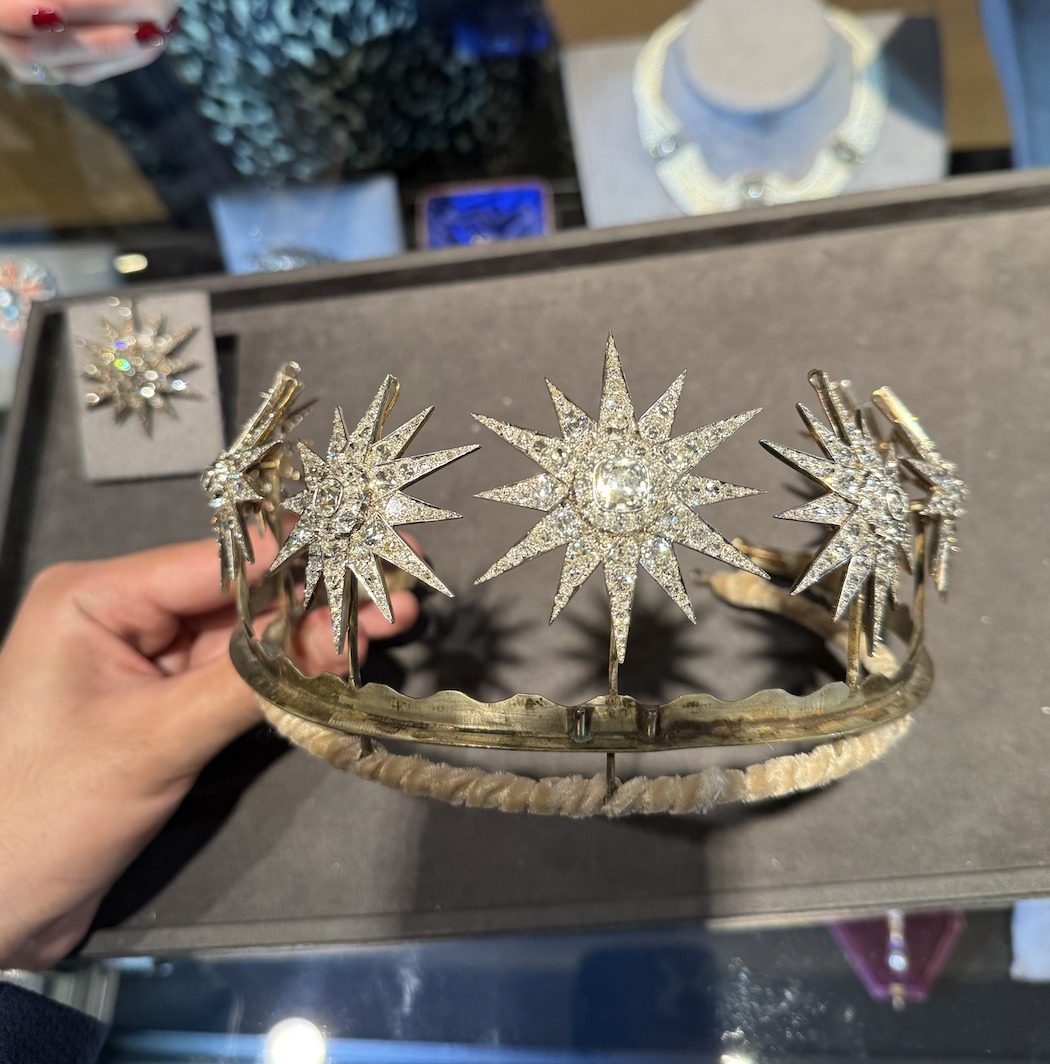
Learning how to manage a tiara was rather fun. Colin bought me a wonderful one, designed with twelve large diamond stars that could also be worn separately as brooches. Once we had a ball and I wore the stars down my bodice like jewelled buttons. May wore the tiara on her wedding day to Anton and it looked simply stunning on her.”
Diamond Rivière
Estimate: £70,000 – £100,000
Formerly belonged to the Countess of Carnwath
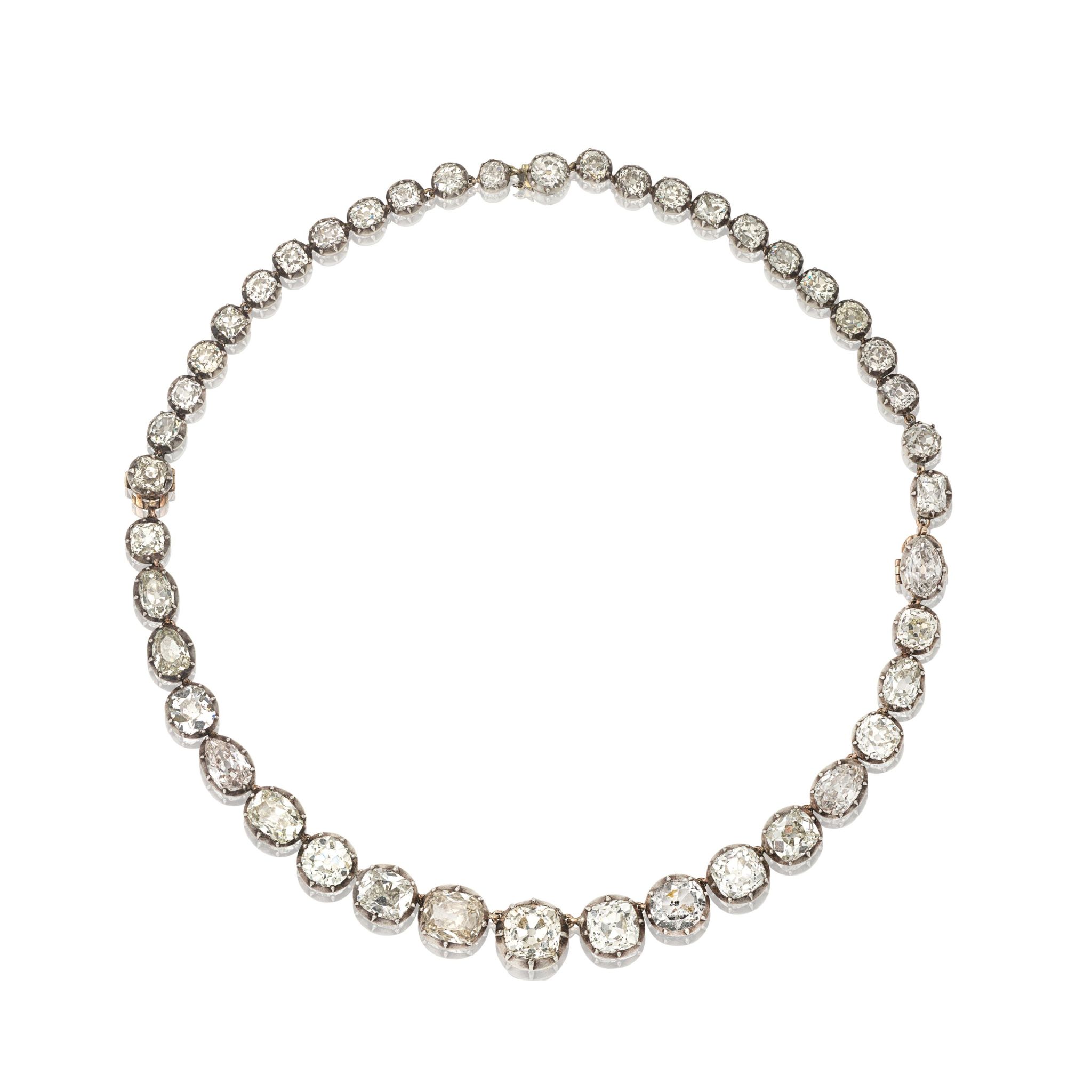
A Diamond Rivière set with old cushion-shaped, pear and brilliant-cut diamonds, graduating in size towards the centre and converting to a pair of bracelets.
Provenance:
Mary Catherine Henrietta Baker née Sulivan (1820-1871);
Her sister, Elizabeth Mary Hippisley née Sulivan (1821-1886);
Her daughter, Emily Sulivan Hippisley, Countess of Carnwath (1853-1889);
Thence by descent
In her Will of 7th February 1887, Emily Sulivan Hippisley, Countess of Carnwath contemplated the possibility of her two sons dying without male heirs, as they did in 1904 and 1931 respectively. In her Will, the Countess of Carnwath stated, “all these diamonds I inherited from my aunt, Mary Baker”. Mary Baker née Sulivan had, by her Will, left unspecified diamonds to her younger sister, Elizabeth Mary Hippisley née Sulivan (1821-1886) for life, and then “to my niece…Emily…”.
Mary Catherine Henrietta Sulivan and her sister, Elizabeth Mary Sulivan, were two daughters of Laurence Sulivan PC (1783-1866) and his wife, Elizabeth Temple (1790-1837). Laurence Sulivan was a British statesman and philanthropist who served as Deputy Secretary at War. He was the grandson of the Anglo-Irish politician and Chairman of the East India Company, Laurence Sulivan MP (1713-1786). Elizabeth Temple was the sister of Henry Temple, 3rd Viscount Palmerston (1784-1865) who served as Prime Minister of the United Kingdom from 1855-1858 and again from 1859 until his death in 1865.
Mary Catherine Henrietta Sulivan is recorded as having been baptised at St George’s church in Hanover Square, London on 10th April 1820. On 7th July 1865, The Times reported that she and Reverend Robert George Baker, Vicar of Fulham and Prebendary of St Paul’s Cathedral, were married in the presence of Lord Palmerston and their friends at All Saints Church. The ceremony was performed by the Bishop of London. The couple lived at the Vicarage on Bridge Street, Fulham. Mary died at Ivy Cottage, Parson’s Green in 1871, leaving an Estate valued at £60,000.
Her niece, Emily Sulivan Hippisley was one of five children born to Henry Hippisley (1808–1896) and Elizabeth Mary Sulivan (1821-1886). She married Robert Harris Dalzell, 11th Earl of Carnwath on 19th August 1873 at St. George’s Church in Hanover Square, London. Robert was a Scottish nobleman and soldier who served as a Lieutenant Colonel in the 1st Battalion of the Queen’s Own Cameron Highlanders and he later served as a Representative Peer from 1892-1910. The couple had four children. Emily died aged just 36 at Carnwath House in Fulham.
Nancy Astor’s Diamond Bracelet
Estimate: £25,000 – £35,000
From the Collection of Nancy Astor, Viscountess Astor
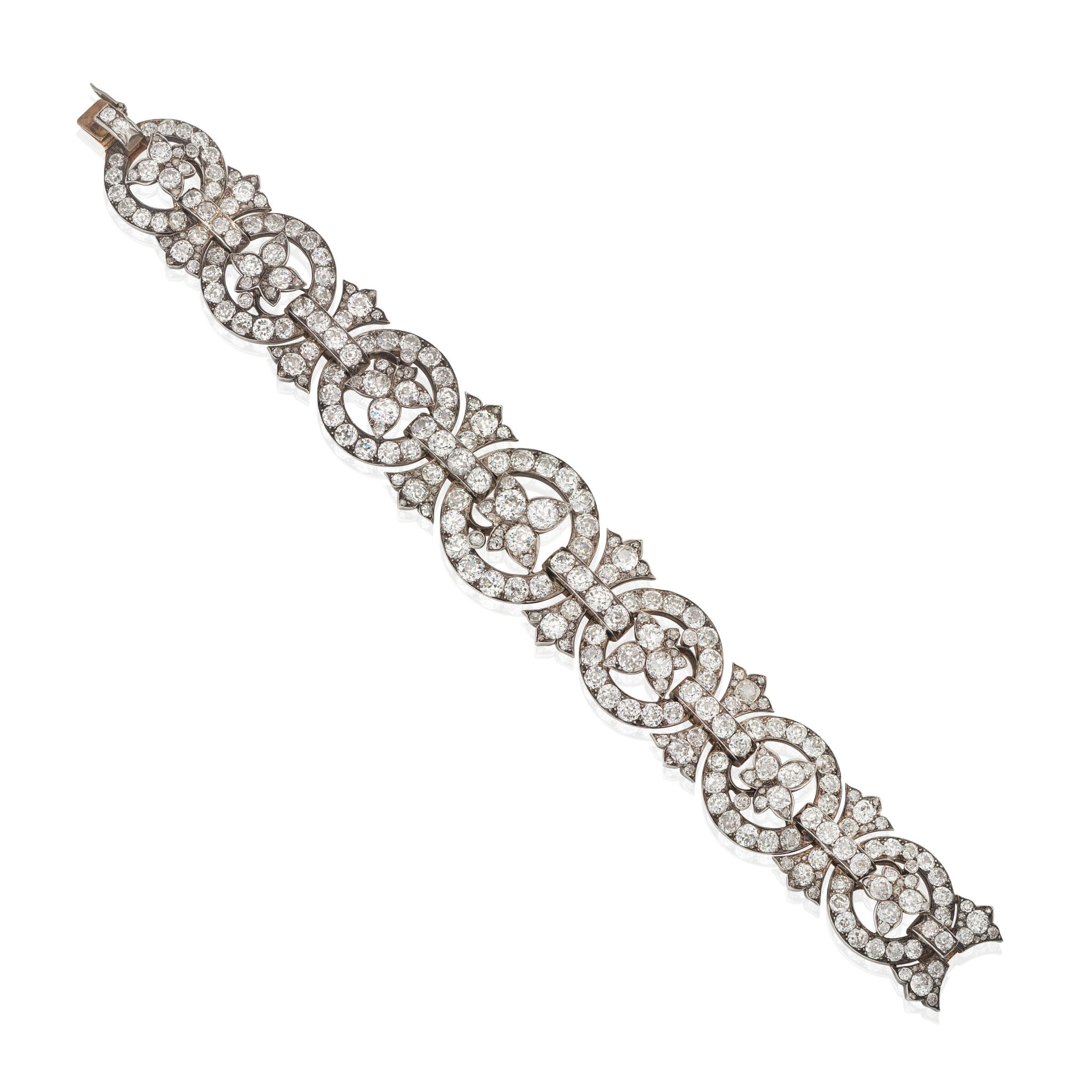
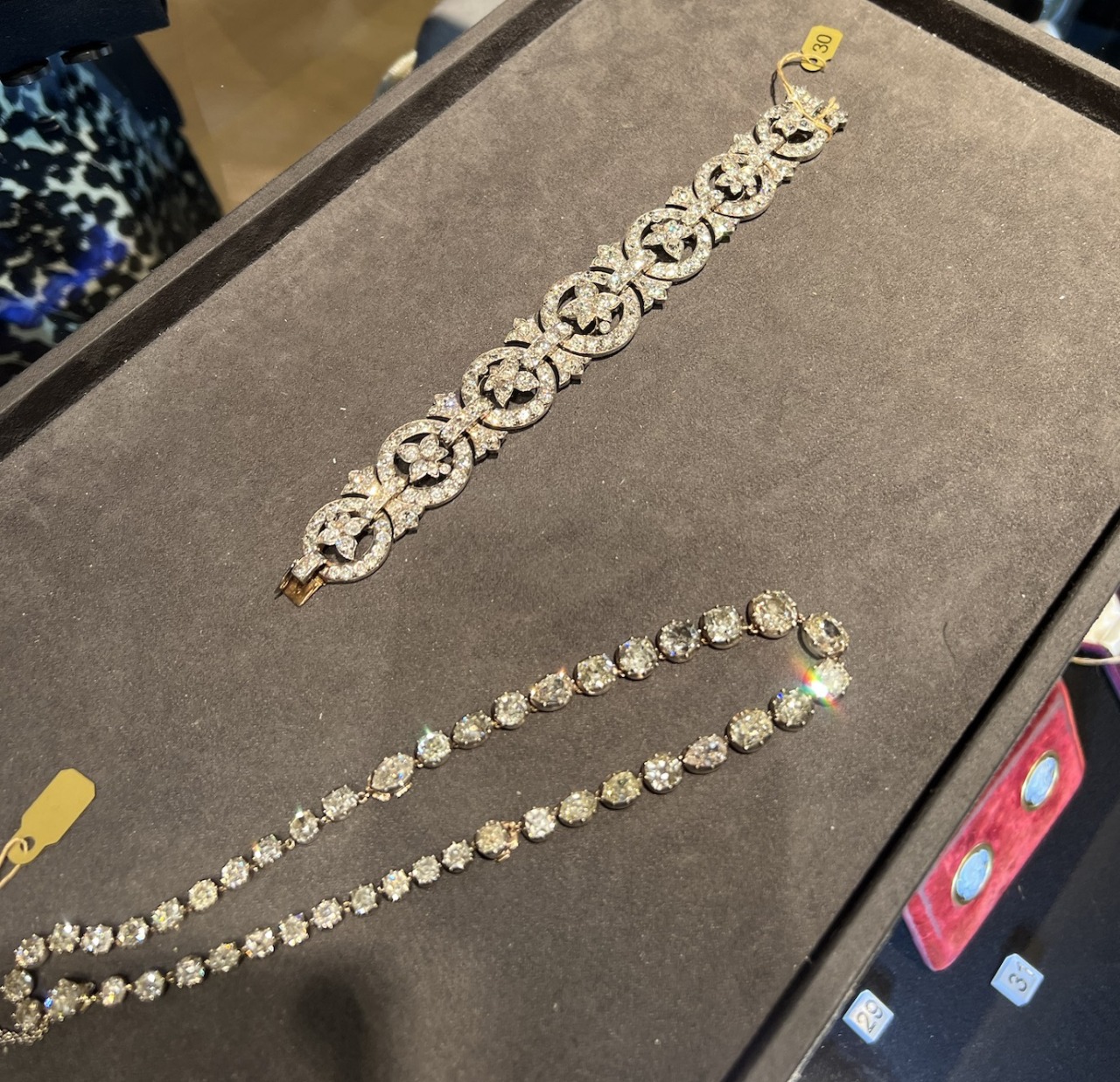
Nancy Astor’s Diamond Bracelet, circa 1870, the circlets graduating in size towards the centre, each issuing an ivy leaf via a knifewire stem, between trefoil spacers, set throughout with old brilliant and rose-cut diamonds, mounted in silver and gold. This follows the sale of Lady Astor’s Cartier Turquoise Tiara earlier this year.
Provenance:
From the Collection of Nancy Astor, Viscountess Astor (1879-1964);
Thence by direct descent to the present owner
The Astors held weekend parties and Nancy became renowned as a prominent hostess for Britain’s social elite. Famous authors, MPs, society figures, Waldorf’s friends from Oxford and members of the Royal family were all welcomed at Cliveden. Increasingly over time, Cliveden became a popular weekend retreat for MPs and reformers to gather and discuss their ideas. Cliveden was later home to the Canadian Red Cross and served as a hospital during the First and Second World Wars.
While Nancy Astor became renowned for the lavish garden and dinner parties she hosted at Cliveden, she was also very generous with her time and politically aware. She campaigned for a number of social causes, notably women’s suffrage. In February 1918, the Representation of the People Act was finally extended to allow women over the age of 30 the right to vote if they or their husband owned property. That same year, women were allowed to sit in the House of Commons for the first time. The following year, in 1919, William Waldorf, the first Viscount, died. He had accepted a peerage in the New Year’s Honours List of 1916. Waldorf now found himself having to take his father’s place in the House of Lords and the Conservatives found themselves needing to elect his replacement as MP for Plymouth Sutton. After some debate over her suitability, Nancy was formally adopted as their candidate. Her anecdotes, or ‘Astorisms’ as they became known, greatly amused people and Nancy was able to stand her ground when heckled.
Against the turbulence of the First World War and the resulting change sweeping across Britain that would significantly impact the roles and status of women, Nancy Astor made history as the first woman to ever take her seat in Parliament. She was officially introduced to Parliament on 1st December 1919 and steadfastly represented the Plymouth constituency of Sutton for the next 25 years. Supported by Waldorf and their close friends, Nancy Astor blazed a trail as a female pioneer in British government. Although seen by many as a watershed moment for women’s emancipation, Nancy Astor’s election was not welcomed by everyone. Some of her fellow MPs regularly ignored or insulted her and even made it difficult for her to access her seat in the House of Commons. Undeterred, hard-working and full of resilience and character, Nancy Astor understood the significance of her position as a woman in government and she did not squander the opportunity or take it for granted.
Diamond, Ruby and Enamel Pendant
Estimate: £25,000 – £35,000
Previously in the Spencer Family
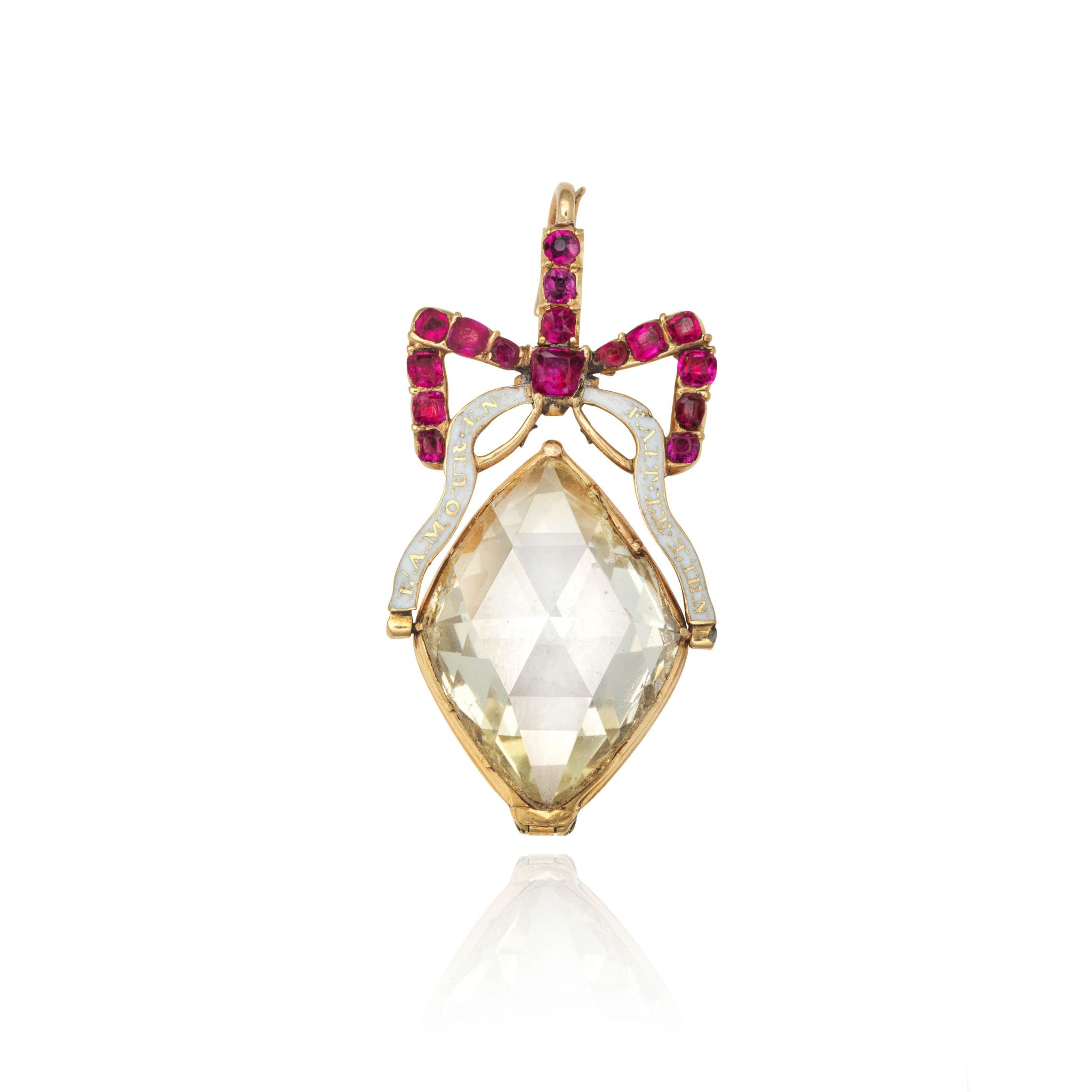
The 17th century lozenge-shaped rose-cut diamond, in the 18th century pierced ribbon swivel locket with a pierced ribbon cresting, set with cushion-shaped rubies, terminating with white enamel ribbon tails inscribed, L’AMOUR EN FAIT LE LIEN (“love is the link”), the reverse decorated with white enamel and the cypher of William III (1650–1702) and Mary II (1662-1694)
Provenance:
Edward Charles Baring, 1st Baron Revelstoke (1828–1897);
Given to his daughter, the Hon. Margaret Baring (1868-1906), wife of Charles Robert Spencer, 6th Earl Spencer (1857–1922), on the occasion of her 21st birthday on 14th December 1889;
Christie’s, London, The Spencer House Sale, 8th July 2010, lot 1076;
Property of a Gentleman (acquired in the above sale)
The monarchical tradition of presenting a Royal cypher jewel to a subject in recognition of their unwavering loyalty or outstanding service is rooted in antiquity. By the time of the English Civil War and following the execution of Charles I in 1649, commemorative jewellery featuring Royal cyphers, both with and without the King’s image, were produced in vast numbers. These jewels were worn by Royalists in support of the Crown. Some were presented by the exiled Queen Henrietta Maria to Royalist supporters in appreciation of their continued loyalty and financial backing. Others were concealed beneath covers to enable supporters of the Royalist cause to keep their allegiance secret for their own protection. The tradition for jewels incorporating Royal cyphers remained popular throughout the Stuart dynasty and particularly during times of political and religious uncertainty, national mourning and even celebration, such as the Restoration of the Stuart monarchy in 1660, when these jewels could be worn more openly. They demonstrate allegiance, social status and personal identity.
Diamond Set Floral Brooch/Pendant/Hair Ornament
Estimate: £10,000 – £15,000
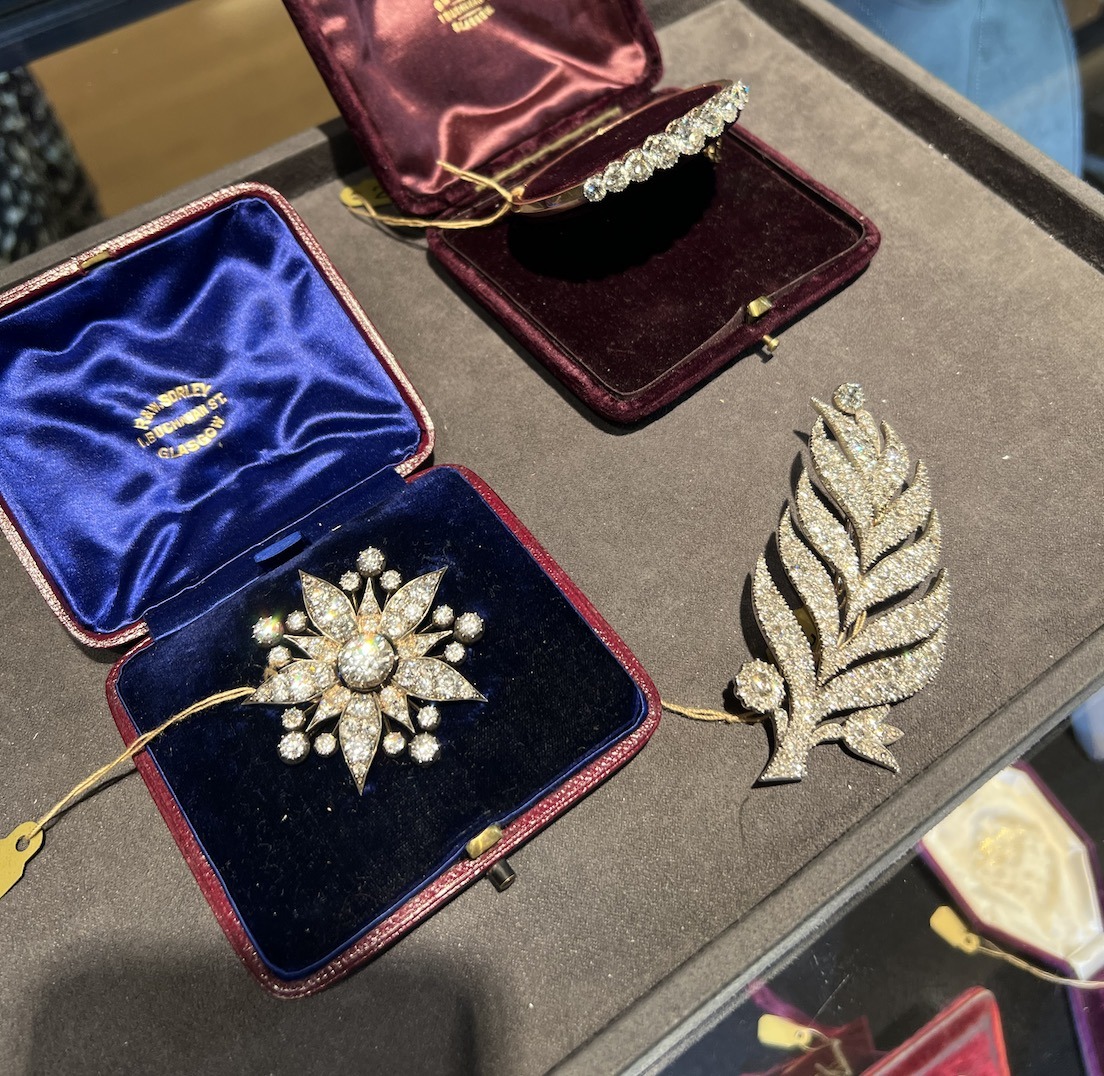
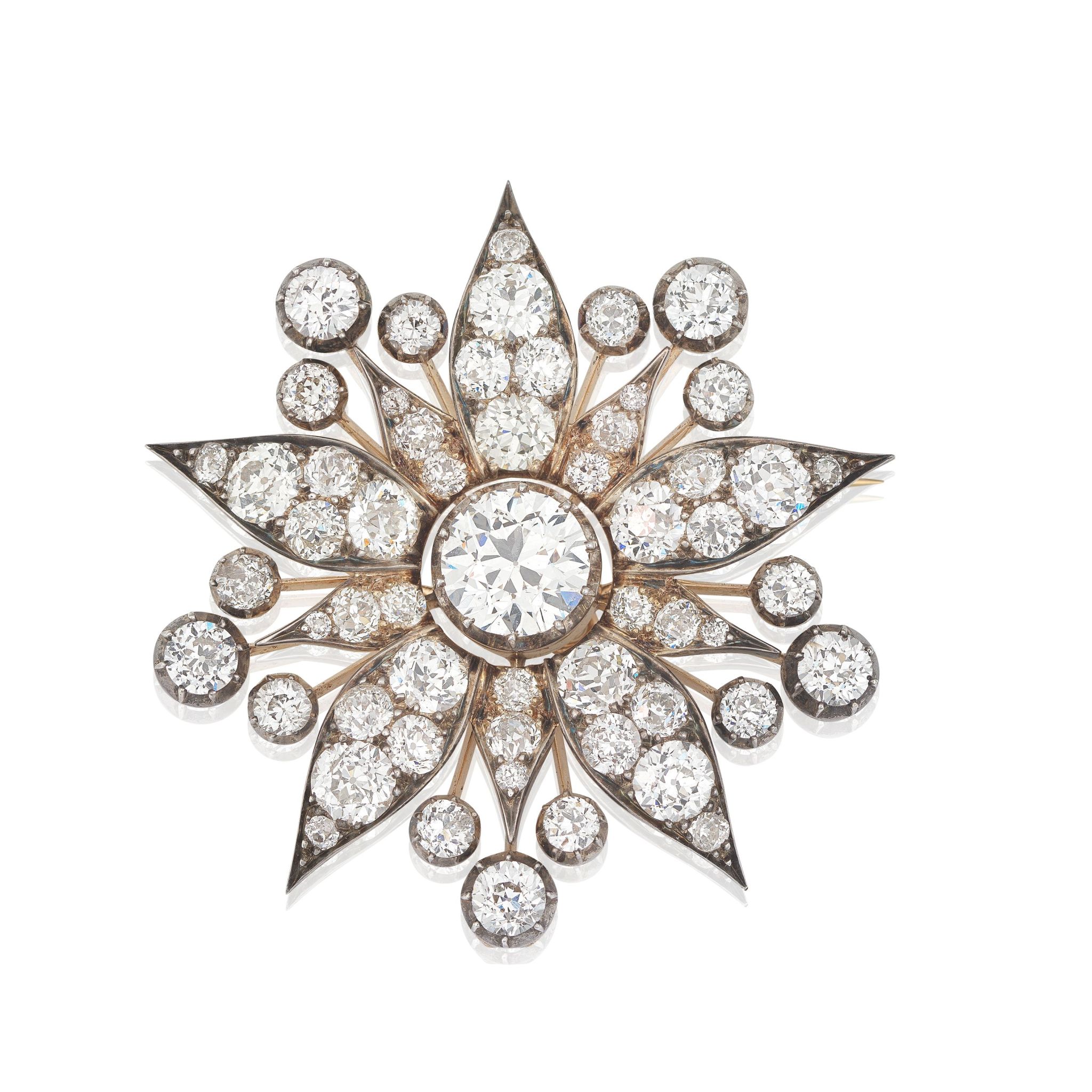
A Diamond Set Floral Brooch/Pendant/Hair Ornament, the flowerhead with a central old brilliant-cut diamond, the petals pavé-set with similarly-cut diamonds, issuing further old brilliant-cut diamonds via radiating knifewire stems, mounted in silver and gold, detachable en tremblant brooch fitting and hair pin fitting, length 4.5cm, fitted case by R&W Sorley, 1 Buchanan St, Glasgow.
Robert and William Sorley were a renowned Glasgow jewellery and silversmith’s firm. Established in 1840, the company made fine jewellery, silver and watches for many of the city’s nobility, aristocracy and leading residents, as well as producing items for private and civic commissions. The firm made multiple items presented to her Majesty the Queen during official visits to the city. R&W Sorley was one of the largest and most influential high-class jewellery establishments and the quality of their work is shown in the lots 28 and 29.
Belle Époque Diamond Brooch/Pendant
Estimate: £7,000 – £10,000
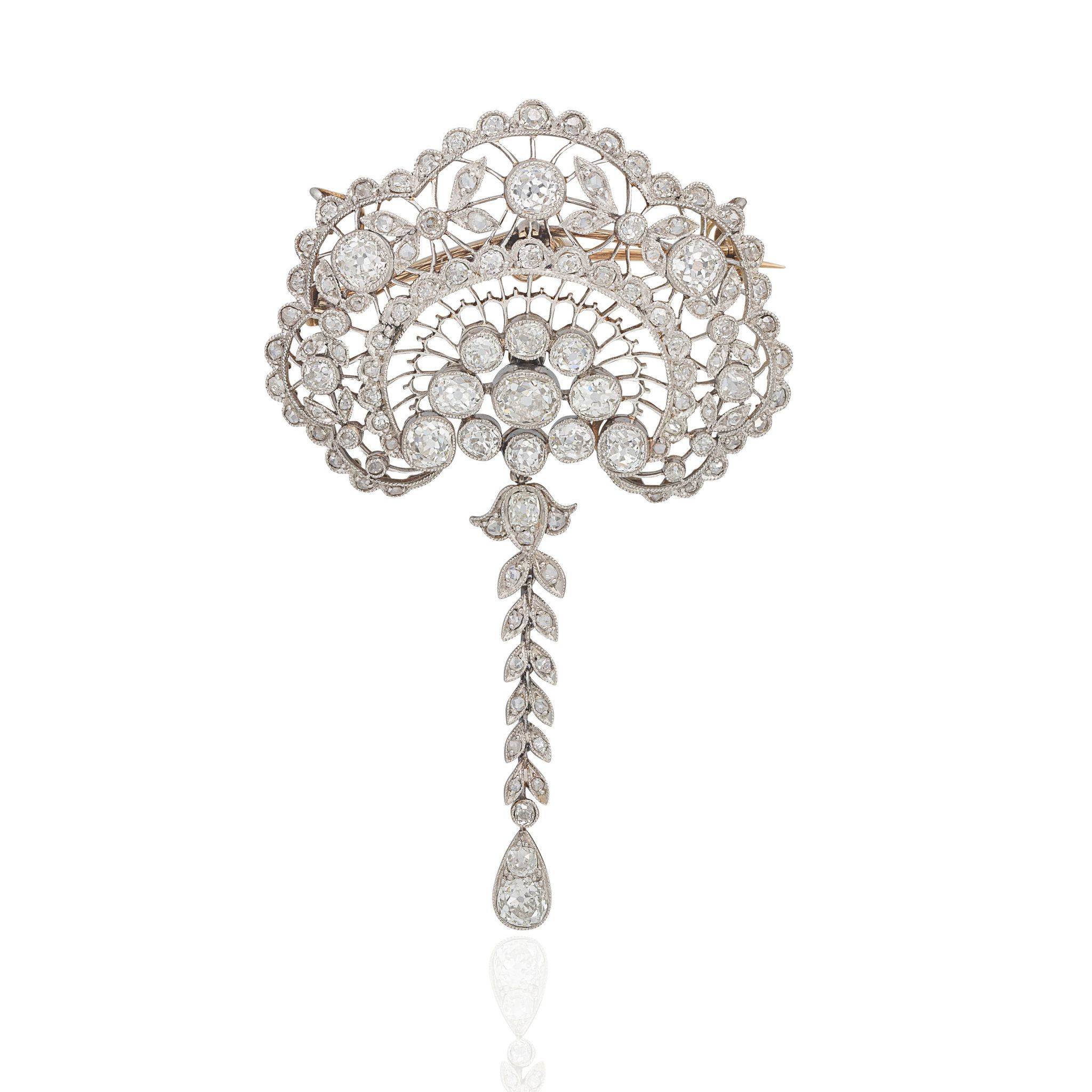
A Belle Époque Diamond Brooch/Pendant, the pierced openwork plaque set with old brilliant and rose-cut diamonds, with scalloped and foliate motifs throughout, issuing a pear-shaped drop suspended from a tapered line of foliate links.
Belle Époque Diamond Brooch/Pendant/Tiara
Estimate: £8,000 – £12,000
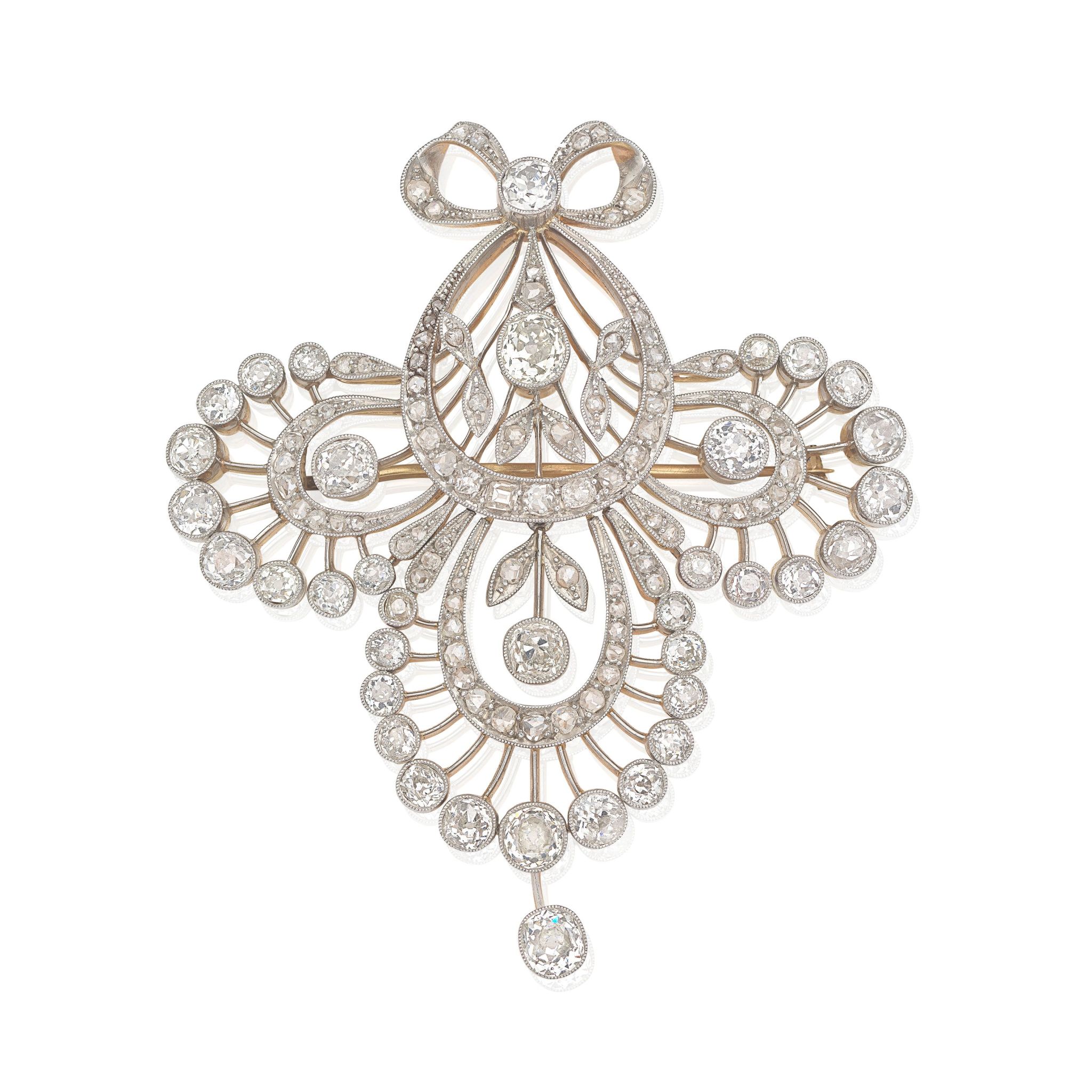
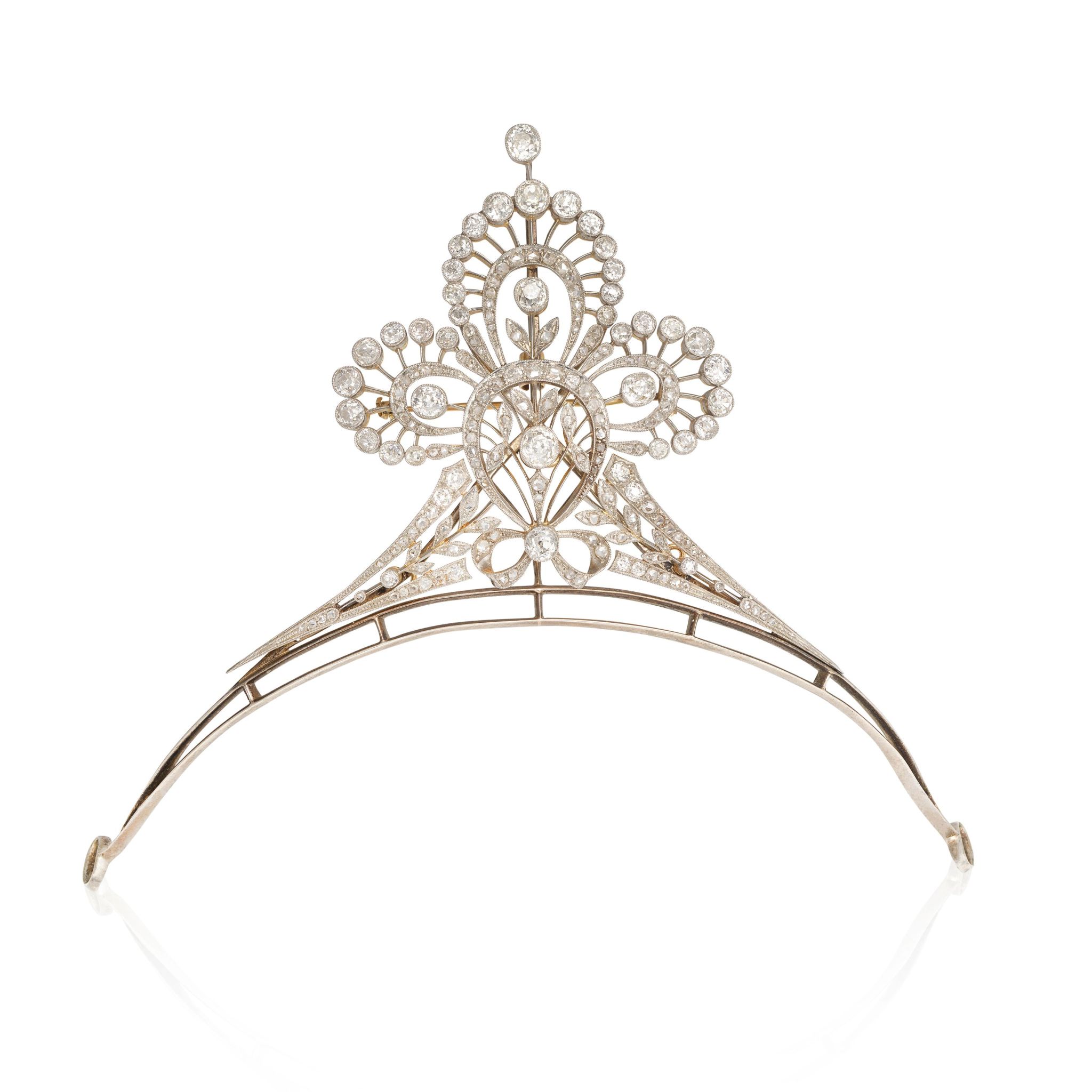
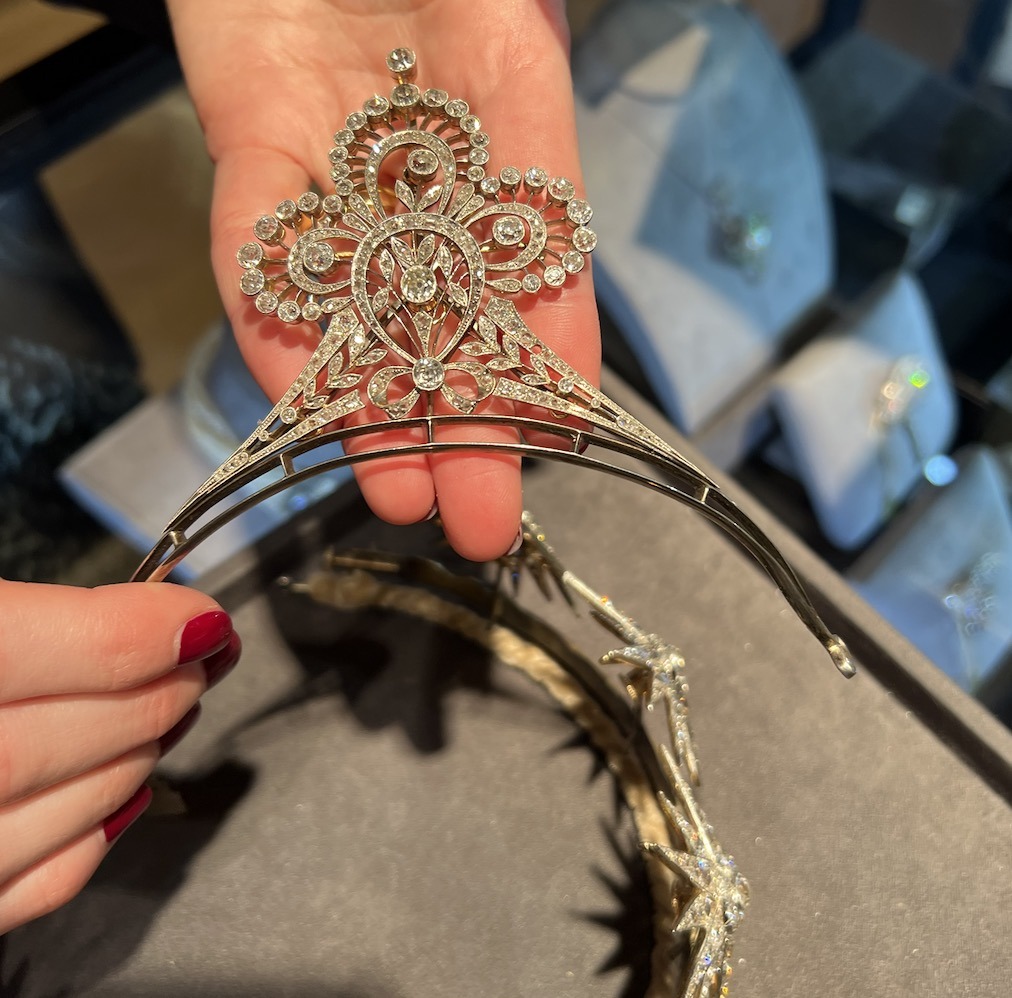
A Belle Époque Diamond Brooch/Pendant/Tiara Combination, the openwork scalloped cartouche of foliate and ribbon design, set throughout with old brilliant and rose-cut diamonds, mounted in platinum and gold, one diamond deficient, detachable brooch and tiara fittings.
Diamond Tiara
Estimate: £15,000 – £25,000
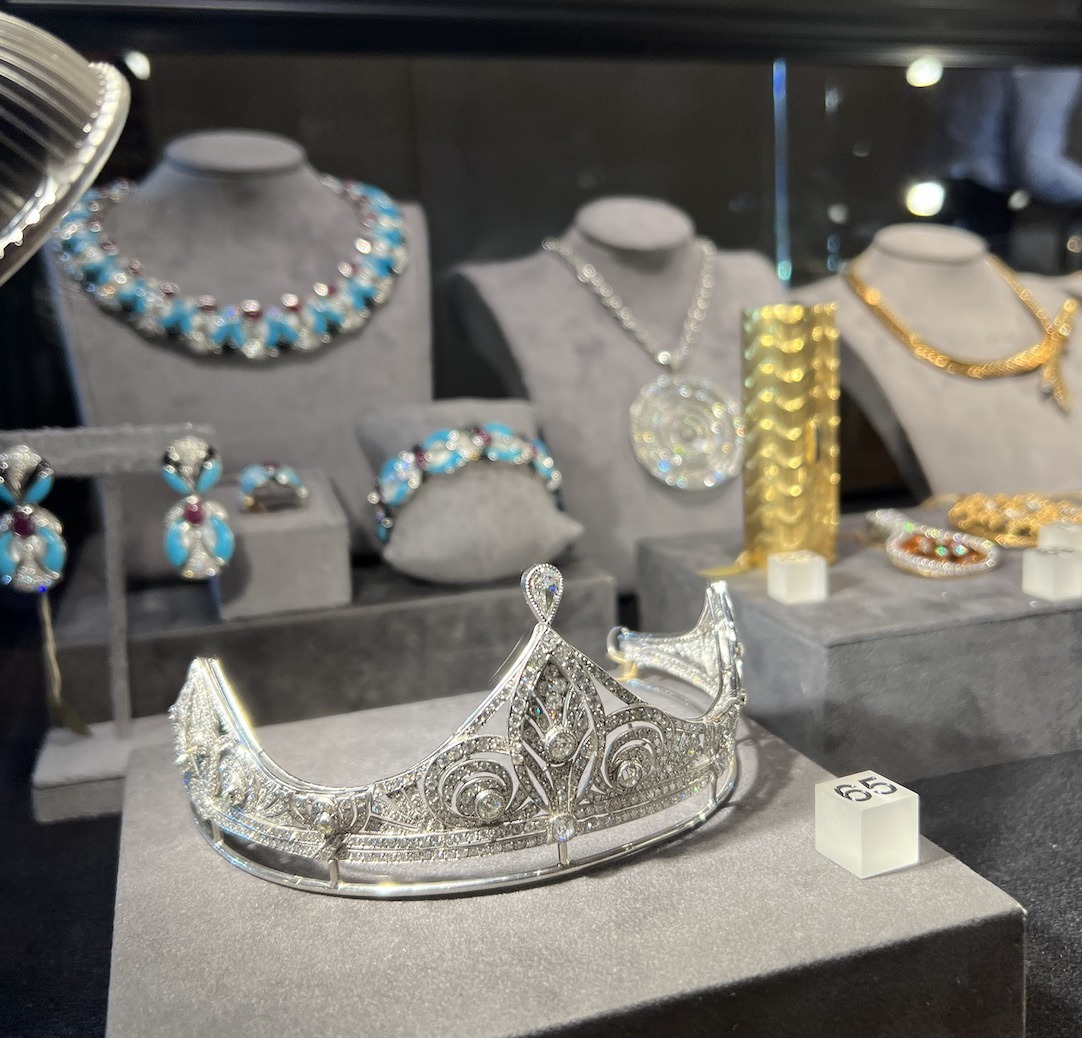
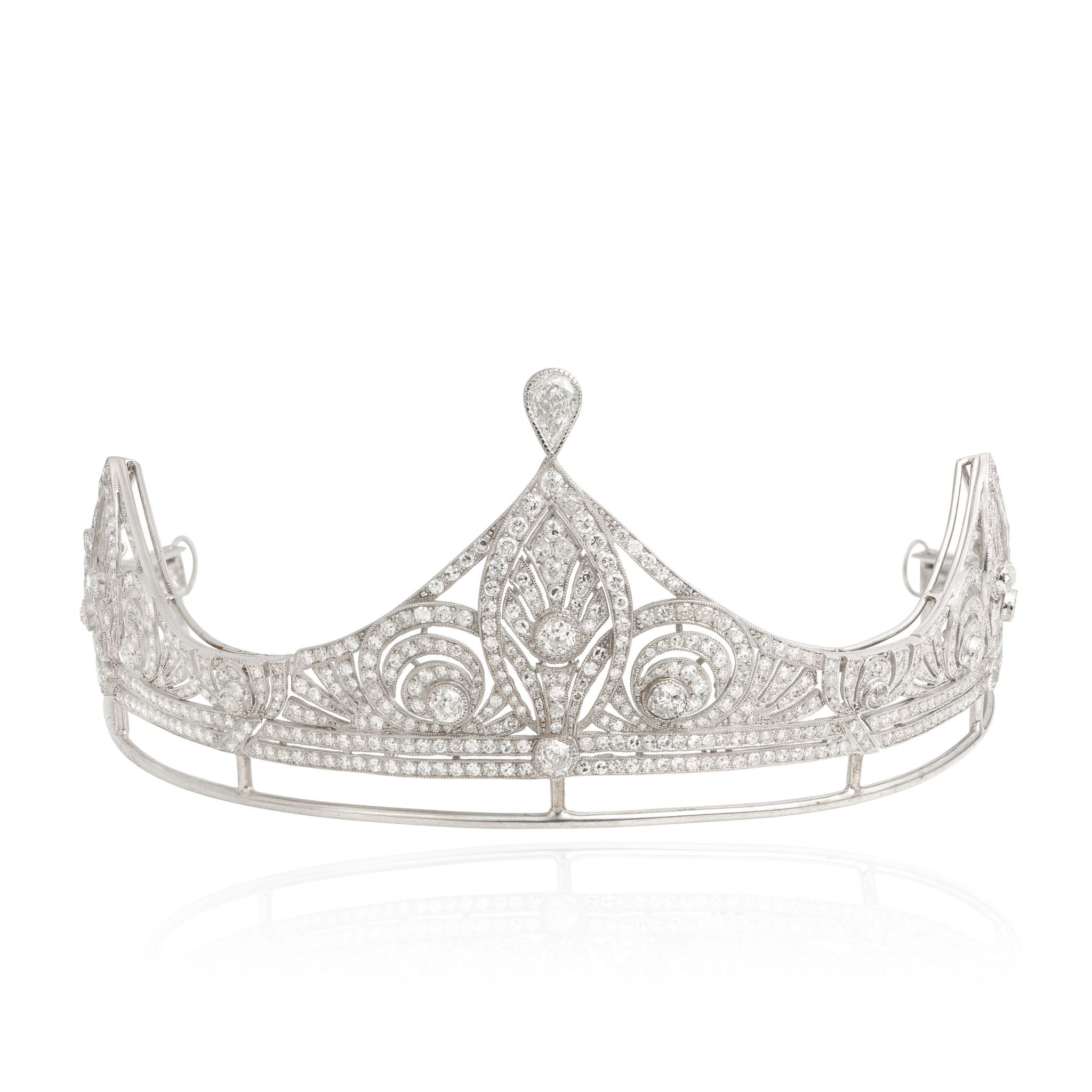
A Diamond Tiara, of undulating V-shaped form, with pierced and openwork palmette and scroll motifs, millegrain-set throughout with brilliant, old brilliant and single-cut diamonds, accented by larger cushion-shaped and old brilliant-cut diamonds and a central old pear-cut diamond finial.
Diamond Brooch
Estimate: £6,000 – £8,000
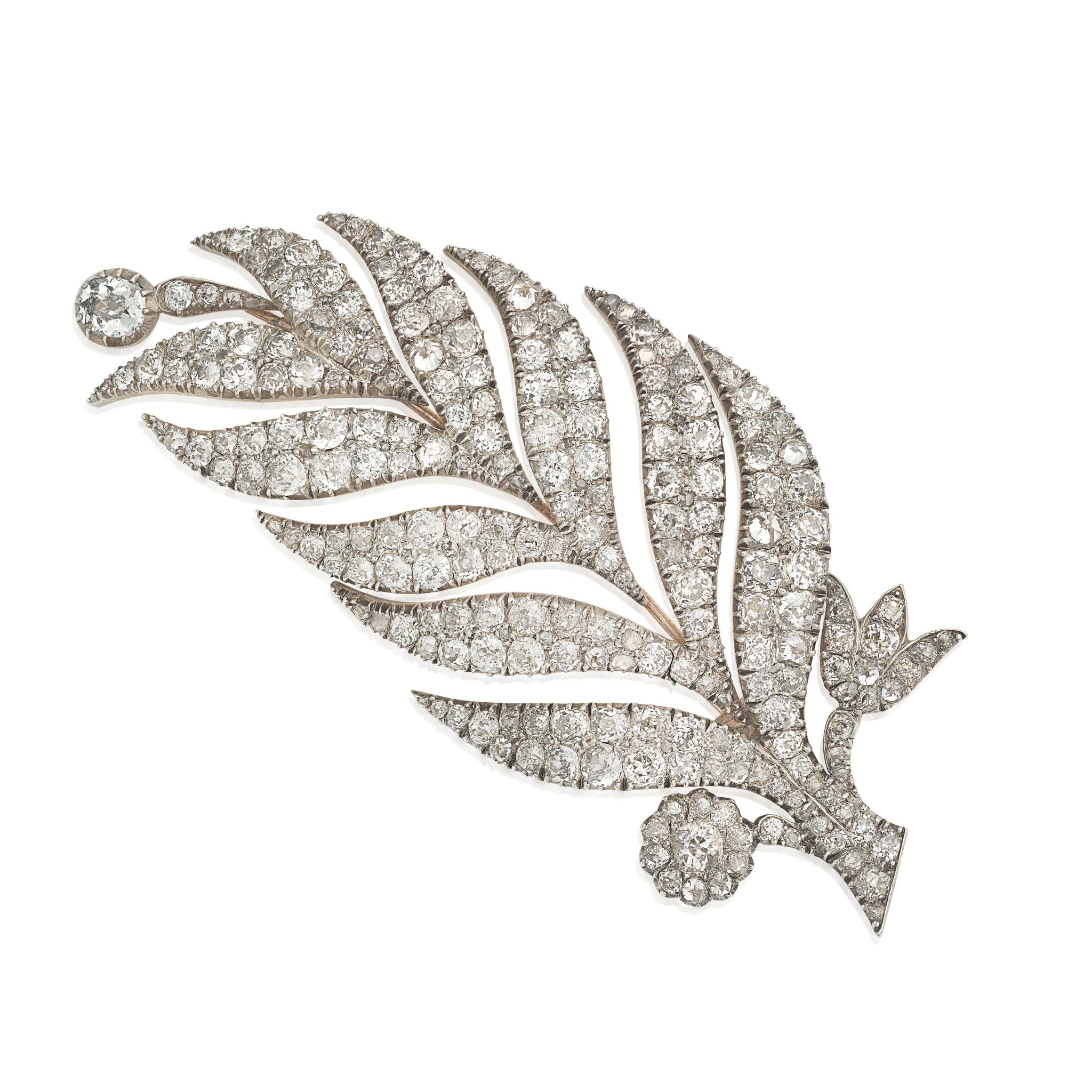
A Diamond Brooch of leaf design, pavé-set throughout with old cushion, old brilliant, and rose-cut diamonds, mounted in silver and gold close-back setting throughout.
Enamel and Seed Pearl Serpent Bracelet, circa 1840
Estimate: £3,000 – £5,000
The Collection of Lady Anne Glenconner
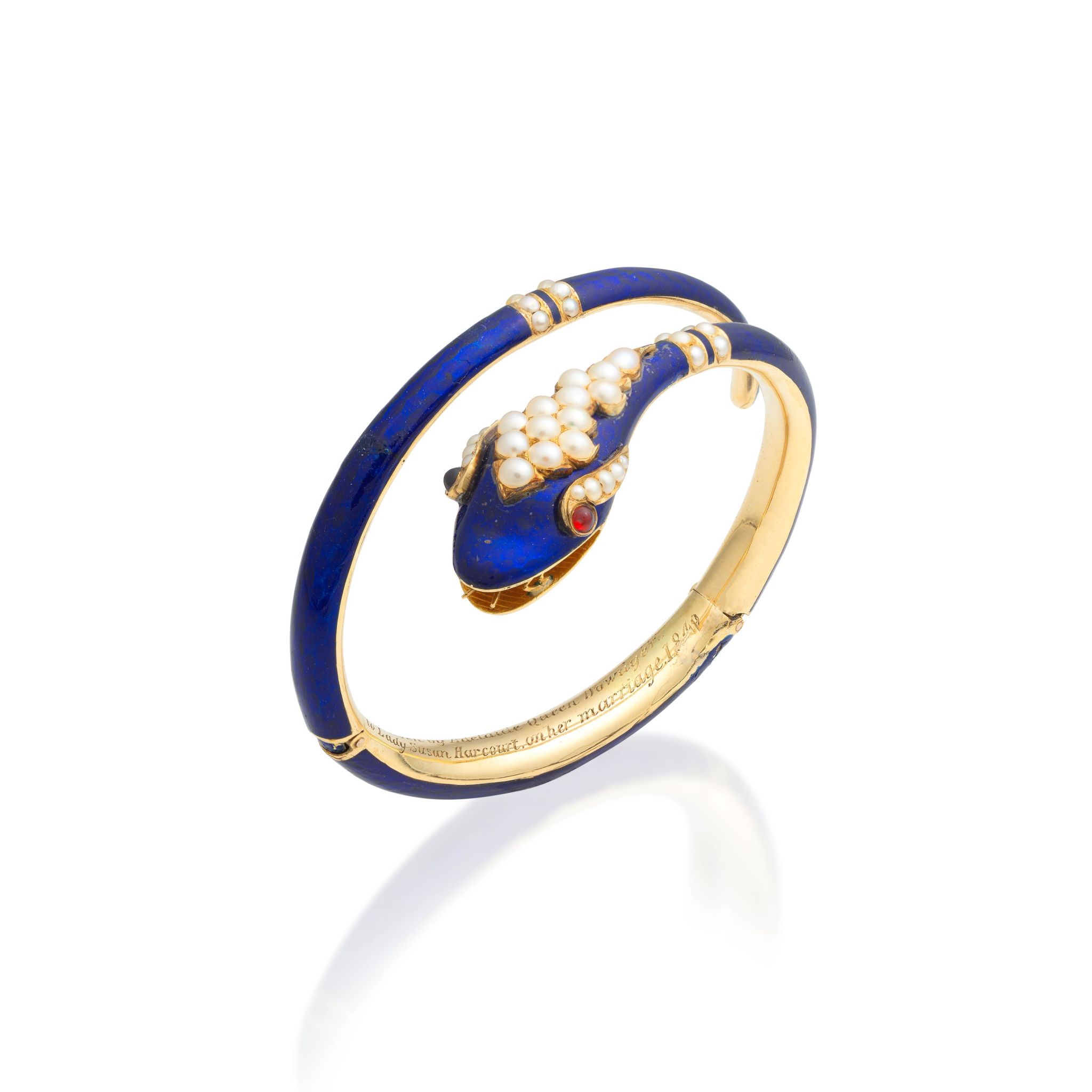
An Enamel and Seed Pearl Serpent Bracelet, circa 1840, the coiled serpent composed of hinged links, decorated with cobalt blue enamel and seed pearls, the eyes set with circular cabochon garnets, inscribed, ‘Given by Adelaide Queen Dowager to Lady Susan Harcourt on her marriage 1849’.
Lady Susan Harcourt (1829-1894), a gift from Queen Adelaide (1792-1849);
Edith Finch-Hatton, Countess of Winchelsea and Nottingham (1855-1944);
Lady Muriel Paget (1876-1938);
Pamela Winifred Tennant, Baroness Glenconner (1903-1989);
Colin Tennant, 3rd Baron Glenconner (1926-2010);
Anne Tennant, Baroness Glenconner (1932-present);
Lady Susan Harcourt (née Holroyd) was the daughter of George Holroyd, 2nd Earl of Sheffield and Lady Harriet Lascelles. Lady Harriet was an English courtier and Lady of the Bedchamber to Queen Adelaide, consort of William IV (1765-1837). Lady Susan was married to the naturalist and Conservative politician, Edward William Vernon Harcourt (1825-1891) in 1849. The bracelet passed from Lady Susan, to her daughter, Edith, Countess of Winchelsea and Nottingham. From Edith, the bracelet was passed to her daughter Lady Muriel Paget (née Finch-Hatton), and then to her daughter Lady Pamela Paget. Lady Pamela gifted the bracelet to her son Colin Tennant, The Lord Glenconner, thence to Lady Glenconner.
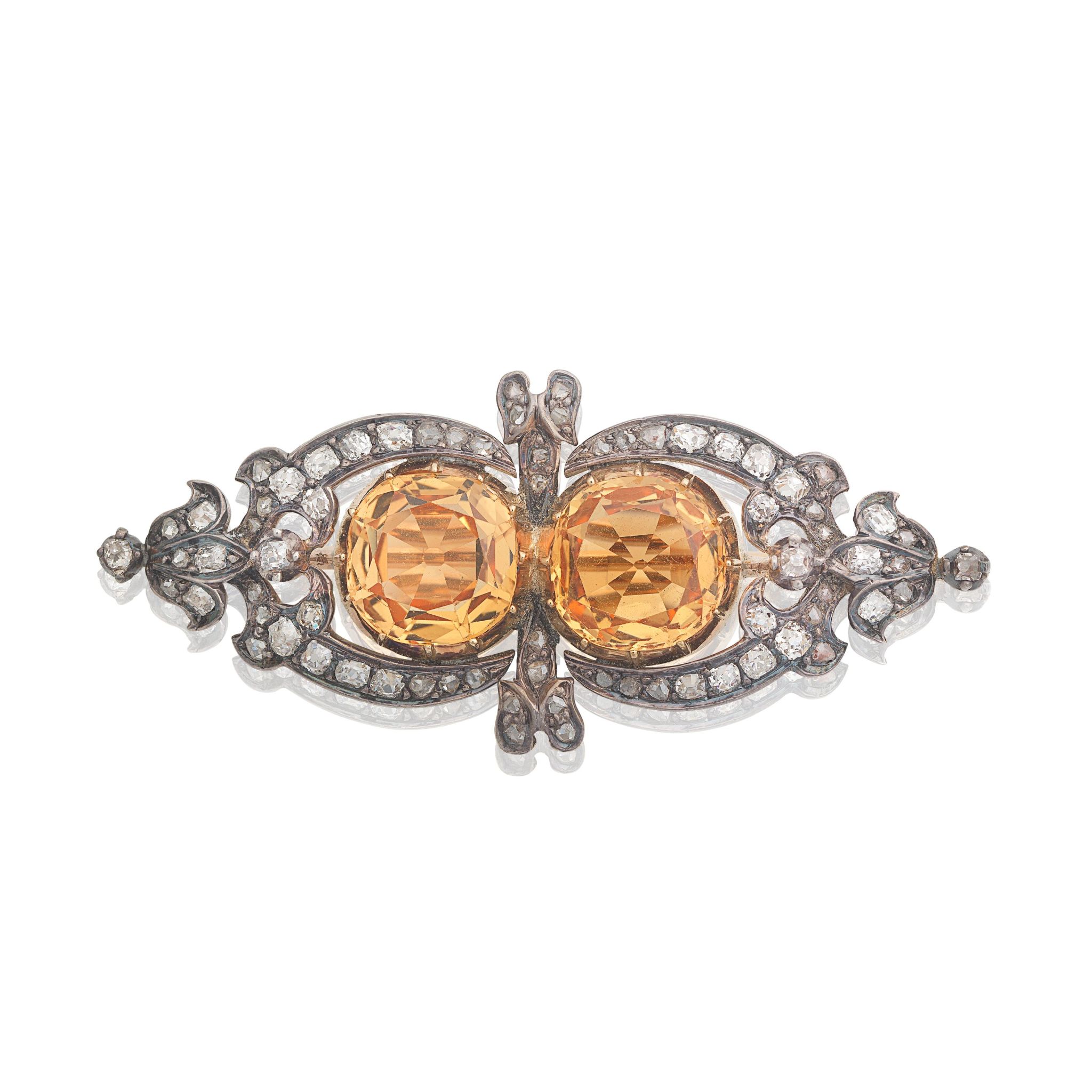
Topaz And Diamond Brooch, circa 1890
Estimate: £2,000 – £3,000
The Collection of Lady Anne Glenconner
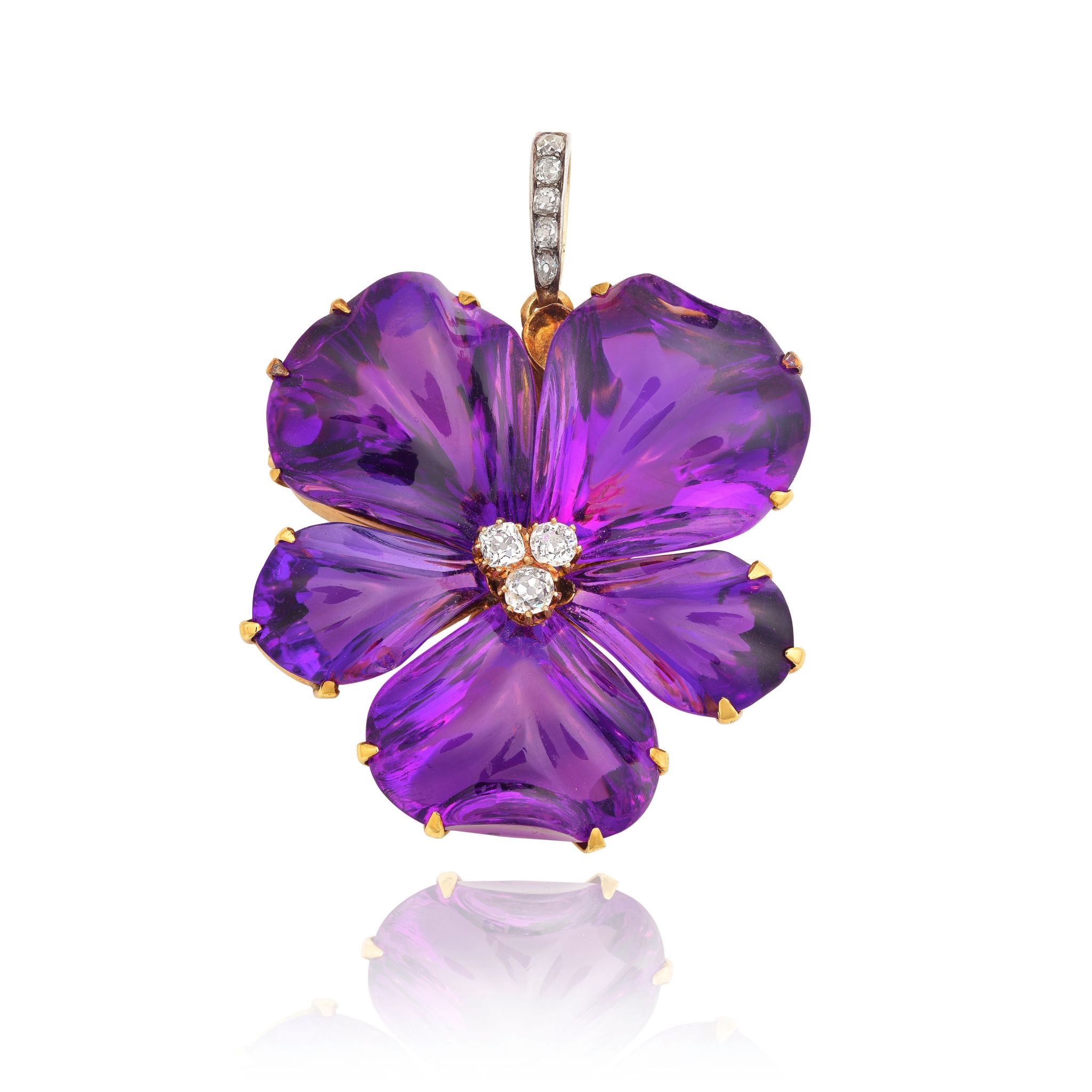
Amethyst And Diamond ‘Pansy’ Pendant/Brooch, late 19th century
Estimate: £3,000 – £5,000
The Collection of Lady Anne Glenconner
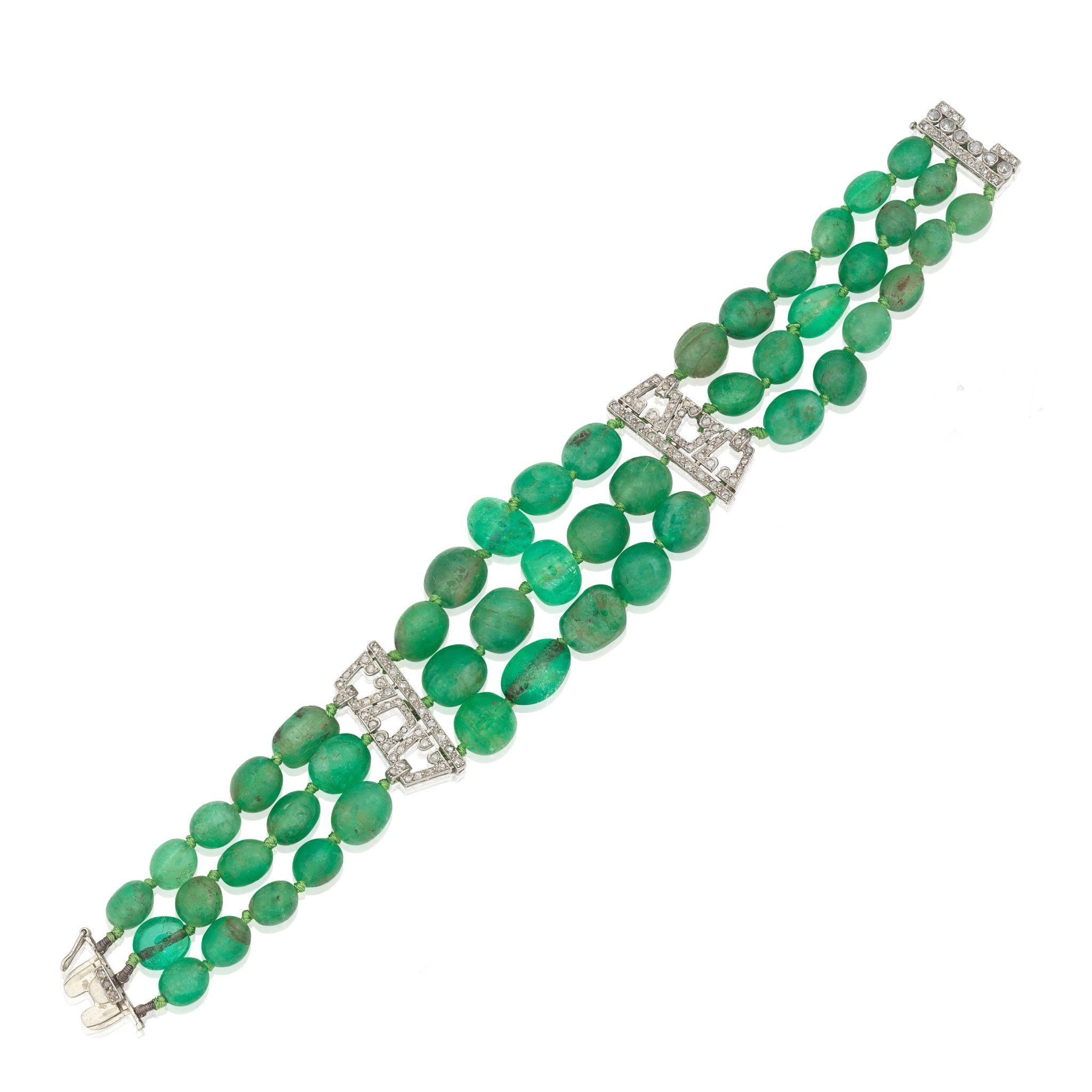
Emerald And Diamond Bead Bracelet, circa 1920
Estimate: £2,000 – £3,000
The Collection of Lady Anne Glenconner
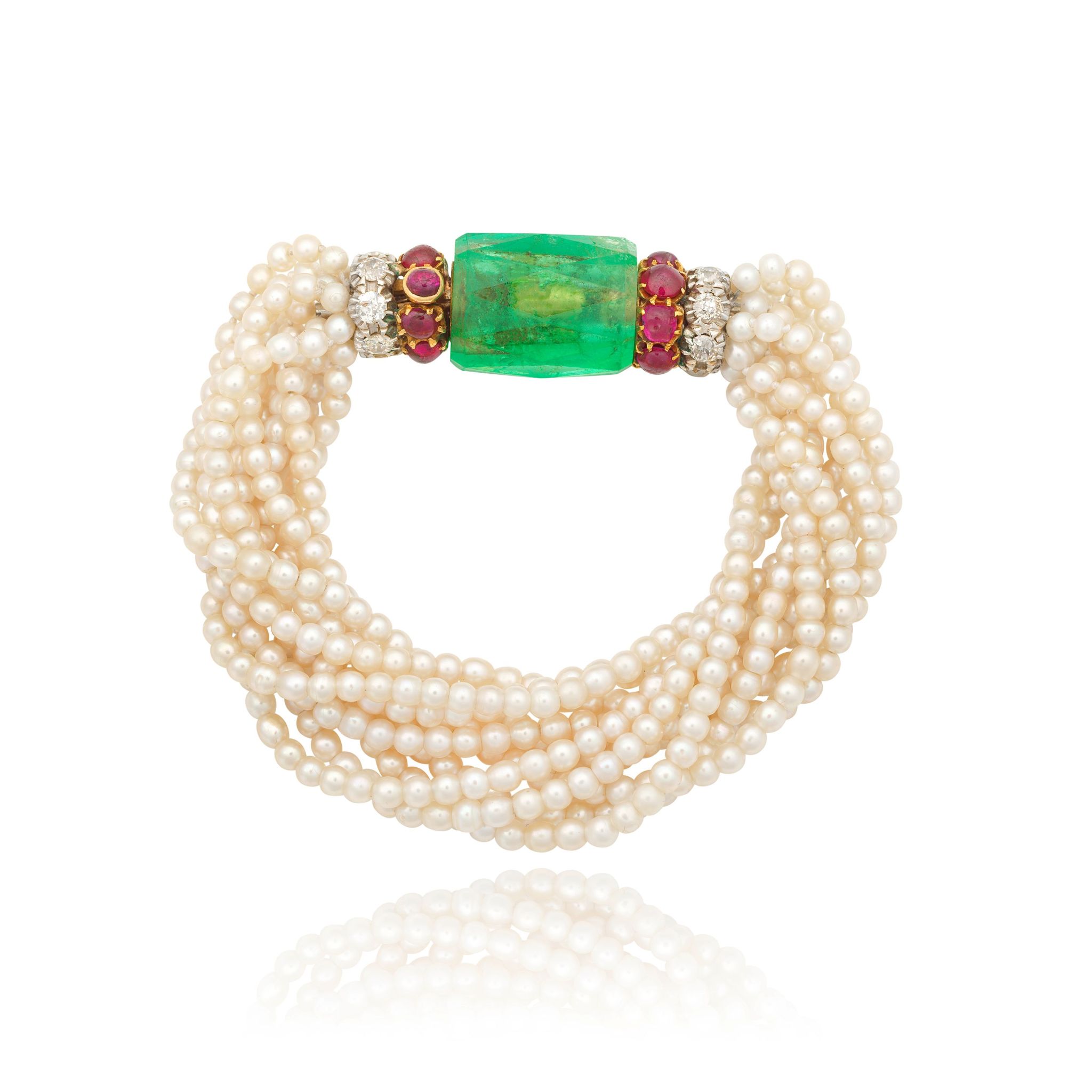
Emerald, Pearl And Gem-Set Torsade Bracelet, circa 1930
Estimate: £4,000 – £6,000
The Collection of Lady Anne Glenconner
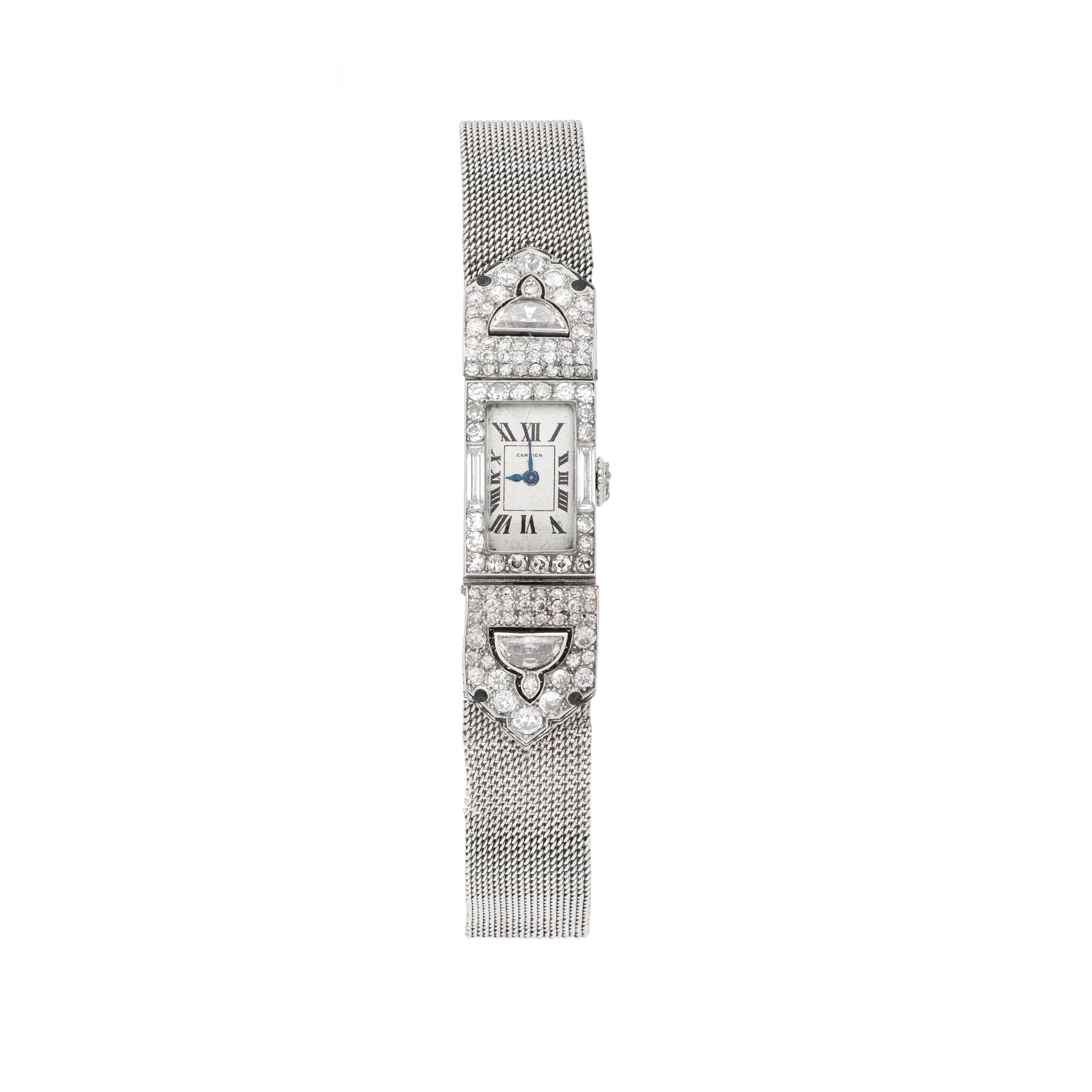
Cartier: Diamond Dress Watch, circa 1920
Estimate: £8,000 – £10,000
The Collection of Lady Anne Glenconner
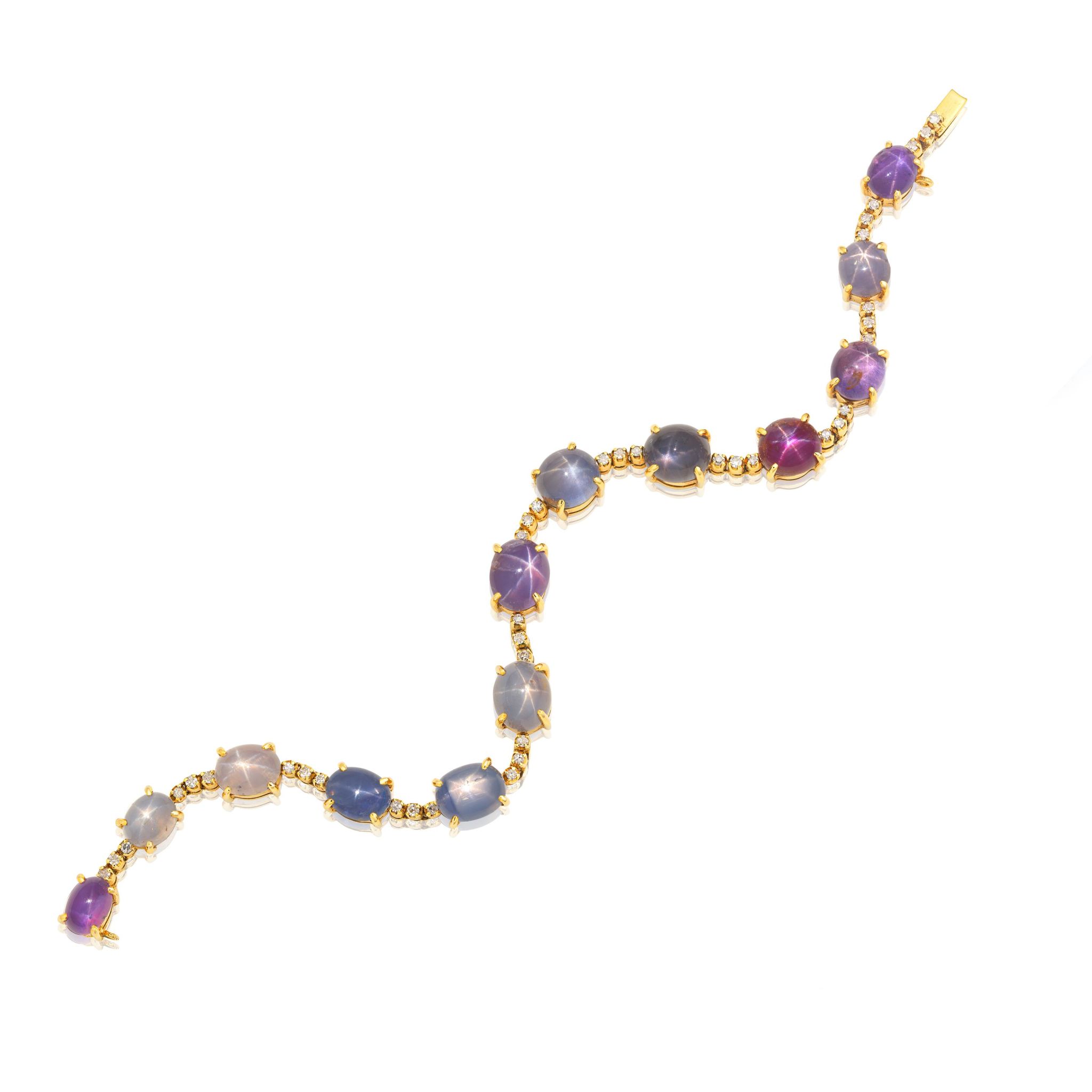
Star Sapphire And Diamond Bracelet
Estimate: £1,000 – £1,500
The Collection of Lady Anne Glenconner
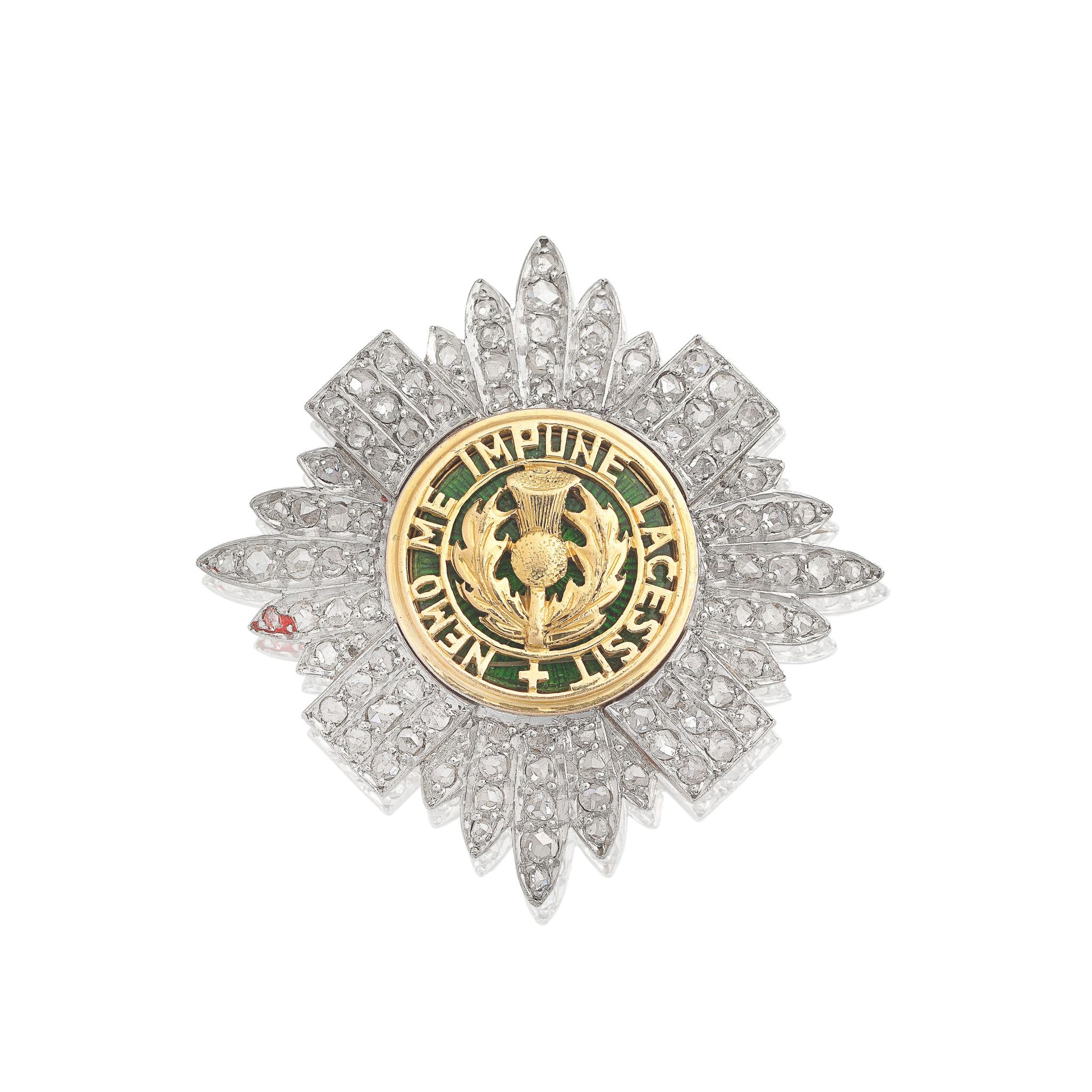
Rose-Cut Diamond And Enamel Scots Guards Brooch
Estimate: £800 – £1,200
The Collection of Lady Anne Glenconner
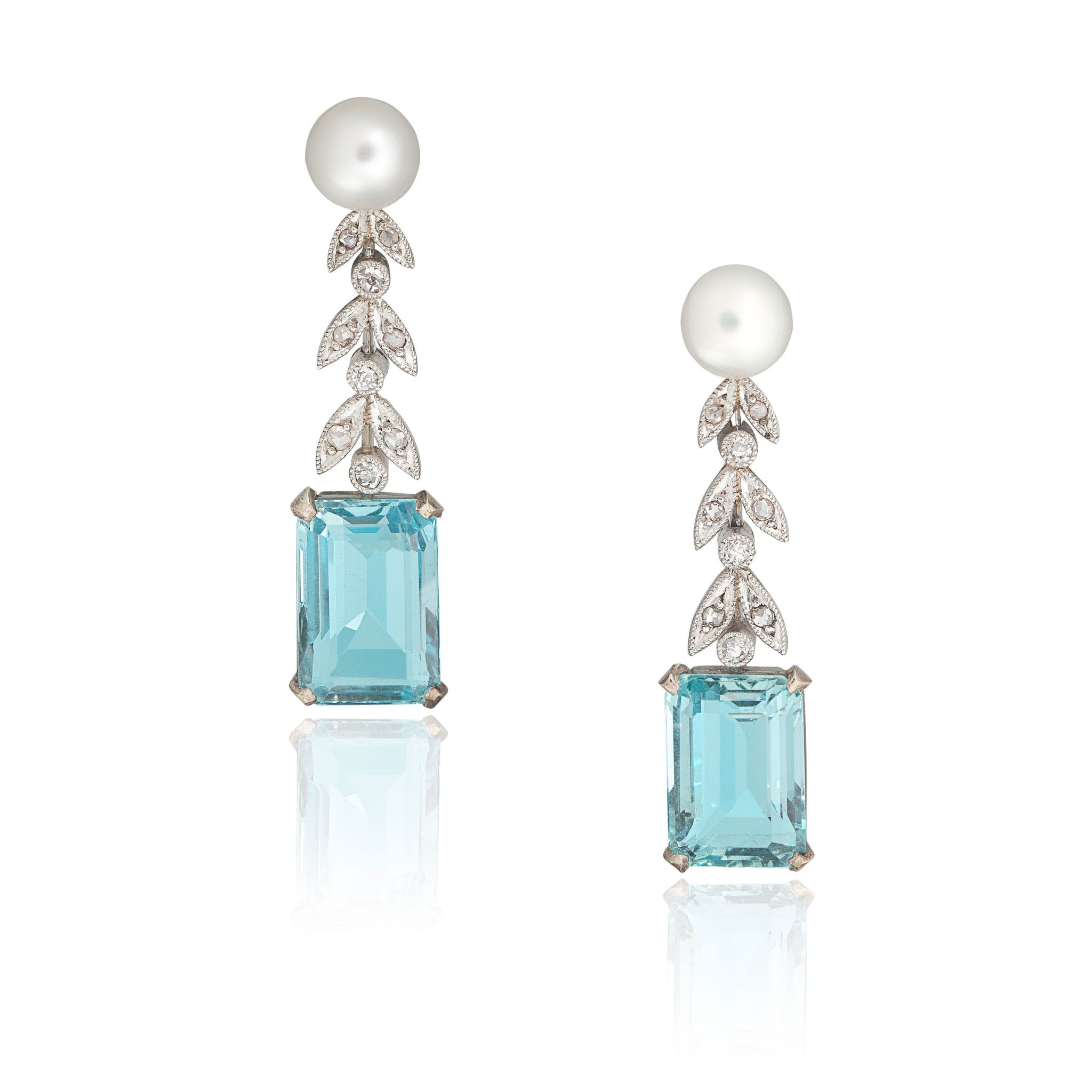
Aquamarine, Pearl And Diamond Earclips
Estimate: £1,500 – £2,000
The Collection of Lady Anne Glenconner
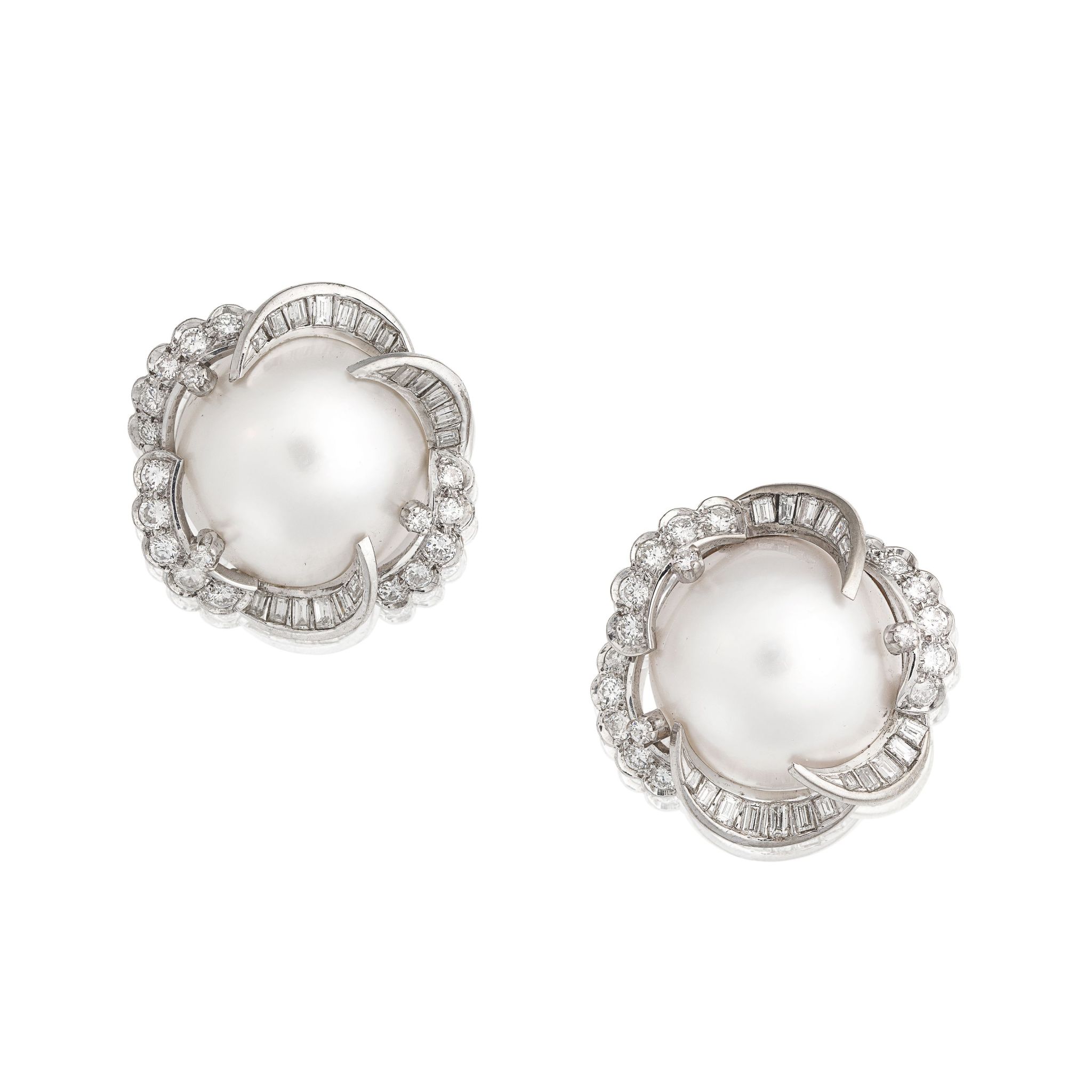
Cultured Pearl And Diamond Earrings
Estimate: £1,500 – £2,000
The Collection of Lady Anne Glenconner
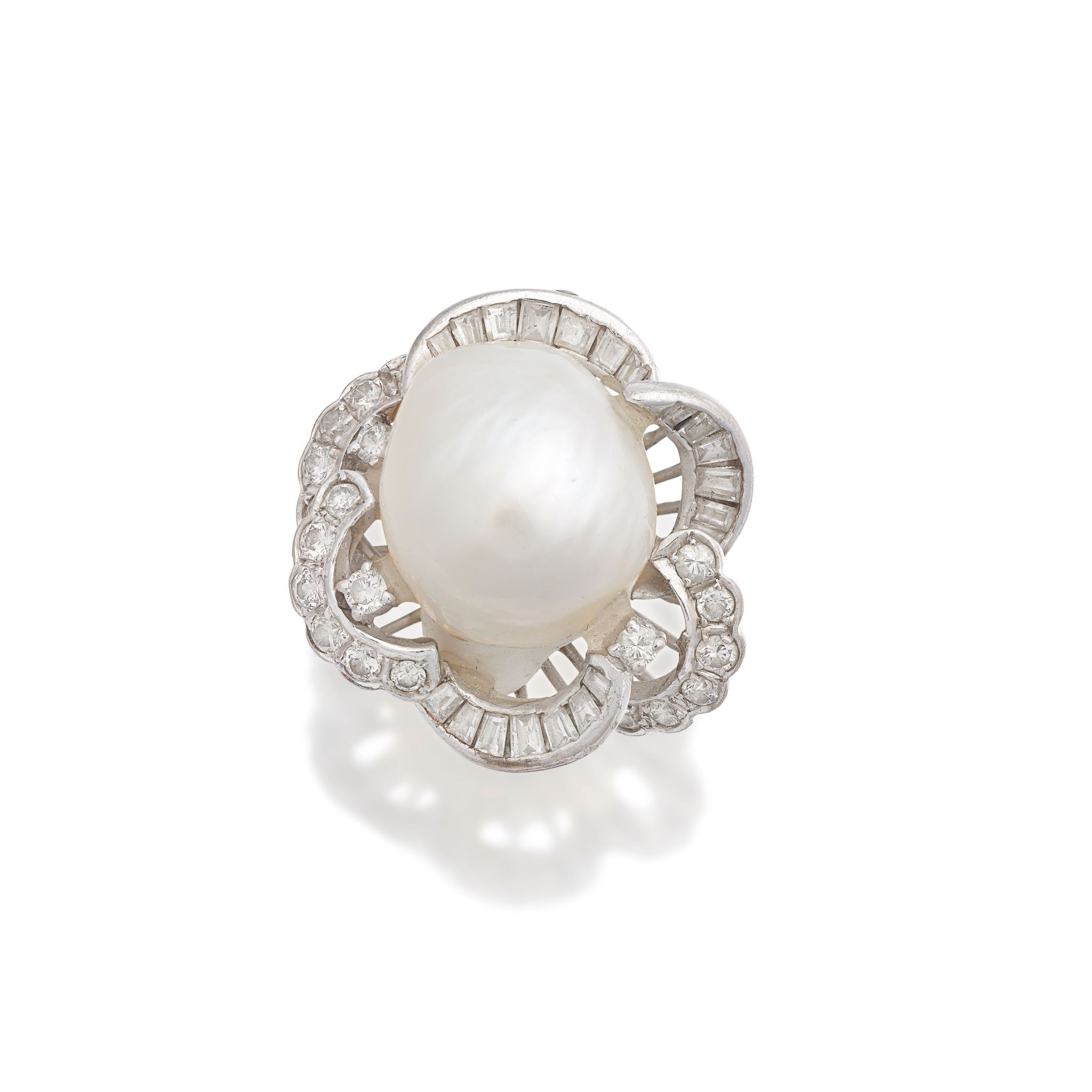
Cultured Pearl And Diamond Ring
Estimate: £1,500 – £2,000
The Collection of Lady Anne Glenconner
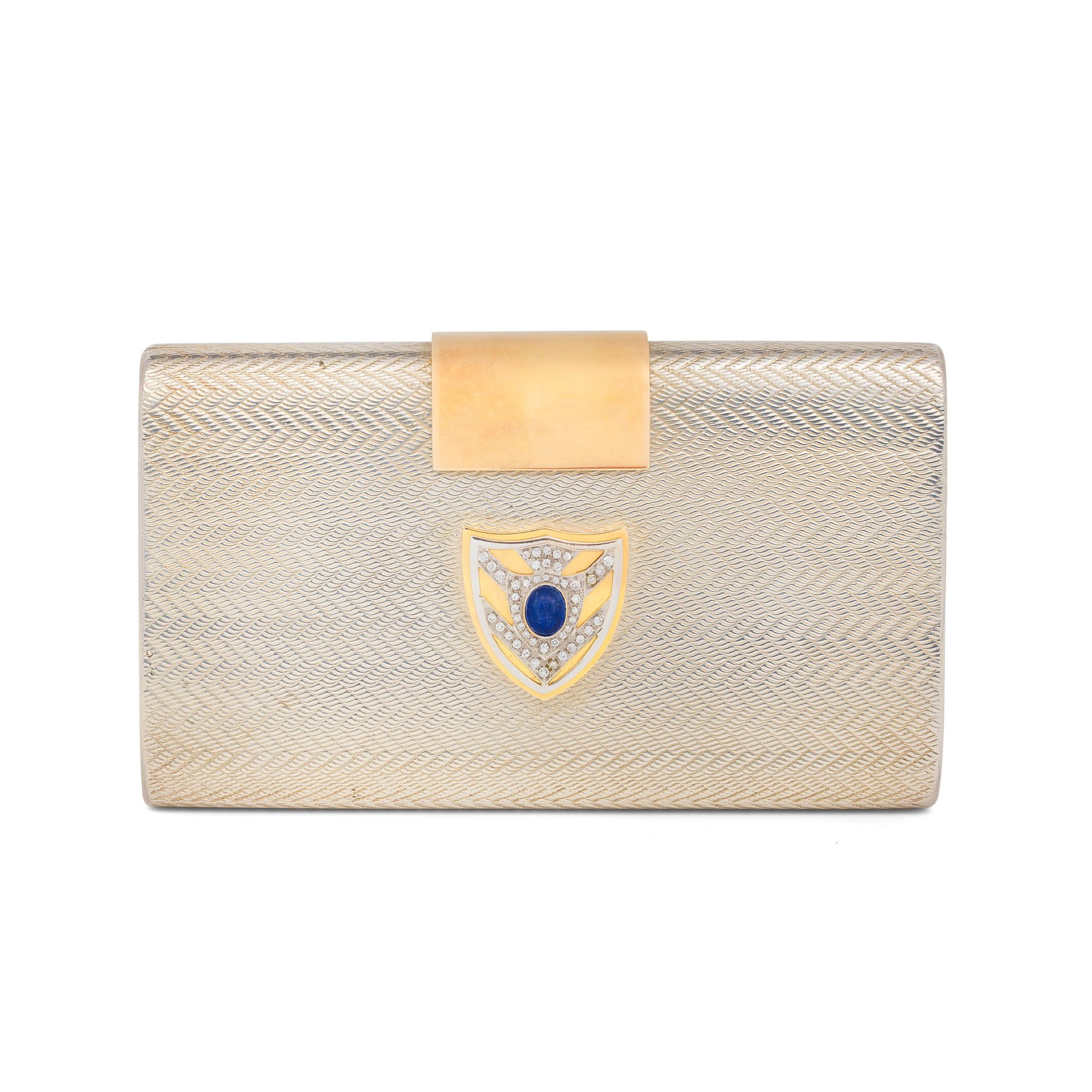
Cartier: Diamond And Gem-Set Clutch Bag
Estimate: £800 – £1,200
The Collection of Lady Anne Glenconner
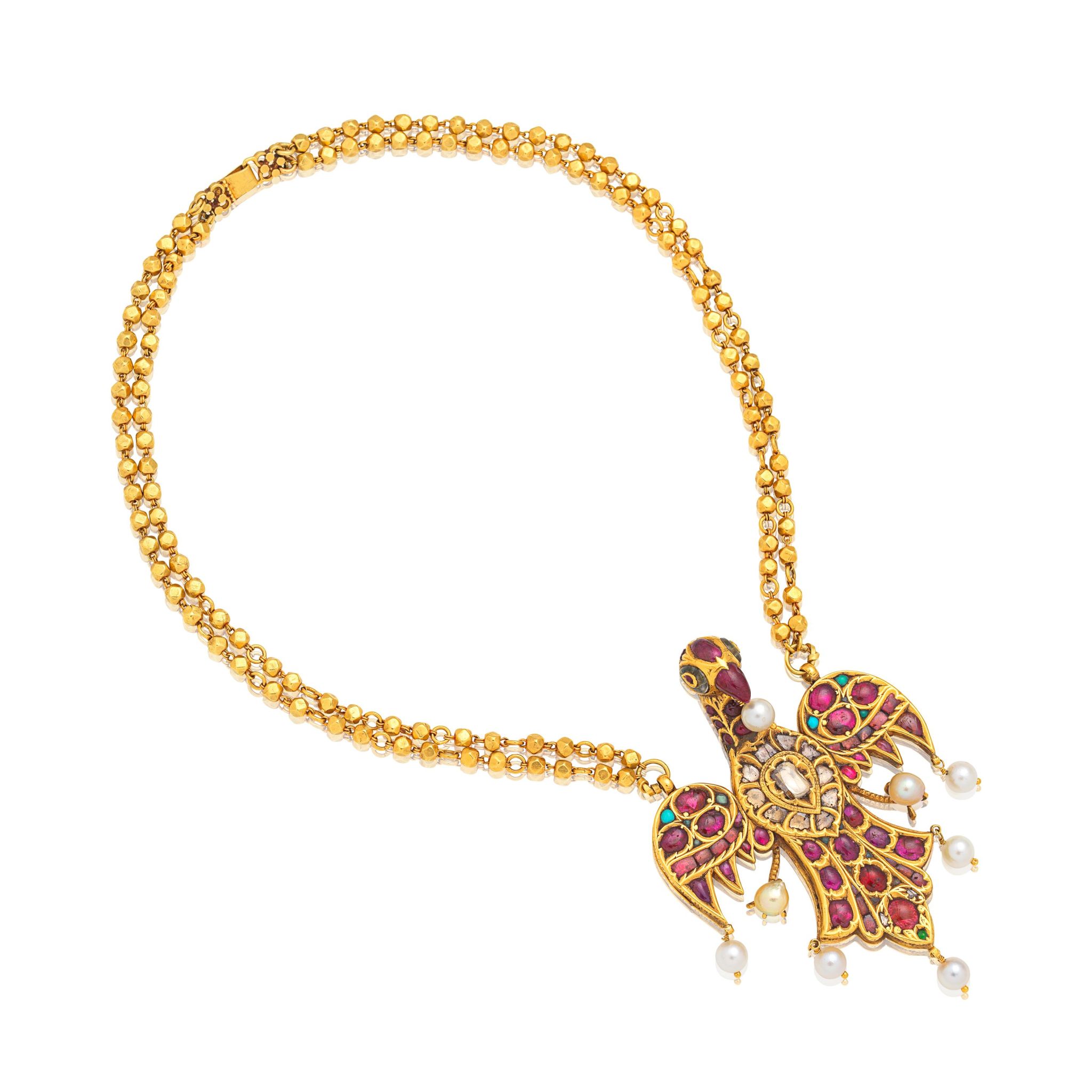
Indian Gem-Set Necklace, Late 19Th Century/Early 20Th Century
Estimate: £4,000 – £6,000
The Collection of Lady Anne Glenconner
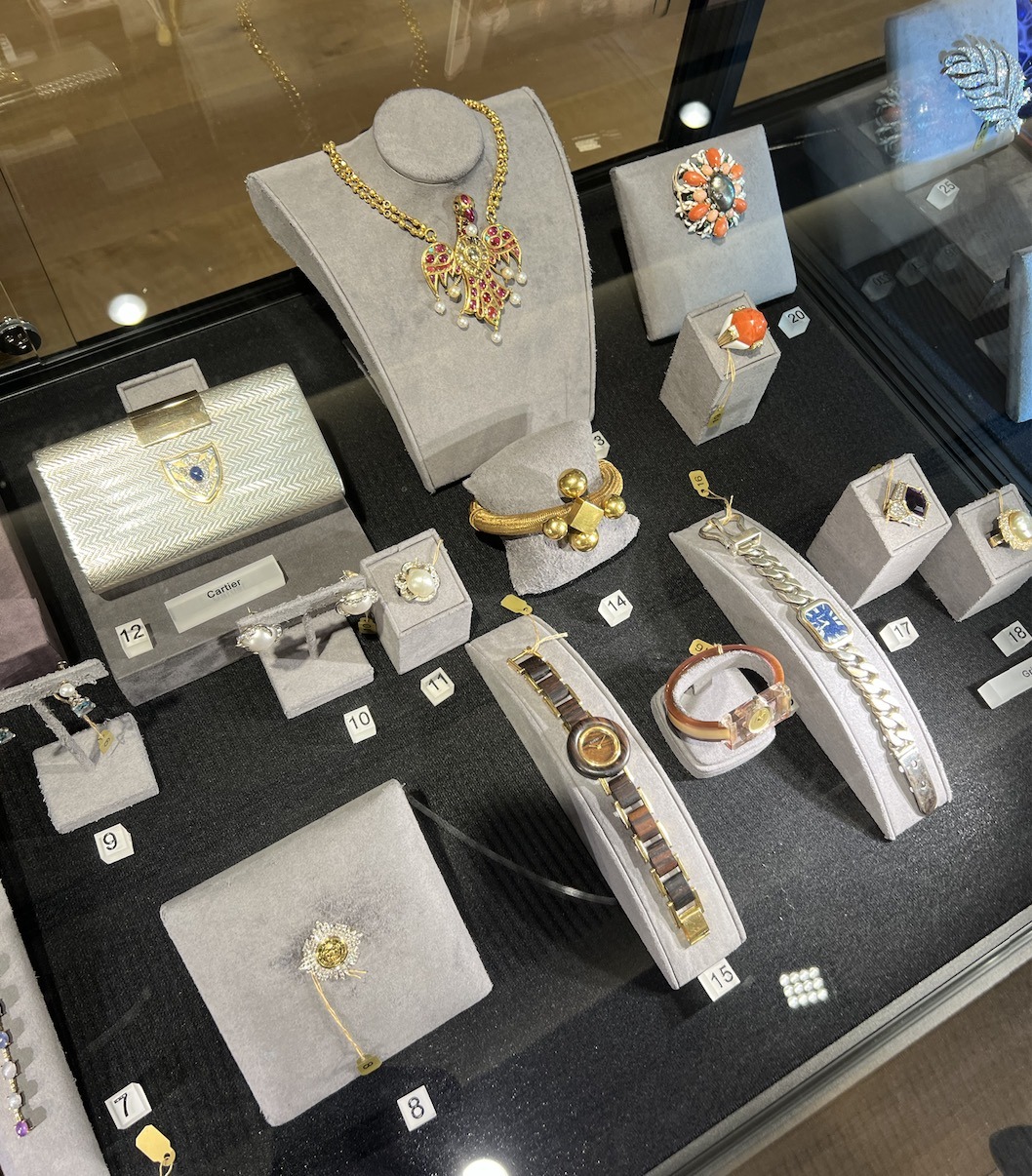
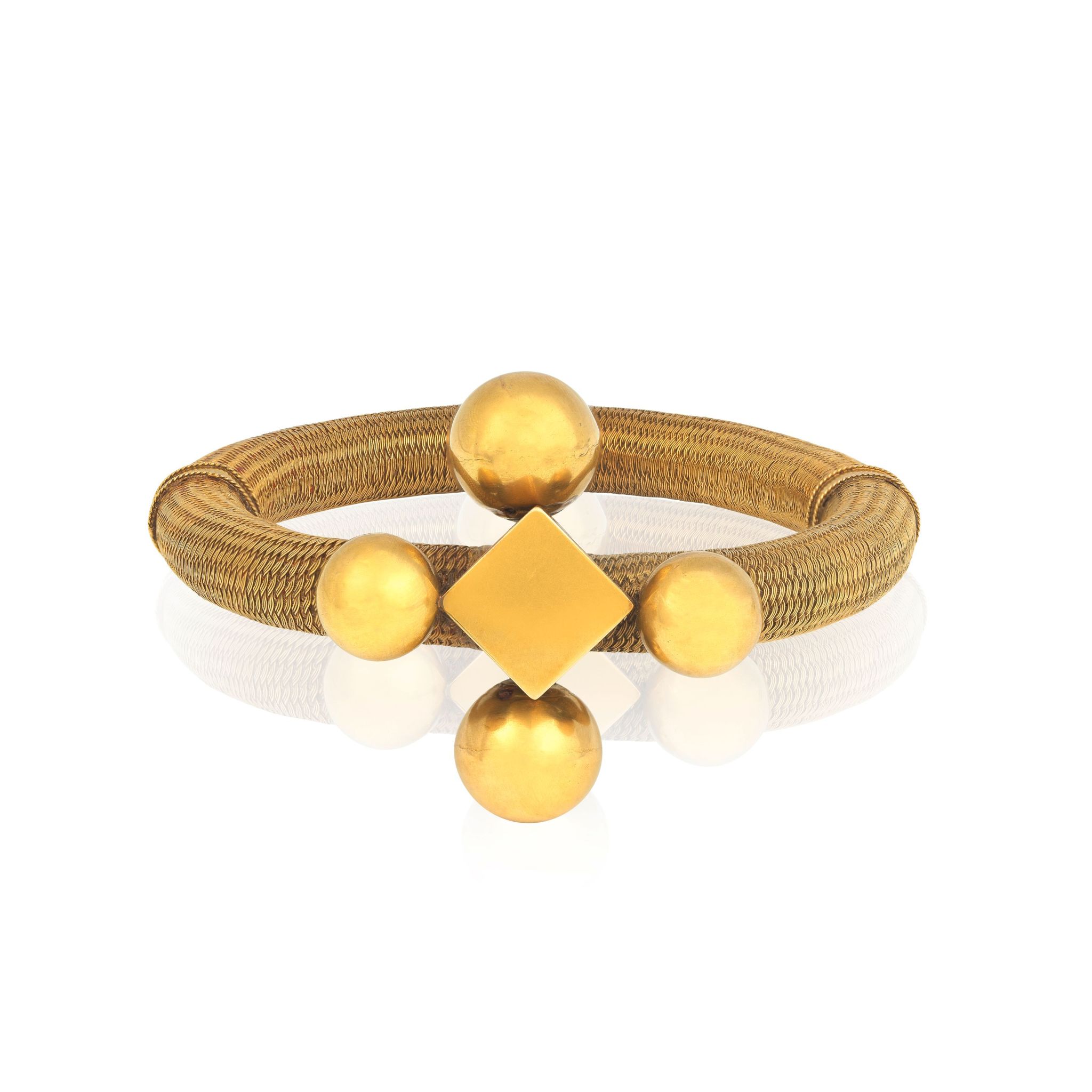
Indian Gold Bangle,Late 19Th Century/Early 20Th Century
Estimate: £3,000 – £5,000
The Collection of Lady Anne Glenconner
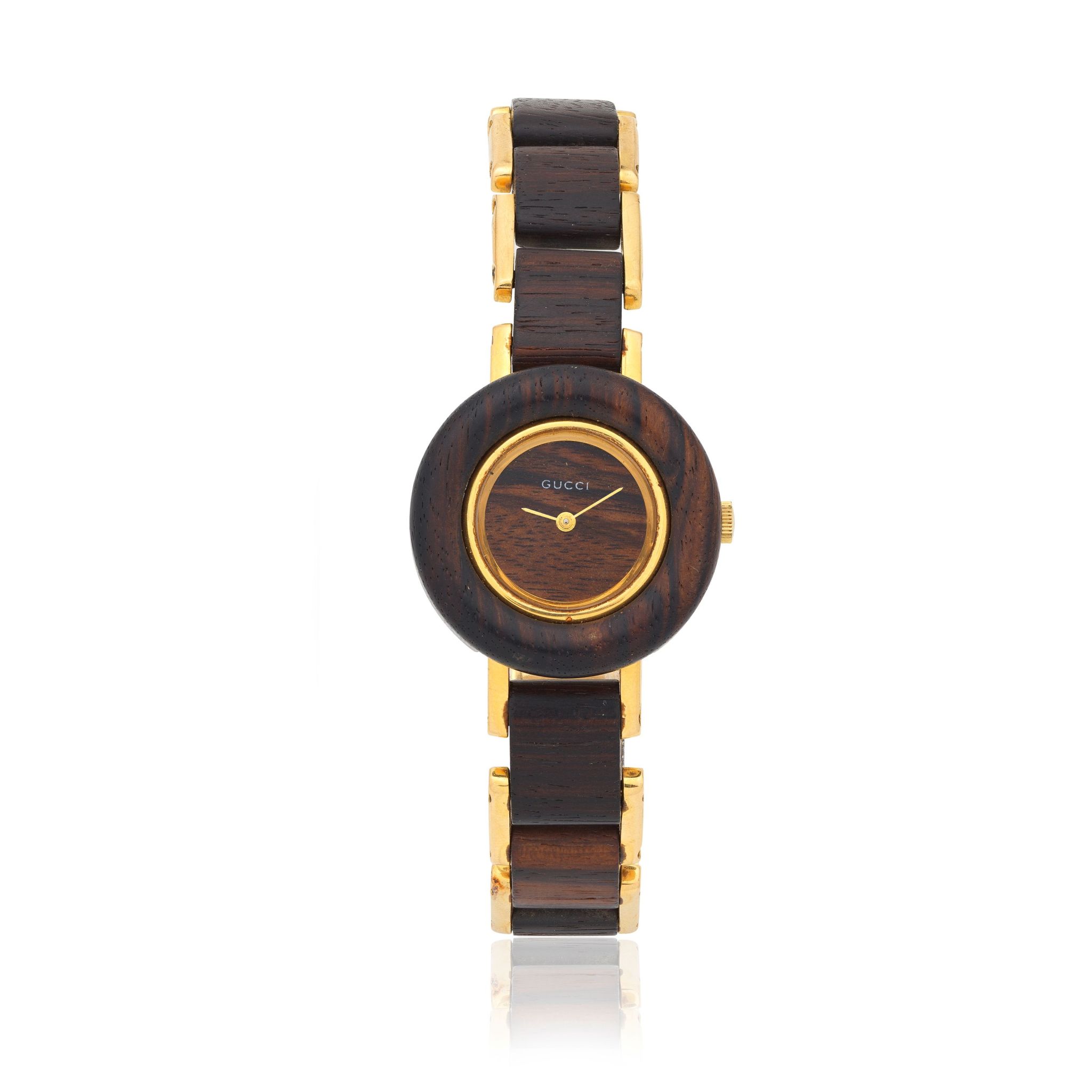
Gucci Wood Wristwatch, circa 1970
Estimate: £1,500 – £2,000
The Collection of Lady Anne Glenconner
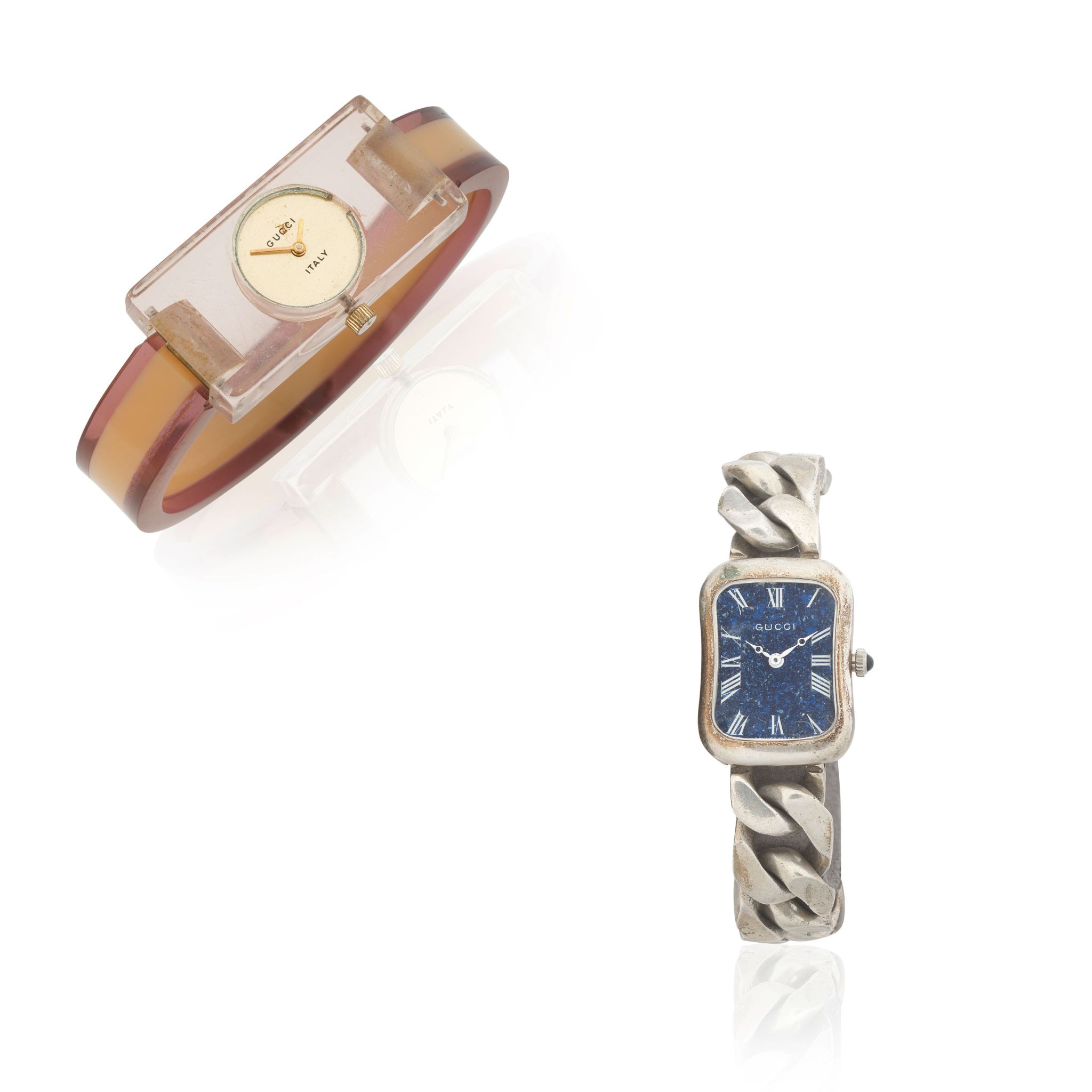
Two Gucci Watches
Estimate: £800 – £1,200
The Collection of Lady Anne Glenconner
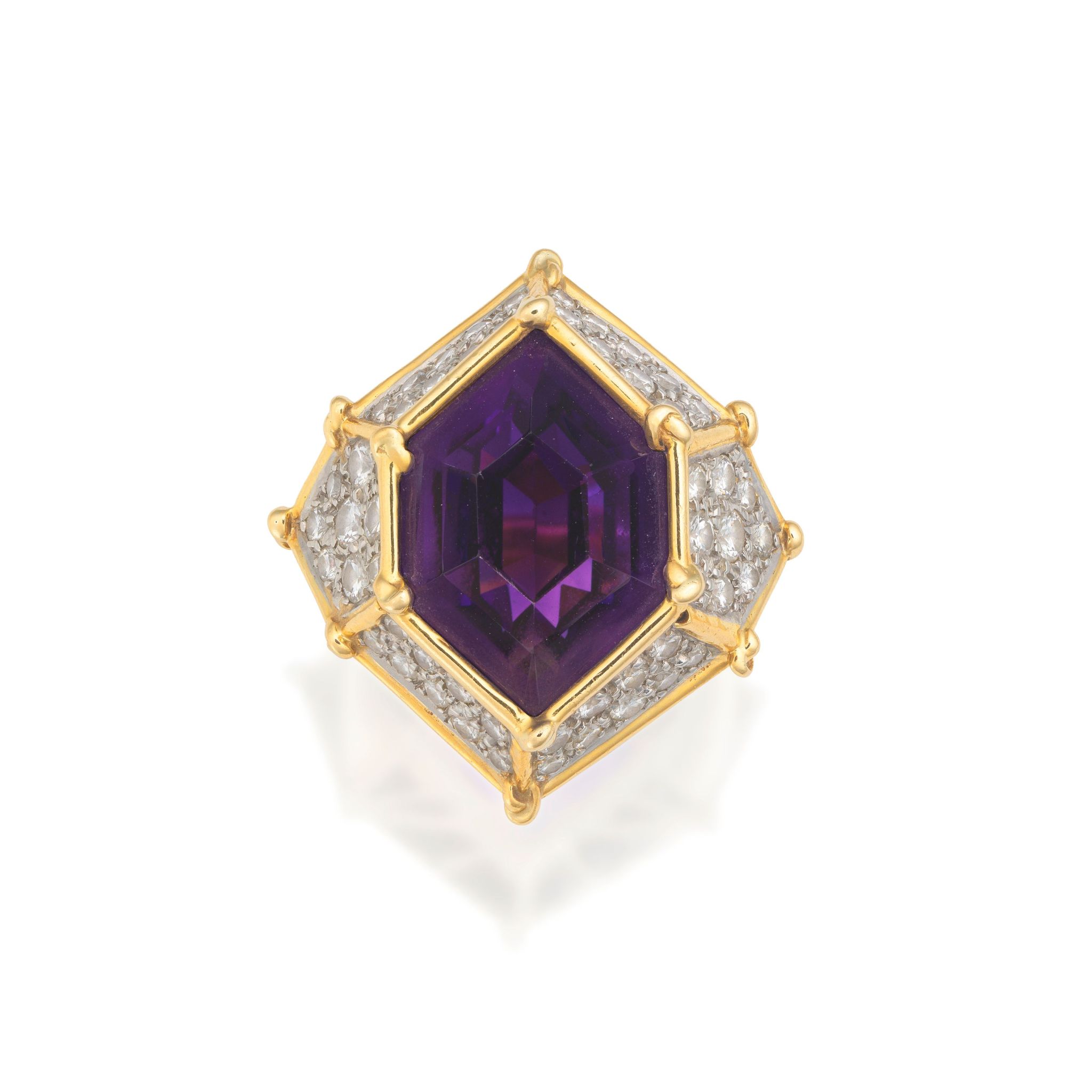
Verdura: Amethyst And Diamond Ring, circa 1970
Estimate: £4,000 – £6,000
The Collection of Lady Anne Glenconner
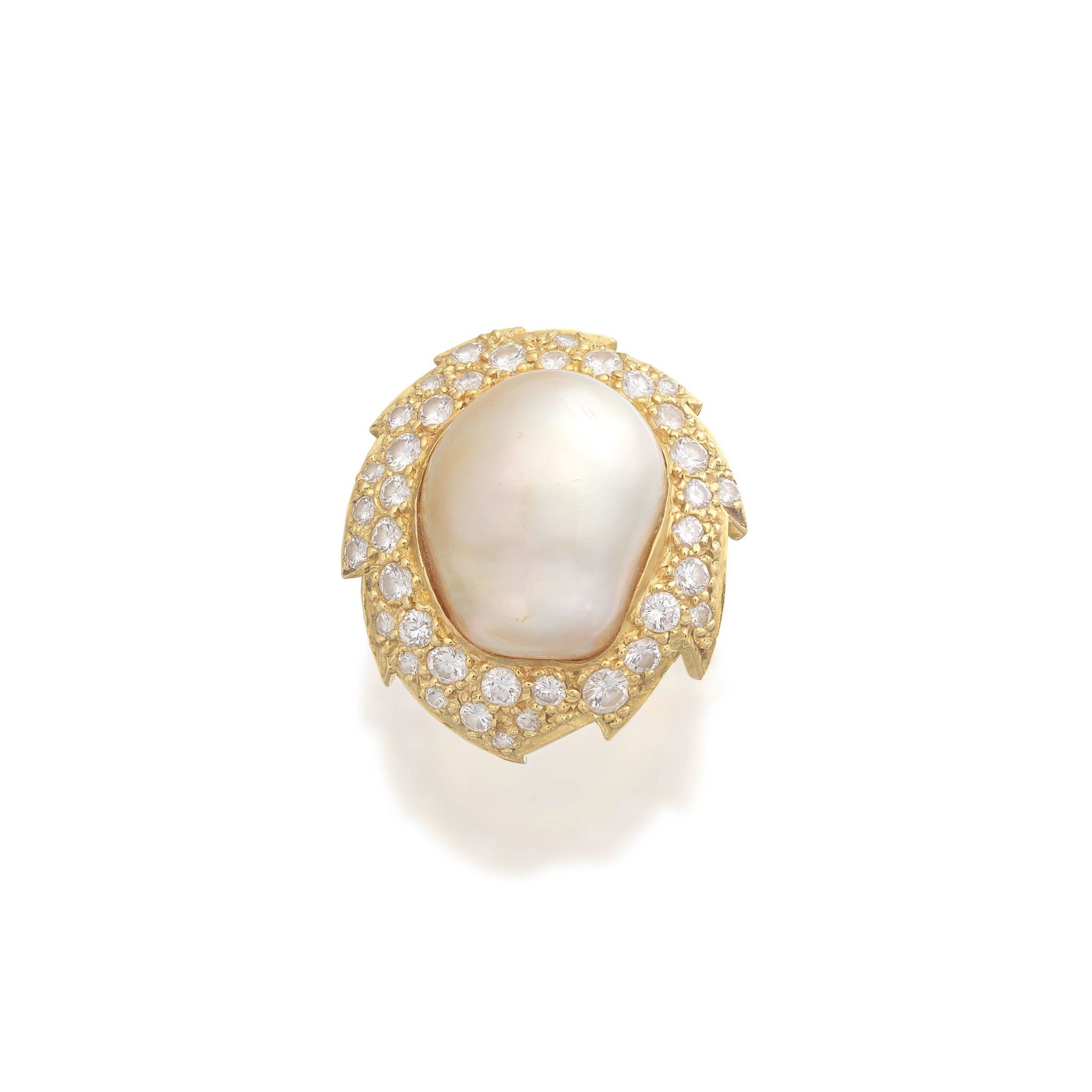
Grima: Cultured Pearl And Diamond Ring,1974
Estimate: £4,000 – £6,000
The Collection of Lady Anne Glenconner
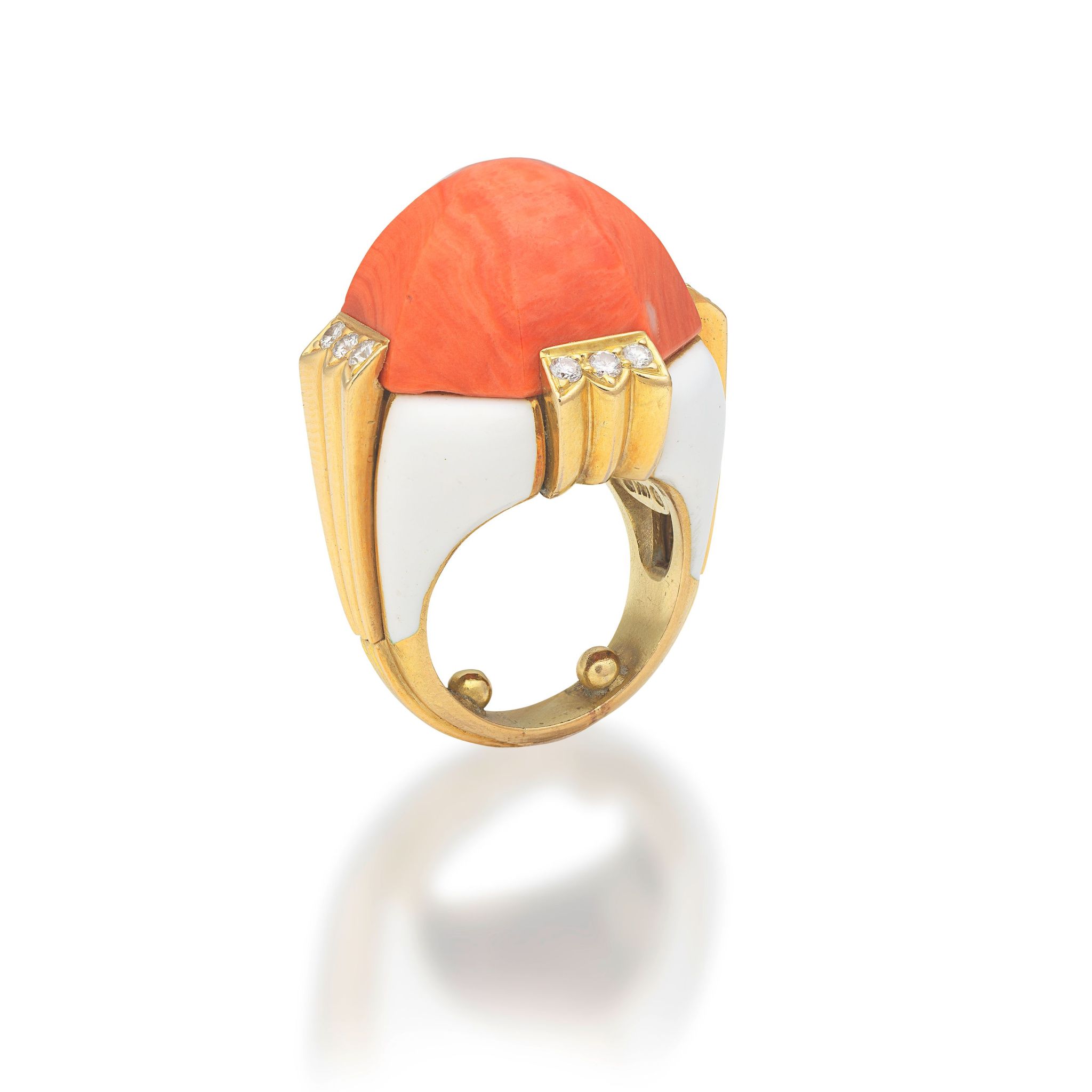
David Webb: Coral, Enamel And Diamond Ring, circa 1970
Estimate: £4,000 – £6,000
The Collection of Lady Anne Glenconner
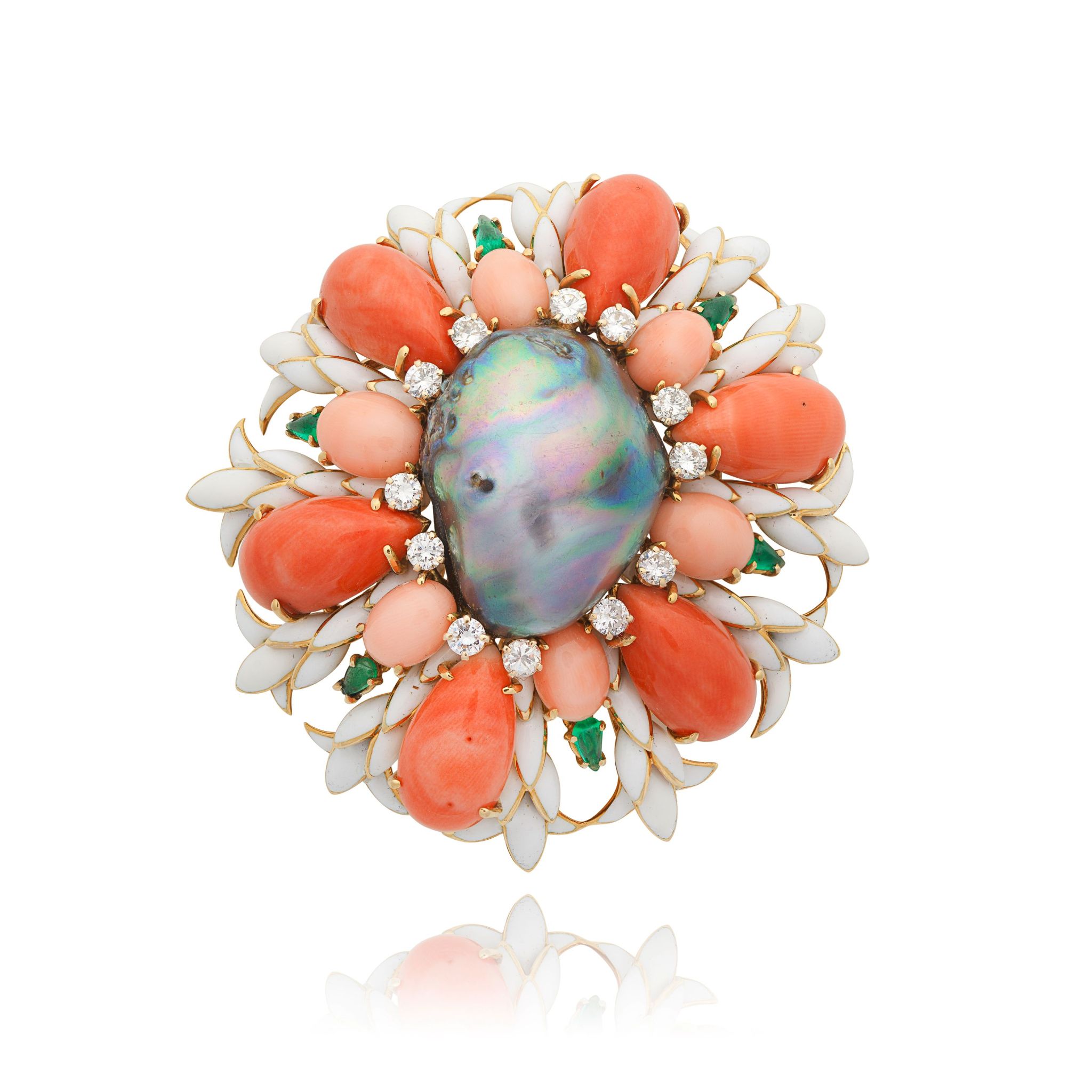
David Webb: Cultured Pearl, Enamel and Gem-Set Brooch, circa 1970
Estimate: £6,000 – £8,000
The Collection of Lady Anne Glenconner
Glenconner Tiara
Coke Diamond Necklace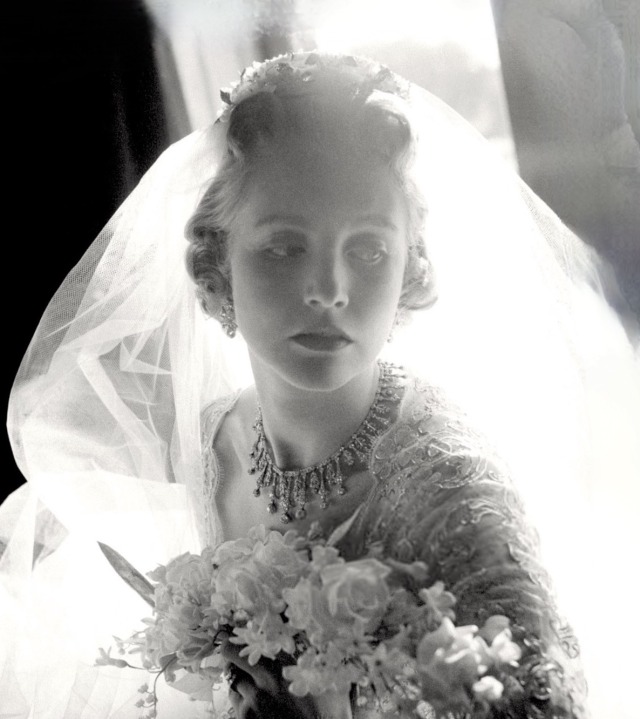
Diamond Bow Brooch
Diamond Earrings
Leicester Tiara
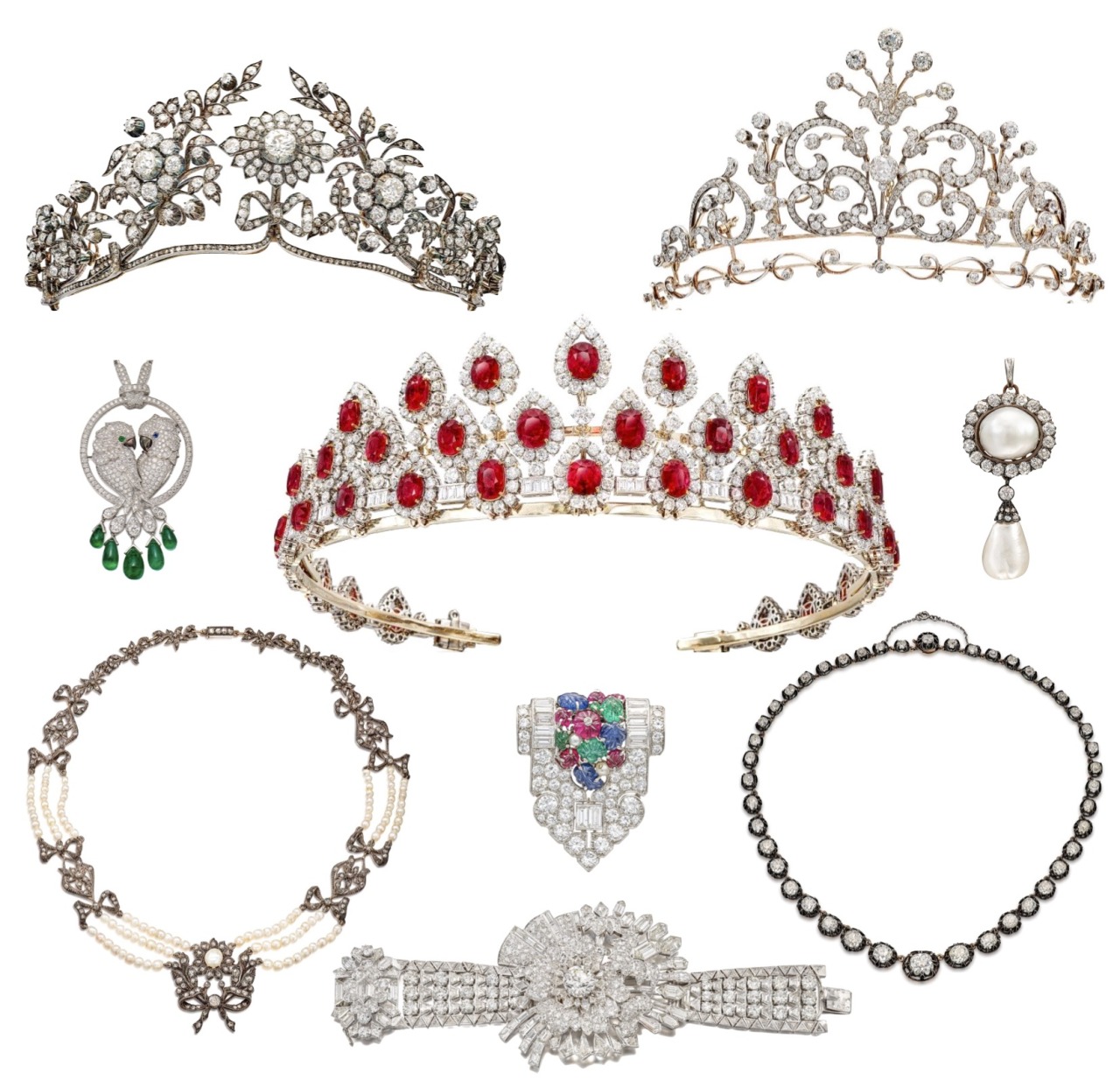
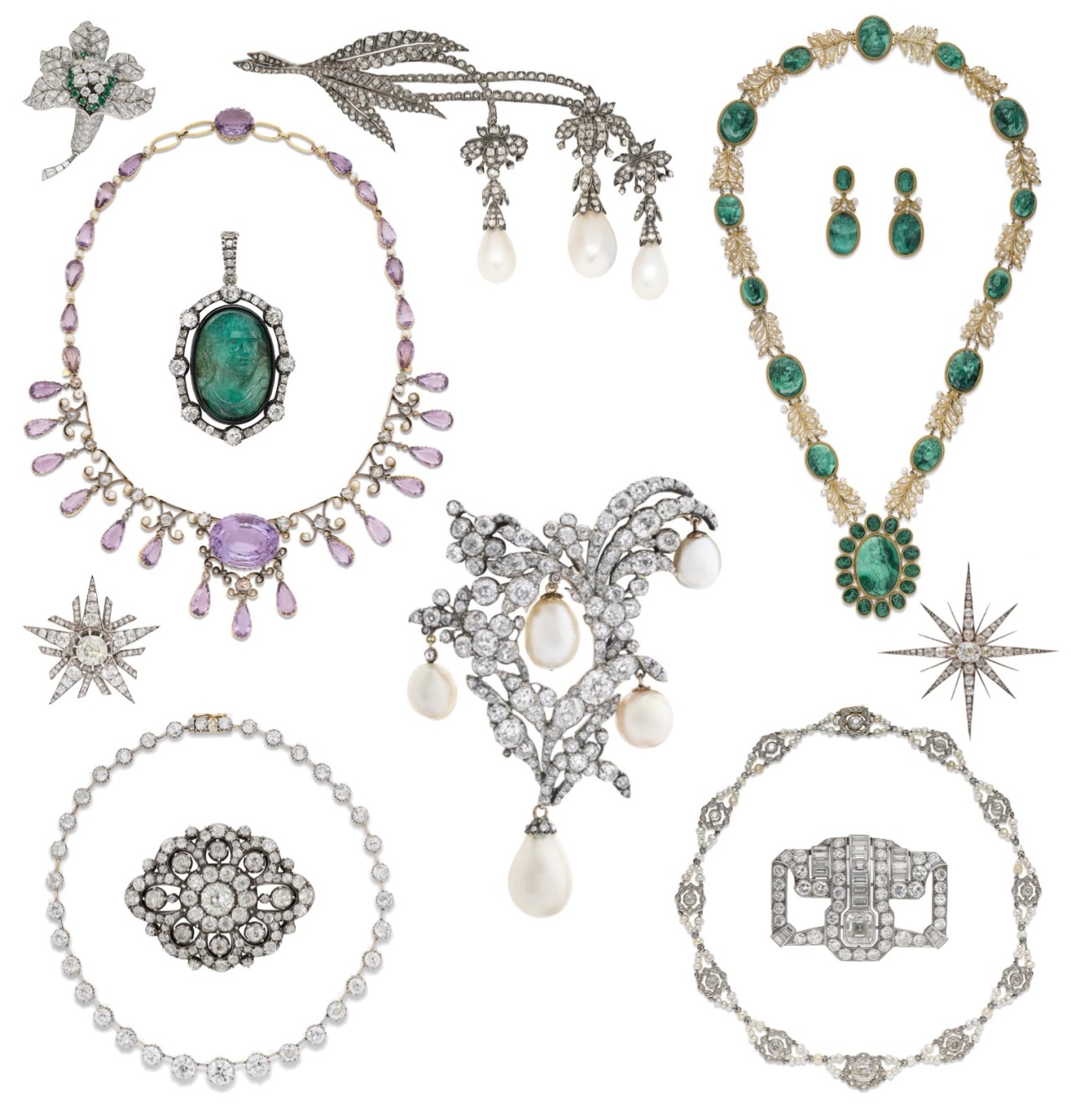
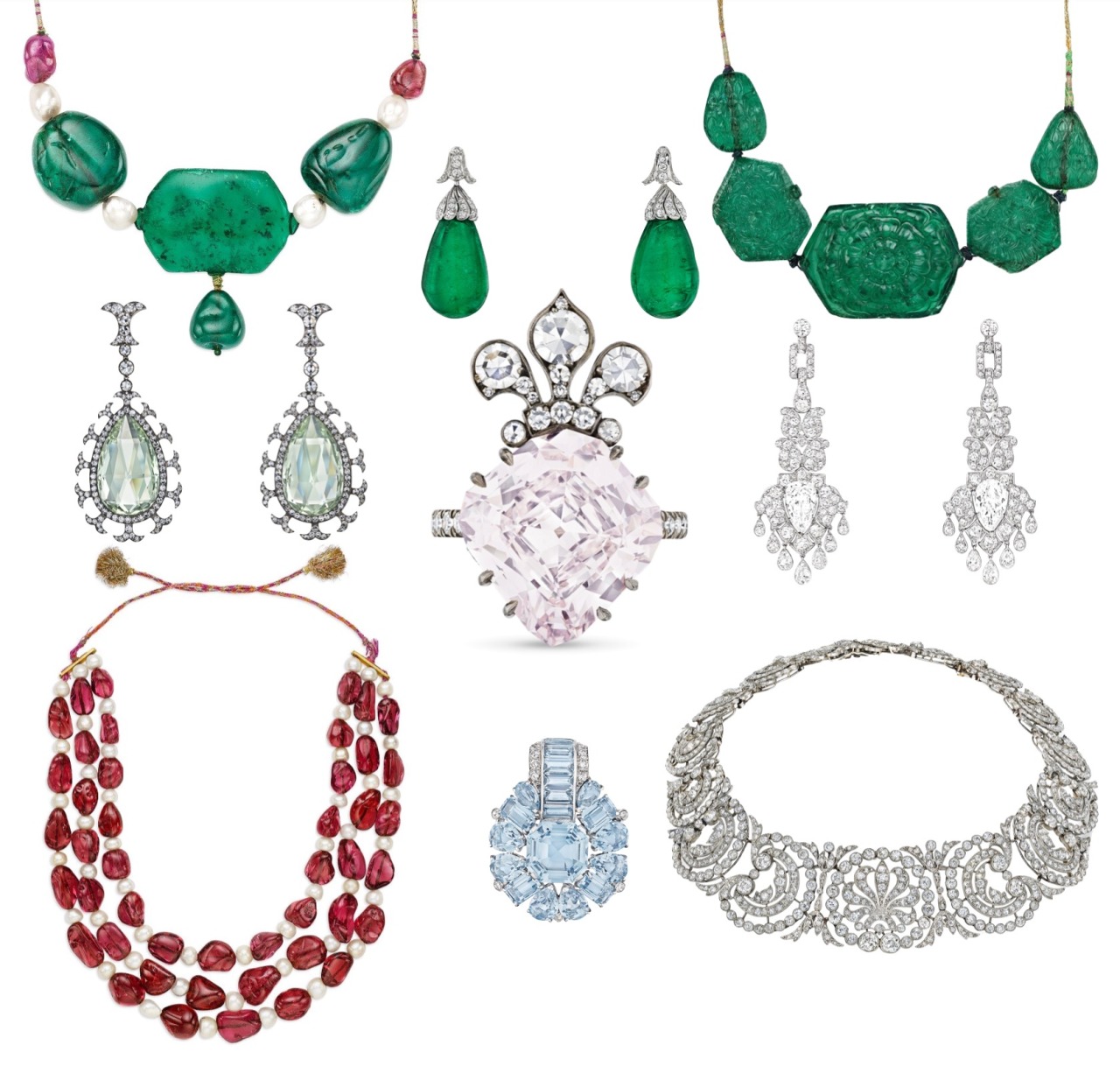
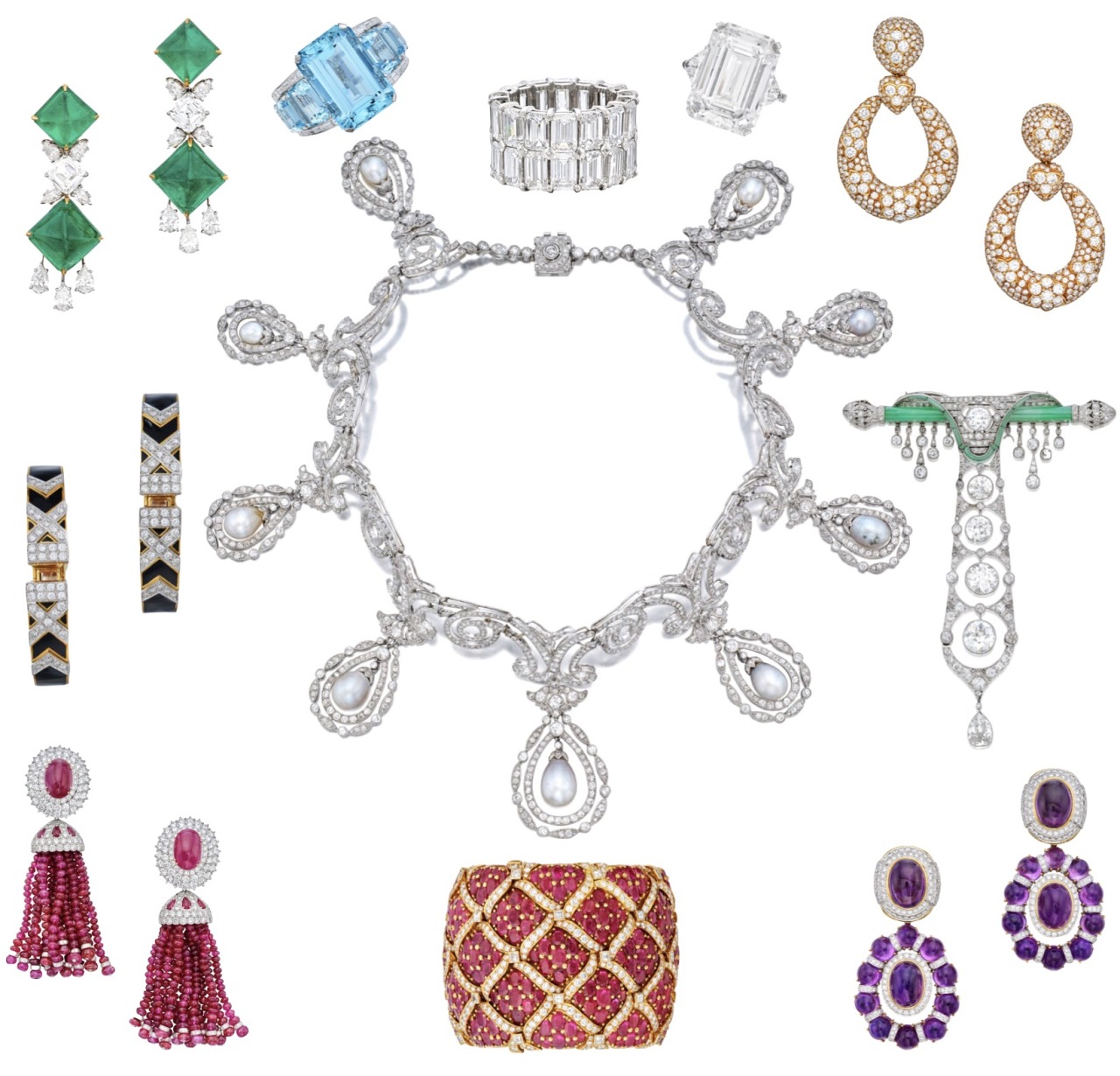
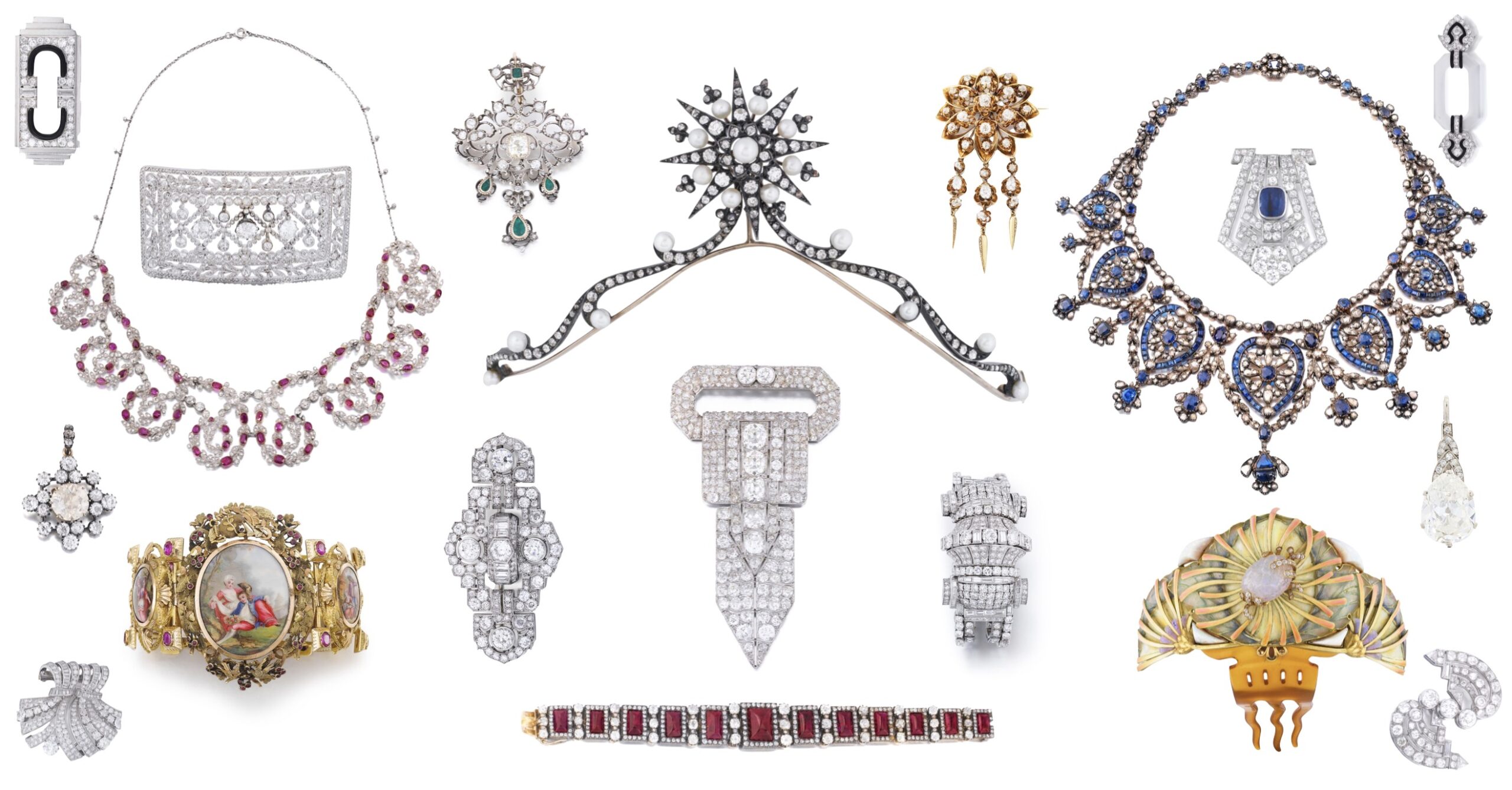
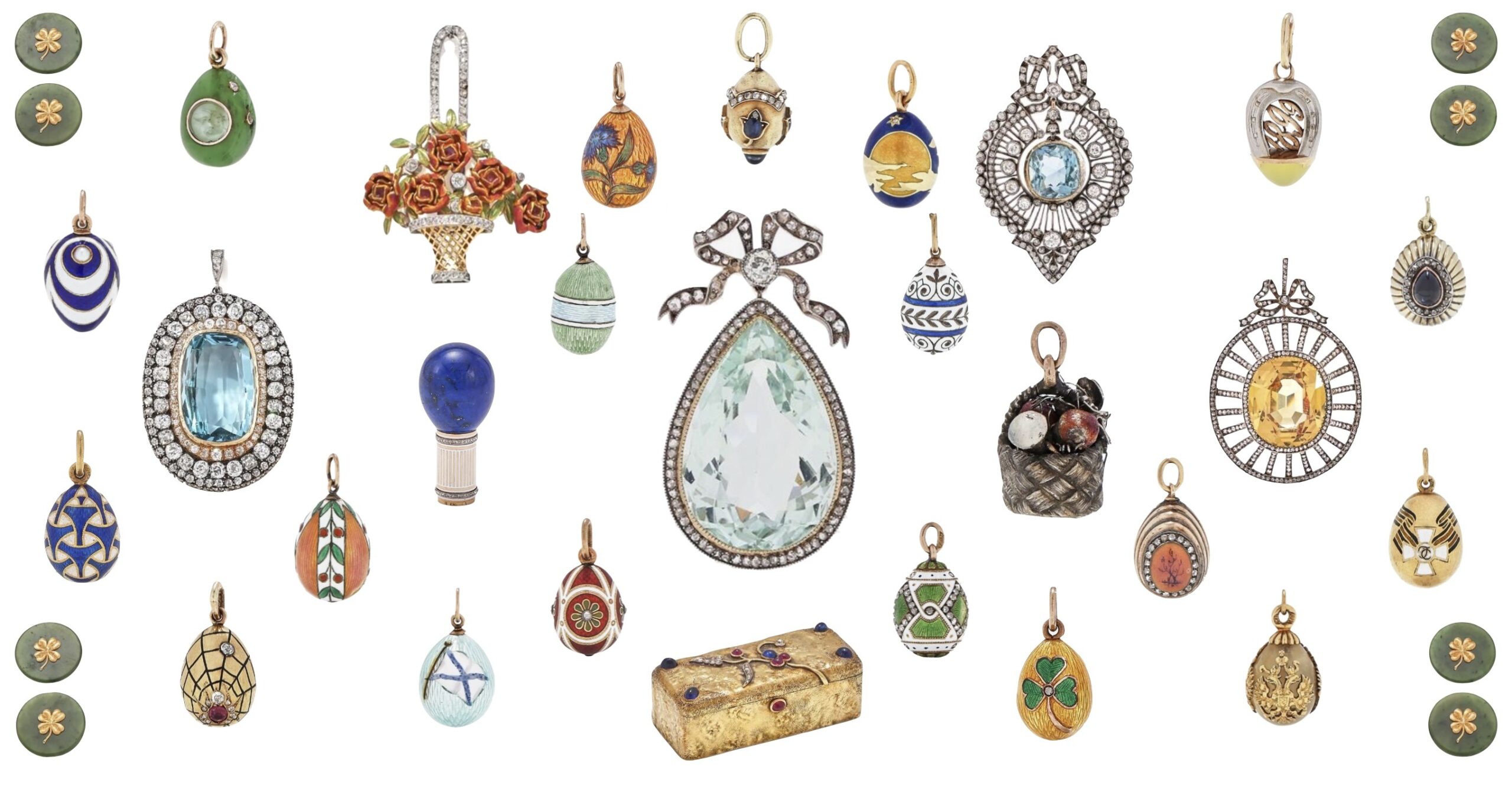
Sotheby’s Noble & Private Collections | 5 December 2024
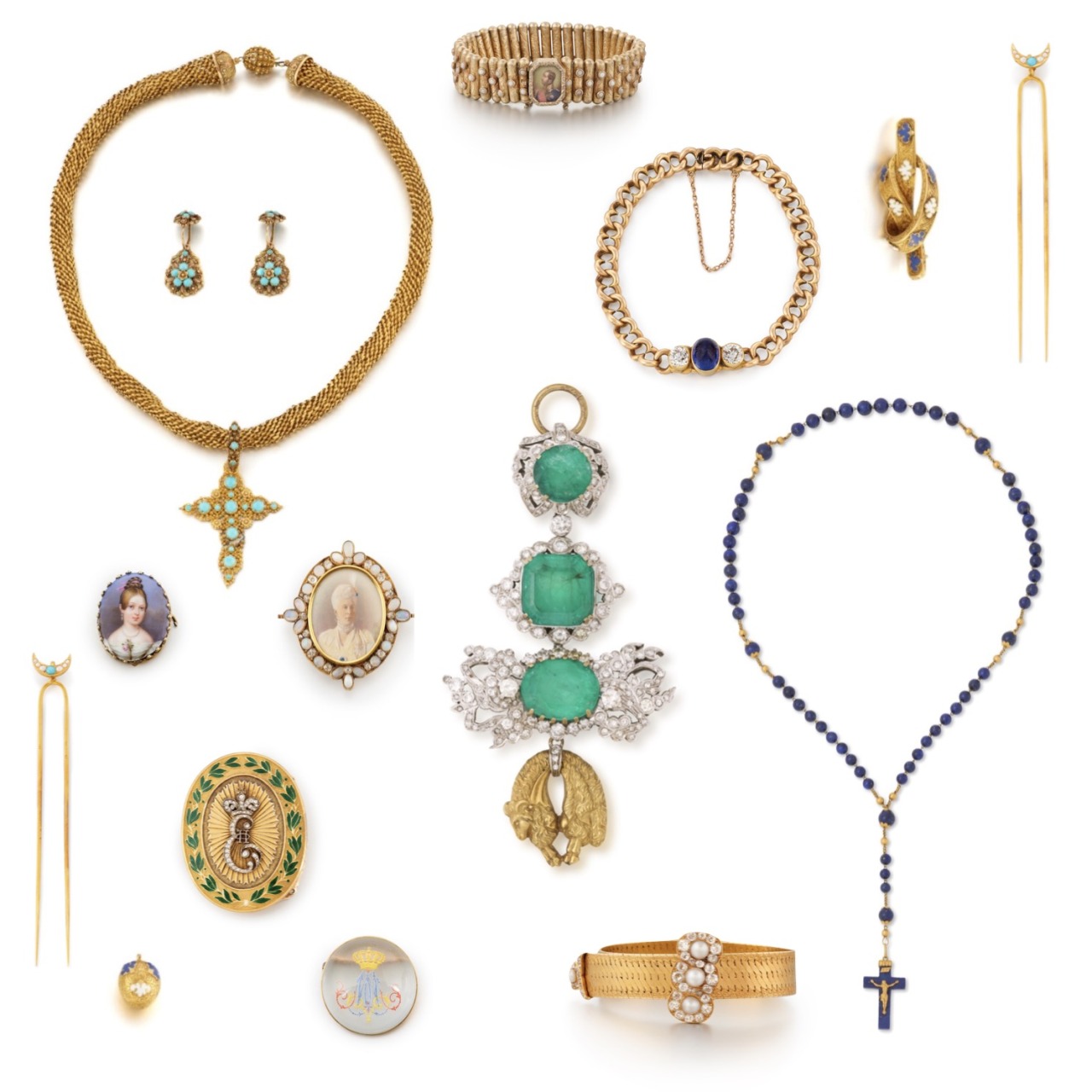
Phillips Geneva Jewels | 11 November 2024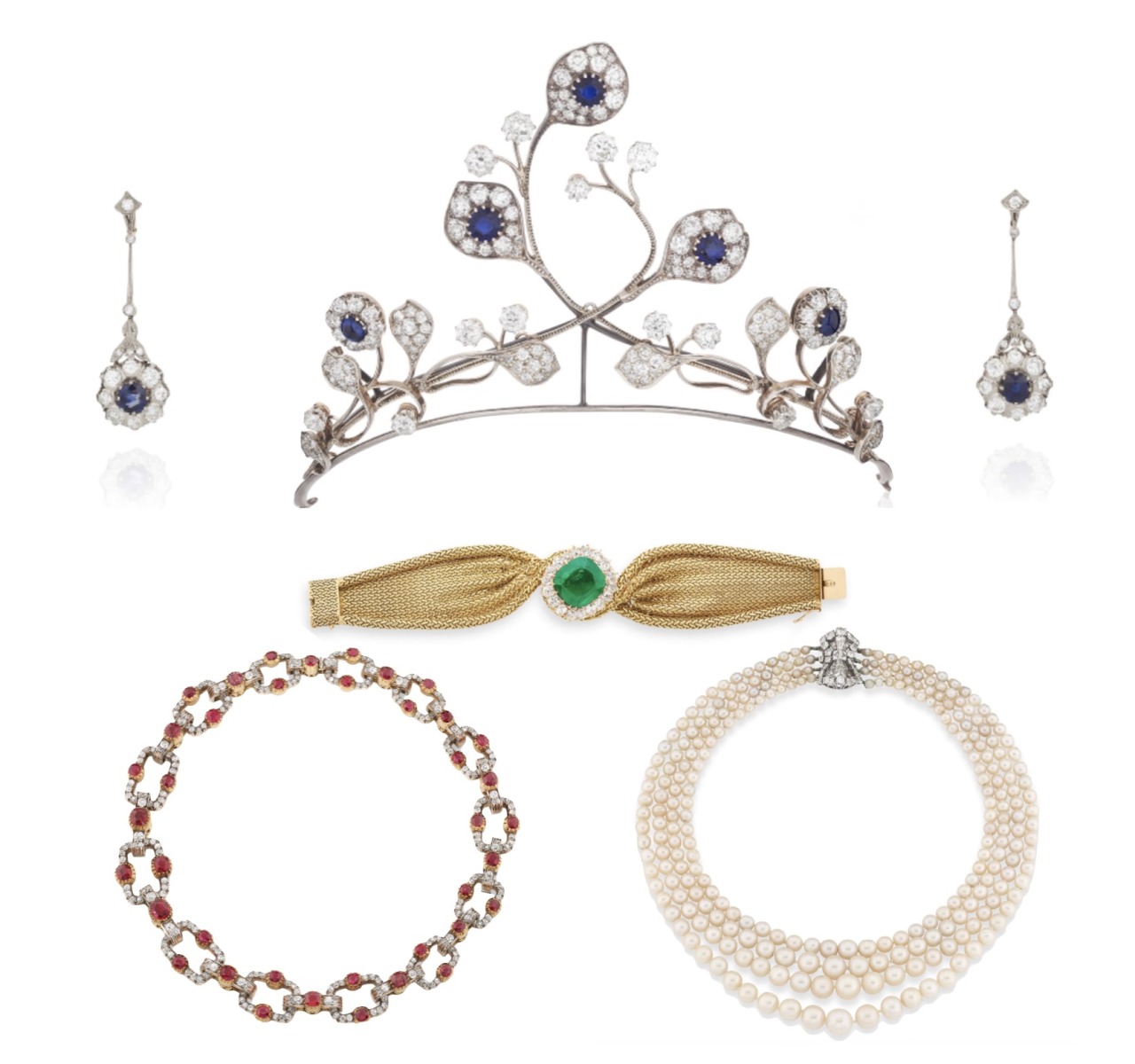
Christie’s Magnificent Jewels | 12 November 2024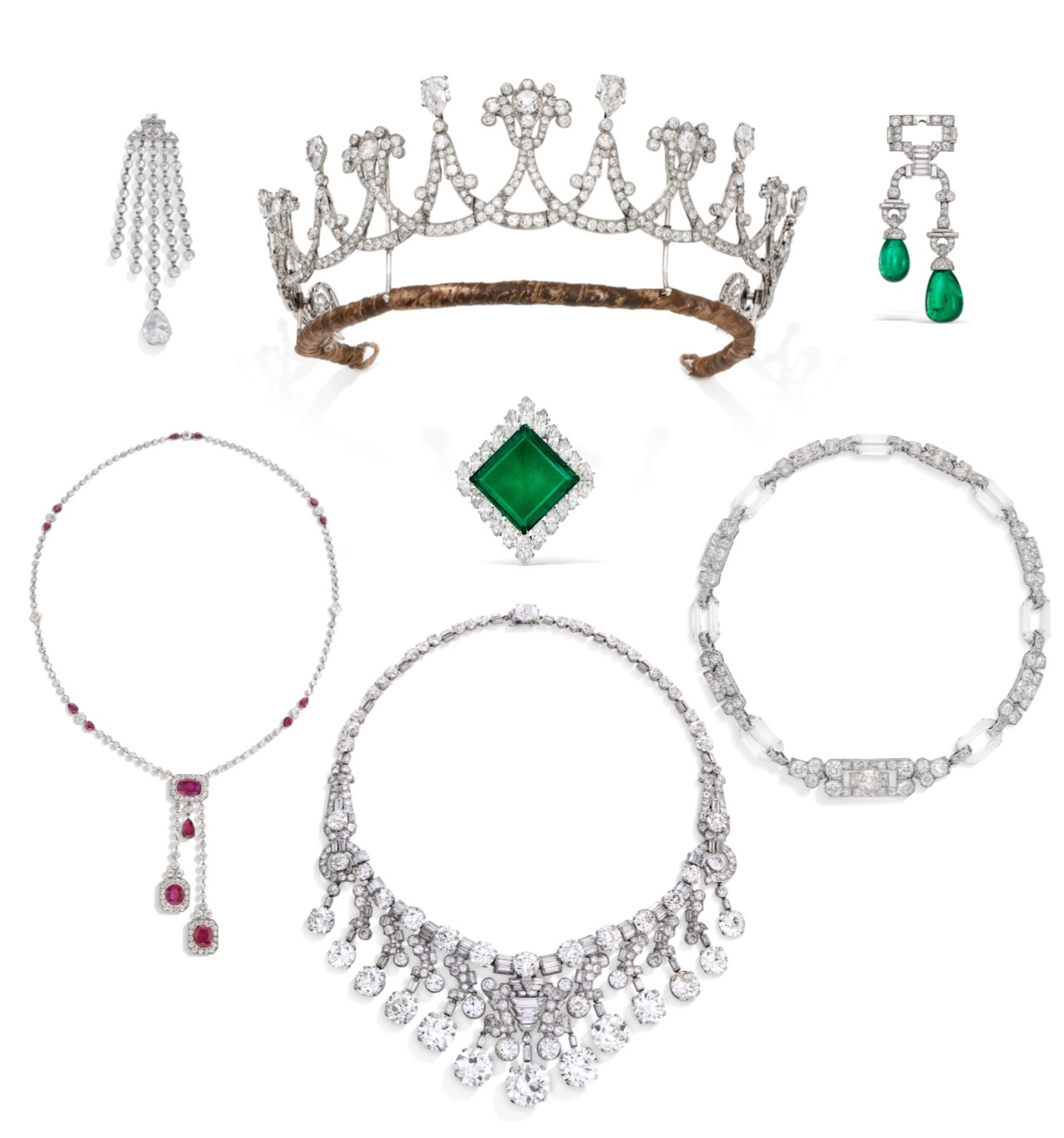
Sotheby’s Royal & Noble Jewels | 13 November 2024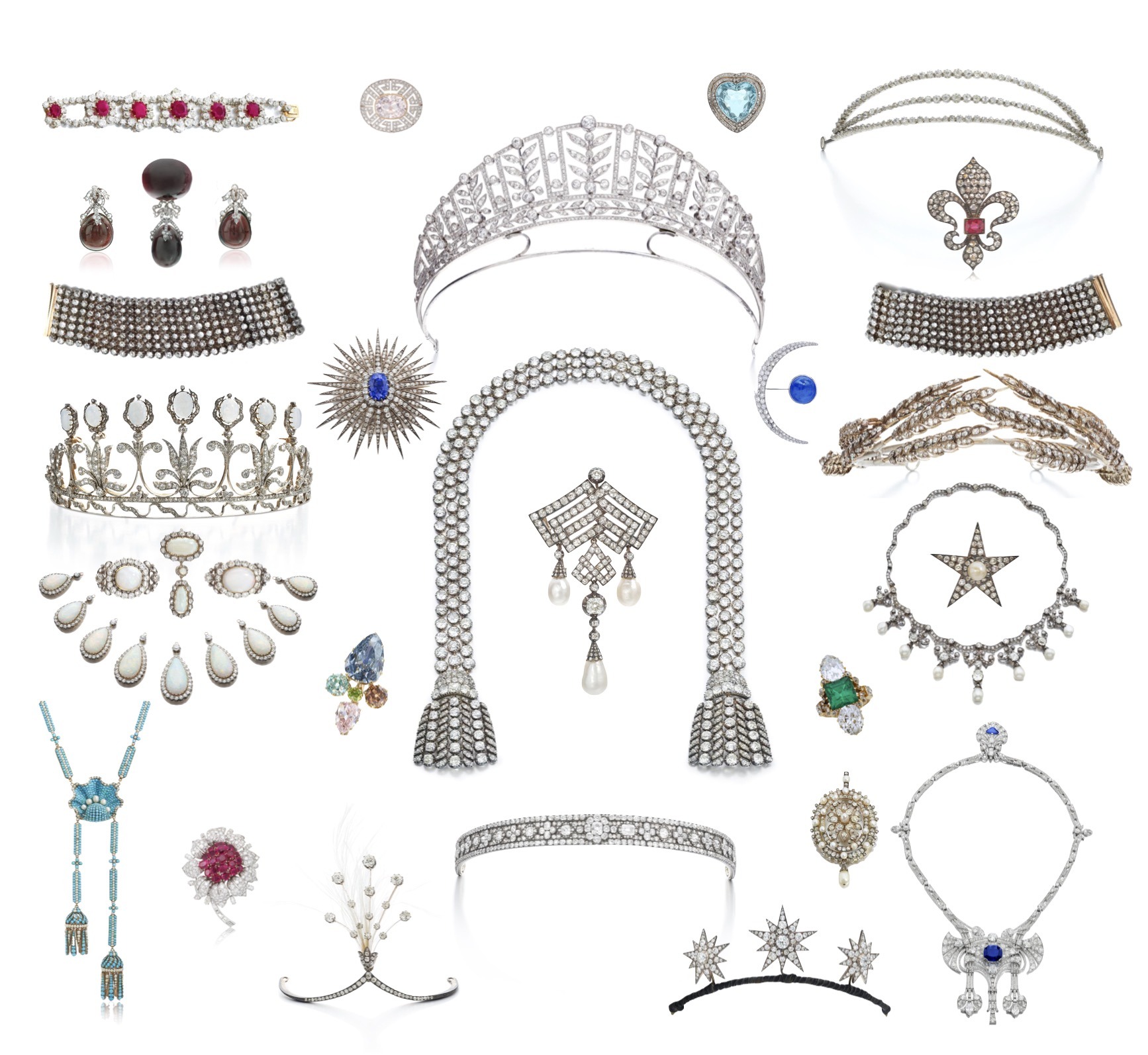
Sotheby’s Important Jewels | 16 November 2024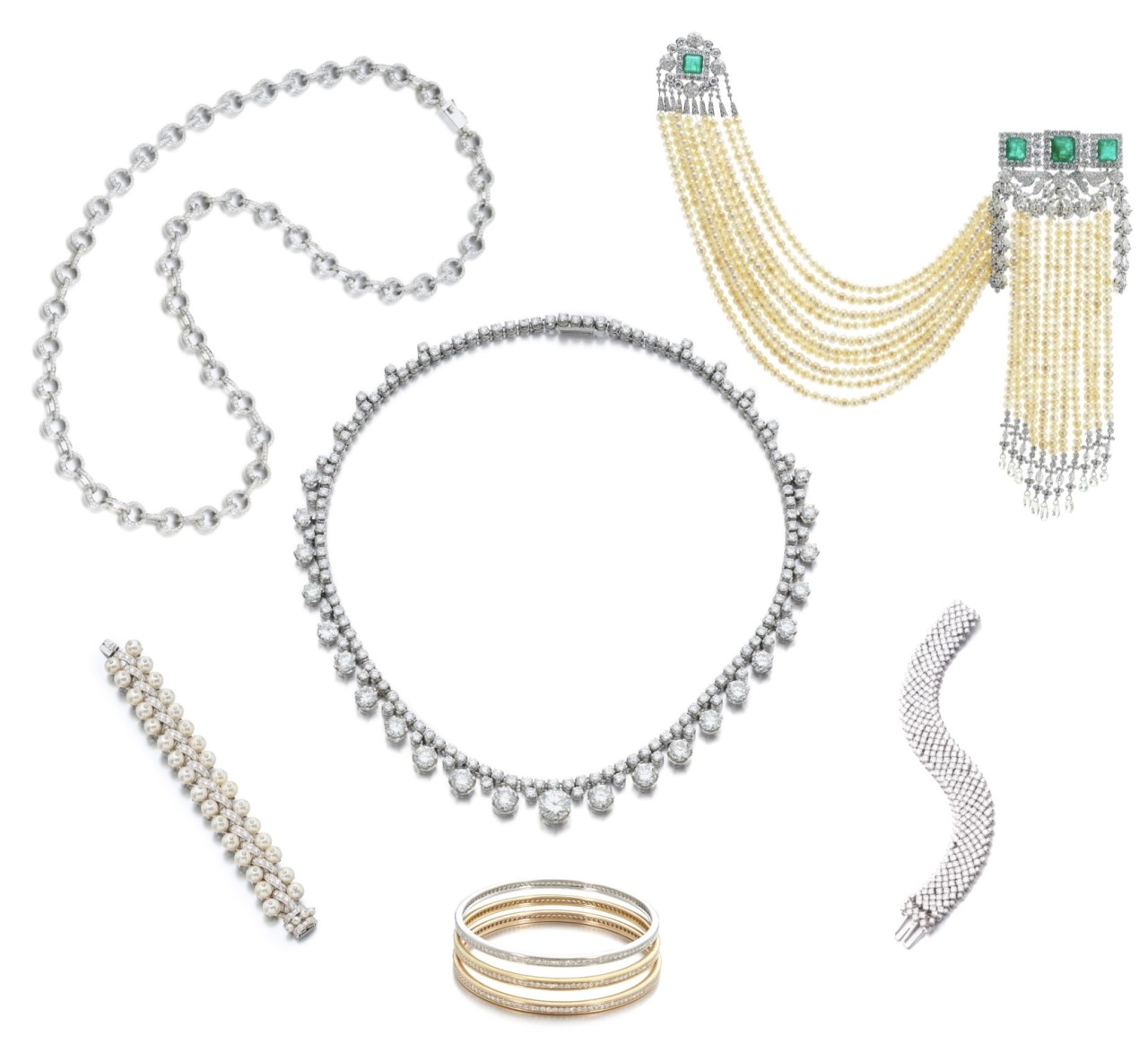
Christie’s Jewels | 20 November 2024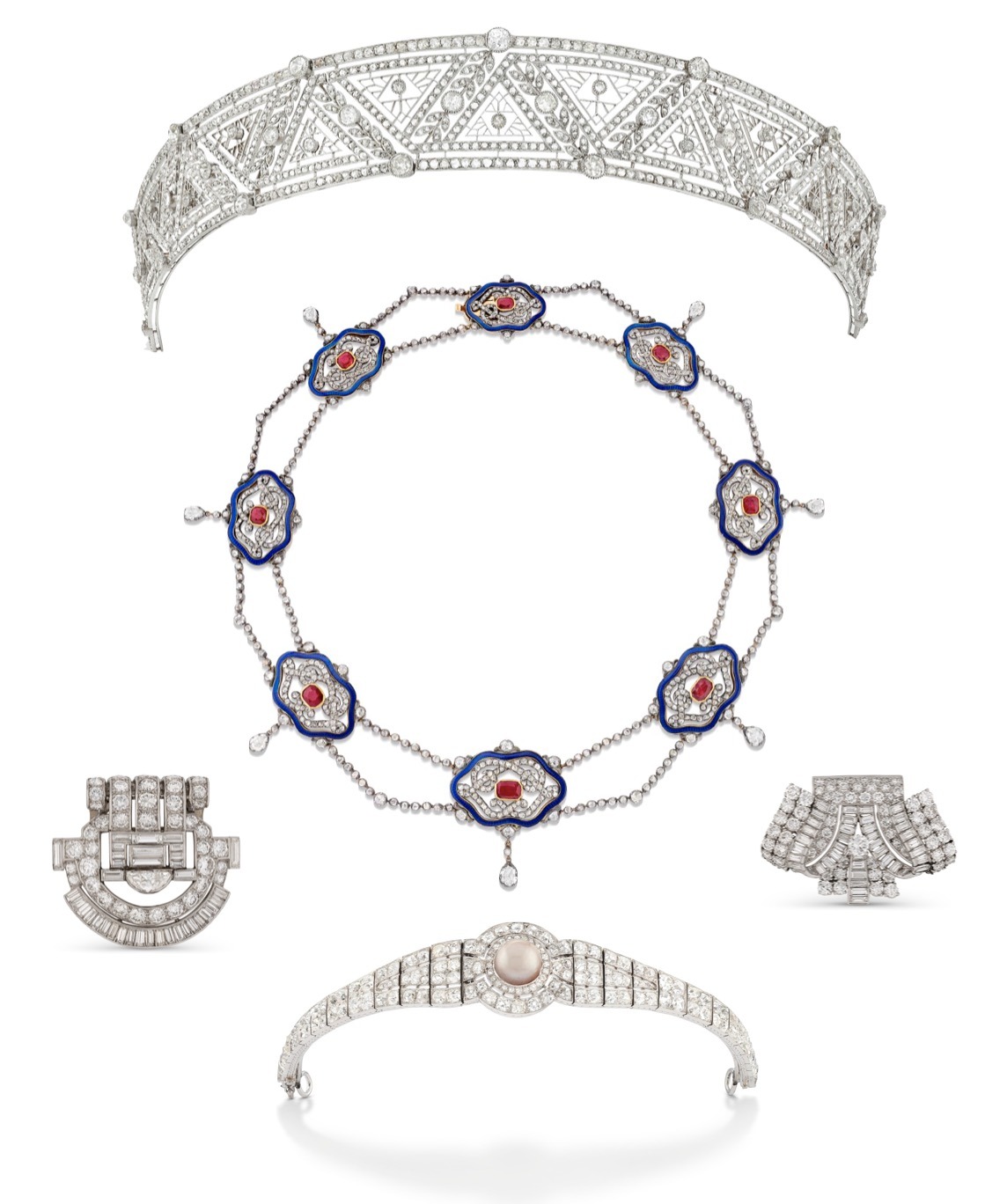
Girls of Great Britain and Ireland Tiara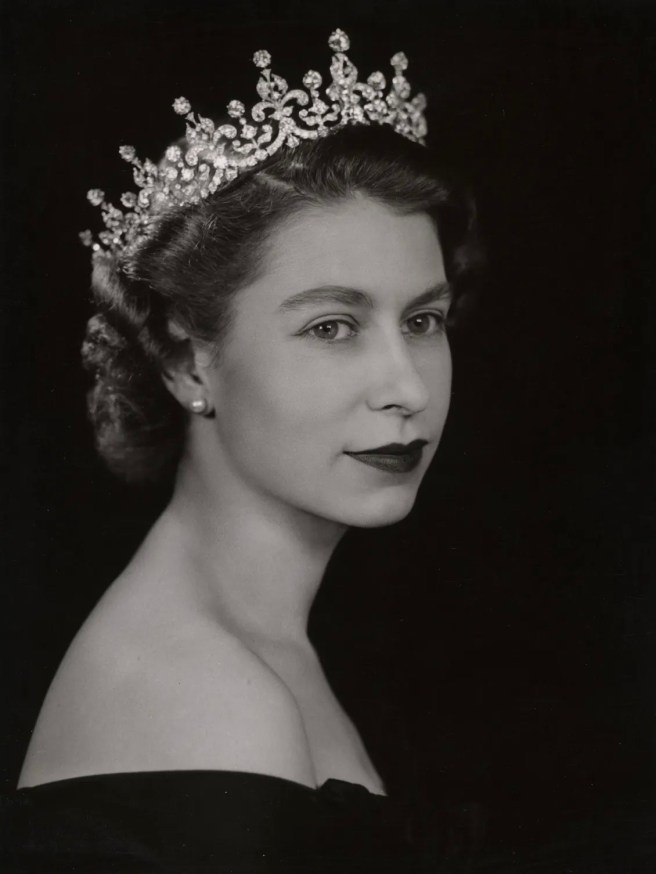
Vladimir Tiara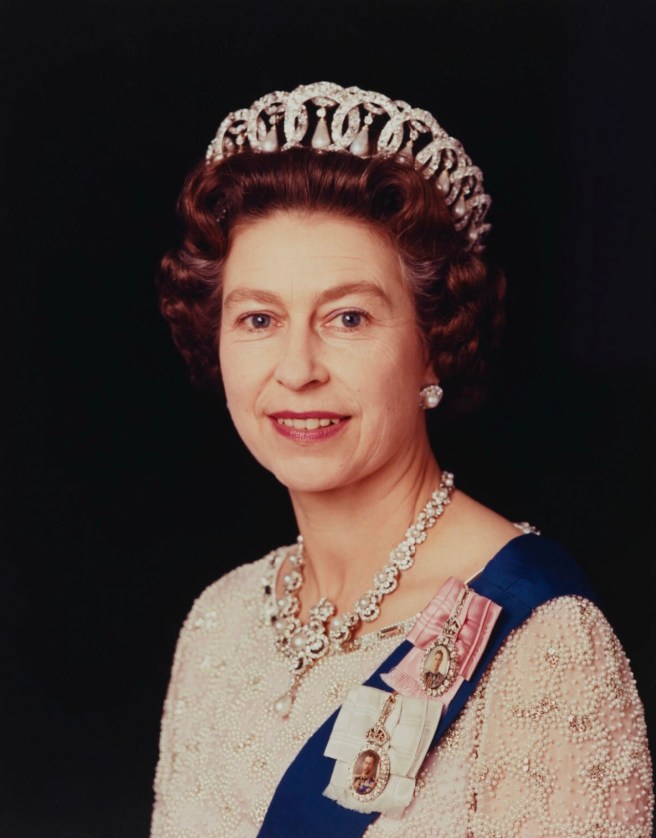
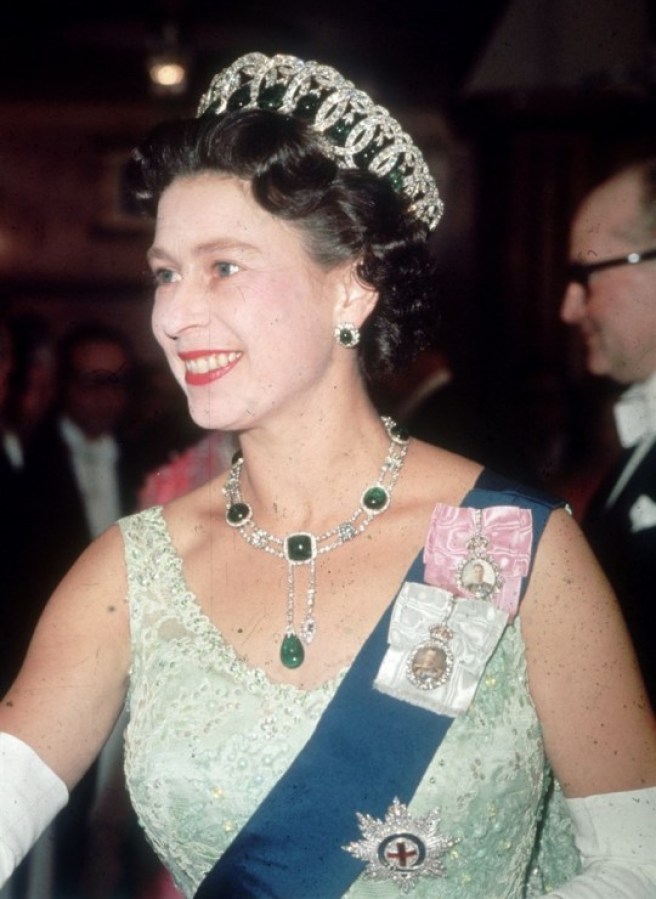
Queen Alexandra’s Kokoshnik Tiara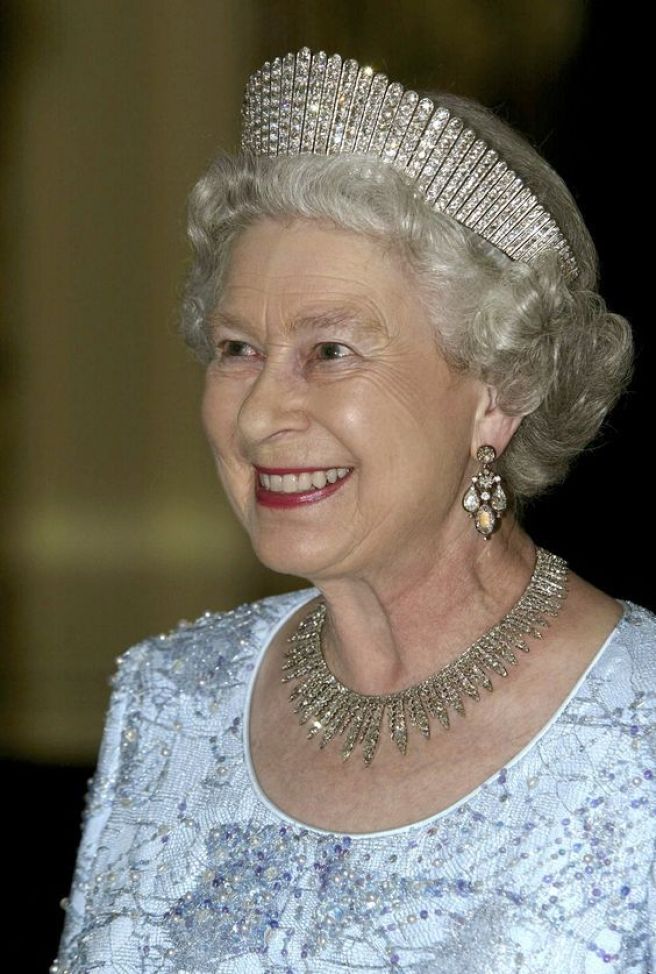
Belgian Sapphire Tiara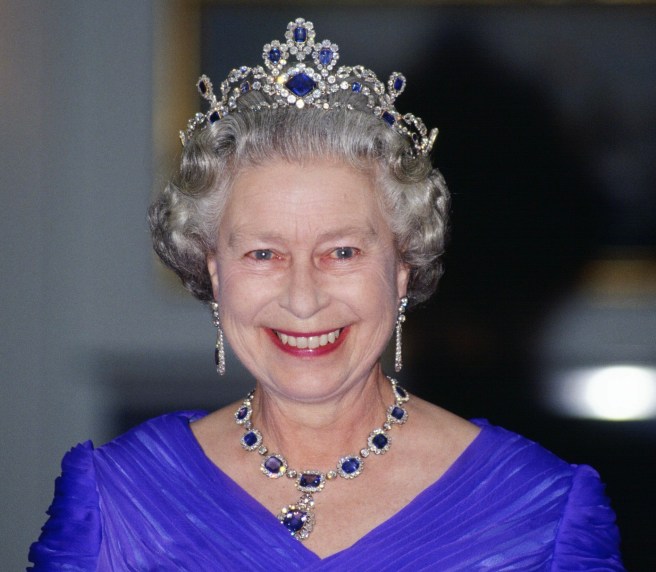
Burmese Ruby Tiara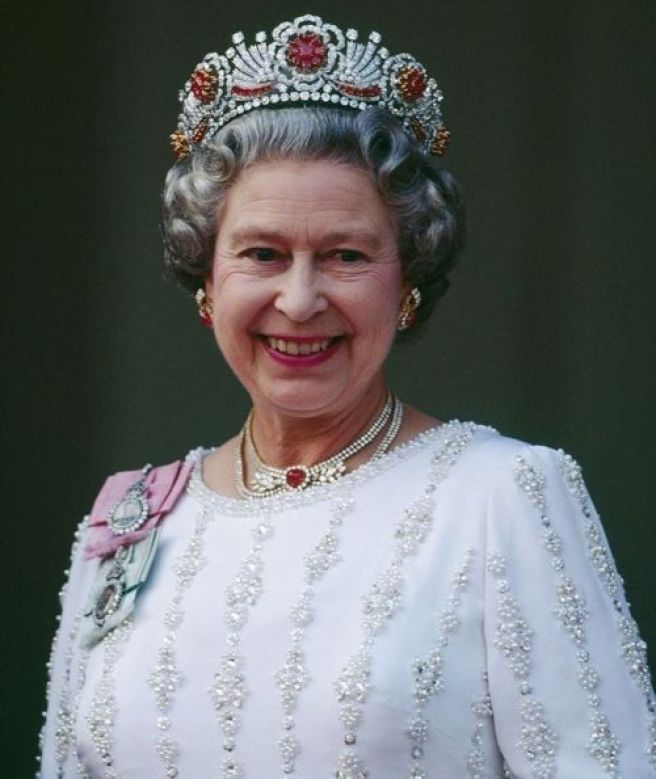
Brazilian Aquamarine Tiara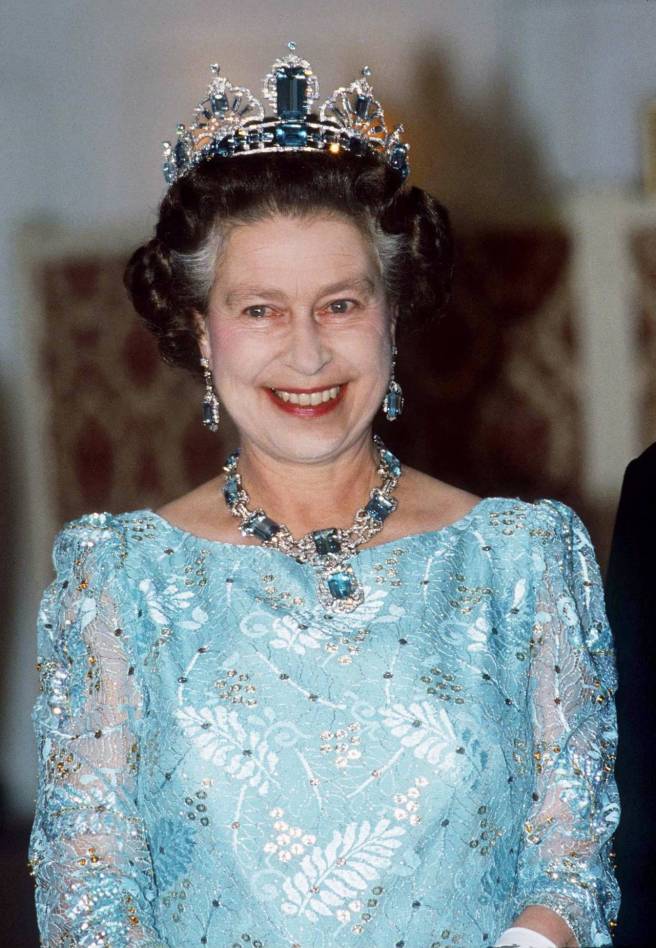
Queen Mary’s Fringe Tiara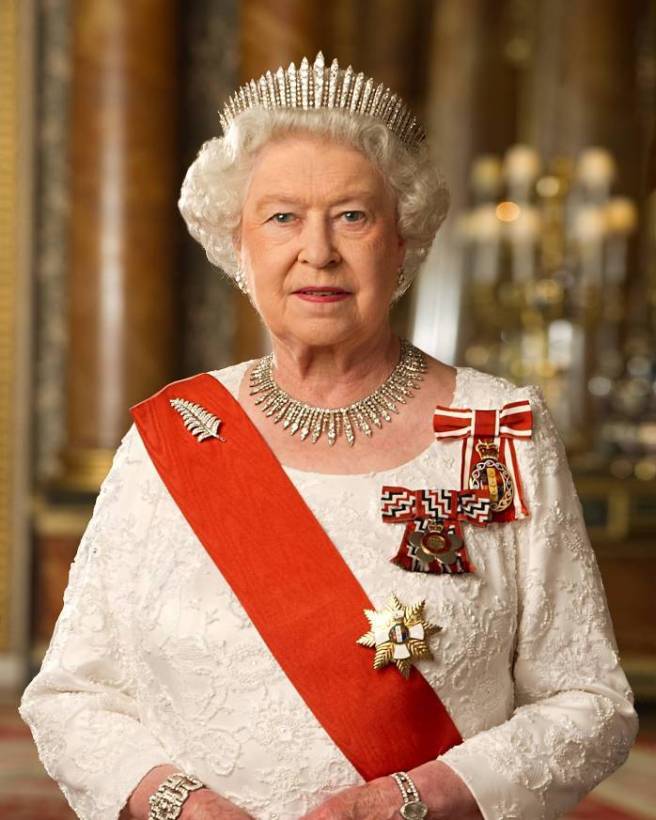
Queen Mary’s Lover’s Knot Tiara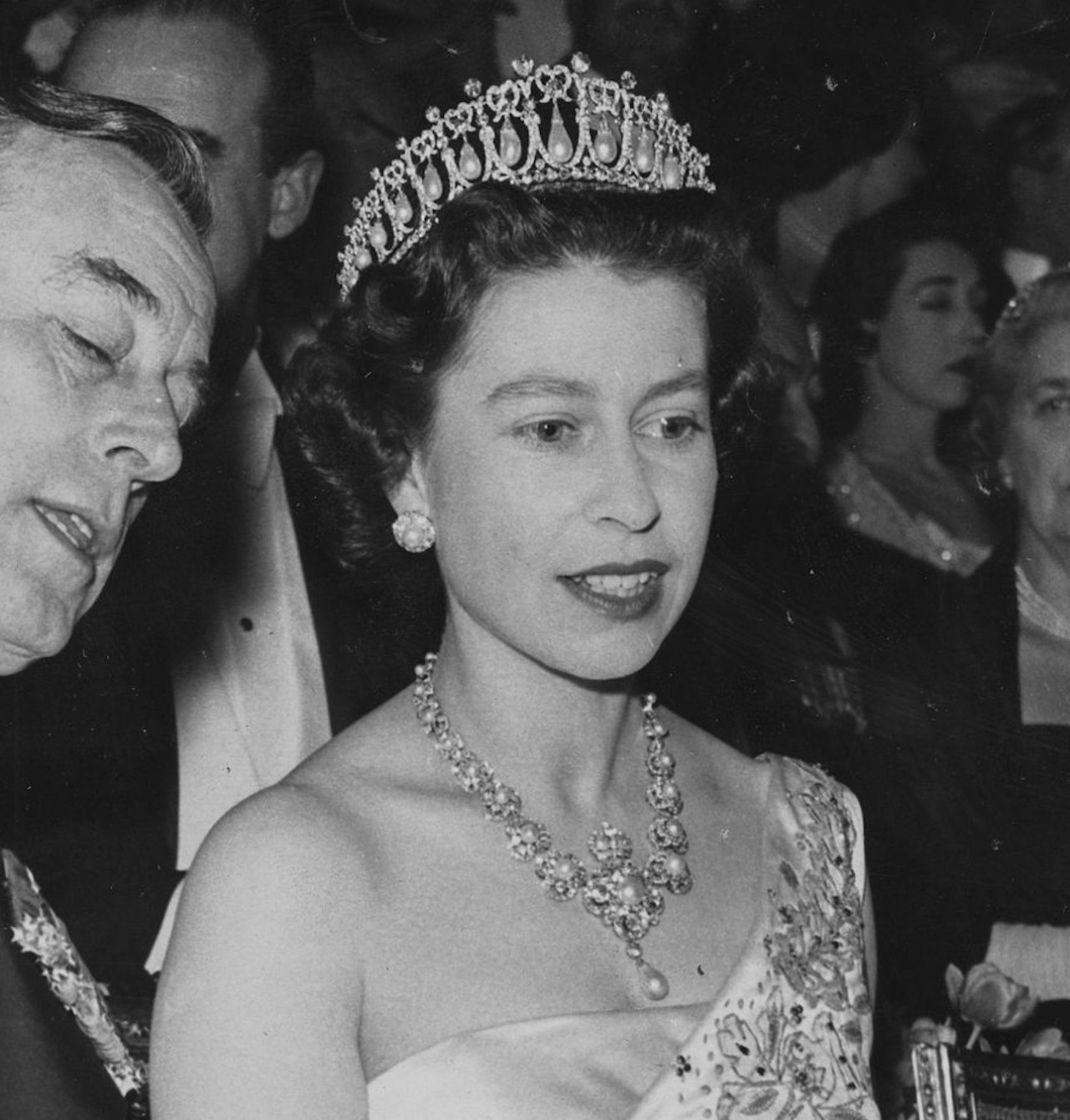
Queen Victoria’s Oriental Circlet Tiara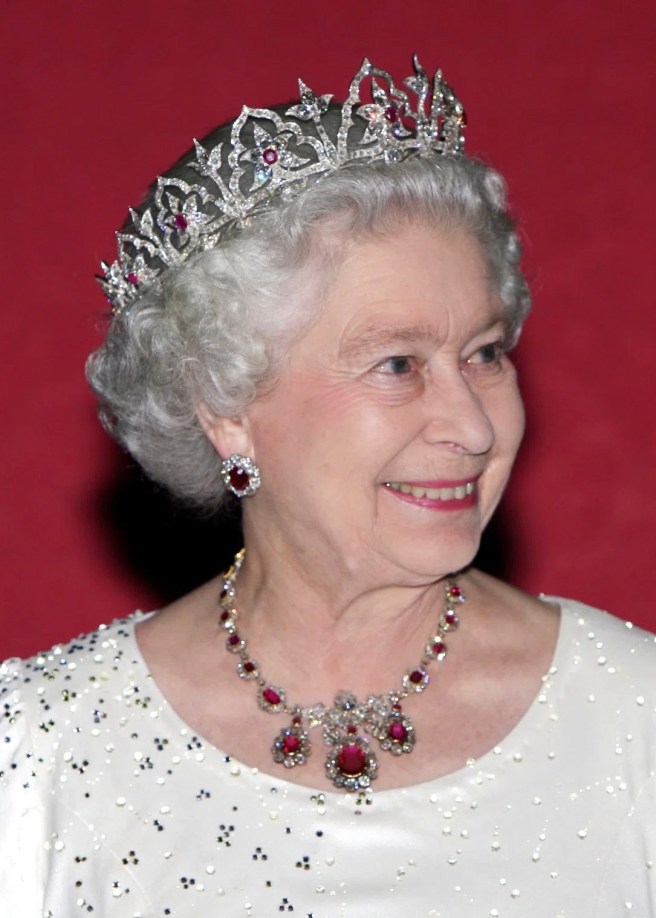



Follow