



How to use: Massage 8 to 10 drops of this oil into your mane and scalp (adjust the amount based on your hair length) for up to 10 minutes. Make sure your hair is covered from root to tip. Put on a shower cap and allow the oil to sink in for an hour, then shampoo and condition normally.
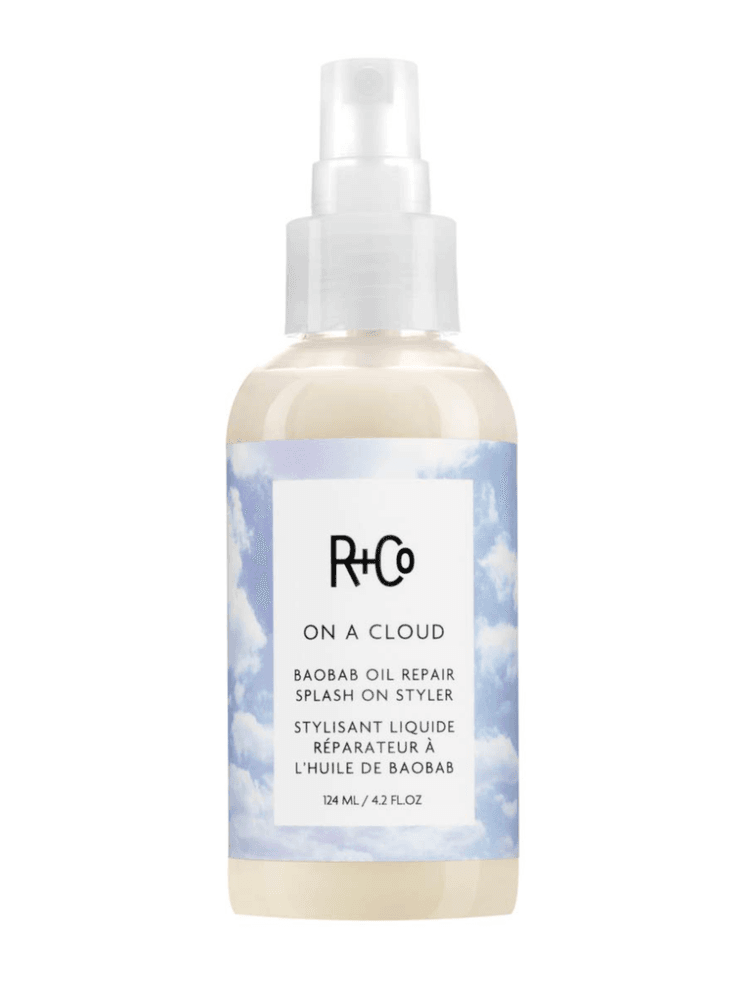
Baobab oil: R+Co On a Cloud Baobab Oil Repair Collection
Courtesy of brand
R+Co On a Cloud Baobab Oil Repair Collection
In search of an oil that delivers a non-greasy shine? Baobab oil has incredible conditioning properties that “add a subtle gloss to all hair types,” says Kay. Beyond making your strands look more lustrous, this spray-on oil styling mask has a baobab oil-protein technology that rebuilds bonds and seals the hair cuticle.
How to use: Spray this oil mixture evenly from roots to ends on clean, damp hair. It’ll help detangle knots while repairing dry hair damage. Comb through and style as normal. You’ll be left with a soft, lustrous finish.
Save when you shop for the best natural oils for hair growth with these Cult Beauty discount codes at checkout.
Tea tree oil: Briogeo Scalp Revival Charcoal + Tea Tree Scalp Treatment

Briogeo Scalp Revival Charcoal + Tea Tree Scalp Treatment
A healthy scalp is essential for hair growth, and tea tree oil contains potent nutrients that calm and soothe a dry, itchy, oily, or flaky scalp. This 100% organic version works for all hair types and textures, without leaving oily residue behind.
How to use: For a refreshed scalp, Kay recommends mixing a few drops of this organic tea tree oil with coconut oil or water. Then massage it onto a clean scalp before bedtime and rinse it out the next morning. Pro tip: If you have a really flaky scalp, repeat two or three times weekly.
Save when you shop for the best natural oils for hair growth with these Space NK discount codes at checkout.
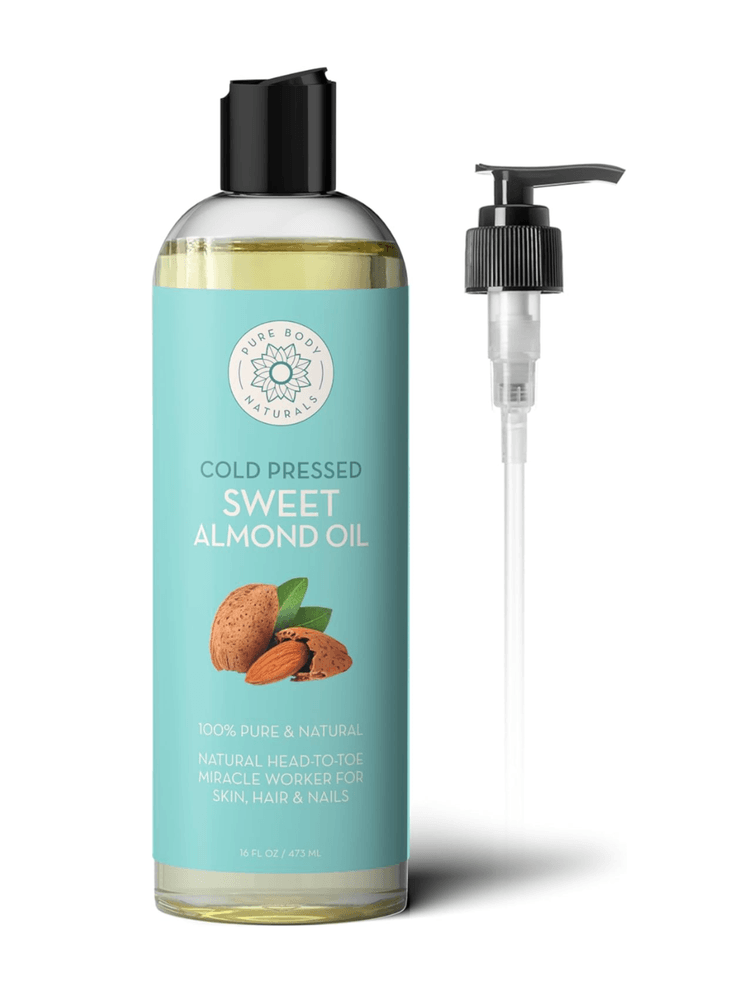
Sweet almond oil: Pure Body Naturals 100% Cold Pressed Sweet Almond Oil for Hair and Skin
Courtesy of brand
Pure Body Naturals 100% Cold Pressed Sweet Almond Oil for Hair and Skin
Rich in vitamins E and D, sweet almond oil stimulates the scalp and protects against ultraviolet (UV) radiation, which can lead to dryness, brittleness, and limp strands. We love this version because it’s non-greasy, smells great, and calms the scalp.
How to use: You have the option to add this oil to wet or dry hair, though adding it to dry hair will improve its manageability, shine, and softness. This is probably the better option for those with very thick or brittle hair. Simply pour a penny-sized amount into your hands and distribute throughout your hair, focusing more on the middle to the ends of the hair. Avoid adding too much to the root so your mane won’t look greasy.
What is the difference between carrier and essential hair oils?
There are two different types of natural oils: carrier oils and essential oils. Carrier oils are extracted from the fatty parts of plants, like seeds and nuts (think olives for olive oil or coconuts for coconut oil). They tend to be thicker and odourless, and are especially helpful with hydrating the scalp.
On the other hand, essential oils are distilled from aromatic plant parts such as flowers, leaves, and stems (like rosemary or clove oil). These oils are highly concentrated and must be diluted with a carrier oil before applying them to the skin. When massaged into the scalp, they can boost circulation and energise the hair follicles, which may encourage growth. Many also have antifungal and antimicrobial benefits that help curb dandruff and deliver fatty acids that support stronger, healthier hair.
Why are natural oils used for hair growth?
The best hair oils address scalp and strand health from all angles and support faster regrowth without harsh side effects. Beyond easing common scalp issues, oils can penetrate the hair shaft to lock in moisture, leaving strands softer and more resilient. Used as a leave-in, they can make hair easier to manage and detangle. Altogether, this creates a healthier scalp environment that supports growth and helps hair maintain length. According to Dr Gaunitz, essential oils may also help with scalp conditions such as seborrheic dermatitis, psoriasis, dandruff, itchiness, and certain kinds of hair loss.
How do natural oils improve hair and scalp health?
Applied regularly, natural oils can soothe inflammation, combat microbes that cause scalp problems, and deliver essential fatty nutrients directly to the roots, says Dr Gaunitz. These benefits can help address conditions that slow growth, including psoriasis, seborrheic dermatitis, dandruff, cicatricial alopecia, and general shedding. Essential oils like tea tree, lavender, and clove can also target fungi, reducing excess oil and buildup. For the hair itself, “most natural oils coat and protect the hair shaft (the visible part of the hair) shielding it from breakage due to heat styling, colouring, and environmental stressors,” dermatologist Dr Geddes-Bruce explains.
What is the best way to apply natural oils for hair growth?
If you’re new to oils, it’s a good idea to ease them into your routine slowly. Begin by massaging a few drops of diluted, scalp-stimulating essential oils, such as rosemary or castor, onto your scalp once or twice a week. Leave the oil on for about an hour before shampooing. If your hair feels too oily afterwards, adjust the amount, frequency, or switch to a lighter formula.
For dry, damaged, or thick hair types, mix a couple of drops of richer carrier oils (like coconut or avocado) into your shampoo or conditioner for added hydration. Those with curly or coarse textures can smooth a light carrier oil, like jojoba or grapeseed, onto the ends as a leave-in to reduce split ends and boost softness.
A version of this article originally appeared on GLAMOUR US.



Follow