



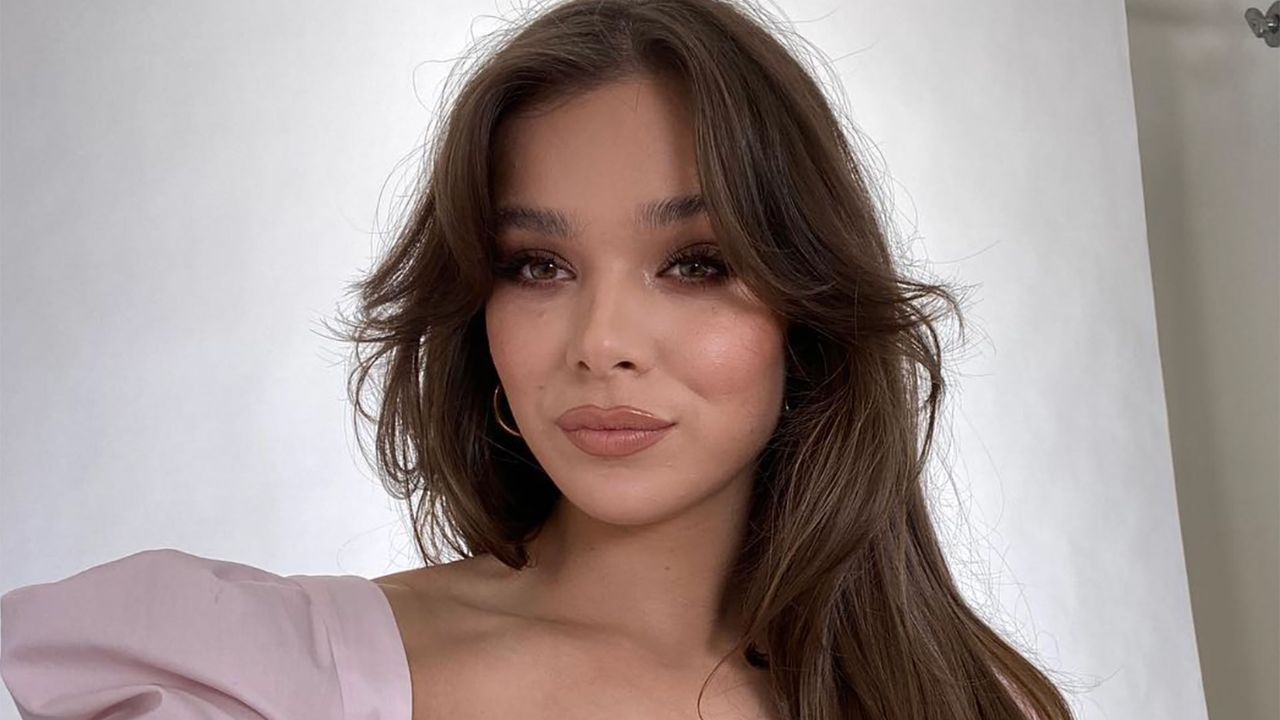
Tempted to get chopping? Before you make the cut, here’s everything you need to know about layering.
What is layered hair?
At its most basic, a layer is “hair that doesn’t reach the bottom of your hair,” says Luke. More specifically, “it is the lightest form of hair cutting,” explains Ryan Forsythe, senior director at Trevor Sorbie’s Covent Garden salon. “Sections of hair are held out and cut vertically from the head to reduce weight.
What are the benefits of layered haircuts?
“Layering hair not only removes weight but can also help to create shape, give volume, movement and texture,” explains Ryan. “If you opt to keep your hair on the longer side, don’t let your hair wear you. Hair that’s not tailored can swamp your features. I would always encourage face-framing tendrils and soft movement to open the facial features. It adds volume, body and interest to hair,” explains Dom.
Do layers make hair look thicker?
“Not necessarily thicker, but they can add volume giving a fuller effect,” says Ryan. If you have very fine hair however, it’s best to stick to longer layers, as shorter sections, like those in The Shag, can make the ends of hair y look wispy.
Can having layers in your hair help to transform or update a style without the need for losing length?
“Absolutely, if you have a heavy one-length bob, for example, a few layers can help you achieve more texture/movement,” explains Ryan. “Or if your long hair feels a bit flat on top, some layering around the crown will give it some bounce.”
Where would you tend to cut layers in?
“Depending on the shape you want to create, or where you want to lighten, it is generally done in the ‘internal’ area (top, back, sides ),” says Ryan. “The ‘external’ being the outline or perimeter length.”
Do layers work on all hair types?
“Most hair types can suit varying levels of layering, particularly thick heavy hair. Hair that is very fine should avoid over layering as it can make it even finer and cause ‘wispiness’” Ryan says. “If you have fine hair and then you put lots of layers through that hair, it’s going to make the ends of the hair feel thinner,” agrees Luke. “Also very frizzy or coarse hair will generally benefit from having more weight,” says Ryan. In which case, you may not want to add too many layers in.
Do layers with straight hair work?
Straight hair can fall a little flat, especially if it’s one length (and *extra especially if it’s long). Even if you plan on wearing your hair poker straight, adding layers can give subtle lift, volume and body without looking obviously choppy. So yes, layers with straight hair are a very good idea.



Follow