



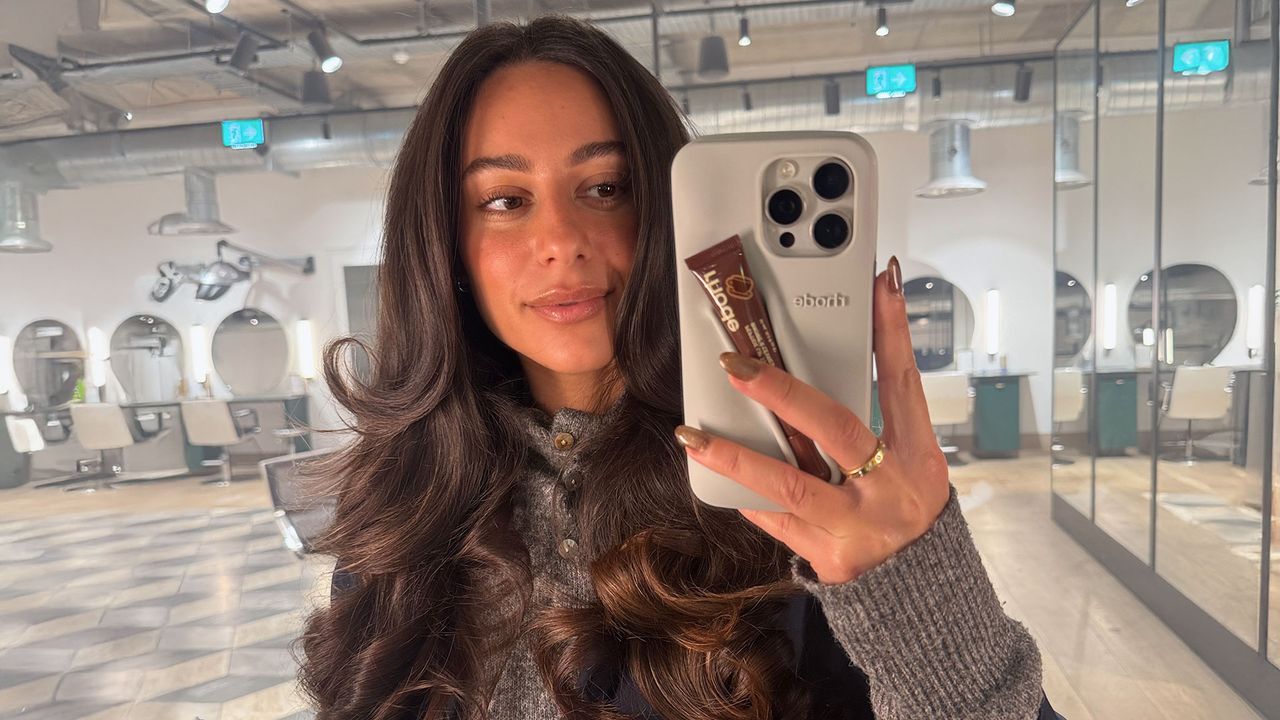
This lightweight formula repairs damage (using shea butter and hydrolysed keratin) and maximises shine without leaving hair greasy or stringy (we see you, panthenol). It’s an ideal match for dry-hair types because it contains shea butter as well, and adds resilience and strength to hair prone to breakage and flyaways due to dryness.
Frequently asked questions
What is the best hair mask to use?
Certain hair masks work better than others, depending on your specific concerns. “Look for a mask that targets what your hair is in need of most,” says Raven Hurtado, hairstylist at Maxine Salon in Chicago. “For instance, if your hair feels damaged or has split ends, opt for a mask with bond rebuilders. A mask that has conditioning oils would also help dry or frizzy hair.” Similarly, a bond-repair mask like K18’s does wonders to bring heat-damaged or colour-treated hair back to life, while a deep-conditioning treatment is key if it’s strong, bouncy curls you’re after. And if your colour is looking dull? Consider a toning mask, like a purple one; it’ll be your new best friend.
What causes dry hair?
A lot of things can cause dry hair, says Annagjid “Kee” Taylor, a celebrity hairstylist based in Los Angeles. “Over-washing, heat styling, lack of moisture in the air, chemical treatments, and product buildup. A lot of us are moisturising without cleansing properly, which keeps the hair from absorbing the benefits. And sometimes it’s just genetics; some textures naturally need more TLC,” she says.
Is there a difference between a hair mask and a leave-in conditioner?
The hairstylists we spoke to say that although hair masks and leave-in conditioners do similar things, they are in fact different. “A hair mask is heavier and more intense, and is meant to be rinsed out, or it will leave your hair oily and weighed down,” says Michael Dueñas, a celebrity hairstylist, men’s grooming expert, and curl expert. Hair masks also address more specific concerns, like hair thinning, dullness, or general breakage. “A leave-in conditioner is lightweight and really helps with detangling specifically,” says Dueñas. While leave-ins have conditioning agents in them, they are much more diluted. “Some of these ingredients take longer to penetrate the hair, which is why leaving it in is best,” he says.
How do you apply a hair mask?
It’s important to read the package instructions, as the exact process varies from product to product, but as a general rule of thumb, use a hair mask once or twice a week to avoid drying out your hair. NYC hairstylist Mikel Slate also recommends applying most hair masks after you’ve rinsed out your shampoo: Lightly towel-dry hair, then comb the mask through the ends to ensure an even application. Leave the mask on for at least 10 to 15 minutes (keeping a claw clip and a comb stashed in your shower will help if you have long or natural hair), and rinse with cold water, which will help boost shine. “Rinse your hair two times if you need to,” says Slate.
How often can you use a hair mask?
According to Sean Michael, owner of Salon Beau, you should use a hair mask about once a week. “If your hair is very damaged, you can increase it to twice a week for extra nourishment. Those with fine or oily hair should use a mask every other week instead, since heavy formulas can weigh hair down or make it look greasy,” he says.
Is it better to put a hair mask on wet or dry hair?
Most hair masks work best on clean, towel-dried hair right after shampooing. “Damp hair helps the product absorb more evenly and deeply into the strands. However, always check the label because some masks are formulated for use on dry hair,” says Michael. He says to just keep in mind that applying a mask to very wet hair can dilute the formula and make it less effective.
Can you replace your conditioner with a hair mask?
Although it might be tempting, you shouldn’t replace your conditioner with a mask, according to Dueñas. “Over time, it will weigh your hair down and overload it. Masks are packed with nutrients that are very heavy for hair. It would be like overworking a muscle when working out, and in the long-term, it can cause more damage,” he says.
How do you rehydrate severely dry hair?
“Start with a clarifying shampoo to remove buildup, then go in with a hydrating mask—something rich in oils, proteins, and humectants,” says Taylor. “After rinsing, lock in that moisture with a leave-in conditioner or cream. And don’t forget your oils.” Rehydration is about layering the right products in the correct order, and being consistent, she adds.
Meet the experts
- Raven Hurtado, hairstylist at Maxine Salon in Chicago
- Joey Gallagher, Bumble and Bumble hairstylist and educator
- Mikel Slate, hairstylist based in NYC
- Michael Dueñas, celebrity hairstylist, men’s grooming expert and curl expert
- Rita Hazan, celebrity colourist and founder of the Rita Hazan Salon
- Neera Nathan, MD, MSHS, board-certified dermatologist
- Annagjid “Kee” Taylor, celebrity hairstylist
- Sean Michael, owner of Salon Beau



Follow