



Once you’ve understood the importance of building a basic skincare routine, the next step is establishing the steps of your day and nighttime skincare routine – and sticking to them. And while there is some crossover in terms of the steps, there are some key differences. Some are easy to understand: you don’t need to use SPF at night for obvious reasons. But it’s also important that your evening regimen differs slightly to support your skin while you sleep.
“Our skin actually operates on a circadian rhythm too, meaning its biological functions change over a 24-hour cycle,” explains Consultant Dermatologist Dr Sidra Khan. “During the day, the skin focuses on protection, defending against UV radiation, pollution and oxidative stress. At night, blood flow to the skin increases, cell turnover and DNA repair are up-regulated, and the barrier is repaired. Using the right ingredients at the right time allows skincare to work with these natural processes rather than against them.”
Our expert’s summary? “At night, the goal is to cleanse, treat and repair. Start with a gentle cleanser to remove sunscreen, make-up and environmental pollutants. Follow with a targeted treatment if needed, such as a retinoid, and finish with a moisturiser to support barrier repair and reduce overnight water loss. A simple, consistent routine is far more effective than an overly complicated one.” With this in mind, we’ve broken down the fundamental steps of a strong yet simple skincare line-up for nighttime – regardless of whether you need to build a routine for dry skin, oily skin, or the best skincare routine for mature skin.
The best step-by-step nighttime skincare routine, approved by a dermatologist:
Step 1: Cleanse
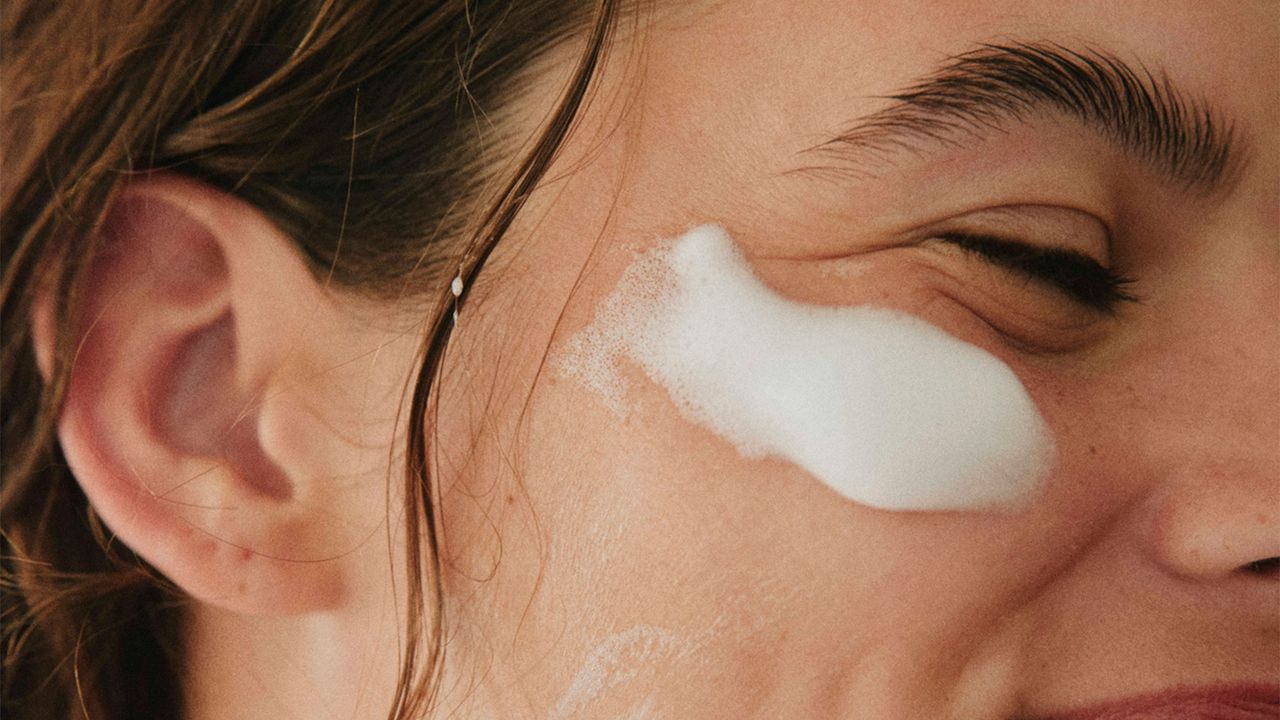
Make no mistake: the best cleanser is so important for a successful evening routine. While double cleansing isn’t required in the mornings – one gentle cleanse is enough – it’s usually a good idea in the evenings, especially if you live in or around a city. Even if you don’t wear makeup, it ensures you get all of the day’s sunscreen, dirt and general grime off your skin. Starting with a completely clean complexion before you apply your other products also means those formulas work as effectively as possible.
As your first step, use something that removes oil-based makeup and SPF well, such as a cleansing balm, cleansing oil, or richer cream cleanser. (For skin that doesn’t get on well with heavier cleansers, micellar water is good for removing makeup.) Then, for your second cleanse, a lighter fluid, creamy or non-stripping foam formula works well. As a general rule, richer and more nourishing textures suit drier skin types well, while more lightweight options are better for oily skin.



Follow