



What does non-comedogenic mean?
You may see the term all the time, but do you actually know what it means? Let’s begin with a little refresher from the experts.
“’Non-comedogenic’ is a label that typically means a product is unlikely to clog pores or contribute to breakouts,” begins Dr Ashley. “The word itself comes from ‘comedone,’ the technical term for a blocked pore. So a non-comedogenic product, in theory, won’t trigger the formation of these blemishes.”
However, she mentions, “this term isn’t tightly regulated.” Just because a product states it is ‘non-comedogenic,’ it does not mean it will never irritate acne-prone skin. “Non-comedogenic products are formulated to avoid ingredients with high comedogenic ratings to avoid the developments of comedones,” says Dr Hall, but that doesn’t mean all ingredients are completely risk-free.
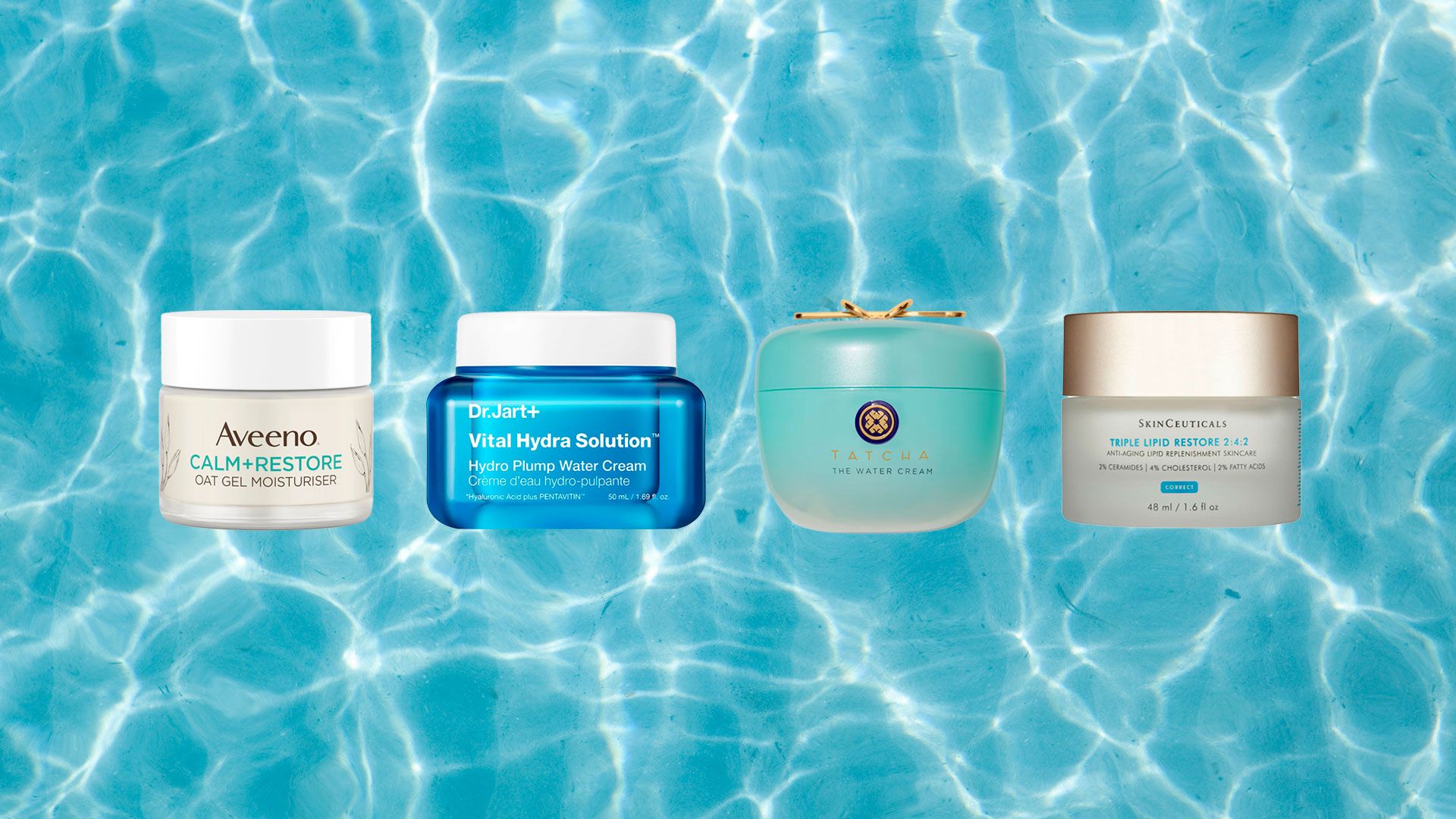
This is why it’s key to do your own research. Ingredient-checker apps and websites can help you understand which products are made with zero comedogenic-risk ingredients, and which may have a few but at a low risk. All products in the aforementioned round-up fit into one of these two categories (most in the former).
What skin types should consider using a non-comedogenic moisturiser?
It’s actually a good idea for all skin types to use products that don’t put the skin at risk of pore-clogging, but those with acne-prone skin types (oily or combination, usually) will benefit most.
“Anyone prone to congestion, blackheads, or breakouts should look for non-comedogenic formulas,” advises Dr Halliley, before adding: “This includes those with oily or combination skin, as well as individuals using active treatments like Tretinoin or salicylic acid, which can make the skin more sensitive to pore-clogging ingredients.”
Can non-comedogenic moisturisers help prevent break-outs?
“Yes, they can, though it’s important to manage expectations,” says Dr Hall. “While non-comedogenic products help reduce the risk of clogged pores and acne formation, they are not treatments for breakouts in and of themselves. Rather, they form part of a broader, preventative skincare routine.” It’s therefore important to take more of a well-rounded approach to dealing with acne, which includes the correct products, diet and lifestyle changes and medicated creams or oral prescriptions if needed, which can be prescribed by a dermatologist.
A good non-comedogenic moisturiser is a brilliant start, however. “They can help reduce the likelihood of breakouts by supporting the skin barrier without introducing heavy or occlusive ingredients that could trap sebum and bacteria. By hydrating the water content of the skin appropriately, they can also actually reduce oil production. Often oily skin is also dehydrated, leading your skin to produce more oil to try and quench its first. It can be a vicious cycle!” explains Dr Halliley.
How do you know if a moisturiser is non-comedogenic?
The first step is of course to look out for the phrase ‘non-comedogenic’ on a product’s packaging or online description. However, as mentioned, the term isn’t stringently regulated, meaning it can be ‘thrown around’ rather a lot. For this reason, it’s always worth doing your own research. Search ingredient apps or websites for your chosen product to take a closer look at what’s inside, and whether there is a comedogenic risk. You should also look out for certain ingredients to avoid, the experts agree. “Avoid heavy oils like coconut oil or lanolin,” notes Dr Halliley, while Dr Hall advises steering clear of certain alcohols, “which can contribute to pore blockages in some skin types.”
Dr Ashley has advice when it comes to finding a product that works specifically for you and your skin: “If you’re acne-prone, it’s useful to patch test on a small area for a week and keep the rest of your routine simple while trialling. And remember, comedogenicity isn’t usually caused by one ingredient in isolation. It depends on things like formulation, dilution, and your individual skin chemistry.”
What to look for in a non-comedogenic moisturiser.
Dr Khorana lays out the following checklist:
- Look for a non-comedogenic label.
- Opt for a lightweight texture (gel or lotion).
- Choose hydrating ingredients (hyaluronic acid, glycerin, niacinamide, squalane).
- Check for an ‘oil-free’ label.
- Try and stay away from coconut oil, isopropyl myristate, lanolin, cocoa butter.



Follow