



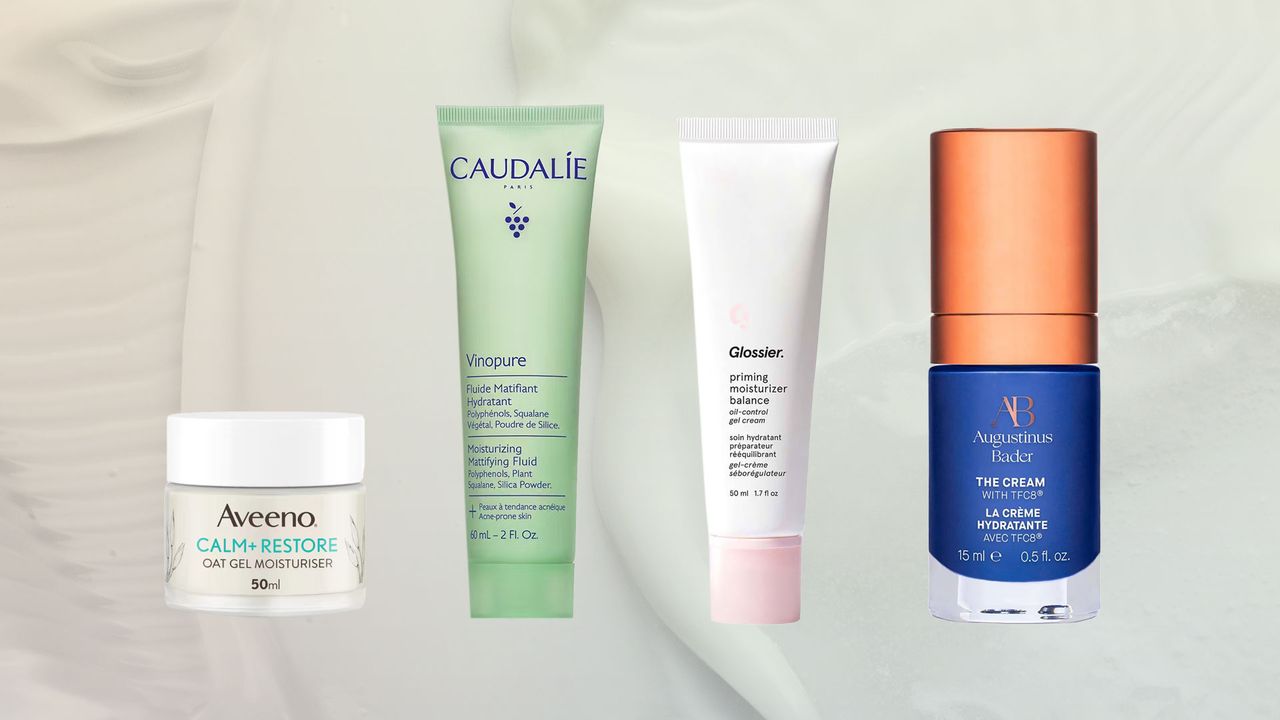
How do I know if I have combination skin?
Of course, the biggest question is this: how do you know if your skin actually falls somewhere in the middle, rather than just being straight up dry or straight up oily? We asked Daniel Isaacs, Director of Research at Medik8, to explain.
“Combination skin is characterised by areas of oily skin – typically in the T-zone area – as well as other areas of dry/normal skin,” he says. “Pore size is typically smaller in combination skin types, too, and interestingly, the product you use can exacerbate areas of either oiliness or dryness, so that’s why it’s important to select the right products in the right formulations.”
Should I moisturise if I have combination skin?
If you have oiliness in your skin it would be fair to wonder if it’s even worth using moisturiser, but the answer, according to the experts, is yes. “It’s important to moisturise combination skin to maintain good skin health,” insists Dr Catriona Maybury, Medical Lead at Dermatica. “When the dry areas become too dry, the body’s natural response is to promote further oil production that can adversely affect the oilier areas of the skin. Therefore, using combination skin appropriate moisturiser, particularly over the dry areas, will help to balance the hydration of your skin overall. Additionally, moisturisers often contain other nutrients such as vitamins and antioxidants that are beneficial to your skin,” she adds.
“By choosing the right textures and ingredients, you can effectively moisturise combination skin without upsetting its delicate balance,” agrees Dr Yuliya Krasnaya, Dermatologist and Medical Director at Evolution Aesthetic Clinic.
What textures work best for combination skin?
The key to finding a moisturiser that can work across both oily and dry skin is to get the texture right. “The best textures for combination skin are lightweight and non-greasy formulations,” explains Dr Yuliya. “Gel-based moisturisers are often recommended as they provide hydration without feeling heavy or clogging pores in oily areas. They absorb quickly into the skin, making them suitable for oily or acne-prone zones while still offering adequate moisture for drier patches,” she says.
It can be a good idea to choose oil-free formulas, plus, be tactical about where you apply your moisturiser. “Adjusting the amount of moisturiser [you use] by applying less over the oily zones and more over the drier zones would be helpful,” says Dr Catriona.
What ingredients should I watch out for if I have combination skin?
When choosing a moisturiser for combination skin, it’s important to watch out for certain ingredients. “Avoid heavy, occlusive ingredients such as mineral oil or petrolatum, as they can be too rich for oily areas and may lead to breakouts,” says Dr Yulia. Meanwhile, “alcohol-based products can strip the skin of moisture, causing dryness and potentially exacerbating oil production in response,” she adds.
“Instead, opt for moisturisers with non-comedogenic formulations that won’t clog pores or cause breakouts,” says Dr Yulia. “Non-comedogenic ingredients are key for optimal hydration while minimising the risk of breakouts,” agrees Dr Catriona, so it’s a term to watch out for on the packaging. As for the ingredients your skin will love, we’ve listed some top-hitters below.
- Niacinamide: “Niacinamide improves skin hydration and helps to regulate sebum production with the added benefit of reducing skin inflammation induced by excessive dryness,” says Dr Catriona.
- Hyaluronic acid: “Hyaluronic acid hydrates the skin without adding excess oil,” says Dr Yulia.
- Squalene: “Squalene (derived from plants) forms a lightweight moisturiser that does not clog pores,” says Dr Catriona.
- Glycerin and ceramides: Both “are other useful moisture locking ingredients that promote hydration,” says Dr Catriona.



Follow