



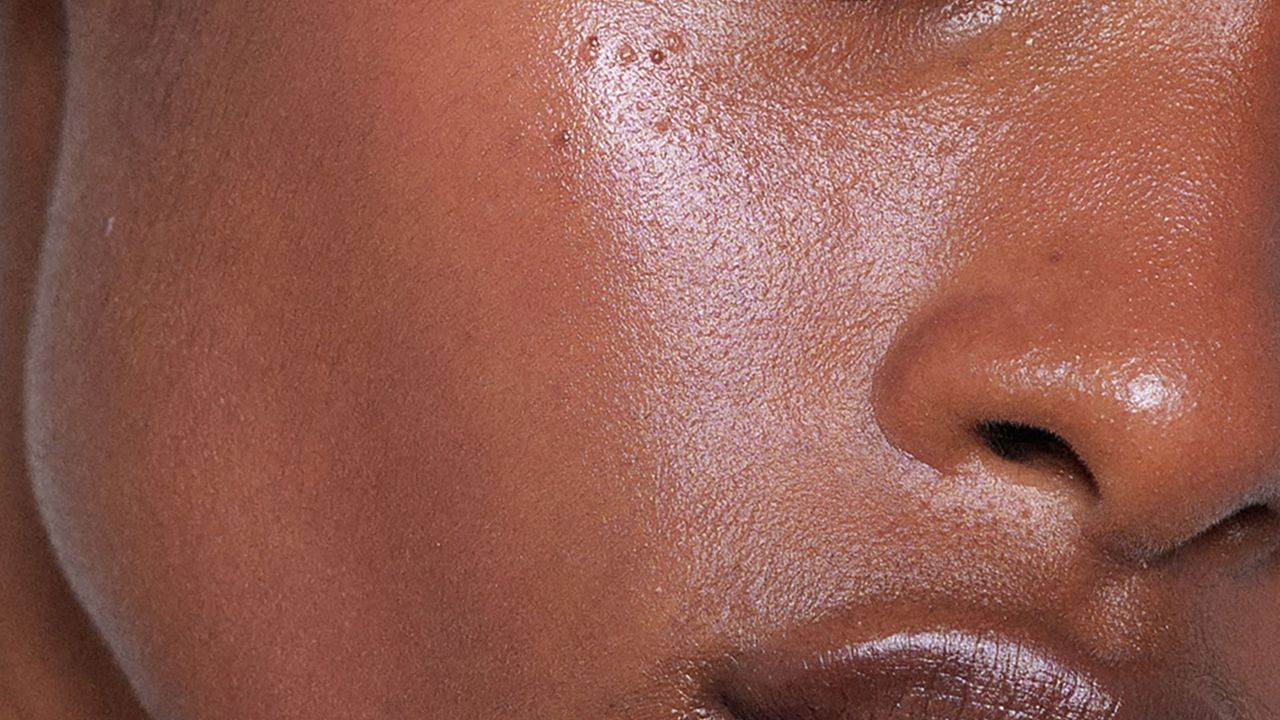
Dry skin on your face is one of the most common, and most frustrating, skincare concerns out there (despite all the examples of ‘glass skin’ you might be seeing plastered all over your FYP). So, if your face feels tight before you’ve even made it to breakfast, or your foundation ends up looking like it’s sitting on your skin rather than blending into it, welcome to the club. And while we all get the odd flaky patch when winter hits or the heating goes rogue, ongoing dryness is a whole different story. It can make your skin look dull, feel uncomfortable, and generally behave in ways that no amount of “drink more water” advice will fix.
That’s because dry skin isn’t just thirsty skin. Despite being used interchangeably on TikTok, dryness and dehydration are not the same thing. Dry skin lacks oil; dehydrated skin lacks water. The two often show up together, but the root cause is different, and so is the solution. If your natural oils are running low, your skin barrier becomes fragile, which means moisture escapes more easily and your complexion can tip into that vicious cycle of tightness, flaking and irritation.
And triggers are everywhere: cold weather, harsh cleansers, overusing exfoliating acids, changes in hormones, central heating, and even just being genetically predisposed can all strip your skin of the oils it needs to stay comfortable. Once the barrier is compromised, redness becomes more noticeable, and makeup goes patchy no matter how hydrating your base claims to be.
The good news is that dry skin is fixable, you just need the right routine. So, if your skin is feeling rough, flaky or just… off, consultant dermatologist Dr Derrick Phillips is here to impact his sage wisdom on exactly what’s going on beneath the surface, and how to get your barrier back on side.
SKIP TO:
What causes dry skin on the face?
“Dry skin on the face is one of the most frequent concerns I see in clinic,” Dr Derrick reassures us. “It occurs when the skin isn’t producing enough natural oil, or sebum, which is essential for keeping the surface comfortable and supple.
“Importantly, dry skin is not the same as dehydrated skin. Dryness relates to a lack of oil, while dehydration refers to a lack of water within the skin. However, when the skin is dry and the barrier is impaired, it becomes far more susceptible to dehydration because water escapes more easily. This combination often leads to the tightness, flaking, redness and sensitivity many people experience.”
“A number of factors can contribute to dryness, from genetics and ageing to environmental exposure, central heating and the overuse of strong skincare products,” he adds. “When dry skin progresses, it can look dull or lacklustre, and fine lines tend to appear more noticeable because the skin lacks both oil and water. If the barrier becomes significantly compromised, irritation, dermatitis and even infections can develop.”
How to get rid of dry skin on your face
“Supporting dry skin starts with replenishing what’s missing and protecting the barrier,” Dr Derrick explains. “Serums can be particularly helpful because they deliver concentrated ingredients that draw water into the skin or reinforce the barrier itself. Ingredients like hyaluronic acid and glycerin help to hydrate by binding water, while ceramides and squalane work to strengthen and replenish the lipid barrier. Vitamin E, which is naturally present in sebum, offers additional antioxidant support and helps nourish the skin.”
Here are his top four steps to follow for a foolproof, dry skincare routine.
1. Moisturise
“Moisturising is essential, especially at night when the skin is focused on repair. A good moisturiser should combine humectants to boost hydration, emollients to soften the skin, and occlusives to reduce water loss.



Follow