



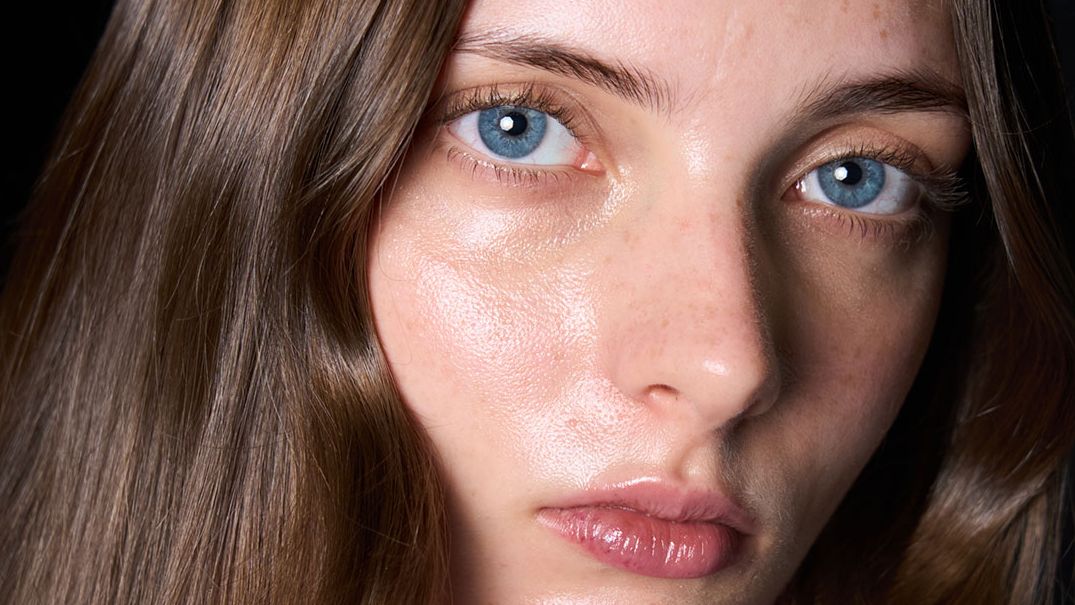
Milia: You might not ever have heard of them, but we can almost guarantee you’ve seen them. Ever wondered why those pesky hard whiteheads won’t disappear? Well, chances are they’re not whiteheads or any form of acne at all; they’re actually milia — sometimes referred to as milk spots.
While they most commonly crop up around the eye area — and can be so tiny you might not even have noticed them — they can actually appear in various places, including your body. You can have one or a few at a time, and they can give the appearance of an uneven texture to the skin.
Once there, milia can be seriously hard to eliminate, especially near the delicate eye area. Despite the fact they don’t really mean any harm, anything that sits on your face for months (years, even) without any sign of budging can be incredibly irritating.
Luckily, it turns out that preventing milia is actually relatively easy, provided you know what you’re doing. To help get navigate the world of these tiny but annoying spots, we’ve enlisted the help of a few experts to reveal exactly what milia are and what to do if you’re looking to get rid of them once and for all.
What are milia?
When it comes to getting to the bottom of any skin issue, it’s useful to know the problem inside out. Milia are small white or yellowish cysts that are made of keratin. “Keratin is a protein that’s contained in the outermost layer of the skin called the stratum corneum, and when debris is trapped beneath the surface of the skin, milia (keratin-filled cysts) are formed,” Dr Ash Soni plastic surgeon and founder of The Soni Clinic tells Glamour.
“Like tiny cysts, they are formed from debris such as sebum (the natural oil we produce to lubricate our skin) and accumulated dead cells becoming trapped in the pores,” adds Lesley Reynolds, co-founder of the Harley Street Skin Clinic.
Typically, you can expect them to appear near the eyes, cheeks and nose in small clusters. But “you can also find them on your lips; often the lipstick edge (called the vermillion border),” says Spirithoula Koukoufikis, senior medical aesthetician at Skinfluencer.
What causes milia?
The bad news is, unlike other forms of cysts and spots, milia have the ability to occur totally out of the blue. However, some people are more prone to milia than others. People with oilier skin types might be more prone to milia due to the overproduction of sebum. In addition to this, “the changes in skin that happen from years of chronic sun damage seem to promote milia formation for predisposed people — another good reason to use sunscreen,” explains Spirithoula.
Likewise, milia can occur in absolutely anyone and everyone. While they are known to appear a lot on the skin of babies, they can (and do) occur in adults of all ages, sexes, and skin colours.
Despite this, there are certain things that are known to spur milia on. Fans of thick, nourishing face and eye creams might want to consider lighter alternatives should they be prone to milia. Lesley reveals: “Milia can be caused or exacerbated by the regular use of thick face cream, which will initially clog the pores and provide a stick trap.” Spirithoula echoes this, adding “comedogenic creams and lotions may prevent the sloughing of dead epidermal skin cells,” which leads to these teeny tiny cysts forming.
Can stress cause milia?
Internal stress can certainly impact how your skin acts and behaves, but it won’t cause milia per se. Stress to the skin could, though. “Certain individuals may experience milia as a result of skin trauma and in uncommon instances, they may occur following the application of topical medications like corticosteroids,” says Dr Vahe Karimyan, plastic surgeon and medical director.
How to get rid of milia
OK, let’s clear something up straight away. DO. NOT. TRY. THIS. AT. HOME. Milk spots are seriously stubborn little guys, and any attempts to get rid of milia at home could lead to infection, scarring or further issues. “I cannot stress enough that milia removal needs a professional, especially if they are located on an eyelid or near the eyes,” warns Lesley. “Do not attempt to remove them yourself. Go to a skin or aesthetic clinic where the practitioner knows what they are doing,” she adds.



Follow