



If there’s one beauty buzzword that just won’t quit, it’s *drumroll please* peptides. They’ve quietly made their way into serums, eye creams, overnight masks and even your favourite makeup-skincare hybrids, all promising bouncier, stronger, glowier skin. But unlike trendier actives that swing in and out of fashion (cough, snail mucin, cough), peptides have real staying power, and dermatologists, facialists and makeup artists are all in agreement: they’re one of the most reliable ways to future-proof your skin without irritation.
So what’s behind the hype? Peptides sit in that sweet spot between results-driven and gentle. They’re not exfoliating, and they don’t sting. Instead, they work more like quiet overachievers, supporting the processes your skin is already trying to do on its own, particularly when it comes to firmness, resilience and staying hydrated. If your skin feels a little less bouncy than it used to, or you’re noticing discolouration that wasn’t there before, peptides are the kind of ingredient that can help nudge things back into equilibrium.
They’re also ideal for anyone who loves the idea of retinol-like benefits but can’t deal with the downtime. Peptides won’t resurface your skin or act as a dramatic quick-fix, but what they will do is build long-term strength. Think of them as a daily supplement for your skin barrier: subtle, steady, and incredibly effective if you’re consistent.
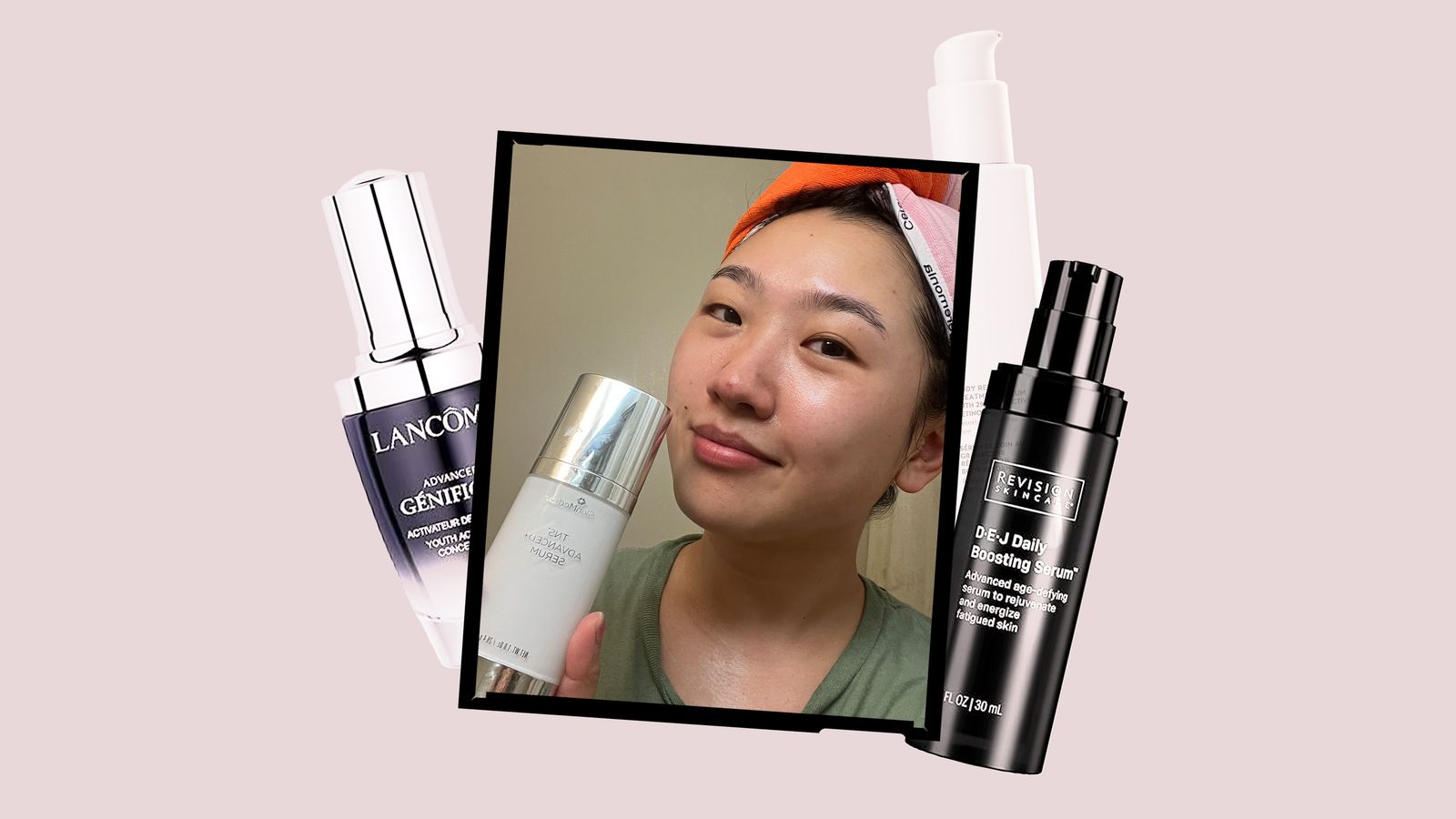
Whether you’re peptide-curious or already a peptide loyalist, understanding exactly what they do, and how to use them properly, makes all the difference. Here, celebrity makeup artist Buster Knight and consultant dermatologist, Dr Derrick Phillips break down everything you need to know.
What are peptides?
“Peptides are essentially tiny fragments of proteins, almost like little building blocks your skin naturally uses to create things like collagen and elastin. They occur in the skin already, and when you apply them as well, you’re giving your skin extra tools to support firmness, bounce, and overall resilience,” says Buster.
“What makes peptides particularly exciting is how targeted they can be,” Dr Derrick adds. “Different peptide structures can be engineered to deliver very specific benefits. Some stimulate collagen and elastin production, others strengthen the skin barrier or soothe inflammation, and certain peptides even mimic the muscle-relaxing effect of Botox.”
What do peptides do in skincare?
“In skincare, peptides play a supportive role in helping the skin look firmer, plumper, and more youthful over time. They can gradually soften the appearance of fine lines and help reinforce the skin’s barrier so it stays stronger and better able to retain moisture. Because of this, skin often feels more hydrated, calm, and supple with consistent use. They’re not harsh or aggressive; instead, they work quietly in the background to encourage healthier-looking skin,” says Buster.
What forms do peptides come in?
Dr Derrick explains that peptides are found in serums, moisturisers and eye creams, and are often combined with supportive ingredients such as hyaluronic acid for hydration, ceramides for barrier repair and antioxidants like vitamins C and E for environmental protection. “In a skincare routine, peptide-based products are typically applied after cleansing (and any toning steps) but before heavier occlusive moisturisers. Most are suitable for twice-daily use,” he says.
How do you use peptide skincare most effectively?
“For best results, peptides should be applied to clean, slightly damp skin, which helps them absorb more easily. Serum textures or lightweight moisturisers tend to deliver them most effectively because they sit closer to the skin. You can use peptides both morning and evening, and they pair beautifully with hydrating ingredients like hyaluronic acid. The key is consistency, peptides aren’t going to transform the skin overnight, but they build visible improvements with steady, ongoing use.”
What skin types suit peptides?
“Peptides are generally well tolerated by all skin types, including sensitive skin,” Dr Derrick explains. “They tend to be non-irritating, fragrance-free and compatible with most other active ingredients. For anyone with a history of allergic contact dermatitis, open wounds or active infections, a patch test is sensible. One point to be aware of is that some peptides are less stable in very low-pH environments, so combining them with strong acids should be guided by a dermatologist.”
Anything to be cautious of?
“Most peptides are very gentle, but copper peptides in particular can feel a little too active for very sensitive skin. They also don’t mix well with strong acids or vitamin C, as these can interfere with their effectiveness. If you know you react easily to new ingredients, it’s always worth doing a quick patch test just to make sure your skin tolerates them,” says Buster.
Any other need-to-knows?
“From a makeup artist’s perspective, peptides are fantastic for skin prep,” Buster says. “They help smooth the surface of the skin and give a naturally plump, refreshed look that makes the foundation sit more evenly. Peptide-based eye serums are especially good before concealer because they hydrate without leaving any heaviness or slip. They’re suitable for almost every skin type and make a great long-term addition to support healthier, bouncier skin – not a replacement for activities like retinol, but a brilliant companion for anyone who wants strength and glow without irritation.”



Follow