



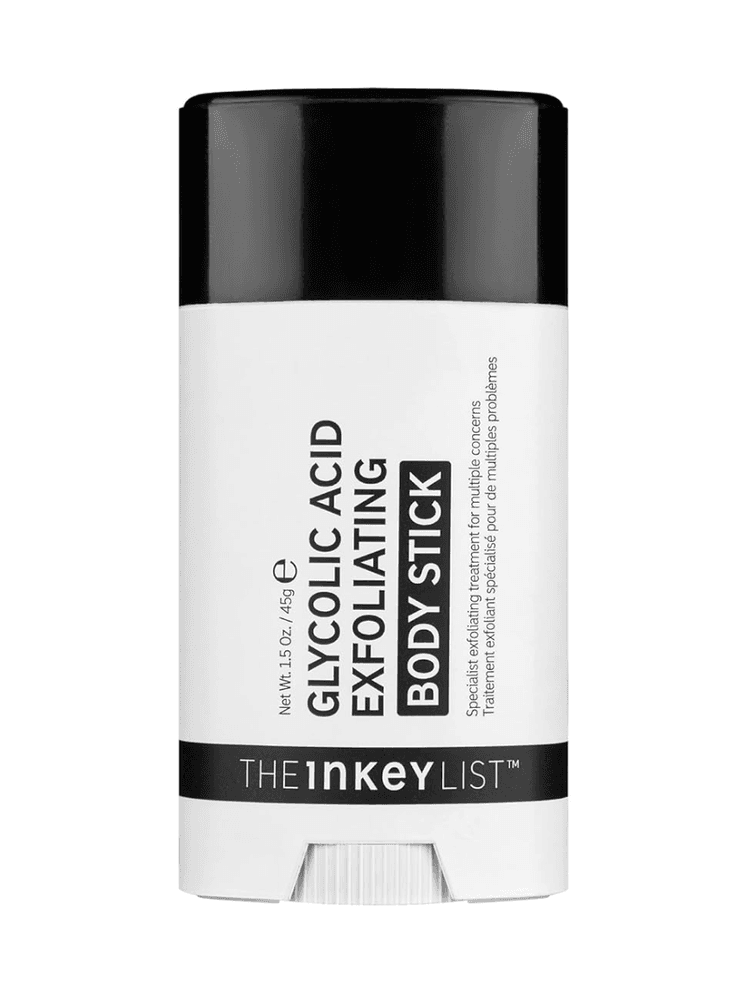
What does glycolic acid do? Well, a little bit of everything, which is why we (and so many others) love it so much. The exfoliating acid is a game-changer for acne-prone skin. If you’ve found yourself alternating between salicylic acid, benzoyl peroxide, and retinol only to discover flaking skin, swapping in glycolic acid might just do the trick.
But here’s the best part: Glycolic acid does way more than just treat breakouts. The exfoliator also tackles skin concerns like hyperpigmentation and dullness, as well as signs of ageing like fine lines and wrinkles, all in one fell swoop. Trust us, your skin tone and skin texture will be transformed after incorporating this anti-ageing powerhouse into your skin-care routine.
Ahead, everything you need to know about how to use glycolic acid, how often to use it, what to avoid, and more.
The best glycolic acid products, at a glance
Featured in this article
What is glycolic acid?
Glycolic acid is a type of alpha-hydroxy acid (or AHA) derived from sugarcane. It joins other acids you might recognise, such as lactic acid (derived from milk), tartaric acid (from grapes), and citric acid, which, you might guess, comes from citrus fruits.
So what makes glycolic acid different from the others? “Of the AHAs, glycolic is the simplest in structure and the smallest; it has the lowest molecular weight,” says Kenneth Howe, MD, a dermatologist at UnionDerm in New York City. That small molecular weight means “it’s easy for it to penetrate your skin and be super effective,” says Alix Shapiro, skin therapist at Heyday in NYC.
What does glycolic acid do for your face?
When it comes to the benefits of glycolic acid, the list is long. First and foremost, glycolic acid is a chemical exfoliant. It helps shed dead skin cells and reveal the newer, brighter layers underneath by acting on the stratum corneum (the outermost or top layer of skin). “Normal, intact stratum corneum consists of tightly packed layers of dead skin cells that are tightly bonded together,” says Dr. Howe. “Glycolic acid loosens these bonds.” With their glue dissolved by glycolic acid, those tough, rough layers of dead skin cells can be sloughed away more easily.
But because glycolic acid is so small, it can get deeper into your skin too, where it does some serious work, especially for skin elasticity. “Glycolic acid stimulates fibroblasts in the dermis to produce increased amounts of collagen,” says Dr. Howe. And by stimulating collagen production, it helps skin feel firmer and minimises fine lines and wrinkles. Between the superficial action on your stratum corneum and the work it does below, “your skin will feel smoother and look more radiant and even-toned,” Shapiro says.
Though it is often used on the face, glycolic acid can also be used on the rest of the body too. If you have clogged pores or dark spots from blemishes on your back, arms, or anywhere else, you can incorporate the acid into your body-care routine as well.
Save when you shop with these LookFantastic discount codes at checkout.
How do you use glycolic acid in your skin-care routine?
As with any exfoliant, it’s best to start small if you have sensitive skin or are prone to irritation. Shapiro recommends using it in a face wash, since it can be rinsed off. “A glycolic cleanser can get your skin used to it, rather than diving straight into a leave-on glycolic product if you are unsure whether your skin can tolerate it,” she says. Try formulations that pair glycolic with hydrating ingredients like hyaluronic acid or squalane if you’re worried about dry skin.
Save when you shop with these Sephora discount codes at checkout.
If you already know your skin is up for glycolic, try it in a peel. “I feel glycolic acid is most effective when administered as a chemical peel done in a health-care practitioner’s office,” says Dr. Howe. “The medical-grade peel pads we use are stronger, with more potent effects, and many people get better results with stronger treatments done intermittently – once a month, say.”



Follow